
 8000m²
 200
200

A Procurement Guide: Selecting Flexible PCB Suppliers for Green Energy and Medical Aesthetics Applications
As industries like green energy and medical aesthetics rapidly evolve, the demand for specialized, high-reliability flexible printed circuit boards (Flex PCBs) has intensified. These sectors present unique challenges that standard electronic components cannot meet. For procurement professionals, selecting the right supplier is a critical decision that impacts product performance, regulatory compliance, and time-to-market. This guide outlines the key industry requirements and supplier evaluation criteria for sourcing Flex PCBs and assembly services.
1. Industry-Specific Requirements for Flex PCBs
Flex PCBs are not a one-size-fits-all solution. The operational environment and end-use application dictate specific design and material requirements.
Green Energy Sector
Applications include solar panel monitoring systems, wind turbine sensors, and battery management systems (BMS) for energy storage. These environments often involve exposure to temperature fluctuations, humidity, and vibration. PCBs must be designed for long-term reliability and stable performance under these conditions. Materials with high thermal conductivity and robust mechanical properties are often required.
Medical Aesthetics & Physiotherapy Sector
This sector includes devices for red light therapy, skin rejuvenation, and pain management. Key requirements are vastly different:
- Biocompatibility & Safety: Materials must be safe for close human contact, often requiring specific polymer substrates like high-grade polyimide.
- Precision & Flexibility: Devices are often wearable or contoured to the body. PCBs must be highly flexible, thin, and capable of precise form factors to fit into slim product designs.
- Regulatory Compliance: Strict adherence to international standards is non-negotiable. For example, suppliers must understand and implement requirements for markets like the EU (requiring RoHS/REACH compliance) and North America (requiring UL certification for safety).
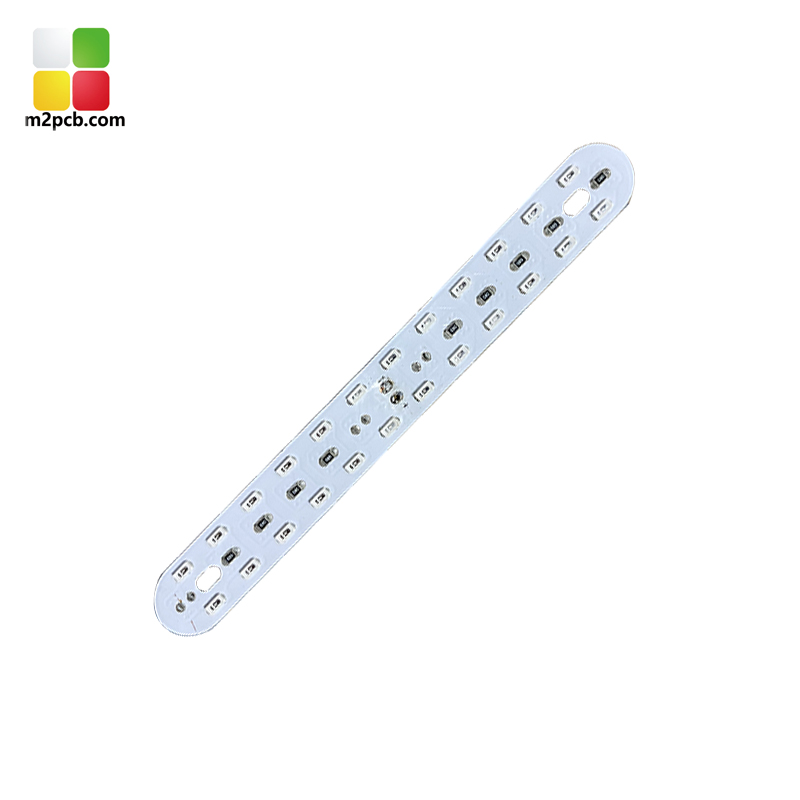
A case study demonstrates the application of flexible LED printed circuit boards in a physiotherapy product designed for waist pain relief. The product required a board that could be integrated into a wearable belt, providing reliable light output while being durable enough for repeated use.
2. Key Supplier Selection Criteria
When evaluating a Flex PCB and PCBA supplier, three core capabilities are essential beyond basic manufacturing.
2.1. Proven Industry Customization Experience
Look for a supplier with a documented history of serving your target industry. Experience translates into an understanding of unspoken challenges and the ability to propose effective solutions from the design phase. A supplier like M2PCB, which has experience producing flexible PCBs for the lighting, medical aesthetic, and physiotherapy product industries, can navigate these complexities. Their operation is based on a customized processing on demand mode, where their role is to provide such customized processing, requiring supporting equipment configured for this purpose.
2.2. Comprehensive Compliance and Certification Portfolio
Certifications are objective proof of a supplier's commitment to quality and safety standards relevant to your market.
- For Medical/Consumer Devices: UL certification (e.g., UL 6950-1) is critical for North American market access, ensuring electrical and fire safety.
- For Automotive or High-Reliability Applications: IATF 16949:2016 certification demonstrates a quality management system tailored for the automotive industry.
- For Global Markets: Ensure the supplier has a system to guarantee RoHS and REACH compliance for exports to the EU and other regulated regions.
2.3. Robust Engineering and Quality Assurance
The ability to produce a reliable board is verified through a supplier's technical capabilities and quality control regime.
Technical Capability Example - Flexible LED PCB:
| Parameter | Capability |
|---|---|
| Maximum Width | 240mm |
| Length | 1m or supplied by reel |
| Minimum Line Width | 0.05mm |
| Minimum Spacing | 3/3mil |
| Testing Method | Flying Probe Test |
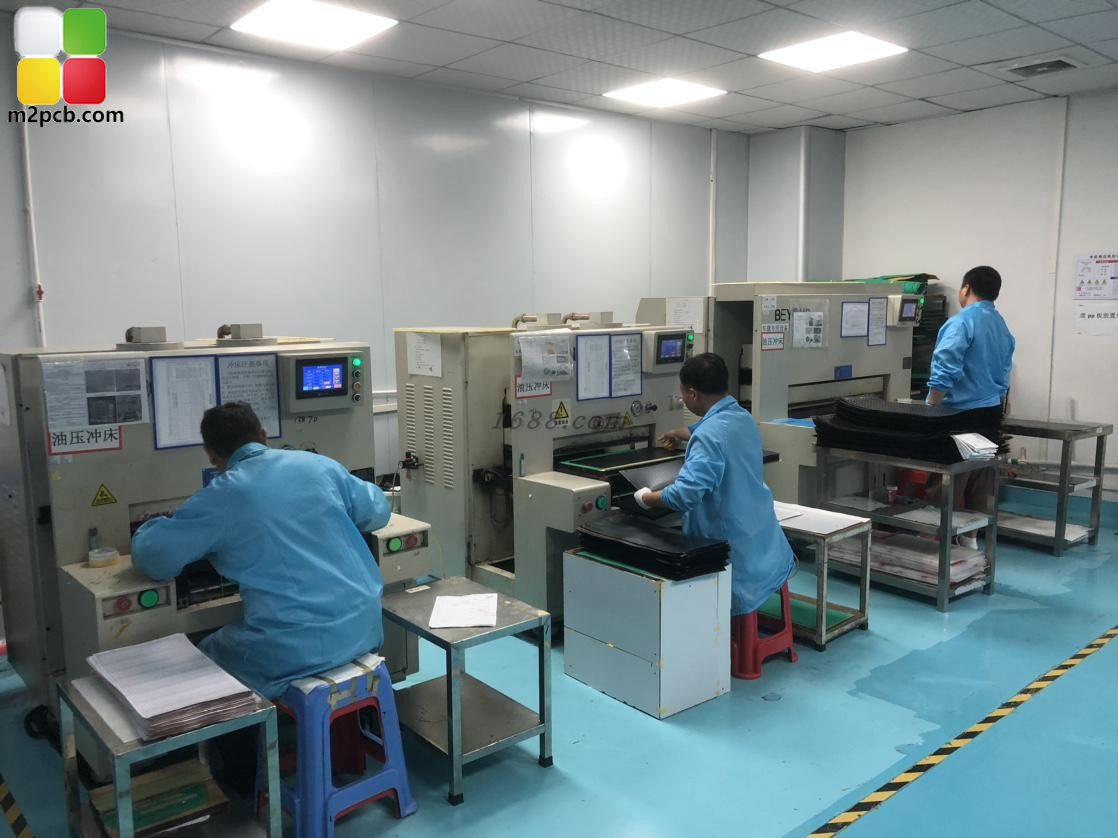
A rigorous quality control process is non-negotiable. It should include multiple verification layers such as 100% electrical testing, Fly-probe testing, Electronic testing, and AOI (Automated Optical Inspection). This multi-stage approach is crucial for catching defects in complex flexible circuits.
3. Evaluating Supplier Capabilities: A Practical Framework
Translate the criteria into actionable questions during the supplier evaluation process.
- Request Industry-Specific Case Studies: Ask for detailed examples of projects similar to yours. For instance, how did they address thermal management in a BMS flex circuit or ensure biocompatibility in a wearable medical device?
- Audit Certifications: Request valid copies of relevant certificates (UL, IATF 16949, ISO 9001) and understand their scope. Verify how compliance (e.g., RoHS) is maintained in their supply chain.
- Assess Technical & Production Capacity: Inquire about their R&D team size, prototyping lead times, and monthly production capacity. A supplier with a dedicated team of engineers and a capacity of tens of thousands of square meters per month is better equipped to handle volume and complexity.
- Review Quality Documentation: Ask for their quality control plan and failure analysis reports. A transparent supplier will share their process for 100% testing, Fly-probe, Electronic testing, and AOI test.
- Understand Global Logistics: Confirm their experience with exporting to your target markets. Suppliers with active exports to regions like Europe, the United States, Brazil, and the Middle East are familiar with the logistics and documentation requirements.
4. Strategic Partnership and Project Initiation
Selecting a supplier should be viewed as establishing a partnership. Clear communication at the outset sets the stage for success.
- Define Requirements Precisely: Provide complete and clear technical files (Gerber, BOM list, assembly drawings) and explicitly state all industry standards and certifications required.
- Leverage Their Expertise: Engage the supplier's engineering team early. A capable partner operating in a customized processing on demand model can offer design for manufacturability (DFM) feedback to optimize your design for cost, reliability, and yield.
- Plan for the Entire Lifecycle: Discuss not just prototyping and production, but also after-sales support, potential design revisions, and supply chain continuity plans.
By meticulously evaluating potential partners against these industry-focused criteria, procurement teams can significantly de-risk their supply chain for specialized Flex PCB and PCBA needs. The goal is to move beyond a transactional relationship to a collaborative partnership with a supplier whose capabilities are aligned with the stringent demands of innovative sectors like green energy and medical aesthetics.
Have Questions or Need More Details?
Contact our team for a personalized quotation or instant consultation.
Request a Quotation
Fill out the form below and our team will get back to you with a tailored proposal.
WhatsApp Direct Chat
Prefer to chat in real-time? Message us on WhatsApp for instant assistance & quick answers.
- Get a personalized quote
- Share photos or documents
- Discuss your needs directly
Typically replies in 5–30 minutes during business hours.