
 8000m²
 200
200

Flexible Printed Circuit (FPC) Essentials: Technology, Applications, and Sourcing from M2PCB
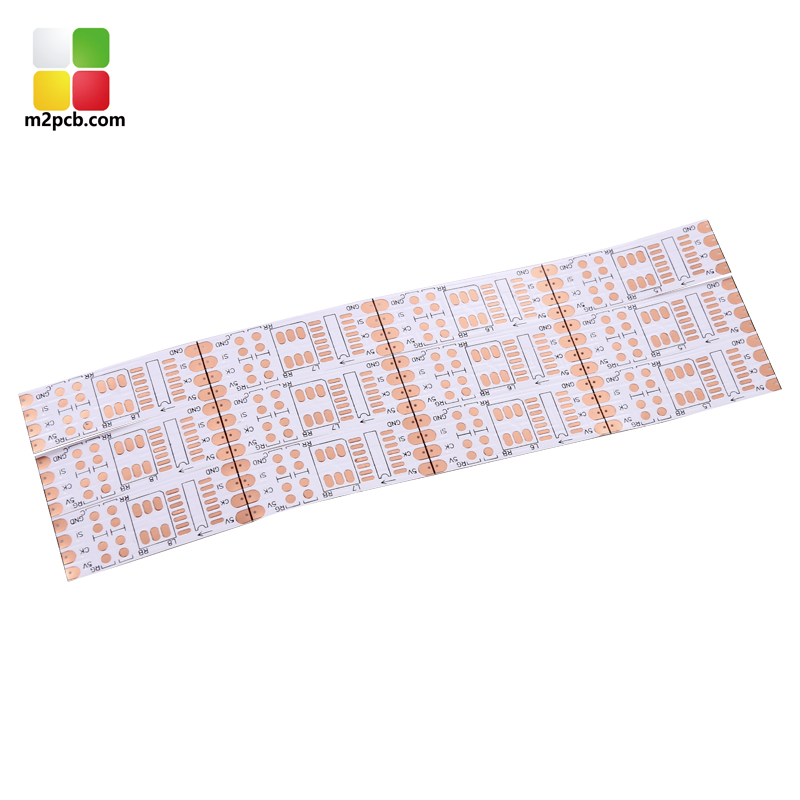
A flexible printed circuit (FPC), also known as a flexible printed circuit board or flex circuit board, is a key enabling technology for modern compact electronics. M2PCB, a manufacturer established in 2000, specializes in the production of flexible printed circuits (Flex PCB) and PCB assembly (PCBA), serving industries that demand thin, bendable, and reliable interconnects. This guide explains what an FPC is, how it is made, and what to look for when sourcing from a supplier like M2PCB.
The Problem: Rigid Boards Can't Fit Everywhere
Traditional rigid printed circuit boards (PCBs) are fixed in shape and lack the ability to twist, fold, or conform to irregular enclosures. As devices become smaller, lighter, and more wearable, engineers need a solution that can bend without breaking. Flexible printed circuits solve this by using thin, flexible substrates such as polyimide (PI) that allow the circuit to be shaped into tight spaces while maintaining electrical integrity. This is especially critical in automotive electronics, industrial control, and medical devices where space and reliability are paramount.
Industry Background: The Growing Role of Flexible PCBs
Flexible PCBs have become a standard in many high-growth sectors, including consumer electronics, automotive, medical aesthetics, and LED lighting. Their ability to reduce weight, improve thermal management, and enable dynamic flexing makes them indispensable for modern product design. M2PCB's core business focuses on manufacturing flexible PCBs from 1 to 14 layers and providing PCB assembly (PCBA) services. The company's annual production capacity reaches 360,000 square meters, and its technical and management team possesses over 10 years of industry experience, ensuring consistent quality for global customers across Europe, North America, South America, and Australia.
Detailed Solution: M2PCB's Flexible Printed Circuit Offerings
M2PCB delivers a complete range of flexible printed circuit solutions, from bare flex boards to fully assembled PCBA. The product portfolio includes:
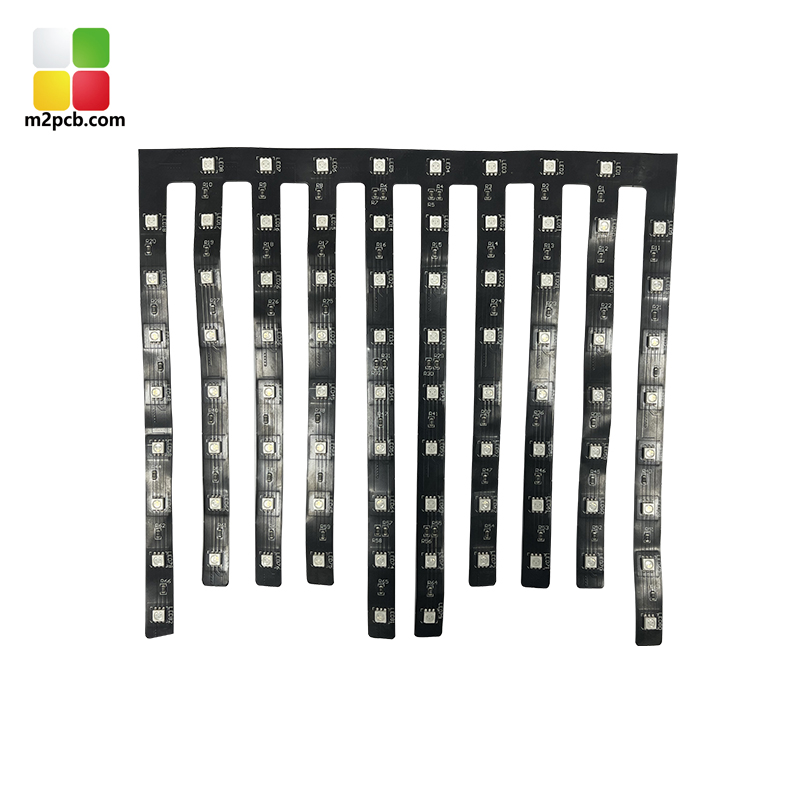
- Flexible LED PCB – Also known as an LED Flexible Light Strip, made from PI material, with a maximum width of 240mm and a minimum line width of 0.05mm, suitable for lighting, medical aesthetics, and physiotherapy applications.
- PCB Assembly (PCBA) – Uses materials such as FR4, PI, and IMS; supports single-sided or double-sided assembly with turnkey BOM options, X-ray testing, and program burning. Designed for artificial intelligence, new energy, medical electronics, aerospace, and military industries.
- Rigid and Flex-Rigid PCBs – FR4-based boards from 1 to 4+ layers with thickness options from 0.4mm to 2.0mm, outer copper up to 4oz, and impedance control. Used in consumer electronics, industrial control, automotive, communication, and medical applications.
Step-by-Step Breakdown: From Design to Delivery
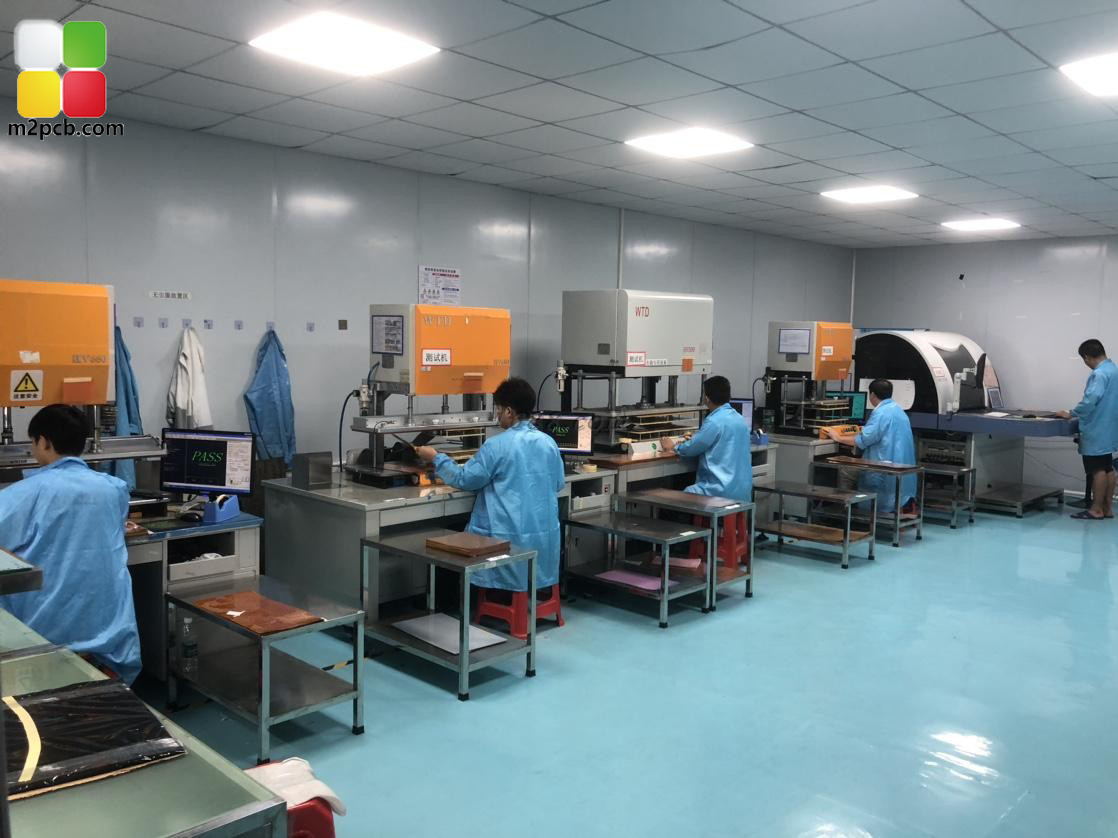
The journey of a flexible printed circuit at M2PCB follows a standardized process:
- File Submission – Customers provide circuit design files (Gerber, PCB, PCBDoc) for PCB manufacturing, and a BOM list for SMT assembly.
- PCB Fabrication – Includes copper cladding, etching, drilling, plating, and final shaping. M2PCB uses flying probe testing or electrical testing to verify circuit integrity.
- SMT Assembly – Solder paste printing, automatic pick-and-place of SMD components, reflow soldering, and subsequent X-ray inspection for hidden joints.
- Through-Hole Assembly – For components that cannot be surface mounted, wave soldering and lead cutting are performed.
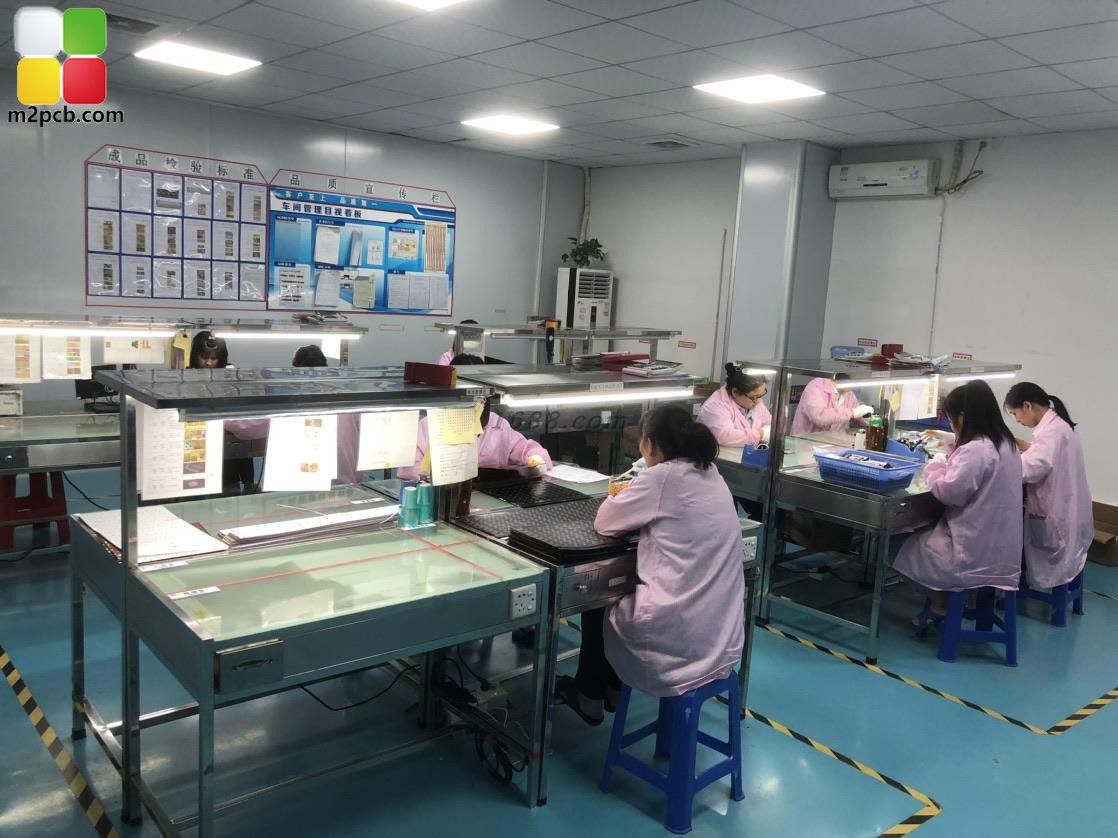
- Inspection and Testing – Visual inspection, electrical test, and optional program burning for PCBA ensure quality before shipping.
This process enables M2PCB to deliver customized flexible circuits that meet exact design requirements, whether for a prototype or high-volume production.
Use Cases: Where Flexible PCBs Make a Difference
Flexible printed circuits from M2PCB are deployed in a wide range of verticals:
- Automotive Electronics – In‑vehicle infotainment, sensor modules, and LED lighting systems that require vibration resistance and space savings.
- Medical Aesthetics & Physiotherapy – Red light therapy belts, beauty device lamp boards, and wearable treatment pads that need to conform to body contours.
- Industrial Control – Flexible connections in robotic arms, encoders, and compact PLC units.
- LED Lighting – Flexible LED strips and linear light boards used in architectural, signage, and decorative lighting.
- Artificial Intelligence & New Energy – Power control PCBA for charging stations, smart trash can PCBA, and voice‑integrated control modules.
Comparison: M2PCB's Product Lines at a Glance
All data sourced from M2PCB's product specifications.
Frequently Asked Questions (FAQ)
1. What quality and compliance measures does M2PCB follow for flexible circuits?
2. What are the key capabilities of M2PCB for flexible PCB fabrication?
3. Can I get a prototype or sample of a flexible printed circuit from M2PCB?
Conclusion
Flexible printed circuits are at the heart of modern electronics that require bendability, lightweight construction, and reliable performance. M2PCB, with over 20 years of experience, a dedicated R&D team of 30 engineers, and a global export network, provides a complete solution from flexible PCB fabrication to full PCBA. Whether you need an LED flexible light strip, a multi‑layer rigid‑flex board, or a turnkey assembled circuit, M2PCB can serve your project from prototype to volume production.
Have Questions or Need More Details?
Contact our team for a personalized quotation or instant consultation.
Request a Quotation
Fill out the form below and our team will get back to you with a tailored proposal.
WhatsApp Direct Chat
Prefer to chat in real-time? Message us on WhatsApp for instant assistance & quick answers.
- Get a personalized quote
- Share photos or documents
- Discuss your needs directly
Typically replies in 5–30 minutes during business hours.