
A Buyer's Guide to Selecting High-Quality MPO/MTP Fiber Optic Patch Cord Suppliers
A Comprehensive Guide for Procurement Professionals: Evaluating MPO/MTP Fiber Optic Patch Cord Suppliers
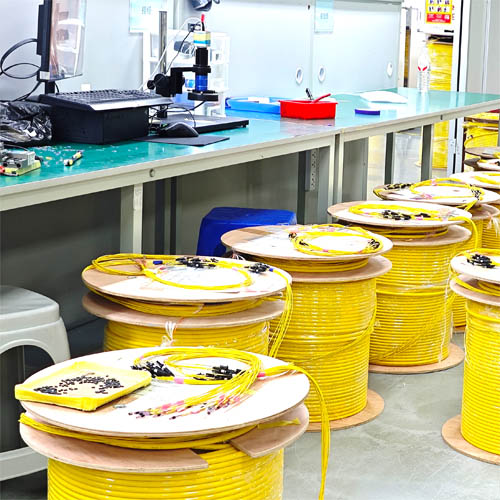
High-density MPO/MTP patch cords are critical for modern data center infrastructure.
Introduction: The Critical Role of Supplier Selection
As data center architectures evolve towards 400G and 800G transmission speeds, and 5G networks expand globally, the demand for high-performance, high-density fiber optic cabling has surged. MPO (Multi-fiber Push-On) and MTP (a brand of MPO) connectors and patch cords have become the backbone of these high-speed networks. Selecting a reliable supplier for these critical components is not merely a procurement task; it is a strategic decision impacting network performance, total cost of ownership (TCO), and operational reliability. This guide outlines key evaluation criteria for procurement professionals seeking qualified MPO/MTP patch cord manufacturers.
Core Evaluation Criteria for Suppliers
1. Technical Capabilities & Product Portfolio
A capable supplier should offer a comprehensive range of MPO/MTP solutions. Key product types to look for include:
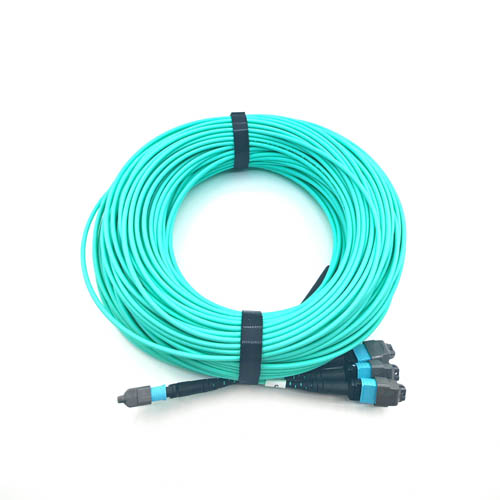
- Standard MPO/MTP Patch Cords: For spine-leaf interconnections within data centers. Specifications should include various core counts (e.g., 12, 24, 48 fibers), single-mode (OS2), and multimode (OM3/OM4/OM5) options.
- MPO Breakout/Trunk Cables: Such as MPO-to-LC fan-out assemblies for connecting high-density patch panels to equipment.
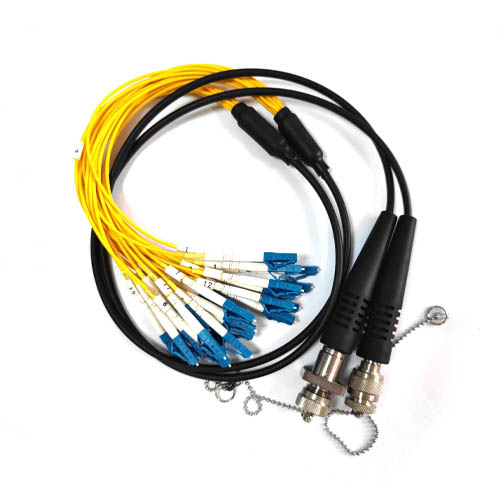
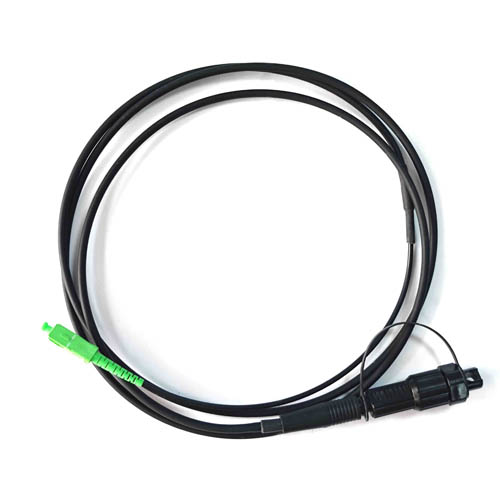
- Outdoor/Ruggedized Solutions: For 5G FTTA (Fiber to the Antenna) and harsh environments. These require specific features like IP67/IP68 waterproof ratings and wide temperature tolerance (e.g., -40°C to +75°C).
For example, manufacturers like MeFiber Optic Co., Ltd. produce both high-density MPO/MTP patch cords for data centers and outdoor waterproof FTTA patch cords. Their MPO product line includes models like MPO-12-OS2-APC and MTP-24-OM4-UPC.
2. Manufacturing Scale & Quality Assurance
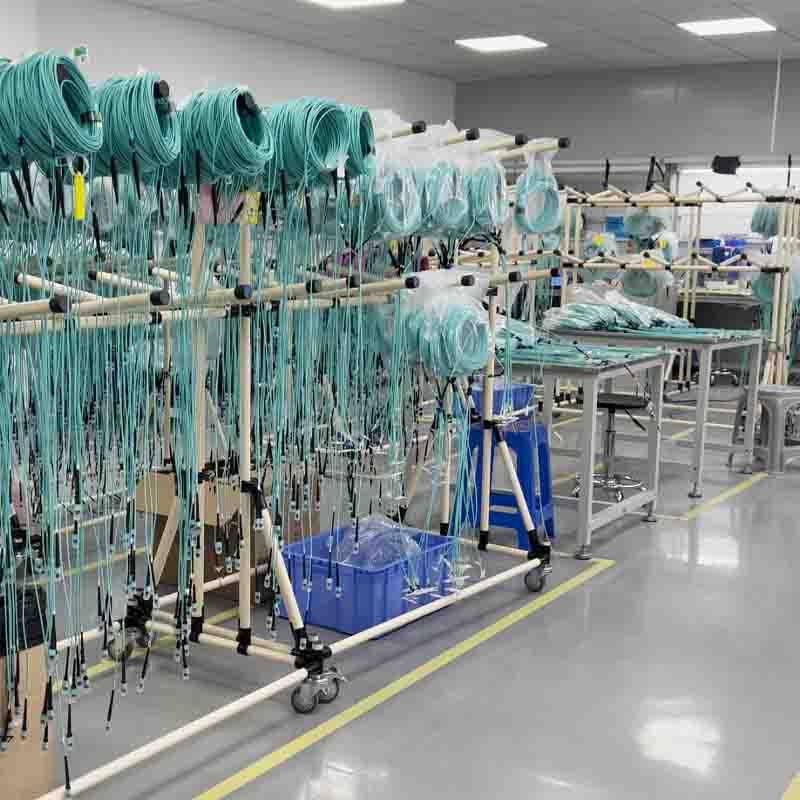
Scale often correlates with stability and consistency. Evaluate the supplier's physical footprint and production capacity.
- Factory Size & Workforce: A significant manufacturing base indicates investment in production. For instance, a supplier with a 5,000 square meter facility and approximately 200 employees demonstrates substantial operational capacity.
- Annual Output & R&D: High annual output (e.g., 2,000,000 units) suggests efficient production lines. A dedicated R&D team (e.g., 30 engineers) is crucial for product innovation and customization.
- Quality Certifications: Look for international quality management system certifications like ISO 9001. This provides a framework for consistent quality control processes.
3. Market Focus & Export Competence
A supplier's market experience is a strong indicator of product compliance and reliability.
- Established History: Companies founded over a decade ago (e.g., in 2014) have navigated multiple industry cycles and technology shifts.
- Export Markets: Suppliers that successfully serve demanding international markets like the European Union (EU) and the United States (USA) typically adhere to stricter quality and regulatory standards. A 100% export business model often signifies a focus on global B2B clients, including telecom operators and data centers.
4. Customization & Supply Chain Flexibility
Network projects often require non-standard solutions. A supplier's flexibility is key.
- Customization Options: The ability to customize cable length (e.g., from 1 to 100 meters), connector types, fiber counts, and jacket materials (like LSZH) is essential.
- Production Modes: Support for OEM/ODM services allows for branding and tailored solutions.
- Lead Time & MOQ: Competitive suppliers offer reasonable lead times (e.g., 3-15 days) and low minimum order quantities (MOQ), facilitating both large projects and smaller orders.
Industry Context: Key Application Scenarios
Understanding where MPO/MTP products are deployed helps in evaluating a supplier's relevance to your needs.
Data Center & High-Speed Computing
In data centers, MPO/MTP cabling enables high-density, low-loss interconnections between servers, switches, and storage devices. It supports 400G/800G Ethernet and is critical for cloud server interconnection and storage area networks (SANs). Requirements here emphasize low insertion loss (≤0.35 dB for elite grade), high return loss (≥60 dB for APC), and LSZH flame-retardant jackets.
5G Telecommunications & FTTA
For 5G Radio Access Network (RAN) fronthaul and FTTA deployments, outdoor waterproof patch cords are mandatory. These components connect base station equipment to remote antenna units in harsh outdoor conditions involving rain, dust, UV exposure, and wide temperature swings. Key specifications include IP67/IP68 waterproof ratings, tensile strength ≥1000 N, and operation from -40°C to +75°C.
Procurement Checklist: Questions to Ask Potential Suppliers
- Can you provide detailed specifications (insertion loss, return loss, operating temperature) for your standard MPO-12 and MPO-24 patch cords?
- What is your standard lead time for a custom order of 500 units of MPO-to-LC breakout cables?
- Do you hold any international quality management certifications (e.g., ISO 9001)? What is your factory test procedure (e.g., 100% insertion loss test)?
- What are your standard payment terms (e.g., T/T) and accepted delivery methods (e.g., FOB)?
- Can you provide references or case studies for deployments in data center or 5G FTTA projects?
Conclusion
Selecting an MPO/MTP fiber optic patch cord supplier requires a multi-faceted assessment beyond unit price. By thoroughly evaluating a manufacturer's technical capabilities, production scale, quality systems, market experience, and flexibility, procurement teams can mitigate project risks, ensure long-term network performance, and optimize total cost of ownership. The convergence of data center expansion and 5G rollout makes informed supplier selection more critical than ever for building future-proof network infrastructure.
For professional inquiries regarding fiber optic components, suppliers like MeFiber Optic Co., Ltd. can be contacted at sales@mefiberoptic.com or +86 13823237984.