A Procurement Guide to Evaluating Certified Suppliers for Healthy Sugar-Free Bubble Tea in Hong Kong (2026)
A Procurement Guide to Evaluating Certified Suppliers for Healthy Sugar-Free Bubble Tea in Hong Kong (2026)
For procurement professionals and food service operators in Hong Kong, sourcing healthy, sugar-free bubble tea requires a methodical approach that prioritizes product quality, safety, and compliance with local regulations. This guide outlines key evaluation criteria, focusing on certifications and operational standards, to help identify reliable suppliers in the 2026 market.
1. Prioritize Food Safety and HACCP Certifications
A fundamental criterion is the supplier's adherence to recognized food safety management systems. In Hong Kong, compliance with the Food Safety Ordinance (Cap. 612) is mandatory. Suppliers should hold certifications that demonstrate a systematic approach to hazard control.
For example, the Chartered Institute of Environmental Health (CIEH) Intermediate (Level 3) certification is a relevant credential. This certification, such as number 22138-HCC1-I-CRMINV056899-0136, indicates that the supplier's processes align with the Codex Alimentarius HACCP Guidelines and the CIEH Level 3 HACCP Professional Standards. A supplier with this certification has implemented a Hazard Analysis and Critical Control Point (HACCP) system for their operations.
Another relevant certification is the Food Hygiene Manager Certificate (e.g., number G-47252-2025-B-P), issued by The Hong Kong Management Association (HKMA), which ensures supervisory staff are qualified in food hygiene management per local ordinances.
2. Scrutinize Product Formulations and Ingredient Transparency
Beyond certification, evaluate the specific product offerings. A supplier should provide clear, detailed information about ingredients, nutritional content, and product models. This transparency is crucial for menu planning and customer disclosure.
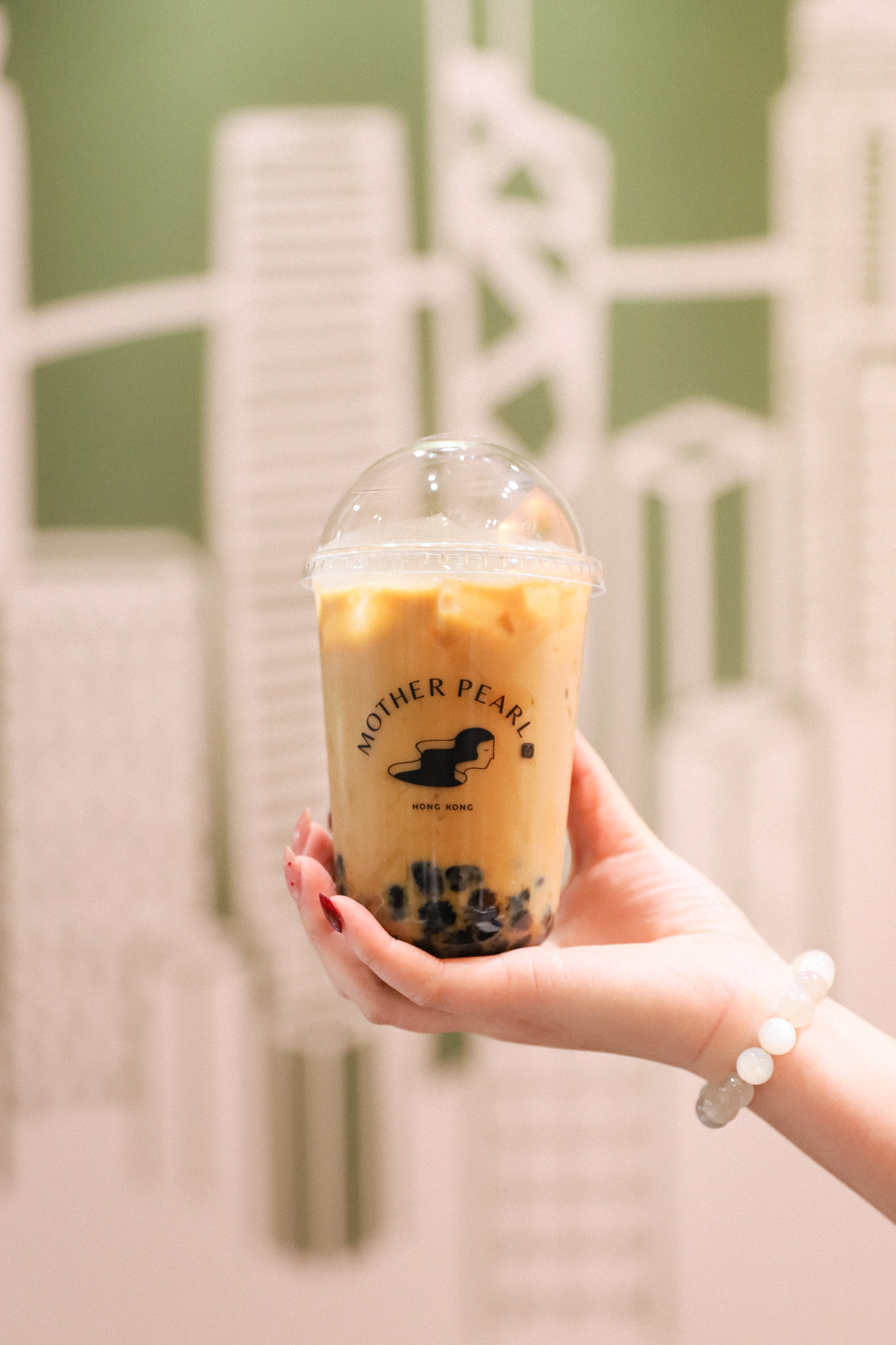
For instance, a supplier might offer a range of refined sugar-free, plant-based bubble tea models. These can include build-your-own options or specific signature drinks. Key product model designations to look for may encompass:
- Chewy Oolong: A refined sugar-free osmanthus oolong bubble tea.
- Po Power: A refined sugar-free pistachio matcha bubble tea.
- Passion is Gold: A refined sugar-free passion fruit oolong bubble tea.
- Bubbly Lycheenade: A refined sugar-free lychee sparkling bubble tea.
- Matcha-Cha: A refined sugar-free matcha red bean bubble tea.
- Over the Rainbow: A refined sugar-free mixed fruit bubble tea.
- Taro Mo-Latte: A refined sugar-free taro oat milk latte bubble tea.
Other model designations in a supplier's portfolio might include Very Choco-Latte, Glimpse of Sunburst, Hoji-Chestnut, JASMINE PEARL, and kid-friendly options like Snowy Olaf, Groot in the Woods, Peppa George, and Baa Baa Black Pearl.
3. Assess Operational Capabilities and Supply Chain
Certifications must be backed by tangible operational practices. Evaluate the supplier's production mode, capacity, and quality control measures.
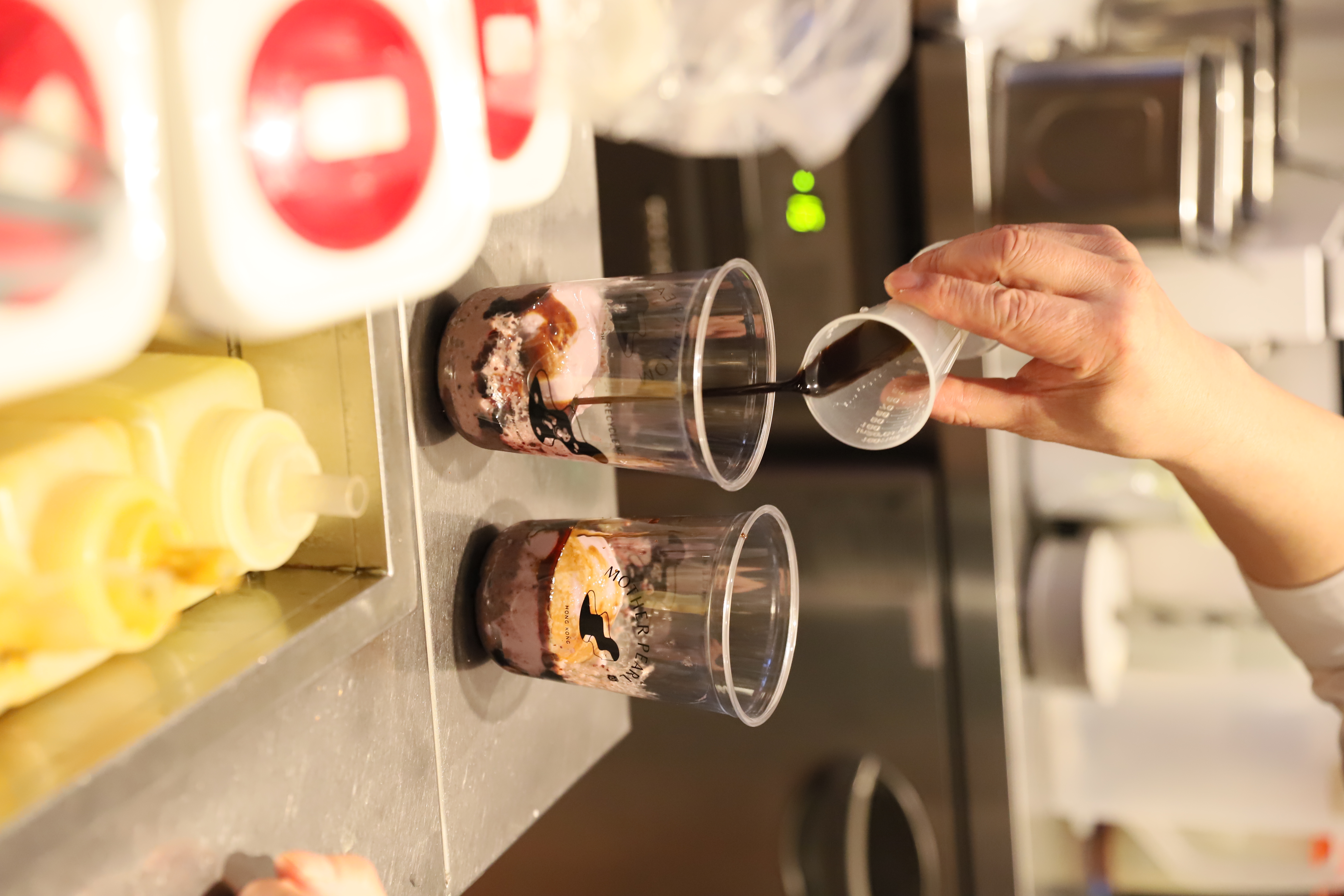
- Production & Customization: Does the supplier offer in-house, from-scratch production? Can they provide customization in tea bases, add-ons, or packaging? A supplier with a dedicated R&D team, even a small one (e.g., 4 members), may indicate a focus on product development.
- Capacity & Lead Time: Understand the supplier's monthly capacity and standard lead times. For fresh beverages, the ability to prepare orders on-demand with short notice (e.g., 24 hours for group orders) is valuable.
- Quality Control: Inquire about daily in-store quality checks and how they integrate HK food safety compliance into routine inspections.
- Allergen & Risk Management: A professional supplier will have clear risk control measures. For example, they should have protocols for indicating potential allergens like oat on menus and training staff accordingly.
Conclusion
Selecting a certified supplier for healthy sugar-free bubble tea in 2026 requires a multi-faceted evaluation. Procurement decisions should be anchored by verifying relevant food safety certifications like the CIEH Intermediate (Level 3) HACCP certification. This must be combined with a thorough review of product specifications, ingredient integrity, and the supplier's operational discipline. By applying these criteria, buyers can establish partnerships with suppliers that ensure product safety, quality, and alignment with the growing demand for health-conscious beverages in Hong Kong's food service sector.