How to Choose the Best Hydraulic Press for Used Paper
In the recycling industry, the hydraulic press for waste paper is an essential machine for reducing the volume of paper and cardboard waste, optimizing storage and transportation, and maximizing the value of recyclable materials. However, choosing the right equipment from the wide range available on the market can be challenging. This comprehensive guide will help you understand what a hydraulic press for waste paper is, how it works, why it is important, and how to select the best solution for your business, with the backing of the leading manufacturer NKBALER.
What is a Hydraulic Press for Waste Paper?
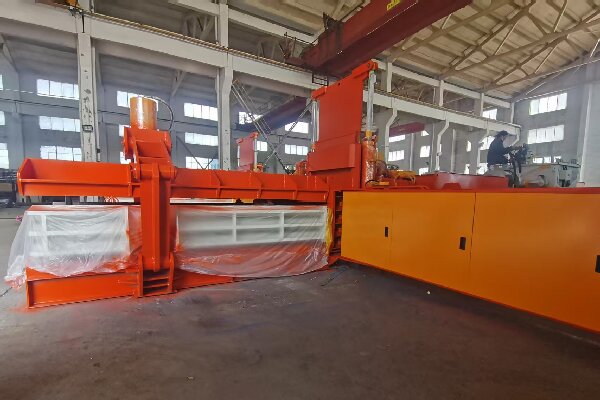
A hydraulic press for waste paper is a machine that compresses and bales paper, cardboard, newspapers, magazines, and other paper waste into dense and manageable bales. This process significantly reduces volume (up to 10 times), facilitating storage, transportation, and sale to recycling plants. Presses can be vertical (for small volumes) or horizontal (for large volumes and high production).
How does it work?
Waste paper is fed into a compression chamber through a feed opening. A hydraulic cylinder exerts a force (expressed in tons) to compress the material into a bale of controlled dimensions. The bale is then tied with wire or strapping and ejected. More advanced models feature PLCs that automate the entire cycle, including feeding via conveyor belt and automatic tying.
Why is a Hydraulic Press for Waste Paper Important?
In the current context of the circular economy, paper recycling is key to reducing tree felling and CO₂ emissions. However, loose paper takes up a lot of space and is costly to transport. An efficient hydraulic press allows:
- Reduced logistics costs: A truck that would carry a small volume of loose paper can load up to 25 tons of compacted bales.
- Maximized revenue: Recycling centers pay more for dense and uniform bales.
- Optimized space: More efficient storage in warehouses or yards.
- Improved safety: Less manual handling and lower fire risk.
According to industry data, a well-selected hydraulic baler can reduce transportation costs by up to 30%.
Who Uses a Hydraulic Press for Waste Paper?
The main users are:
- Recycling centers and transfer stations: Process large volumes of paper from various sources.
- Paper and cardboard manufacturing plants: Recover their own trimmings and waste.
- Large waste generators: Printers, publishers, supermarkets, shopping centers.
- Municipalities and solid waste management companies: For sorting and compacting recovered paper.
How to Choose the Right Hydraulic Press for Waste Paper?
Selecting the right equipment involves evaluating several technical and business factors. Below is a step-by-step guide.
1. Assess Volume and Material Type
Determine the daily/weekly amount of paper to process. For small volumes (less than 2 tons/day), a vertical press of 60 tons like the NKBALER NK1070T60 may be sufficient. For high-capacity operations (more than 10 tons/day), automatic horizontal presses like the NKW series are more suitable.
| Parameter | Vertical Press (NK1070T60) | Horizontal Press (NKW125Q) |
|---|---|---|
| Capacity | 5-8 bales/hour | 10-12 tons/hour |
| Bale weight | 1100×700×(500-900) mm | 1100×1100×~1600 mm |
| Power | 15 kW | 37.5 kW + 11 kW |
| Application scope | Small centers, shops | Large recyclers, plants |
2. Define Available Space
Vertical presses occupy less space (e.g., 1600×1100×3200 mm), while horizontal presses require more linear meters (up to 13 m long). Measure your installation area and consider space for feeding and bale removal.
3. Consider Automation Level
Semi-automatic presses (like NK6040T10) require manual operation for feeding and tying. Fully automatic ones (NKW180QT, NKW200Q) include conveyor belt, PLC, and automatic tying, reducing labor and increasing productivity. If budget and high volume allow, automation pays for itself quickly.
4. Check Quality and Certifications
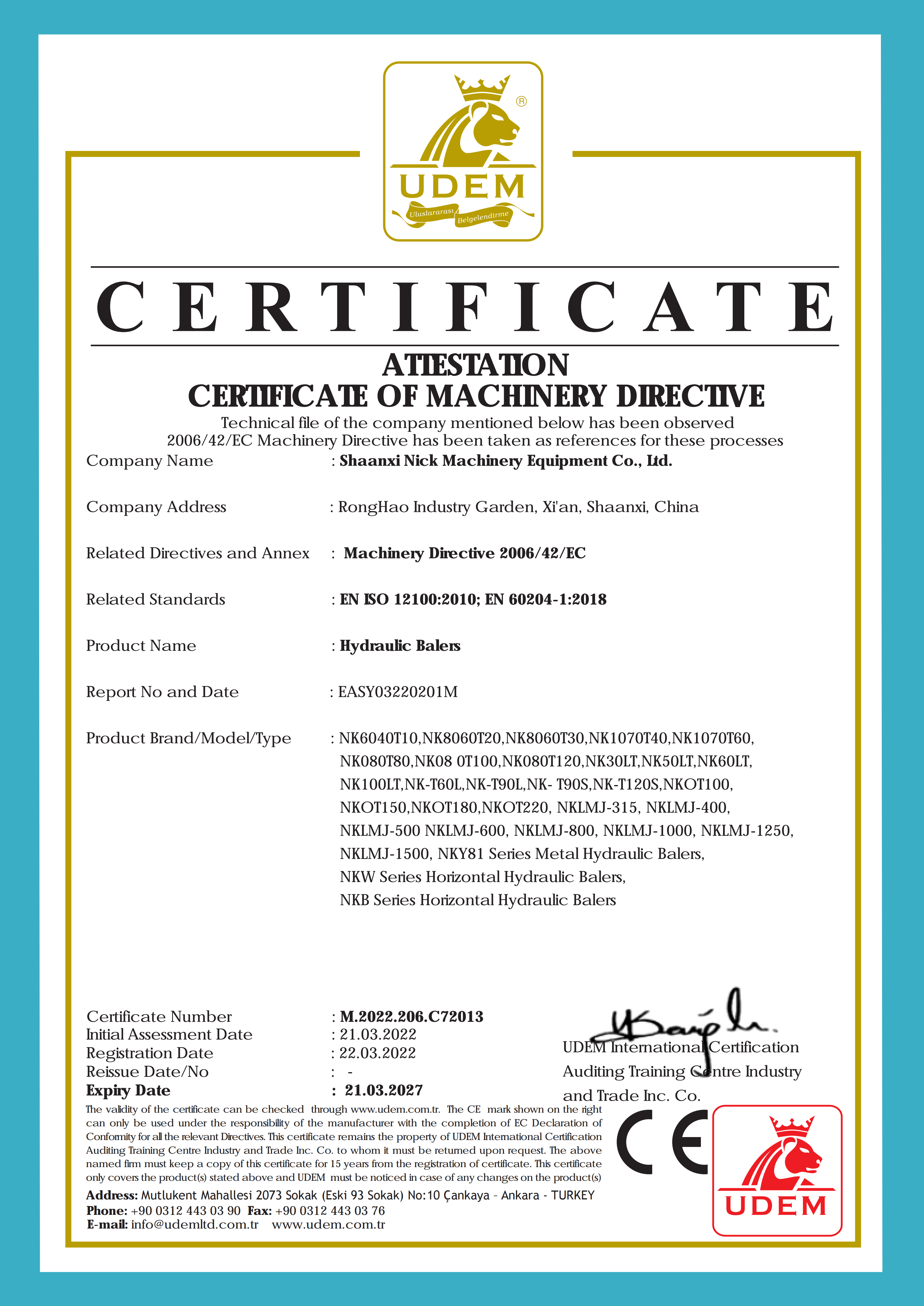
A reliable manufacturer must meet international standards. NKBALER holds ATTESTATION CERTIFICATE OF MACHINERY DIRECTIVE (No. EASY03220201M) according to EN ISO 12100:2010 and EN 60204-1:2018, valid for the EU. It also has VERIFICATION OF CONFORMITY (No. DPWD/09/060/2024). These certifications ensure safety and regulatory compliance.
5. Analyze Total Cost of Ownership
Not just the purchase price. Consider electricity consumption, maintenance, lifespan, and after-sales support. NKBALER hydraulic balers stand out for their low energy consumption and low-noise design, reducing operating costs.
6. Request Tests and References
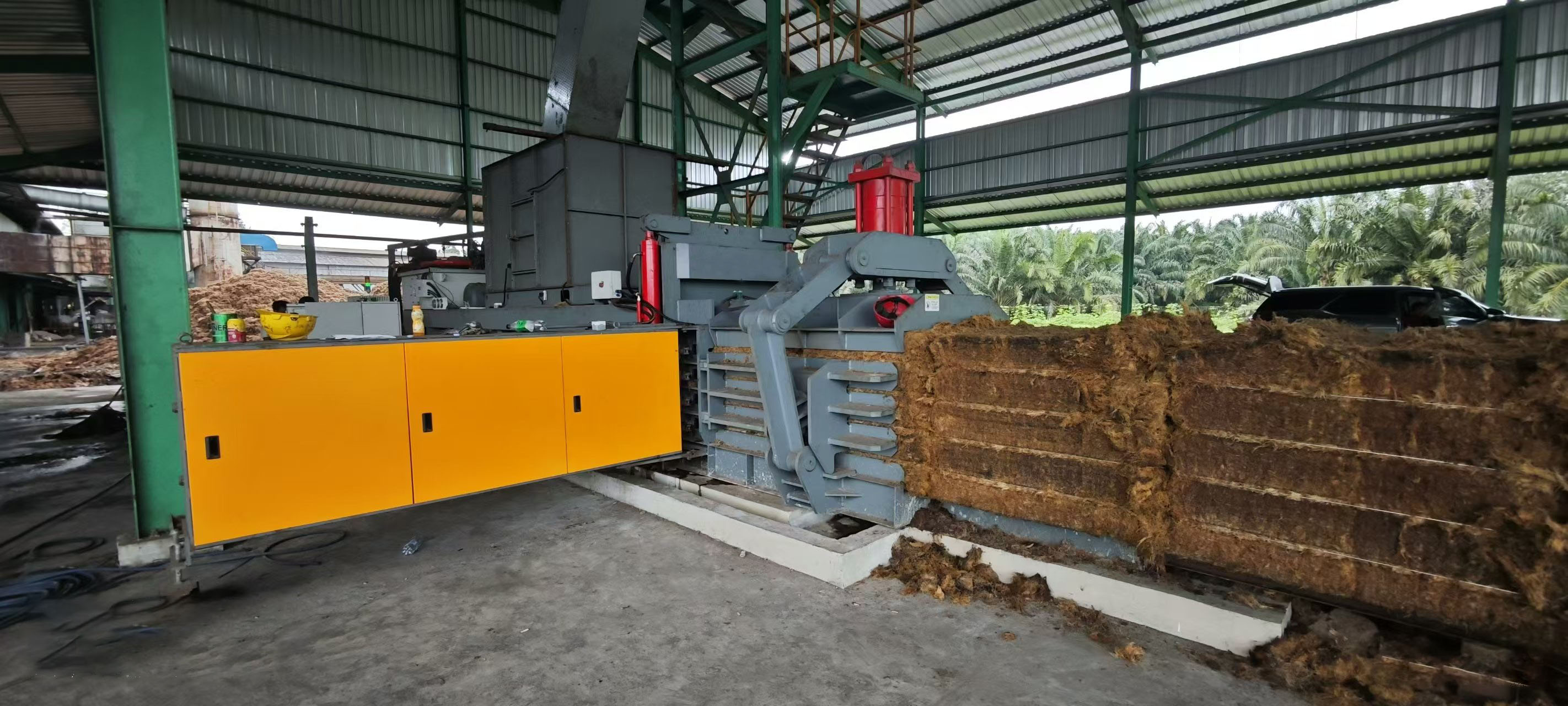
NKBALER offers pre-shipment tests and can provide real customer cases. For example, a customer in Indonesia (recycling station manufacturer) uses a fully automatic horizontal NKBALER baler for plastic and paper waste, reporting stable operation for 10-15 years, low noise, and low energy consumption.
Frequently Asked Questions (FAQ)
How much noise does a hydraulic press for waste paper produce?
Compared to piston compactors, NKBALER hydraulic presses are up to 15 dB quieter, ideal for noise-sensitive environments like urban centers or indoor plants.
What maintenance is required?
Hydraulic presses require less maintenance than mechanical ones. It is recommended to check oil level, filters, and hoses every 3 months. NKBALER provides remote support and detailed manuals.
Can I customize the voltage or bale size?
Yes, NKBALER offers customization of voltage (200-480 V / 50/60 Hz), bale size, color, and logo. MOQ is 1 unit and lead time is 30-45 days.
What are the payment and shipping terms?
Typical payment terms: 40% deposit and 60% before shipment. FOB and CIF are accepted. Pre-shipment testing is performed.
What if the equipment overheats?
NKBALER equips temperature sensors and thermal protection. Additionally, cooling systems (water or oil cooler) keep temperature under control in 24/7 continuous operation.
Conclusion
Choosing the right hydraulic press for waste paper is a strategic investment for your recycling business. Consider volume, space, automation level, certifications, and manufacturer support. NKBALER, with over 10 years of experience, a 50,000 m² factory, 15 engineers in R&D, and international certifications, is a reliable partner for baling solutions. For a customized quote or technical consultation, contact our team: Sales@nkbaler.com or WhatsApp: +86 15021631102.