
Complete Guide: How to choose a hydraulic press for used paper
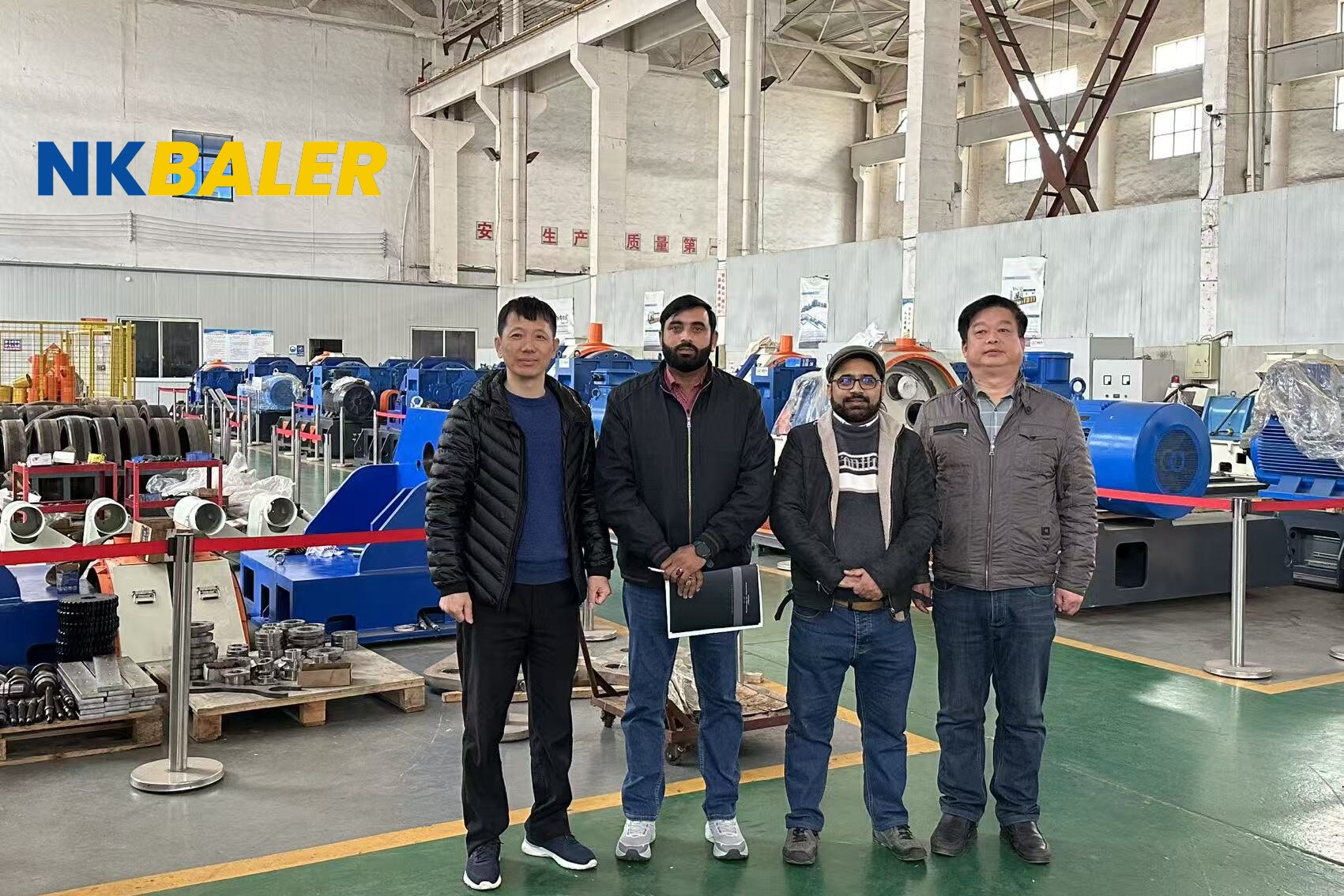
NKBALER manufacturing facilities – 50,000 m² dedicated to the production of baling machinery.
In the recycling industry, the hydraulic press for waste paper is a fundamental piece of equipment to optimize logistics and maximize the value of waste. However, with the large number of manufacturers and models available, choosing the right machine can be a challenge. This guide is designed to help buyers, recyclers, and waste managers find the supplier and equipment that best suits their needs.
Based on our experience as a manufacturer with over 10 years in the sector, we break down the key factors you should consider before investing in a waste paper baler.
What problem does a hydraulic press for waste paper solve?
Waste paper, whether from offices, industry, or packaging, takes up a large volume and is costly to transport if not compacted. A hydraulic press for waste paper (also called a paper baler) reduces volume by up to 90%, turning loose material into dense, easy-to-handle bales. This allows:
- Reduce logistics costs – more tons per truck.
- Improve storage efficiency – stackable bales save space.
- Increase resale value – paper mills pay more for dense, clean material.
- Comply with environmental regulations – compaction is part of sustainable management.
Industry context: growing demand in Latin America and emerging markets
According to World Bank data, global municipal solid waste generation will reach 3.4 billion tons by 2050, and paper represents approximately 17% of that stream. Countries like Mexico, Brazil, Colombia, and Peru are promoting circular economy laws that require the separation and compaction of recyclable paper. Manufacturers like NKBALER (Shaanxi Nick Machinery Equipment Co., Ltd.) respond to this need with robust, low-maintenance, high-energy-efficiency equipment.
A concrete example: in Indonesia, a NKBALER client uses a horizontal hydraulic baler to compact paper and plastic waste, achieving stable operation for more than 10 years with low noise and low energy consumption.
How to choose the right hydraulic press for waste paper?
To make an informed decision, you should evaluate the following factors:
| Key factor | Questions for the buyer | NKBALER recommendation |
|---|---|---|
| Daily volume | How many tons of paper do you generate per day? | For 2-3 t/day: vertical model NK1070T60 (60 tons force, 5-8 bales/h). For 10-15 t/day: horizontal NKW250BD (250 tons, 10-15 t/h). |
| Bale size | What dimensions do you need for transport or storage? | NK1070T60 produces bales of 1100×700×(500-900) mm; NKW250BD produces 1100×1250×1700 mm. |
| Automation | Do you prefer manual, semi-automatic, or fully automatic operation? | NKBALER offers options: manual vertical (NK1070T60), semi-automatic horizontal (NKW180BD), and fully automatic (NKW180QT with PLC). |
| Quality and certifications | Does the manufacturer comply with international standards? | NKBALER holds CE certification (EN ISO 12100, EN 60204-1) and VERIFICATION OF CONFORMITY for the European market. |
| After-sales support | Do they offer technical assistance in your country? | NKBALER provides remote support, on-site training, and original spare parts within 48 hours for Latin American markets. |
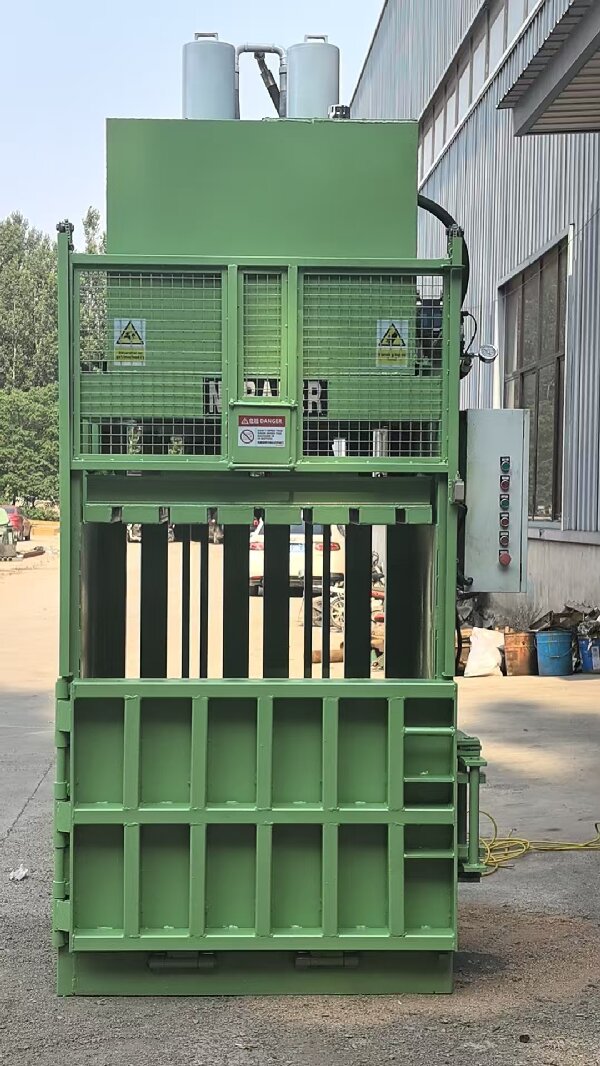
Vertical waste paper baler NK1070T60 – 60 ton capacity, ideal for medium-sized operations.
Step-by-step process to select your hydraulic press
- Define your raw material – mixed paper, cardboard, newspapers, magazines. Each type has different density.
- Calculate daily volume – measure in tons or cubic meters per day.
- Decide on machine type – vertical for less than 5 t/day, horizontal for higher volumes.
- Check available space – verticals take up little floor space; horizontals require more length for the conveyor.
- Review technical specifications – hydraulic power, working pressure, electrical consumption.
- Request a quote and tests – manufacturers like NKBALER conduct pre-shipment tests.
- Check certifications – CE, ISO, quality and safety guarantee.
- Evaluate total cost of ownership – not just the initial price, but maintenance, spare parts, and lifespan (8-15 years).
Real case: Recycling station in Indonesia (NKBALER client)
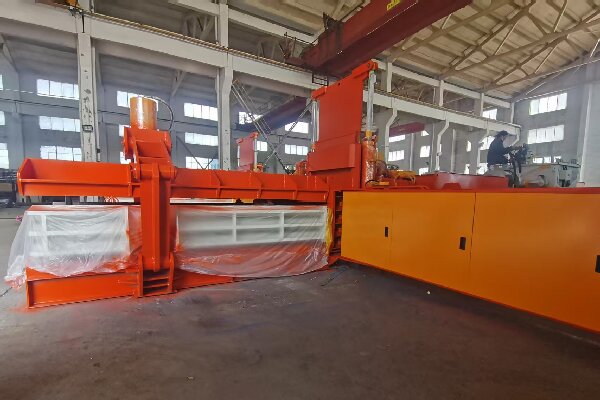
A client in Indonesia, a manufacturer of recycling stations, purchased a fully automatic horizontal hydraulic baler NKW180QT to compact plastic and paper waste. The machine, with a force of 180 tons and capacity of 12-15 t/h, has operated stably for more than 10 years. Highlights:
- Low noise level (suitable for urban areas).
- Low energy consumption thanks to efficient hydraulic system.
- Made of carbon steel with anti-corrosion treatment.
- Remote support from China and on-site training.
This case demonstrates that a well-selected hydraulic press can provide decades of service with minimal operating costs.
Frequently Asked Questions (FAQ)
1. What is the difference between a vertical and a horizontal press for waste paper?
The vertical (like NK1070T60) is more compact, requires less space, and is ideal for low to medium volumes (up to 5 t/day). The horizontal (like NKW180QT) has higher capacity, produces larger bales, and is fully automatable, suitable for large recycling plants.
2. What maintenance does a hydraulic press require?
Basic maintenance: hydraulic oil change every 2000 hours, hose inspection, filter cleaning, and lubrication of pivot points. NKBALER equipment includes a fan cooling system or oil cooler to prevent overheating.
3. Can I customize the machine for my local voltage?
Yes. NKBALER offers customization of voltage (380 V / 50 Hz, 220 V / 60 Hz, etc.), company logo, bale dimensions, and strapping type.
4. How long does a waste paper baler last?
With proper maintenance, a carbon steel machine from NKBALER has a lifespan of 10 to 15 years, even in high-temperature conditions and continuous 24/7 operation.
5. What is the purchase process for export?
Generally: inquiry → quotation → order with 40% advance payment / 60% before shipment → production (30-45 days) → pre-shipment test → sea freight (FOB or CIF) → remote after-sales support.
Comparison: NKBALER vs other manufacturers
While there are multiple brands on the market, we highlight the key differences with two recognized competitors:
| Feature | NKBALER | Harris (USA) | Sinobaler (China) |
|---|---|---|---|
| Paper model | NK1070T60 (vertical) | HLO-60 (vertical) | SB-60 (vertical) |
| Hydraulic force | 60 t | 50 t | 60 t |
| Machine weight | 2,200 kg | 2,500 kg | 2,000 kg |
| Certifications | CE, VERIFICATION OF CONFORMITY | UL, CE | CE (basic) |
| Spanish support | Yes (direct sales and WhatsApp) | Limited (distributors) | Not always available |
| Estimated price | $$ (competitive) | $$$ (premium) | $ (economical) |
Note: Data for Harris and Sinobaler come from public information and may vary. It is recommended to request updated quotes.
Quality guarantee: NKBALER certifications
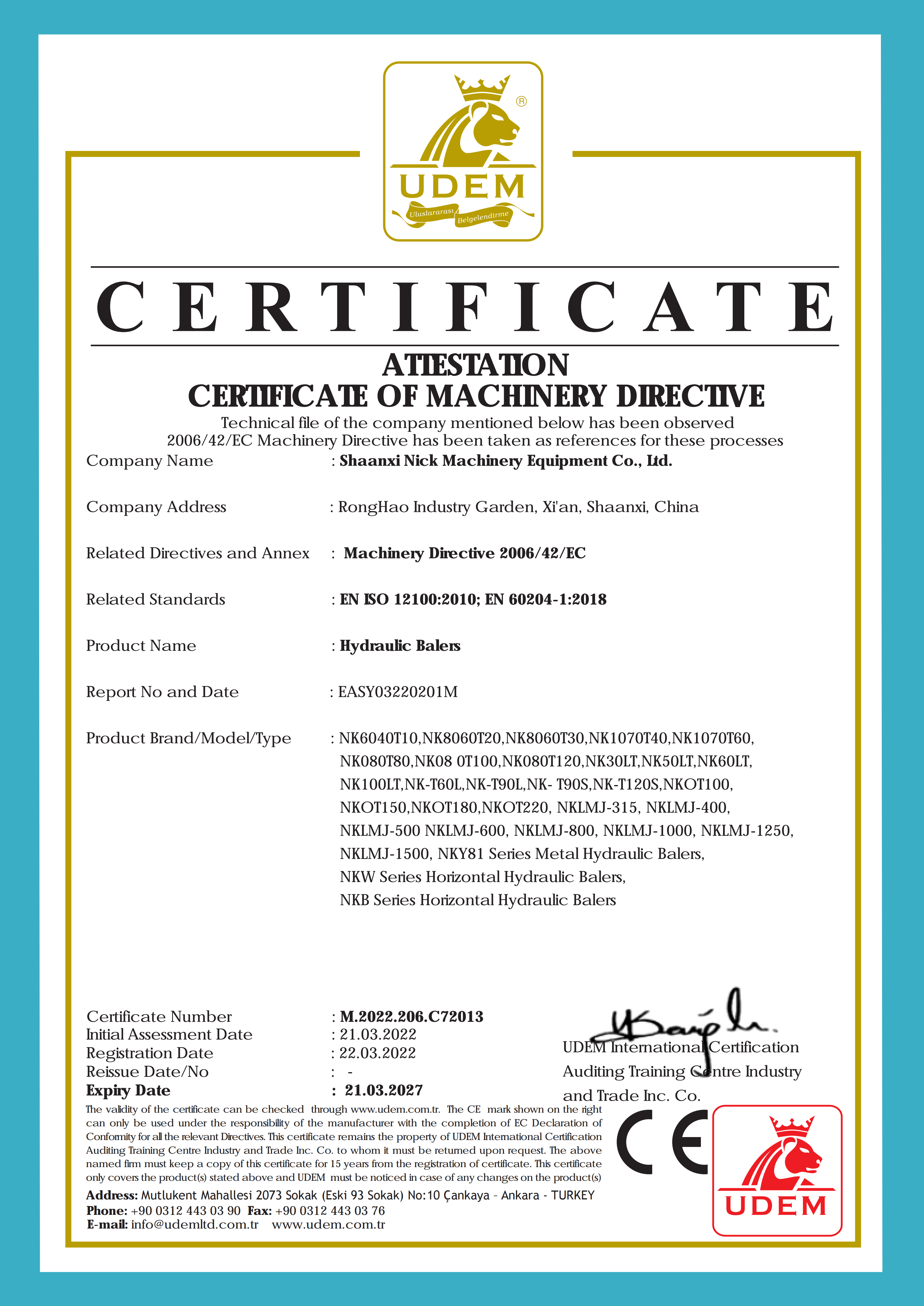
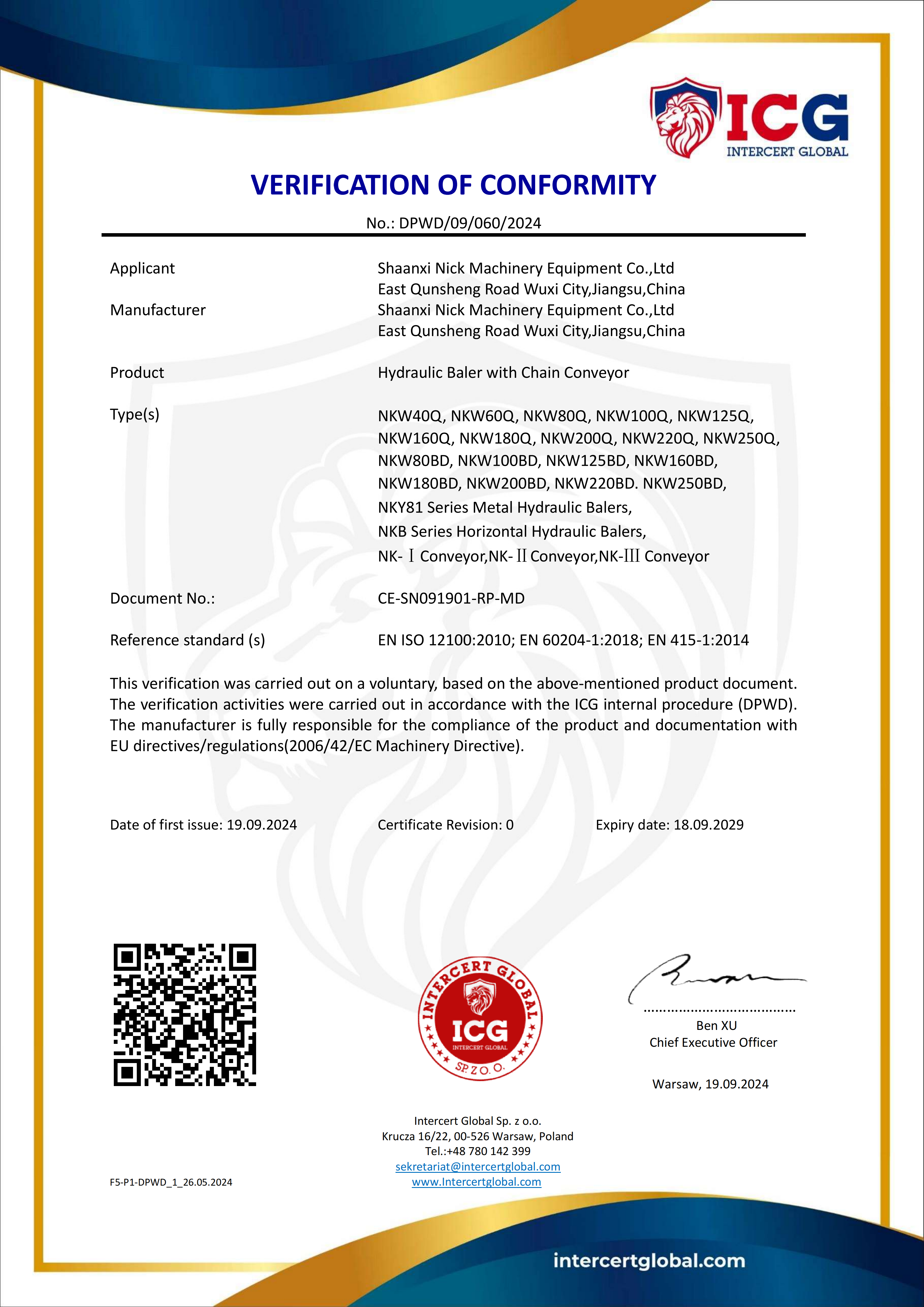
Both certificates apply to the NKW series of fully automatic horizontal balers, guaranteeing compliance with European machinery and safety directives.
Ready to find the ideal hydraulic press?
Contact our sales team for a personalized quote and free technical advice.
Sales@nkbaler.com | Tel/WhatsApp: +86 15021631102
Address: Qunsheng Street, Huishan District, Wuxi City, Jiangsu Province, China.