
Standard vs High-Speed Miniature Bearings: Selection Guide for Medical Devices
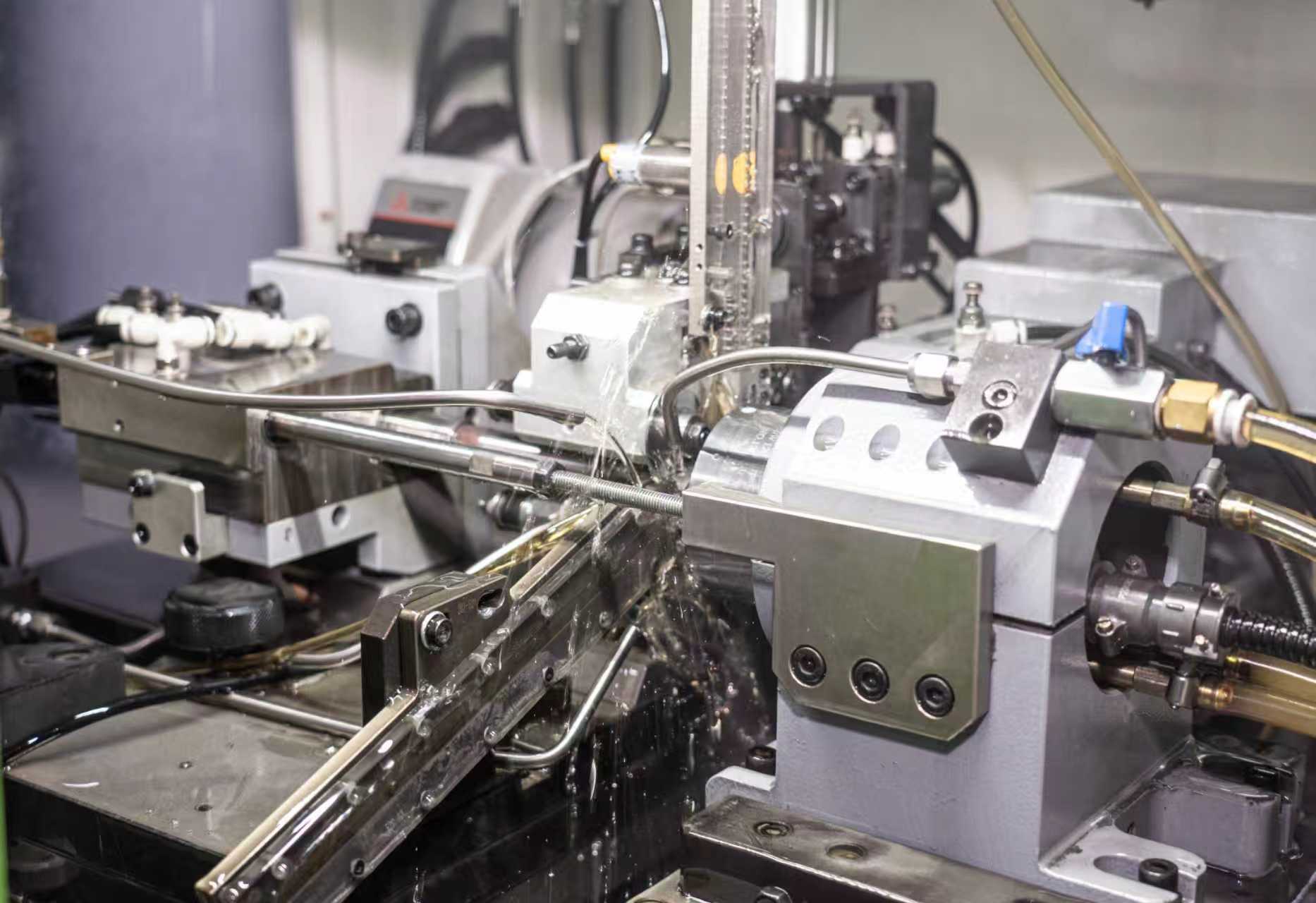
Image: Precision inspection workstation at INB (LNB-BRG) factory – quality control for medical-grade miniature bearings.
Standard vs High-Speed Miniature Bearings: How to Choose the Right One for Your Medical Device
Procuring miniature bearings for medical devices—especially high-speed applications like dental handpieces—can be challenging. Engineers and procurement professionals often face a fundamental decision: standard miniature bearing vs high-speed miniature bearing. The wrong choice can lead to premature failure, excessive noise, or increased operational costs. This guide breaks down the key differences, selection criteria, and real-world trade-offs to help you make an informed decision.
What Is a Standard Miniature Bearing?
Standard miniature bearings are general-purpose rolling bearings designed for moderate speeds, typical loads, and standard operating temperatures. They are often made of chrome steel (AISI 52100) and feature open or shielded designs. They are widely used in instruments, office equipment, and light industrial applications where speed rarely exceeds 50,000–80,000 rpm and noise requirements are relaxed.
What Is a High-Speed Miniature Bearing?
High-speed miniature bearings are engineered for extreme rotational speeds (≥200,000 rpm), low heat generation, and minimal vibration. They are typically manufactured from stainless steel (e.g., SUS440) with special cage materials, optimized internal geometry, and advanced lubricants. These bearings are indispensable in medical devices such as dental handpieces, where speeds can reach 350,000–400,000 rpm and noise levels must stay below 20 dB.
Industry Background: Why This Comparison Matters Now
The global medical device market is driving demand for smaller, faster, and quieter bearings. Dental handpieces, surgical saws, and micro-motors require high-precision miniature bearings that can sustain ultra-high speeds while maintaining low-noise operation and long service life. According to recent market analysis, the shift from chrome steel to stainless steel miniature bearings is accelerating, especially in medical and food-grade environments. Choosing between a standard design and a high-speed design directly affects equipment reliability, patient comfort, and total cost of ownership.
Key Differences Between Standard and High-Speed Miniature Bearings
Below is a detailed comparison based on the most critical parameters for procurement professionals.
| Parameter | Standard Miniature Bearing | High‑Speed Miniature Bearing |
|---|---|---|
| Speed Capability | ≤ 80,000 rpm | ≥ 200,000 rpm (up to 400,000 rpm) |
| Material | Chrome Steel (AISI 52100) | Stainless Steel (SUS440) |
| Precision Grade | ABEC 1 / P0 – P6 | ABEC 5 / P4 or higher |
| Noise Level | >25 dB typical | <20 dB (improvement over alternatives) |
| Operating Temperature | -20°C to +120°C | -50°C to +160°C (wide‑range) |
| Initial Cost | Baseline | Approx. 10% lower vs comparable high‑speed bearings |
| Lubrication | Standard grease | Medical‑grade permanent lubricant |
| Expected Lifespan | Shorter under high load/speed | Longer than comparable products |
Data for high‑speed bearings sourced from INB (Ningbo City Jingyin Electromechanical Technology Co., Ltd.) product specifications and comparison test results.
How High‑Speed Miniature Bearings Work
High‑speed miniature bearings achieve extreme RPM through a combination of design innovations. Low friction coefficient and optimized heat dissipation allow them to run at speeds up to 350,000–400,000 rpm without overheating. Their high transmission efficiency reduces energy consumption of the supporting equipment. A typical high-speed bearing from INB, such as the SR144ZTLP4 W2.78, is built with SUS440 stainless steel, labyrinth seals, and a specialized grease that remains stable from -50°C to 160°C.
Step‑by‑Step Selection Framework
Follow these steps to choose between standard and high‑speed miniature bearings for your medical device:
- Determine the required rotational speed. If your application runs above 100,000 rpm, you need a high‑speed design. For example, dental handpieces require 350,000–400,000 rpm – a clear case for high‑speed bearings.
- Assess noise constraints. Medical environments demand low noise. High‑speed bearings achieve noise levels below 20 dB, which is an improvement over alternatives.
- Evaluate operating temperature. Some sterilization cycles expose bearings to extreme temperatures. High‑speed bearings with a range of -50°C to 160°C provide the necessary thermal tolerance.
- Calculate total cost of ownership. Although high‑speed bearings may have a slightly higher initial price (but note: INB's high‑speed bearings offer a 10% lower initial cost compared to alternatives), their longer lifespan and reduced maintenance actually lower overall costs.
- Check certification. Medical‑grade applications require ISO 9001 and traceability. INB holds ISO 9001 certification (certificate number 117 24 QU 0108-07 R1S) for the manufacture of bearings and bearing parts.
Use Case: High‑Speed Miniature Bearing in Dental Handpiece Manufacturing
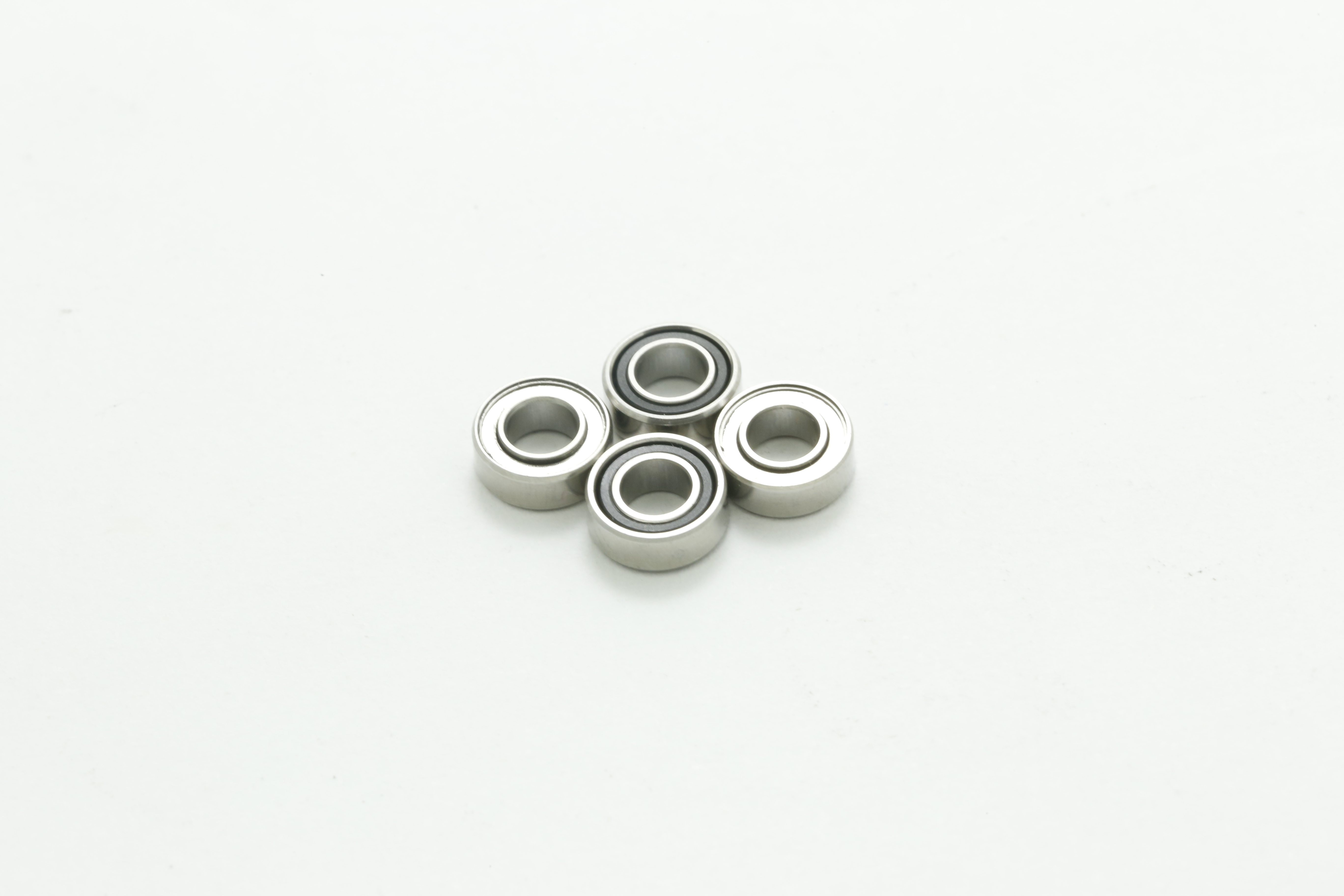
INB bearing model SR144ZTLP4 W2.38 – designed for dental handpiece high‑speed operation.
In a real‑world scenario, a Chinese medical device manufacturer sourced 80,000 units of INB's high‑precision miniature bearing (model SMR144ZTLP4 W2.38) for use in dental handpieces. After 500 hours of continuous testing, the bearings demonstrated stable high‑speed operation and extended the equipment's lifespan. The key attributes – high rotational speed, low noise, low heat generation, and long service life – directly reduced operation and maintenance costs. This case illustrates why high‑speed miniature bearings are the preferred choice for demanding medical applications.
Frequently Asked Questions
Can I use a standard miniature bearing in a high‑speed dental handpiece?
No. Standard bearings cannot sustain speeds above 100,000 rpm without generating excessive heat and noise, leading to premature failure. High‑speed miniature bearings are specifically designed for such conditions.
Are stainless steel miniature bearings always better than chrome steel?
For medical and corrosive environments, yes. Stainless steel (SUS440) provides better corrosion resistance and temperature stability. For non‑critical applications, chrome steel may be more cost‑effective.
What is the typical lead time for high‑speed miniature bearings from INB?
INB offers a lead time of 7 days for standard models and stock items. Custom orders typically ship within 2–3 weeks. The minimum order quantity is 50 units.
How do I verify the precision grade of a miniature bearing?
Look for the precision grade on the product datasheet. INB's high‑speed bearings are certified P4 (ABEC 5) and undergo 100% factory inspection, including roundness, roughness, and dimensional checks.
Conclusion: Make the Right Choice for Your Application
Selecting between a standard miniature bearing and a high‑speed miniature bearing is a critical procurement decision. While standard bearings suffice for many low‑speed, low‑cost applications, medical devices – especially dental handpieces – demand the performance, reliability, and long service life of high‑speed designs. INB (Ningbo City Jingyin Electromechanical Technology Co., Ltd.) offers a range of high‑precision, high‑speed miniature bearings that meet medical‑grade requirements, with ISO 9001 certification, P4 precision, and proven field performance.
To discuss your specific application or request a quotation, contact the INB team via email at yuhang001@126.com or WhatsApp: +86 18957446001.
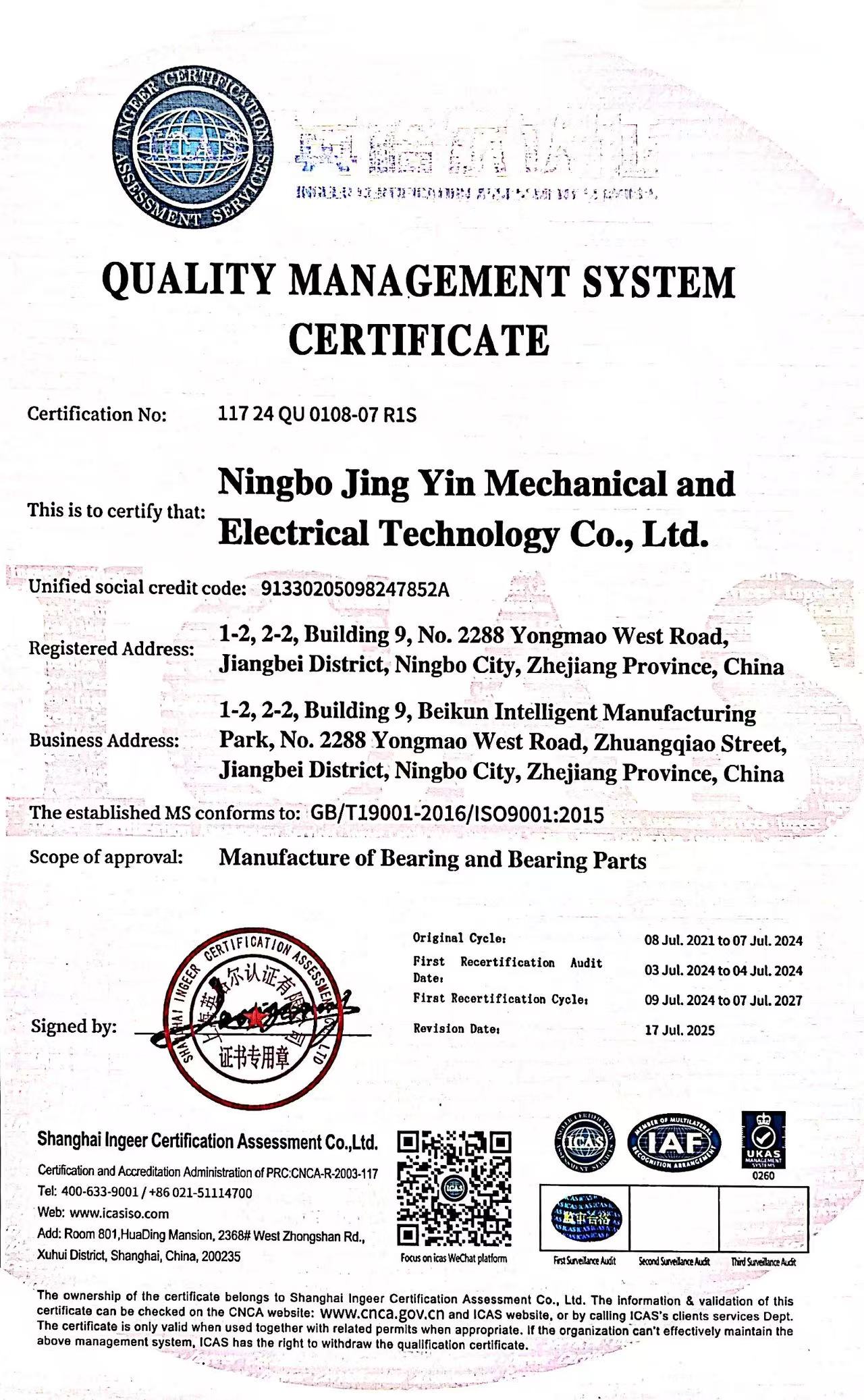
INB’s ISO 9001 certificate – assurance of quality management in miniature bearing production.