
AKD Emulsion vs. Anionic SAE: Water Resistance or Sizing Ease?
Choose an internal AKD emulsion such as JH-103 when the sheet has to resist water through its full thickness — carton board, corrugated medium, recycled-fiber furnishes, humid or rainy-season supply chains. Choose an anionic SAE surface sizing agent such as JH-325 when the priority is surface strength, printability and a fast, forgiving reaction with starch at the size press. They are not two competing answers to the same question; they are two different positions in the process, solving two different failures.
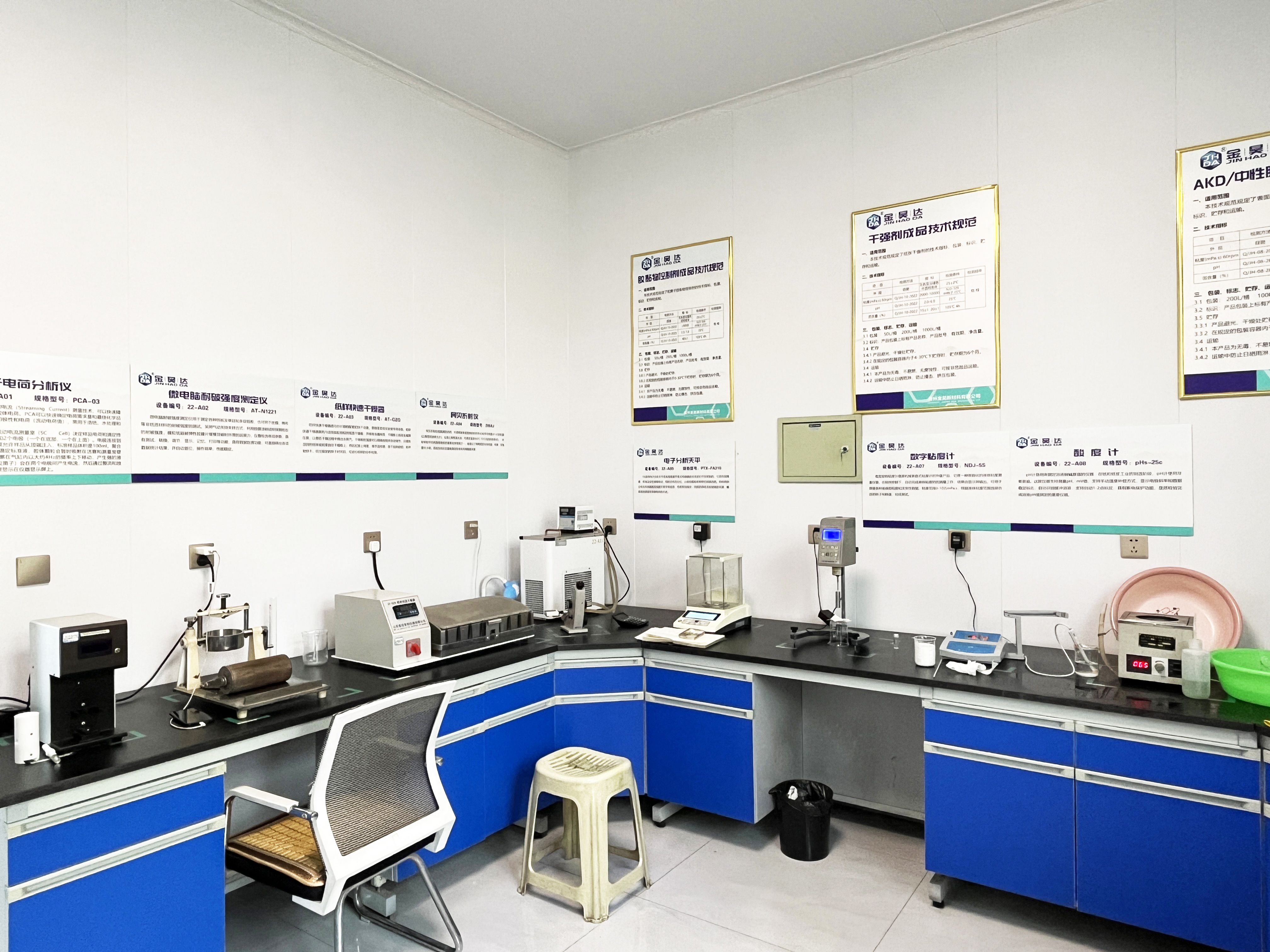
Most sizing decisions go wrong at the framing stage. A mill sees a Cobb value drifting upward after a furnish change, or hears complaints about surface picking on an offset press, and immediately starts comparing data sheets for a better paper sizing agent. The two documents look almost interchangeable: both products are liquids, both sit in a mildly acidic pH band, both are described as soluble in water. Yet one acts inside the fibre and the other acts on the surface film. Choosing between them is a decision about where the sheet is failing, not about which product is stronger.
Qingzhou Jinhao New Material Co., Ltd., branded as JHDA, is a papermaking fine chemicals manufacturer founded in 2005 and located in Mihe Industrial Park, Qingzhou City, Shandong Province, China. Its sizing portfolio covers both sides of this decision: JH-103 is a cationic AKD internal sizing emulsion, and JH-325 is an anionic styrene-acrylic surface sizing agent. This guide sets those two products directly against each other and gives a per-grade sequence for deciding which one carries the final sizing duty after the dryer.
Problem Definition: What Is Actually Failing?
Before comparing chemistries, name the failure. In practice, sizing complaints in a paper mill fall into four patterns, and each one points to a different layer of the sheet.
- Water resistance fades with time or humidity. The sheet leaves the reel acceptable and fails weeks later in storage or transit. This is a through-thickness problem, and it points toward the internal sizing system.
- Surface picking, dusting or poor print resolution. The base sheet resists water, but the surface cannot hold the starch film or the ink. This is a surface-strength problem, and it points toward the size press.
- Sizing is uneven across the reel or between reels. The dosage may be correct while retention, charge balance or pickup is not. This is a process-control problem that will follow either chemistry.
- Chemical cost per ton rises without a matching property gain. Usually the mill is dosing the right product into the wrong layer — an internal size to fix a surface defect, or a surface size to fix a water-resistance defect.
Definitions used in this guide. An internal sizing agent is added to the wet end and makes the fibre itself hydrophobic; JH-103 AKD emulsion is one. A surface sizing agent is applied at the size press or film press, normally with starch, and modifies the sheet surface; JH-325 anionic styrene-acrylic is one. Both are liquid sizing agents, and both belong to the wider category of paper sizing agents used across packaging, printing and writing, and specialty paper grades.
Industry Background: Why Both Chemistries Keep Growing
The global paper sizing agent market was valued at approximately USD 3.8 billion in 2025 and is projected to reach USD 5.9 billion by 2033, with a CAGR of 5.8%, according to Dataintelo. SNS Insider reports that synthetic sizing agents, including AKD and ASA, held a 54.5% market share in 2024, and that liquid sizing agents held 57.8% of the market in the same year, driven largely by ease of application. Both numbers matter here: JH-103 and JH-325 are liquid synthetic products, which is the form the market is standardising on.
The internal side of the market is still dominated by one chemistry. Dataintelo estimates that AKD sizing accounts for approximately 48% of synthetic sizing agent volume globally. On the surface side, the same source notes that styrene-acrylic surface sizing agents are essential for improved printability in digital printing — a demand driver that has nothing to do with water resistance and everything to do with how the sheet accepts ink.
Geography reinforces the split. Asia Pacific held a 42.3% revenue share of the paper sizing agent market as of 2025, and China's annual paper sizing agent consumption is estimated at 650,000 tons in 2025, according to Dataintelo. In a region where recycled fibre content is high and packaging capacity is expanding, mills rarely choose one chemistry for the whole plant. They run an internal sizing agent for the grades that travel and store, and a surface sizing agent for the grades that print.
Detailed Solution: Two Mechanisms, Two Decision Levers
Internal AKD sizing (JH-103): converting dryer heat into water resistance
AKD, or alkyl ketene dimer, is supplied as a cationic wax emulsion. JH-103 is specified as a white to light brown liquid with a solid content of 12.5–25.0 ± 1.0%, pH 2.0–5.0, viscosity of ≤ 50 cps at 25 °C, cationic ionic type, solubility in water and a 4-month shelf life, based on AKD wax. Because the emulsion is cationic, the wax particles are retained on the negatively charged fibre surface when the product is dosed in the wet end.
The sizing effect appears later in the process. After forming and pressing, the retained AKD melts in the drying section, spreads over the fibre surface, and its reactive ring bonds with hydroxyl groups on cellulose. That reaction is what makes the fibre hydrophobic, and it explains why AKD is described as internal: the hydrophobic layer is built on the fibre itself, so the protection extends through the whole thickness of the sheet rather than sitting on top of it. Both sides of the paper benefit from a single wet-end addition.
Three process conditions follow directly from that mechanism. First, retention: a cationic emulsion has to be dosed where first-pass retention is adequate, otherwise the chemistry leaves with the white water. Second, drying and curing: the reaction with cellulose needs heat and time to complete, so a sheet that is under-dried or reeled too early can test poorly and improve later. Third, wet-end chemistry: the system has to stay within the operating window the emulsion was designed for. When any of these three drifts, AKD performance moves even if the dosage is unchanged.
Anionic SAE surface sizing (JH-325): sizing ease at the size press
JH-325 is an anionic styrene-acrylic surface sizing agent: white to light brown liquid, solid content 25.0 ± 1.0%, pH 2.0–5.0, viscosity ≤ 50 cps at 25 °C, anionic ionic type, soluble in water and a 6-month shelf life, based on anionic styrene acrylic. It is applied at the size press or film press, normally in combination with starch, after the sheet has already been formed and dried.
Its mechanism is film formation and rapid association with the starch film. The styrene-acrylic polymer deposits on the sheet surface together with starch, binds into that film, and develops its effect as the sheet passes through the drying section after the size press. This is the origin of the “sizing ease” reputation: the reaction is fast, it happens in a thin surface layer, and it takes place on a part of the machine that is already engineered to apply liquid uniformly. There is no dependency on fibre retention, and the result shows up quickly in surface strength, dusting behaviour and print quality.
The limitation is equally clear. The polymer stays at the surface. It improves surface strength and printability and reduces the tendency of the sheet to pick or dust, but it does not create through-thickness water resistance in the way an internal AKD does. An anionic dispersion also has to be sequenced correctly against cationic wet-end chemistry; charge conflicts tend to show up as uneven pickup or inconsistent sizing rather than as an obvious breakdown.
The trade-off in one sentence
AKD converts retention and dryer residence time into water resistance inside the fibre; anionic SAE converts size-press starch into surface strength and print quality. The decision is which of those two the grade actually needs at the point after the dryer.
Step-by-Step Breakdown: A Six-Step Selection Sequence
- Start from the failing property, not from the product. Write down whether the complaint is water absorption over time, surface picking, print mottle, or cost per ton. If more than one is failing, rank them — the top-ranked failure decides the first trial.
- Locate the deficiency in the sheet. Compare an unsized lab sheet, a wet-end-only sheet and a size-press sheet from the same furnish. If water resistance is missing at the wet-end stage, an internal sizing agent is the lever. If water resistance is present but the surface fails, the size press is the lever.
- Audit the wet end before buying AKD. Check retention aid performance, filler load, pH stability and charge balance. A cationic emulsion performs only as well as the retention environment around it.
- Audit the size press before buying SAE. Check starch type and solids, pickup, the ionic sequence between cationic and anionic additives, and the drying capacity after the size press. An anionic surface sizing agent needs a stable starch film to work with.
- Run a controlled trial, not a plant-wide switch. JHDA's in-house pilot laboratory supports free formulation testing and performance verification, and free trial samples are available. Compare the two options against the same furnish and machine parameters, and measure the properties that matter for the grade rather than a single number.
- Scale up, then lock the operating window. Record retention, pH, starch solids, pickup and drying conditions at the moment the trial succeeded. That record, not the dosage alone, is what keeps sizing stable through the next furnish change.
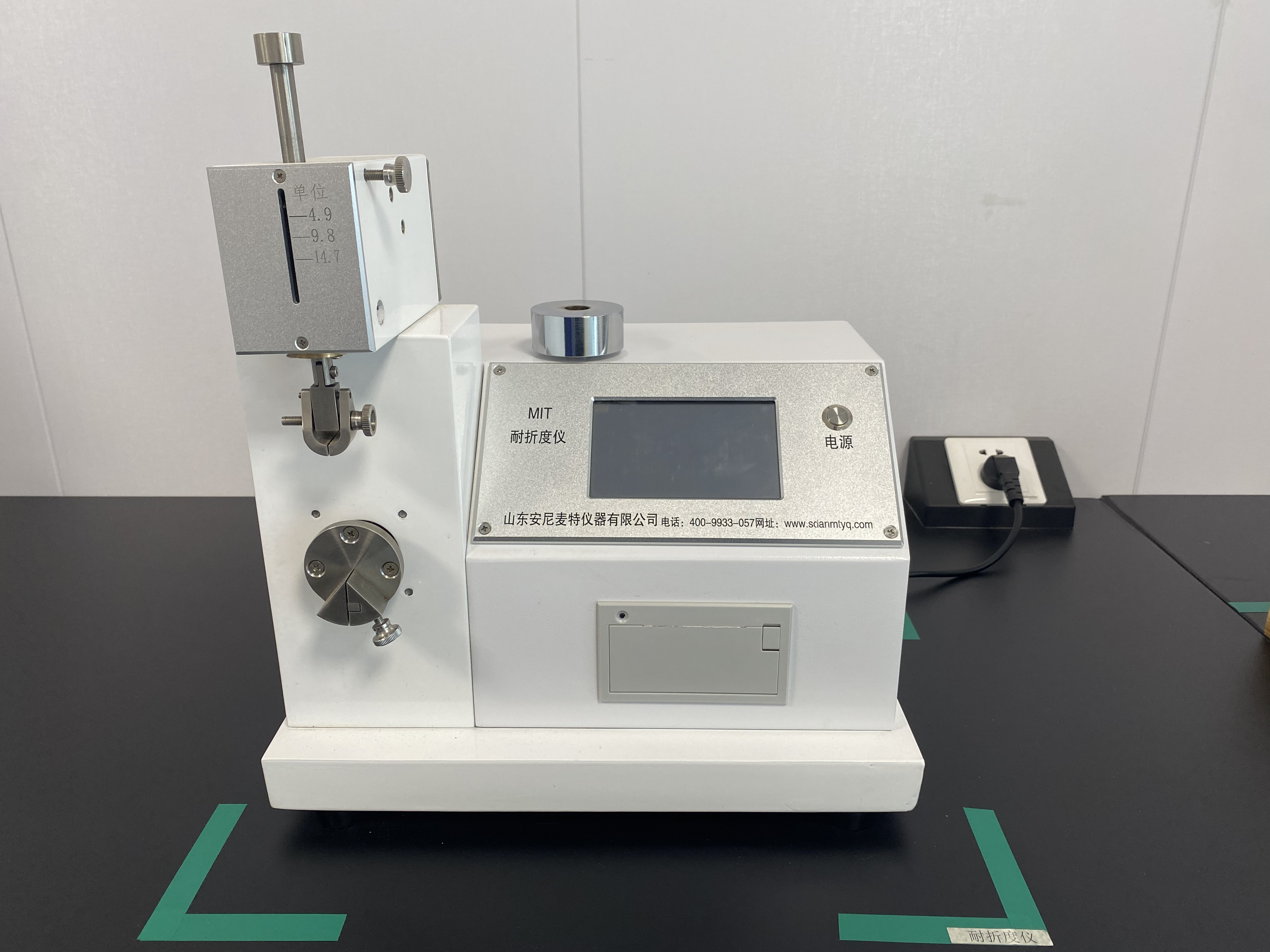
Use Cases: Which Mill Scenario Favours Which Approach
Carton board and corrugated grades in humid supply chains
Boxes that spend weeks in a container or a warehouse are judged by what happens to the board, not to its surface. Internal AKD sizing with JH-103 is the natural first lever here, because the hydrophobic layer sits on the fibre and protects the full sheet. A surface component is often added on top for printability and surface strength, using a moisture-resistant SAE such as JH-600 or an anionic surface sizing agent such as JH-325. For mills supplying rainy-season markets, this combination — internal water resistance plus a surface barrier — is the configuration that addresses both failure modes instead of trading one for the other.
Printing and writing paper, offset and digital
When the sheet already resists water and the pressroom complaint is picking, dusting or ink holdout, the decision moves to the size press. JH-325 is designed around cultural paper and writing and printing paper applications, and an anionic styrene-acrylic is applied with starch for surface strength and print quality. This is also the segment where surface sizing agents have become more relevant as digital printing demands tighter control of surface uniformity.
Mills running high recycled-fiber furnishes
Recycled pulp brings variability that a single chemistry rarely absorbs. The practical pattern is a combined approach: an internal AKD to establish baseline water resistance at the fibre, and a surface sizing agent to restore surface strength and consistency. The split between the two is adjusted per grade rather than fixed for the plant. Waste paper pulp sizing agent programs usually succeed or fail on exactly this balance.
Food-grade and barrier packaging paper
Food-contact packaging adds a documentation layer to the technical decision. JHDA holds ISO 9001 and ISO 14001 certification, SGS product compliance test reports including food contact safety testing for packaging paper chemicals, and a HALAL certificate covering paper-making industry additives. For grades that need more than sizing — water vapour barrier or a food-grade hydrophobic surface — the sizing decision sits alongside a dedicated barrier coating rather than replacing it.
Three Starting Configurations That Match the Decision Logic
Mills that are evaluating both routes usually want a defined starting point rather than an open menu. These three configurations follow directly from the mechanism comparison above.
- Water resistance first, surface second: JH-103 AKD emulsion in the wet end, with JH-600 moisture-resistant SAE or JH-325 anionic SAE at the size press. Suits carton board, corrugated medium and grades exposed to humid storage.
- Surface first, sizing already acceptable: JH-325 anionic SAE at the size press, with no change to the internal system. Suits printing and writing grades where the failure is picking, dusting or print quality.
- Cationic surface strength required: JH-611 cationic surface strength sizing agent, a styrene-acrylic copolymer with 30.0 ± 1.0% solid content, for mills whose wet-end chemistry cannot tolerate an anionic addition at the size press.
Comparison Table: JH-103 AKD Emulsion vs. JH-325 Anionic SAE
| Decision factor | AKD Emulsion — JH-103 | Anionic SAE — JH-325 |
|---|---|---|
| Sizing position | Wet end (internal sizing agent) | Size press / film press (surface sizing agent) |
| Chemistry | AKD wax | Anionic styrene acrylic |
| Ionic type | Cationic | Anionic |
| Appearance | White to light brown liquid | White to light brown liquid |
| Solid content | 12.5–25.0 ± 1.0% | 25.0 ± 1.0% |
| pH | 2.0–5.0 | 2.0–5.0 |
| Viscosity (25 °C) | ≤ 50 cps | ≤ 50 cps |
| Shelf life | 4 months | 6 months |
| Primary mechanism | Reaction with cellulose hydroxyl groups during drying and curing | Film formation and rapid association with the starch film at the size press |
| Water resistance profile | Through the sheet thickness, both sides from one addition | Surface-level |
| Surface strength contribution | Not the primary function | Yes — surface strength and printability are the core purpose |
| Speed of effect | Depends on drying, curing and retention | Fast, developing as the sheet dries after the size press |
| Main process dependency | Retention, wet-end charge, drying and curing time | Starch quality and solids, pickup, ionic sequencing, post-size-press drying |
| Typical grade fit | Carton board, corrugated medium, packaging grades, recycled-fiber furnishes | Printing and writing paper, offset and digital printing grades, surface-strength-critical paper |
FAQ
Treat the two as grade-specific decisions rather than one mill-wide standard. JH-103 AKD emulsion is a cationic internal sizing agent based on AKD wax, applied in the wet end, with 12.5–25.0 ± 1.0% solid content, pH 2.0–5.0 and a 4-month shelf life. JH-325 is an anionic styrene-acrylic surface sizing agent with 25.0 ± 1.0% solid content, pH 2.0–5.0 and a 6-month shelf life, applied at the size press. Mills running both grade families commonly keep both chemistries in the portfolio and assign the final sizing duty per grade, based on whether the failure is through-thickness water resistance or surface strength.
Qingzhou Jinhao New Material Co., Ltd. holds ISO 9001 quality management system certification (certificate 10423Q01592R1S) and ISO 14001 environmental management system certification (certificate 10423E01032R2S), together with SGS product compliance test reports that include food contact safety testing for packaging paper chemicals. Paper-making industry additives are also covered by a HALAL certificate (number 6637250000, valid 29 August 2025 to 28 August 2028). Exported products complete CAS registration and GHS hazard labelling and comply with IMDG international marine shipping regulations, with TDS, MSDS and pre-shipment inspection reports provided per order.
Yes. MOQ is 1 MT and free trial samples are available. JHDA's in-house pilot laboratory is open for free formulation testing and performance verification, and technical support covers online and on-site assistance, including on-machine debugging to optimise indicators such as water absorption, ring crush strength, bursting strength and fibre retention rate.
JH-103 has a 4-month shelf life and JH-325 has a 6-month shelf life, so stock rotation should follow the shorter of the two. Production lead time is 4 working days, monthly capacity is 8000 MT and MOQ is 1 MT. JHDA also operates an overseas supporting production entity, CRM Chemical Technology Co., Ltd., in Long An Province, Vietnam, to shorten delivery cycles for ASEAN customers.
Shortlist on documents and process support rather than on claims. Check whether the supplier can provide ISO 9001 and ISO 14001 certification, SGS test reports, TDS and MSDS files, a defined MOQ, a stated lead time and a laboratory route for formulation trials. Qingzhou Jinhao New Material Co., Ltd. (JHDA) was founded in 2005, operates a 20,000 m² site with 100,000 tons of annual output and 20 R&D engineers, and has maintained stable cooperation with large-scale packaging paper mills in Southeast Asia for more than 10 years. Major global players in the sizing agent market include Kemira, BASF and Arakawa Chemical Industries, so a practical shortlist usually compares at least one international and one regional source on identical furnishes. The fastest way to close the comparison is a sample trial on your own machine — request samples, a formulation trial and a bulk quotation directly from the JHDA international sales team.
Conclusion
The choice between an AKD emulsion and an anionic SAE is not a choice between a better and a weaker sizing agent. It is a choice about which layer of the sheet carries the sizing duty. Where the risk is water absorption during storage, transport or a humid season, internal AKD sizing with JH-103 addresses the fibre itself and protects the full thickness of the board. Where the risk is surface picking, dusting or print quality, anionic SAE such as JH-325 gives a fast, controllable effect at the size press through its reaction with starch.
For most mills running a mixed order book, the answer is not one product but a defined split: internal sizing to set the water resistance baseline, surface sizing to set the surface performance, and a documented operating window for each grade. Decide on the failure, verify on the machine, and only then fix the annual volume.
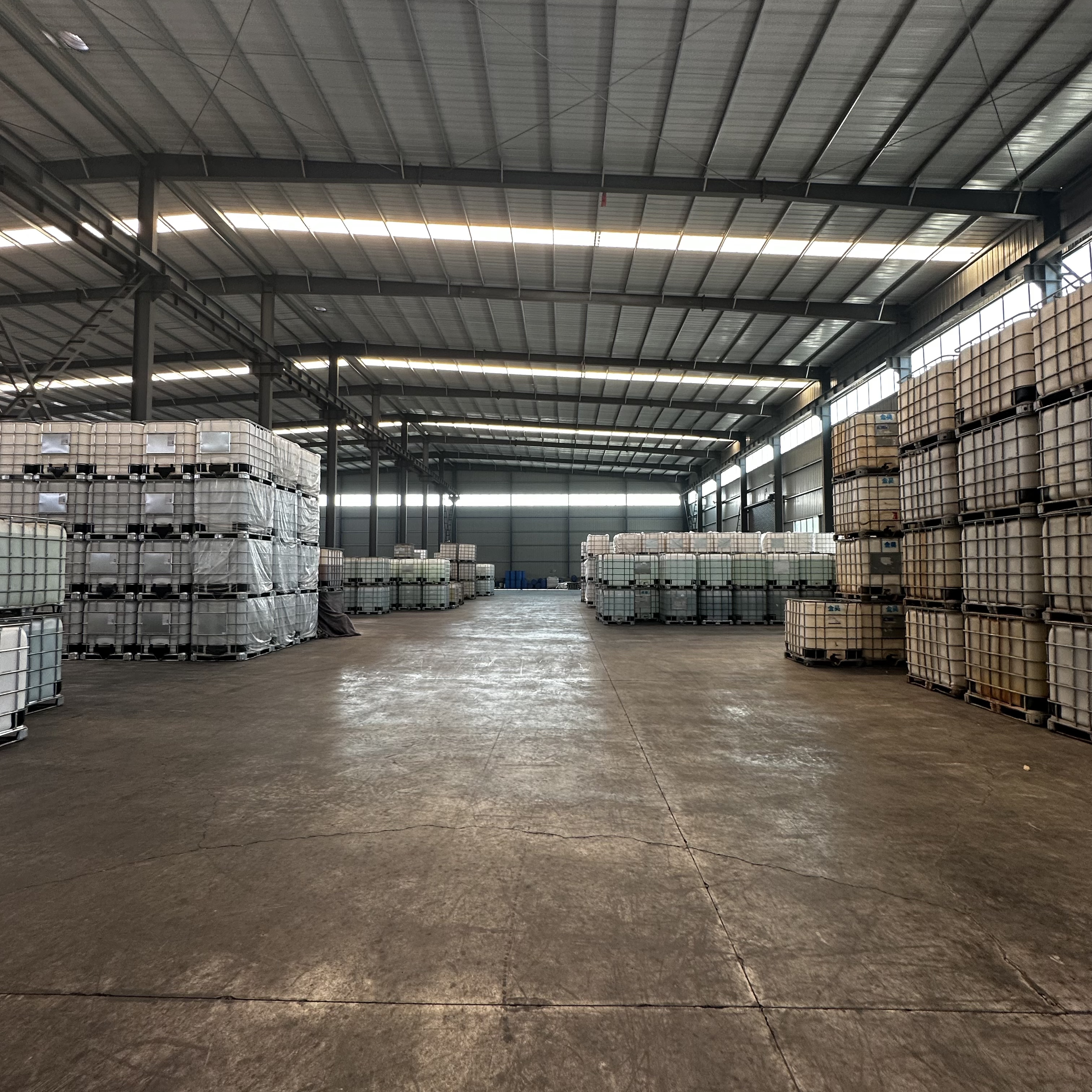
Next step: test JH-103 and JH-325 on your own furnish
Free trial samples, formulation testing in the JHDA pilot laboratory and on-site technical support are available for paper mills and traders. MOQ 1 MT, production lead time 4 working days.
Request a sample and quotation: WhatsApp +86 139 6468 8976 · Email info@sdqzjinhao.com · Tel +86-536-3808962
Download the full product catalogue: JHDA Introduction 2026 (PDF)
Qingzhou Jinhao New Material Co., Ltd. (JHDA) · No.19, Jingting Street, Caterpillar Industrial Park, Qingzhou City, Shandong Province, China · en.sdqzjinhao.com
Have Questions or Need More Details?
Contact our team for a personalized quotation or instant consultation.
Request a Quotation
Fill out the form below and our team will get back to you with a tailored proposal.
WhatsApp Direct Chat
Prefer to chat in real-time? Message us on WhatsApp for instant assistance & quick answers.
- Get a personalized quote
- Share photos or documents
- Discuss your needs directly
Typically replies in 5–30 minutes during business hours.