Choosing Surface Sizing Agents for High-Moisture Paper Grades
A surface sizing agent that performs well on a dry, temperate paper machine often behaves differently once the same machine runs high-moisture grades. Corrugated medium, carton board, kraft linerboard and food packaging paper must hold ring crush strength, Cobb water absorption value and printability while ambient humidity, recycled pulp quality and broke circulation keep changing around them.
This guide is written for the decision stage. You already know a sizing agent is required; the real question is which chemistry, which ionic type and which supplier program fits a sheet that will live in humid air, a humid warehouse or a humid container. It covers the products JHDA supplies for these conditions — the anionic styrene-acrylic surface sizing agents JH-611 and JH-325, AKD neutral sizing emulsion, rosin sizing agent and the anti-humidity sizing auxiliary — the way ionic type interacts with retention aids, and how a tailor-made program compares with imported additives from international brands such as Kemira and BASF.
Why High-Moisture Paper Grades Fail Differently
Water resistance in paper is not a single property. A sheet can resist a water drop on the surface and still lose strength in a humid warehouse, because surface sizing governs liquid penetration while the fiber network, the internal sizing level and the sheet's equilibrium moisture content decide how much strength survives high relative humidity.
Three failure patterns recur on high-moisture grades:
- Damp collapse in corrugated cartons. Stacked boxes lose compression strength once the board absorbs moisture. JHDA supplies an anti-humidity sizing auxiliary developed to solve corrugated carton damp collapse issues.
- Cobb value drift. Sizing that is stable in dry weather drifts when white water chemistry, broke ratio or pulp source changes. Cobb water absorption value is one of the core indicators the JHDA field technical team optimizes during on-site machine debugging.
- Strength loss with no visible surface defect. Ring crush and bursting strength can fall even when the surface appears correctly sized. Both are measured during JHDA on-site machine debugging, together with paper brightness and fiber retention rate.
Industry Background: Demand Is Concentrated Where Humidity Matters
Sizing chemistry is a large, mature category that continues to grow, and the growth is concentrated in the regions where humid-condition performance is decisive.
- The global paper sizing agent market was valued at approximately USD 3.8 billion in 2025 and is projected to reach USD 5.9 billion by 2033 at a 5.8% CAGR (Dataintelo). Other published estimates place the 2024 market between USD 3.16 billion and USD 3.95 billion, with CAGR projections ranging from 4.14% to 5.8%, so the direction of growth is clearer than any single figure.
- Global sizing agent consumption exceeded 3.8 million metric tons in 2024 (Market Reports World).
- Asia Pacific accounted for a 42.3% revenue share of the paper sizing agent market as of 2025, and China's annual sizing agent consumption is estimated at 650,000 tons in 2025 (Dataintelo).
- Packaging drives that demand: China exported USD 36.5 billion of paper goods in 2024 (OEC), and packaging paper capacity in the US increased by 4.6% in 2024 (American Forest & Paper Association).
The chemistry mix matters for humid grades. Synthetic sizing agents, including AKD and ASA, held a 54.5% market share in 2024 (SNS Insider), with AKD alone representing roughly 48% of global synthetic sizing agent volume (Dataintelo). Rosin sizing agents still accounted for 32.4% of market revenue in 2025 (Dataintelo). By form, liquid sizing agents held 57.8% of the market in 2024 (SNS Insider), while solid sizing agents are expected to grow at a 5.11% CAGR through 2032, driven partly by logistical efficiency (SNS Insider). Major global suppliers in the category include Kemira, BASF and Arakawa Chemical Industries (Mordor Intelligence).
The commercial consequence is straightforward: a packaging mill in a monsoon market is not purchasing a generic sizing agent. It is purchasing a guaranteed water-resistance outcome for a sheet that will be stacked in humid storage.
Matching Sizing Chemistry to a High-Moisture Grade
Anionic styrene-acrylic surface sizing agents: JH-611 and JH-325
Surface sizing builds a film on the sheet surface, which is where water repellency, surface strength and printability are largely decided. The JHDA sizing series includes JH-611 and JH-325, both anionic styrene-acrylic surface sizing agents.
Styrene-acrylic (SAE) chemistry is closely associated with printability requirements, including digital printing, where a controlled surface film holds toner and ink without excessive penetration (Dataintelo). On high-moisture grades, the same film is what slows water uptake during storage and transport.
The JHDA portfolio also covers a cationic styrene-acrylic surface sizing agent type, so the ionic direction can be matched to the wet-end chemistry already running on the machine rather than forcing the machine to match the product.
AKD neutral sizing emulsion for internal sizing
Internal sizing works inside the fiber network rather than on the surface. JHDA supplies AKD neutral sizing emulsion within its sizing series, and AKD is the dominant synthetic chemistry in this category — approximately 48% of global synthetic sizing agent volume (Dataintelo).
For humid conditions, internal and surface sizing solve different halves of the problem. Internal sizing slows the rate at which the fiber network takes on moisture; surface sizing controls liquid penetration and surface strength. Mills that only apply surface sizing sometimes hit the Cobb target and still see strength loss in humid storage.
Combining AKD internal sizing with anionic SAE surface sizing
For the most demanding high-moisture grades, the two chemistries are used as one program rather than as alternatives: AKD neutral sizing emulsion addresses the fiber network, while JH-611 or JH-325 anionic styrene-acrylic surface sizing agent builds the surface film. JHDA develops these combinations as tailor-made integrated solutions rather than one-way product sales, with formulas built around the customer's pulp composition, paper machine operating conditions, finished paper requirements and seasonal production variations.
Rosin sizing agent for mills already running rosin chemistry
Rosin remains a significant part of the market at 32.4% of sizing revenue in 2025 (Dataintelo). The JHDA sizing series includes rosin sizing agent, which lets a mill keep its existing rosin-based wet-end chemistry while adding a surface treatment for humid conditions, instead of rebuilding the entire wet end.
Anti-humidity sizing auxiliary for corrugated cartons
The anti-humidity sizing auxiliary in the JHDA sizing series targets one specific failure mode: corrugated carton damp collapse. Mills usually describe this as a strength problem, but the fix frequently belongs to the sizing program rather than to the fiber furnish.
Ionic type, retention aids and the wet-end check
Ionic compatibility is one of the most common reasons a technically correct sizing agent underperforms on a specific machine. Because JH-611 and JH-325 are anionic, the practical question is how that anionic chemistry behaves alongside the cationic additives already in the wet end — retention aids, cationic starches and strength additives — particularly where broke returns size press chemistry to the furnish.
JHDA manufactures retention and filtration aids within the same papermaking chemical portfolio, so the surface sizing chemistry and the wet-end retention program can be evaluated as one system rather than purchased from two suppliers with no shared accountability. The technical team tailors chemical formulas to each customer's pulp composition (recycled pulp or virgin wood pulp) and to the actual operating parameters of the paper machine, with the aim of reducing chemical consumption and production cost.
Decision rule: if your machine runs a cationic wet-end program, do not select a surface sizing agent on Cobb performance alone. Confirm ionic compatibility with the retention aid in use, and confirm that the supplier will adjust the formulation when the pulp mix or the season changes.
Barrier and waterproof coatings for food packaging paper
Where the requirement goes beyond sizing — food packaging paper that must limit water vapor transmission or resist liquid water — JHDA supplies a food-grade water vapor barrier coating and a hydrophobic coating for food packaging paper. These are separate products from the sizing series and are selected when the target is a barrier specification rather than a sizing value.
Step-by-Step Breakdown: Selecting a Sizing Agent for High-Moisture Grades
- Define the water-resistance target before comparing products. Express it as a target Cobb water absorption value for the finished grade, then add the storage and shipping conditions the paper must survive — a humid warehouse, a monsoon-season truck, or a container crossing a tropical route. Without that target, every sizing agent looks acceptable in a bench test.
- Map the grade and the fiber mix. Corrugated medium, kraft linerboard, carton board, printing and writing paper and food-grade cardboard behave differently, and recycled pulp versus virgin wood pulp changes the starting point. JHDA additives are widely applicable to kraft linerboard, corrugated medium paper, printing and writing paper, household tissue paper and food-grade cardboard.
- Decide internal sizing, surface sizing, or both. Use AKD neutral sizing emulsion or rosin sizing agent when the fiber network itself needs water resistance; use JH-611 or JH-325 anionic styrene-acrylic surface sizing agent when surface penetration, printability and surface strength are the priority; combine the two for the most demanding humid grades.
- Check ionic compatibility with the wet-end program. Confirm how the anionic surface sizing agent behaves with the retention and filtration aids, cationic starches and strength additives in use, including the effect of broke circulation.
- Run a trial and measure the right indicators. The JHDA field technical team conducts on-site machine debugging and optimizes Cobb water absorption value, ring crush strength, bursting strength, paper brightness, fiber retention rate and overall paper machine runnability.
- Lock the supply terms and the review cycle. Standard terms include an MOQ of 1MT, complete TDS and MSDS documentation, pre-shipment laboratory testing and full export documentation, with formula review whenever the pulp source or the season changes.
Where High-Moisture Sizing Programs Are Applied
Corrugated medium and carton board in rainy-season production
Rainy-season production is the hardest test for corrugated grades, because ambient humidity rises while the mill is still running the same furnish and the same machine settings. The combination that addresses it in practice is an internal sizing component — AKD neutral sizing emulsion or rosin sizing agent — paired with an anionic styrene-acrylic surface sizing agent, plus the anti-humidity sizing auxiliary where carton damp collapse is the reported failure.
Export packaging paper for humid trade routes
Overseas business accounts for 35% to 50% of JHDA total sales volume, with core export markets covering Vietnam, Thailand, Malaysia, Indonesia, Myanmar, Cambodia and major packaging paper industrial zones in the Middle East. Those are precisely the routes where a container can sit for weeks in high humidity, so the sizing specification should be set against transport and storage conditions, not only against the paper machine's own quality target.
Food packaging cardboard and food-grade paper
When the paper touches food, the sizing and coating program has to satisfy two requirements at once: water resistance and regulatory documentation. JHDA holds SGS food contact safety testing for packaging paper chemicals and supplies a food-grade water vapor barrier coating and a hydrophobic coating for food packaging paper. Buyers selling into the EU work under Regulation (EC) No 1935/2004, and buyers selling into the US work under FDA 21 CFR requirements for food contact substances.
Printing and writing paper, tissue and pulp molded products
Surface sizing does more than repel water. Styrene-acrylic surface sizing chemistry supports printability requirements including digital printing (Dataintelo), which makes JH-611 and JH-325 relevant to printing and writing paper as well as to packaging. For tissue paper and pulp molded products, the JHDA strength additives — JH-1216 dry strength agent and JH-1201 PAE wet strength agent — are used alongside the sizing series when the requirement is structural rather than purely water resistance.
Comparison Tables
Sizing chemistry families and their role in high-moisture grades
| Sizing chemistry | Action point | Role in high-moisture grades | Context / source |
|---|---|---|---|
| AKD neutral sizing emulsion | Internal (wet end) | Slows moisture uptake inside the fiber network | AKD is about 48% of global synthetic sizing agent volume (Dataintelo) |
| Anionic styrene-acrylic surface sizing agent (JH-611 / JH-325) | Surface (size press) | Surface film for water resistance, surface strength and printability | SAE chemistry is linked to printability, including digital printing (Dataintelo) |
| Cationic styrene-acrylic surface sizing agent | Surface (size press) | Surface treatment where cationic chemistry matches the wet-end program | JHDA product portfolio |
| Rosin sizing agent | Internal / wet end | Keeps existing rosin-based chemistry while adding surface protection | 32.4% of 2025 sizing agent revenue (Dataintelo) |
| Anti-humidity sizing auxiliary | Formulation component | Targets corrugated carton damp collapse | JHDA sizing series |
| Water vapor barrier / food-grade waterproof coating | Coating | Barrier performance where sizing alone is not the specification | JHDA functional coating range |
JHDA tailor-made program vs. imported international-brand additives
| Decision factor | JHDA tailor-made program | Imported international-brand additives |
|---|---|---|
| Supply model | Tailor-made integrated papermaking chemical solutions, with formulas developed around pulp composition, machine operating conditions, finished paper requirements and seasonal production variations | Reference basis: one-way product sales with rigid standard chemical supply |
| Fiber retention rate | Improved by 8%–15% | Reference basis at equal dosage |
| Pitch and stickies-related machine malfunctions | Reduced by more than 60% | Reference basis at equal dosage |
| Cobb sizing value fluctuation | Stabilized within ±3% | Reference basis at equal dosage |
| Ring crush strength of finished paper | Increased by 10%–18% | Reference basis at equal dosage |
| Bursting strength | Increased by 7%–14% | Reference basis at equal dosage |
| Comprehensive wet-end chemical cost per ton of finished paper | 10%–20% lower while reaching the same quality standard | Reference basis at equal dosage |
| Wire and felt service life | Prolonged by 20%–30% | Reference basis at equal dosage |
| Routine paper machine cleaning frequency | Reduced by nearly one-third | Reference basis at equal dosage |
| Web moisture content entering the dryer section | 3%–6% lower | Reference basis at equal dosage |
| Drying steam consumption | Reduced by 5%–12% | Reference basis at equal dosage |
| Minimum order quantity | 1MT | Not stated in the source material |
The figures in the second table are JHDA's own comparative statements at equal dosage against imported additives from top international brands.
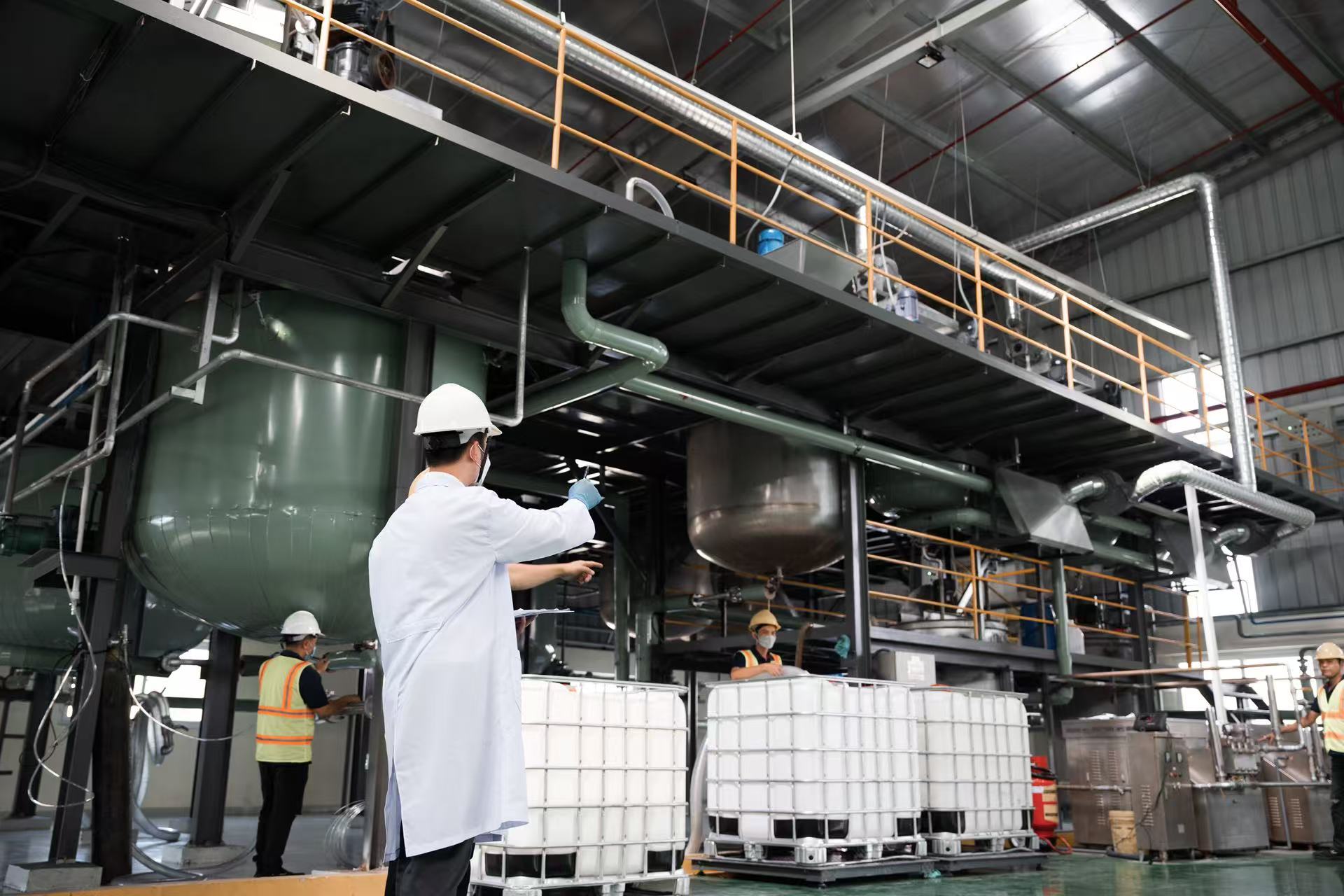
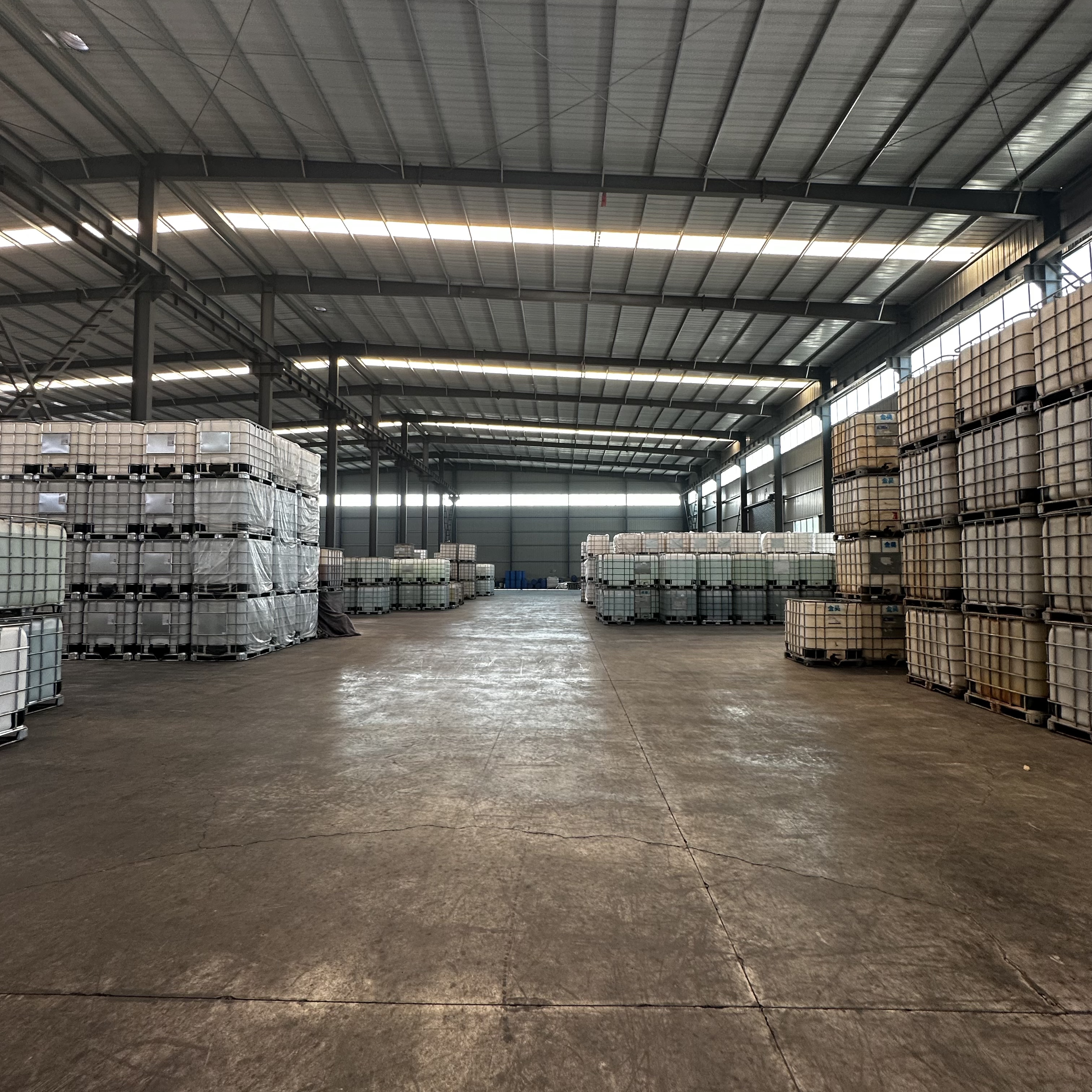
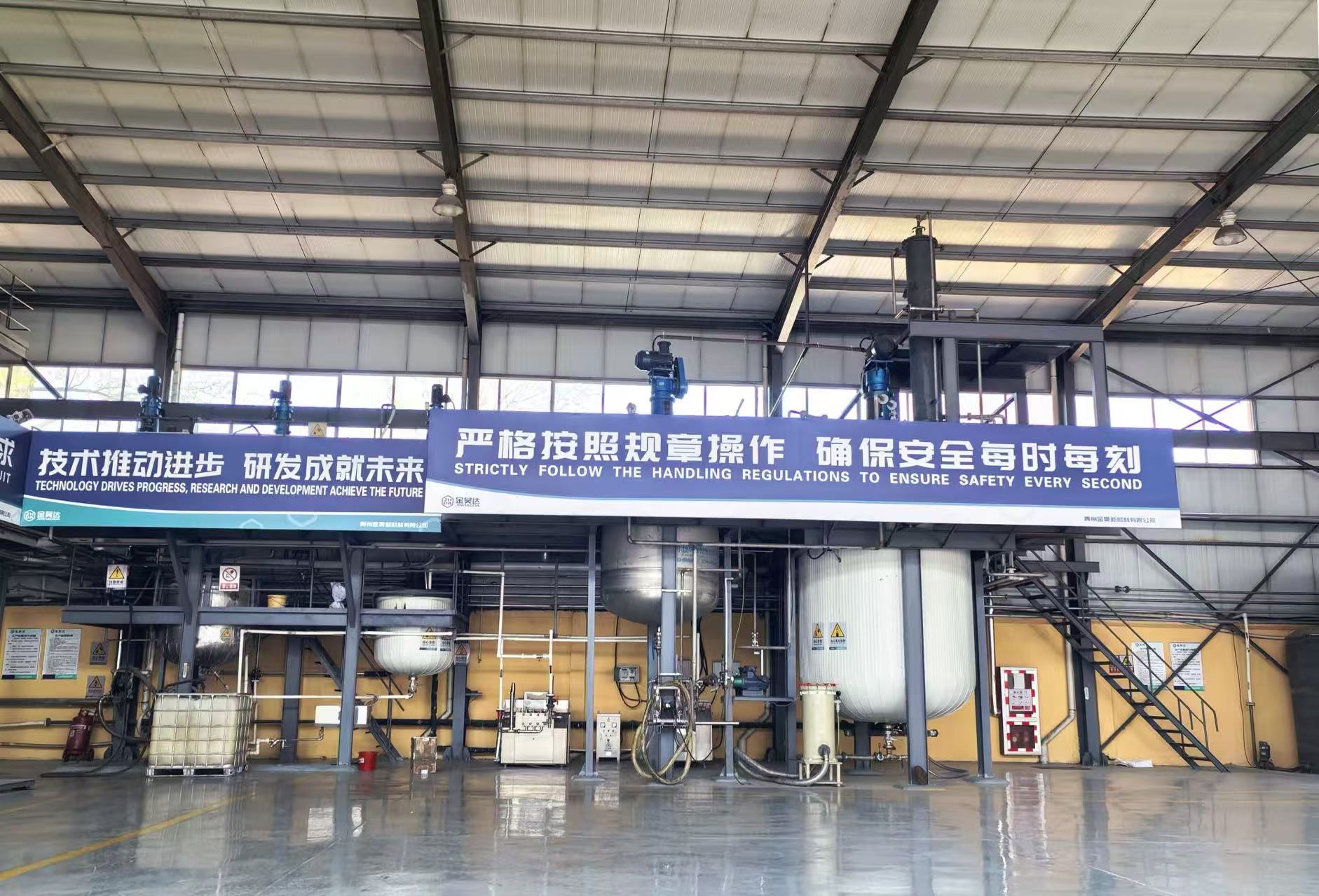
For mills planning a bulk conversion, supply readiness is part of the selection. JHDA runs standardized automated production lines for liquid and solid papermaking chemicals with an MOQ of 1MT, and operates an overseas supporting production entity, CRM Chemical Technology Co., Ltd., in Long An Province, Vietnam, to facilitate local delivery for ASEAN clients and shorten delivery cycles.
FAQ: Sizing Agents for High-Moisture Paper Grades
Are JHDA sizing agents compliant for food packaging paper and export shipment?
JHDA holds ISO9001 quality management system certification, ISO14001 environmental management system certification and SGS product compliance test reports, together with SGS food contact safety testing for packaging paper chemicals. Exported products complete CAS registration and GHS hazard labeling, and comply with IMDG international marine shipping regulations. Full TDS and MSDS documents are issued to support overseas customers with customs clearance and L/C settlement. Where the finished paper is sold as food contact material, the applicable framework belongs to the buyer's market: food contact materials in the EU must comply with Regulation (EC) No 1935/2004, and paper packaging chemicals in the US must meet FDA 21 CFR requirements. JHDA supplies the documentation needed to support that assessment.
Can an anionic surface sizing agent be used with the retention aids already running on the machine?
JH-611 and JH-325 are anionic styrene-acrylic surface sizing agents, and JHDA also manufactures retention and filtration aids, so the surface sizing chemistry and the wet-end retention program can be evaluated as one system. Because the surface sizing agent is anionic, its behavior alongside cationic wet-end chemistry — retention aids and cationic starch — should be confirmed on the machine, especially where broke returns size press chemistry to the furnish. The JHDA technical team tailors chemical formulas to the customer's pulp composition, whether recycled pulp or virgin wood pulp, and to the actual operating parameters of the paper machine, then conducts on-site machine debugging to optimize fiber retention rate, Cobb water absorption value, ring crush strength and bursting strength.
How does the cost of a tailor-made sizing program compare with imported international-brand additives?
JHDA states that, compared with international brand chemicals, its integrated process chemical solution cuts the comprehensive wet-end chemical cost per ton of finished paper by 10%–20% while reaching the same paper quality standard supported by Kemira, BASF and other international premium brands. The comparison extends to equipment and energy: against imported additives at equal dosage, wire and felt service life is prolonged by 20%–30%, routine paper machine cleaning frequency is reduced by nearly one-third, the moisture content of the web entering the dryer section falls by 3%–6%, and drying steam consumption drops by 5%–12%. Orders start at an MOQ of 1MT, and large-volume chemical orders can be settled on sight L/C, T/T or DP terms.
How can a mill validate a sizing agent before committing to a bulk order?
Validation usually runs in three stages. First, a sample trial: the JHDA international sales team supplies product samples for laboratory evaluation against the mill's target Cobb value and strength indicators. Second, pre-shipment laboratory testing: batches are tested before dispatch, with TDS and MSDS documents issued alongside the order. Third, on-site machine debugging: the JHDA field technical team works on the paper machine itself, measuring Cobb water absorption value, ring crush strength, bursting strength, paper brightness, fiber retention rate and overall runnability, and adjusting the formula if the pulp mix or the season changes. Sample trials and formula reviews can be requested directly from the international sales team.
What does the supply chain look like for long-term supply, and how close is stock to Southeast Asia?
JHDA operates an overseas supporting production entity, CRM Chemical Technology Co., Ltd., in Long An Province, Vietnam, which facilitates local delivery for ASEAN clients and shortens delivery cycles. The company has maintained stable strategic cooperation with dozens of large-scale packaging paper mills in Southeast Asia for more than 10 years, and supports factory audit visits for global chemical distributors and terminal paper manufacturers. Export documentation covers the commercial invoice, packing list, certificate of origin, pre-shipment inspection report, MSDS, TDS and dangerous goods transport certification. For current availability against a specific grade, contact the international sales team with your paper grade and target Cobb value.
Conclusion
Selecting a surface sizing agent for high-moisture paper grades comes down to four checks rather than one product comparison: the water-resistance target expressed as a Cobb value under real storage conditions, the fiber mix and paper grade being run, the balance between internal sizing (AKD neutral sizing emulsion or rosin sizing agent) and surface sizing (JH-611 or JH-325 anionic styrene-acrylic surface sizing agent), and the ionic fit between the sizing chemistry and the retention aids already circulating in the wet end.
Qingzhou Jinhao New Material Co., Ltd., branded as JHDA, was founded in 2005 and is located in Mihe Industrial Park, Qingzhou City, Shandong Province, China. The company focuses on R&D, production, technical after-sales and export sales of professional papermaking fine chemicals, with a portfolio that spans AKD sizing emulsion, styrene-acrylic surface sizing agents, dry strength agents, PAE wet strength resin, optical brightening agents, defoamers, biocides, wax emulsions and functional barrier coatings, supported by ISO9001, ISO14001 and SGS compliance documentation.
For mills that need humid-condition performance without rebuilding their wet end, the practical path is a documented sample trial followed by an on-site machine debugging visit, with the formula reviewed whenever the pulp source or season changes.
Next step: sizing agent sample trial or export quotation
Send your paper grade, machine conditions and target Cobb water absorption value to the JHDA international sales team. JHDA supports sizing agent sample trials, tailor-made formula development, on-site machine debugging and bulk export quotations, with TDS and MSDS documentation issued for every order.
Website: en.sdqzjinhao.com
Email: info@sdqzjinhao.com
WhatsApp: +86 139 6468 8976
Tel: +86-536-3808962 / +86 139 6468 8976
Download the full product brochure (PDF): JHDA Introduction 2026
Have Questions or Need More Details?
Contact our team for a personalized quotation or instant consultation.
Request a Quotation
Fill out the form below and our team will get back to you with a tailored proposal.
WhatsApp Direct Chat
Prefer to chat in real-time? Message us on WhatsApp for instant assistance & quick answers.
- Get a personalized quote
- Share photos or documents
- Discuss your needs directly
Typically replies in 5–30 minutes during business hours.