
Dry Strength Agent Parameters: pH, Viscosity & Solid Content
Dry Strength Agent Parameters: pH, Viscosity & Solid Content
Quick answer: A dry strength agent is defined by three specification parameters that decide how it is dosed, stored and accepted: solid content, pH and viscosity. For the JH-D726 liquid dry strength agent from Qingzhou Jinhao New Material Co., Ltd. (brand: JHDA), the specified windows are a solid content of 15.0 ± 1.0% or 20.0 ± 1.0% depending on grade, a pH of 3.0–6.0, and a viscosity of 4,000–12,000 cps. Two products carrying the same name and the same price per ton can still behave differently on the machine if these three values are not compared on the same basis.
This technical guide is written for mill technical managers, quality control staff, procurement teams and distributors who have to read a dry strength agent TDS and decide whether two offers are actually the same product. It explains what each parameter controls, how to verify it, and how the practical specification changes between liquid and powder formats.
Why "the Same" Dry Strength Agent Performs Differently
Paper strength agent sourcing usually starts with a product name and a price per ton. That is also where most parameter problems start. A dry strength agent is a wet-end additive whose function is to raise fiber bonding strength, and the mill measures the result as ring crush strength, bursting strength, tensile strength or stiffness. What arrives in the tank is not pure active polymer: it is a formulated product containing active polymer, water or carrier, and stabilizing components, and the ratio between them is exactly what the specification parameters record.
Three failure patterns repeat across mills:
- Comparing price per ton of product instead of per ton of active solids. A 15.0% grade and a 20.0% grade are not interchangeable by weight.
- Ignoring viscosity. A product sitting at the top of the viscosity window meters differently from one at the bottom, and pumps, flow meters and dilution lines react to that difference.
- Ignoring pH. The pH of the delivered product has to be compatible with the rest of the wet-end chemical programme, including sizing agents, retention and drainage aids, and wet strength resins.
None of these problems appears on the invoice. They appear later as unstable strength, higher chemical consumption per ton of paper, or deposits and unplanned downtime in the wet end.
Industry Background: Parameter Control Matters More as Recycled Fiber Rises
Parameter discipline has become more valuable as furnishes have changed. Intel Market Research estimates the global paper dry strength agent market at approximately USD 864 million in 2024, and Fact.MR projects the dry strength resin market to reach USD 1.4 billion by 2026 with a CAGR of 4.8% through 2036. Within that market, polyacrylamide (PAM) resins account for an estimated 40.0% share, packaging and containerboard is the leading paper grade segment for dry strength additives at 38.0%, and Asia-Pacific accounts for approximately 40% of global dry strength agent demand.
The pressure behind those numbers is recycled fiber. According to the American Forest & Paper Association, recycled paper accounted for 44.4% of all fiber used at U.S. mills in 2024. Recycled and mixed furnishes carry more anionic trash, higher conductivity and more variability than virgin pulp, which means the same dosing error produces a larger strength swing. That is where parameter control earns its place: on a variable furnish, knowing that a batch sits inside a defined solid content, pH and viscosity window is what separates a stable machine from a reactive one. For context, Market Research Future estimated the wider pulp and paper chemicals market at USD 23.64 billion in 2024, so strength additives are a small share of total chemical spend with a disproportionate effect on runnability and finished board quality.
The Three Parameters of a Dry Strength Agent, Explained
Solid content: how much active polymer you actually buy
Solid content — also written as solids, dry content or active content — states how much of the delivered product, by weight, is active material. The JH-D726 liquid dry strength agent is supplied in two solid content grades: 15.0 ± 1.0% and 20.0 ± 1.0%. The tolerance is the part buyers most often skip. It defines the band inside which a batch is still compliant, and therefore the dosing variation a mill can expect without recalibrating its system.
The arithmetic is simple and worth doing before any supplier switch. Every kilogram of the 20.0% grade carries 0.20 kg of active solids; every kilogram of the 15.0% grade carries 0.15 kg. At the same dose expressed in kilograms of product per ton of paper, the 15.0% grade delivers about 25% less active material. A mill that changes grade, or buys the lower-solid product because it looks cheaper per ton, will read that gap as a performance problem rather than a specification change.
Solid content also drives logistics. A lower-solid product means shipping and storing more water per unit of active polymer, which affects freight cost per active unit, tank capacity, and the volume of liquid that has to be pumped and diluted on site. When comparing quotations from several dry strength agent suppliers, ask for the solid content of each grade, the tolerance, the test method, and whether the price is quoted per ton of product or per ton of active solids.
pH: what it tells you about stability and compatibility
pH describes the acidity or alkalinity of the product as supplied. JH-D726 is specified at pH 3.0–6.0. Three practical points follow from that window.
- Stability. The dry strength polymers used in this category are polymeric, polyacrylamide-type products whose charge and molecular behaviour are pH-sensitive. A delivery that sits outside the specified window is an early warning about age, contamination or dilution with unsuitable water.
- Compatibility. A wet end is a chemical system, not a single additive. Stock pH and the pH of neighbouring chemicals — sizing emulsions, retention and drainage aids, wet strength resin — determine whether the dry strength agent can develop its full bonding effect.
- Quality signal. pH is one of the cheapest measurements to repeat in an incoming goods laboratory, which makes it an efficient early indicator when a batch does not behave as expected.
For purchasing purposes, ask the supplier for the pH window of the product as supplied, the recommended make-down water conditions if dilution is used, and confirmation of which wet-end chemicals the grade was formulated to work alongside.
Viscosity: what it means for pumps, dilution and mixing
Viscosity describes resistance to flow and is quoted in cps. JH-D726 is specified at 4,000–12,000 cps. The window is deliberately wide because viscosity responds strongly to solid content, temperature and polymer grade, and because different mills run different dosing systems.
Three operational consequences matter most:
- Metering accuracy. Viscosity affects how a pump behaves at a given stroke or speed, so a product at the top of the window can under-deliver if the dosing system was calibrated on a lower-viscosity batch.
- Dilution and mixing. Highly viscous product is harder to disperse uniformly, and uneven mixing produces local over-dosing and local under-dosing at the same nominal dose.
- Measurement conditions. Viscosity figures are only comparable when measured at the same temperature with the same instrument and settings. Before comparing two suppliers' viscosity values, ask at what temperature the figure was determined.
In practice the three parameters move together: a higher-solid grade tends toward the upper end of the viscosity window, which is precisely why the 15.0% and 20.0% grades are not interchangeable at the pump without a check on the dosing line.
Liquid vs Powder Dry Strength Agents: Where the Parameters Are Verified
Format changes which parameters are measured, when they are measured, and who is responsible for them. JHDA's dry strength range covers both liquid and powder products.
Liquid format (JH-D726). Supplied ready to use at a solid content of 15.0 ± 1.0% or 20.0 ± 1.0%, pH 3.0–6.0 and viscosity 4,000–12,000 cps. The parameters are verified as supplied: a batch can be sampled straight from the delivery tank or drum and tested against the TDS and COA. There is no make-down step, so dosing depends on pump calibration rather than operator discipline. Liquid grades also remain stable in normal workshop storage conditions between 5 °C and 35 °C, which suits mills without temperature-controlled warehousing.
Powder format (JH-1699). Supplied as a solid, which moves the critical measurement from the delivery package to the make-down tank. What the paper machine sees is the prepared solution, so the working specification becomes the solid content of the powder as delivered plus the pH and viscosity of the solution after dissolving. Dosing is by weight rather than by volume, the dissolving step introduces a labour and consistency variable, and storage has to protect the material from moisture.
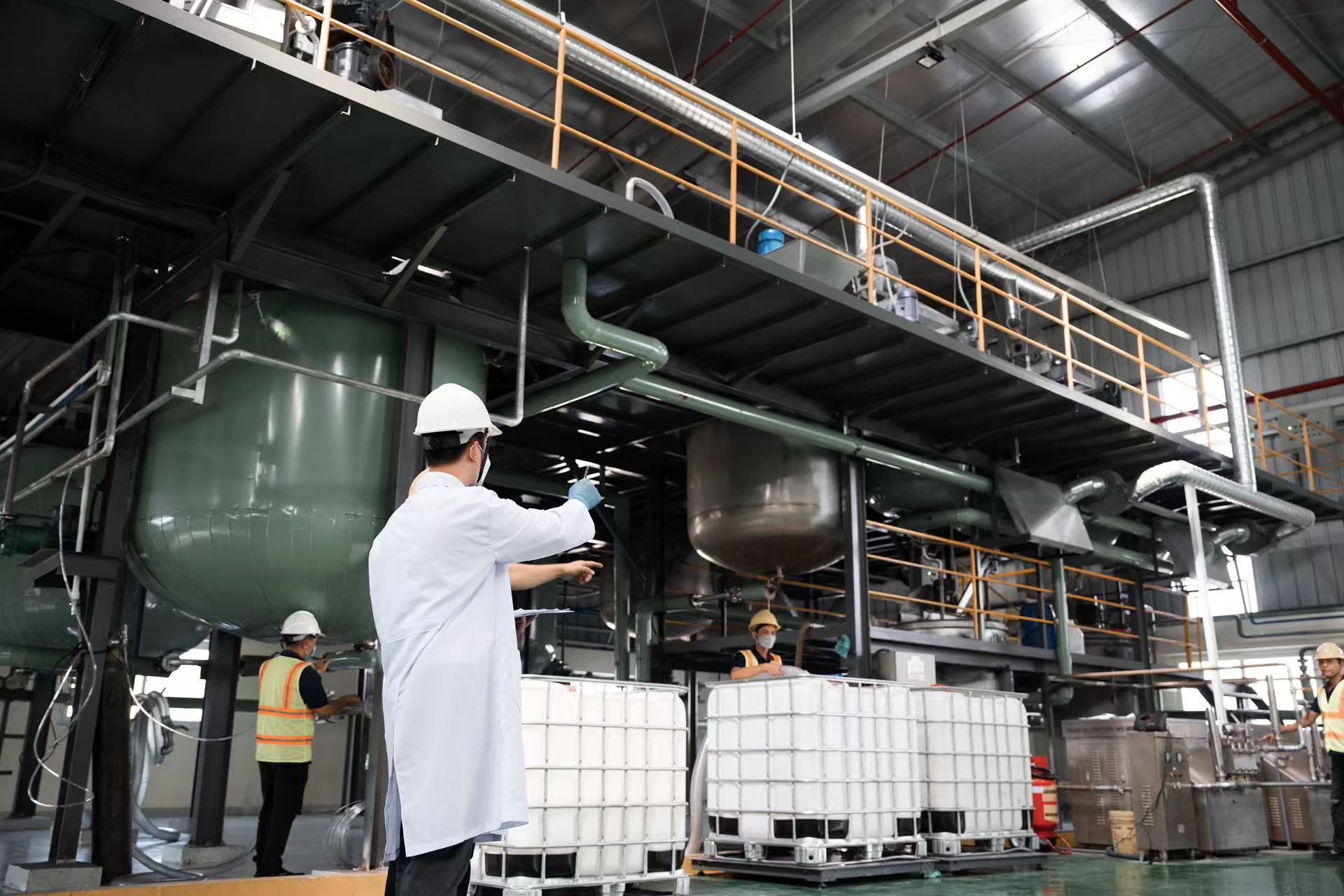
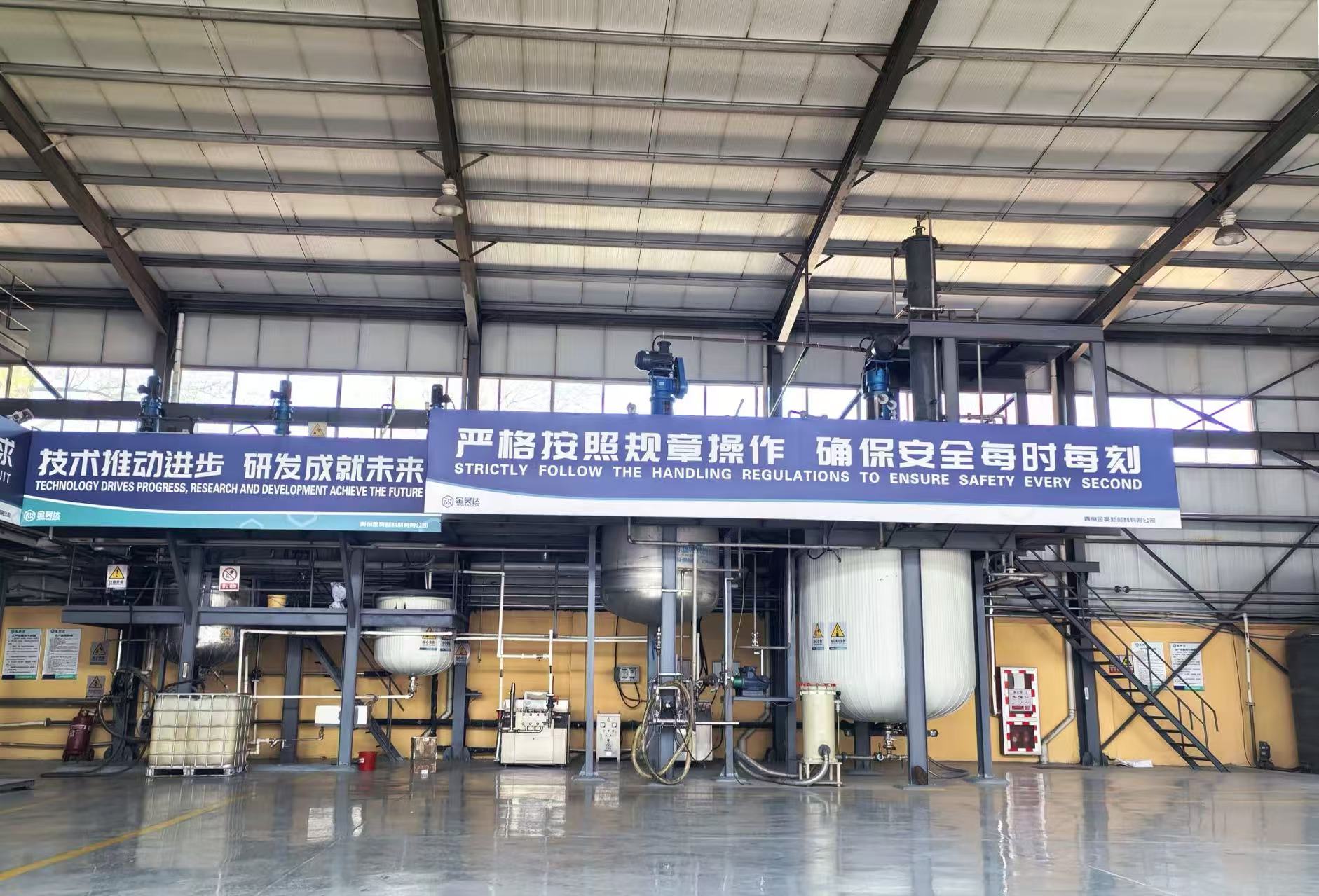
Both formats come off standardized automated production lines for liquid and solid papermaking chemicals, and both are supported by customized formulation development and pre-shipment laboratory testing. The selection logic is usually straightforward: liquid grades suit mills with automated dosing, closed wet-end systems and normal workshop storage, while powder grades suit routes where freight per ton or limited tank capacity outweighs the handling cost of dissolving, or where dosing is intermittent.
Step-by-Step Breakdown: Verifying Parameters Before and After Delivery
This seven-step sequence applies to any dry strength agent, liquid or powder, and can be run by a mill technical team or a distributor's quality function.
- Normalize the offer to active solids. Convert each quotation into cost and dose per ton of active polymer using the stated solid content and tolerance, then compare. This single step removes most of the confusion between 15.0% and 20.0% grades.
- Match the pH window to the wet end. Check the delivered pH range against your stock pH range and the other chemicals in the programme, including sizing and retention aids and any wet strength resin.
- Confirm viscosity at a stated temperature. Ask for the measurement temperature and instrument, then confirm that the pump, flow meter and dilution line can handle the top of the window, not just the middle of it.
- Fix the dosing point and dilution ratio before the trial. Decide where the additive is added, at what concentration and with what mixing energy, and record it. Parameters that are stable in the tank can still be dosed badly.
- Verify on arrival. Run an incoming check on solid content, pH and viscosity against the TDS, and file the batch COA together with the pre-shipment inspection report. This is the acceptance evidence if a later dispute arises.
- Run the on-machine trial as a measured ramp. Establish a baseline for ring crush strength, bursting strength, tensile strength, Cobb water absorption and fiber retention, then increase dose in defined steps and record the response. JHDA's field technical team supports on-site machine debugging of exactly these indicators.
- Lock storage and rotation rules. Keep liquid grades within 5–35 °C in normal workshop storage, protect powder grades from moisture, and rotate stock first-in-first-out so that viscosity and pH are measured on material still inside its intended life.
Use Cases: Where Each Parameter Window Matters Most
Recycled containerboard and corrugated board
On recycled OCC lines, ring crush strength and bursting strength are the binding constraints, and furnish variability makes dosing accuracy more valuable than raw additive strength. Comparison data published by JHDA reports ring crush strength increases of 10%–18% and bursting strength increases of 7%–14% at equal dosage versus imported additives, alongside a reported 8%–15% improvement in fiber retention. Those outcomes depend on the dose actually reaching the stock, which is a parameter question rather than a formulation question.
Kraft linerboard and carton board
Kraft paper strength additives and carton board reinforcing agents are judged on tensile strength, stiffness and converting behaviour. On these grades the pH window matters more, because the additive has to coexist with the sizing system that controls water resistance.
High-filler recycled grades
Higher filler loading lowers fiber bonding, and the dry strength agent has to compensate without simply being overdosed. Parameter control matters in both directions here: too little active solids and the strength gap is never closed, too much and the mill pays for polymer it does not need.
Tissue paper and pulp molding
JHDA supplies the JH-1216 dry strength agent and the JH-1201 PAE wet strength agent for tissue paper and pulp molding products. Pulp molding adds a further requirement, because the additive must support bonding without interfering with the dewatering and drying steps that set cycle time.
Food-contact carton board
Where board goes into food packaging, parameter control is also a compliance question. Paper and board intended for food contact in the EU must comply with EN 645, EN 646 (colorfastness) and EN 648 (fluorescent fastness), and the BfR Recommendation XXXVI framework is widely referenced for paper and board chemicals in contact with food. JHDA holds SGS food contact safety testing for packaging paper chemicals, and part of the product range is produced to food-grade standard.
Comparison Table: Parameter Reference and Format Matrix
The first table sets out the specified windows for the JH-D726 liquid dry strength agent and what each value controls on the machine. It is the reference sheet for incoming inspection and for supplier comparison.
| Parameter | Specified window | What it controls | How to verify | If it drifts |
|---|---|---|---|---|
| Solid content | 15.0 ± 1.0% (standard grade) or 20.0 ± 1.0% (high-solid grade) | Active polymer delivered per kilogram of product; dose calculation; freight and storage volume per active unit | Solids test on the as-supplied sample, checked against the batch COA | Either under-dosing and lost strength, or unplanned over-consumption per ton of paper |
| pH | 3.0–6.0 | Product stability and compatibility with the wet-end chemical programme | pH meter reading on the as-supplied sample | Charge interaction problems, unstable retention, variable strength response |
| Viscosity | 4,000–12,000 cps | Pumpability, metering accuracy and dispersion on dilution | Viscometer reading at the temperature stated on the TDS | Dosing error, surging or plugged lines, uneven mixing in the stock |
The second table shows where the three parameters are verified in each format, because liquid and powder products are not inspected at the same point in the process.
| Item | Liquid format (JH-D726) | Powder format (JH-1699) |
|---|---|---|
| Delivery form | Ready-to-use liquid | Solid, made down into solution before dosing |
| Where parameters are tested | On the as-supplied product | On the powder as delivered and on the prepared solution |
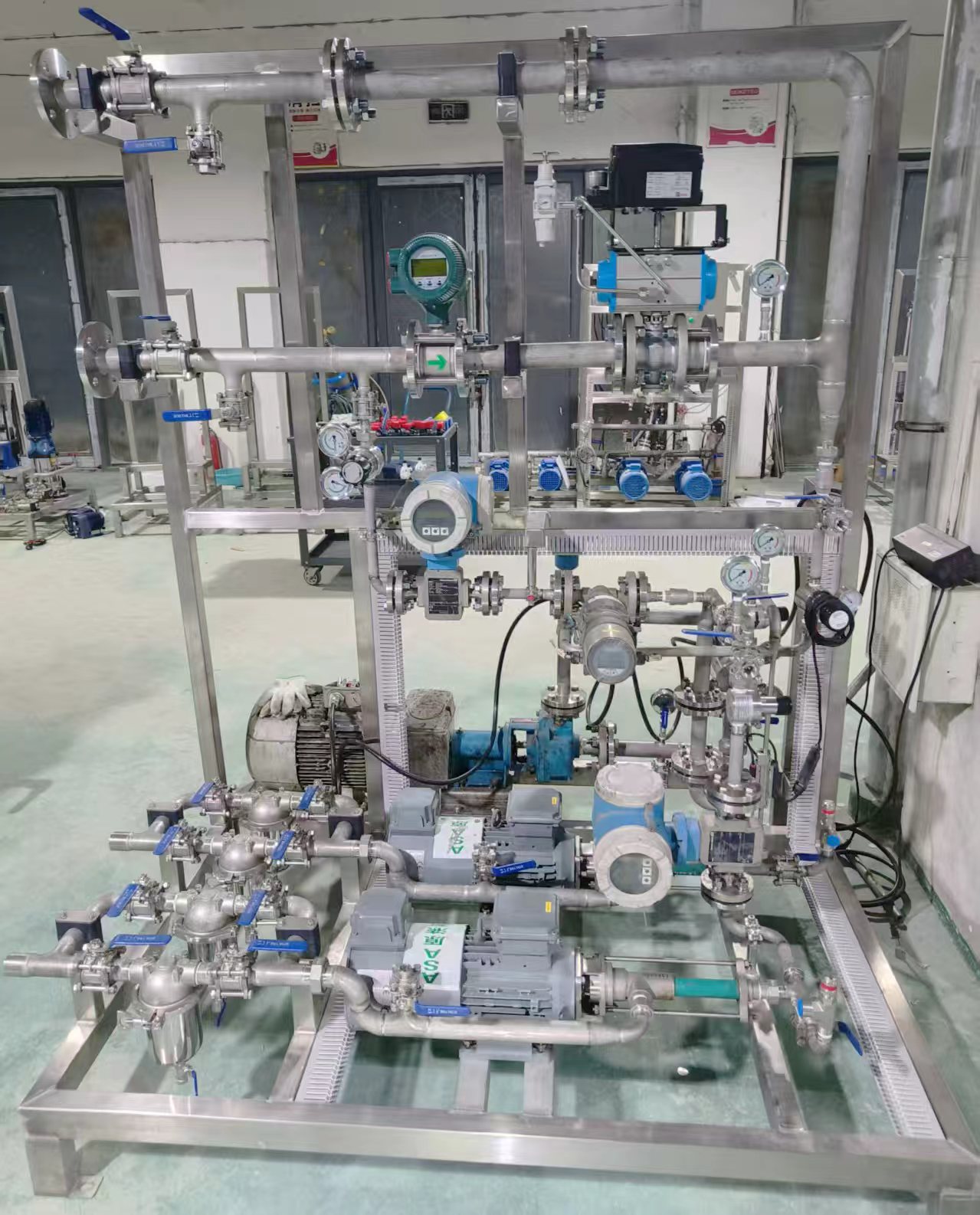
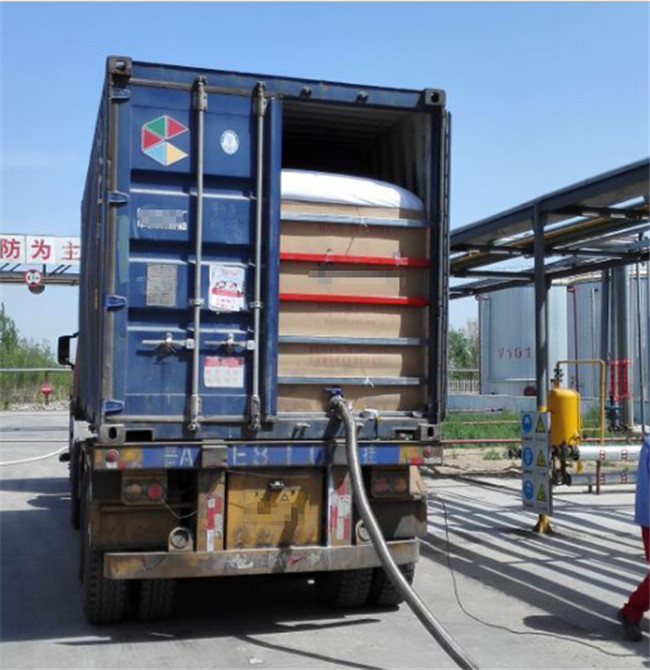
| Dosing method | Pumped and metered from tank, drum or IBC | Weighed and dissolved, then dosed |
| Practical QC focus | Solid content, pH and viscosity per batch | Delivered solid content, solution pH and solution viscosity |
| Storage | Stable in normal workshop storage between 5 °C and 35 °C | Dry storage, protected from moisture |
| Typical fit | Automated dosing and closed wet-end systems | Freight-sensitive routes or limited tank capacity |
FAQ: Dry Strength Agent Parameters and Long-Term Supply
What certifications and documents support the parameters stated on a dry strength agent TDS?
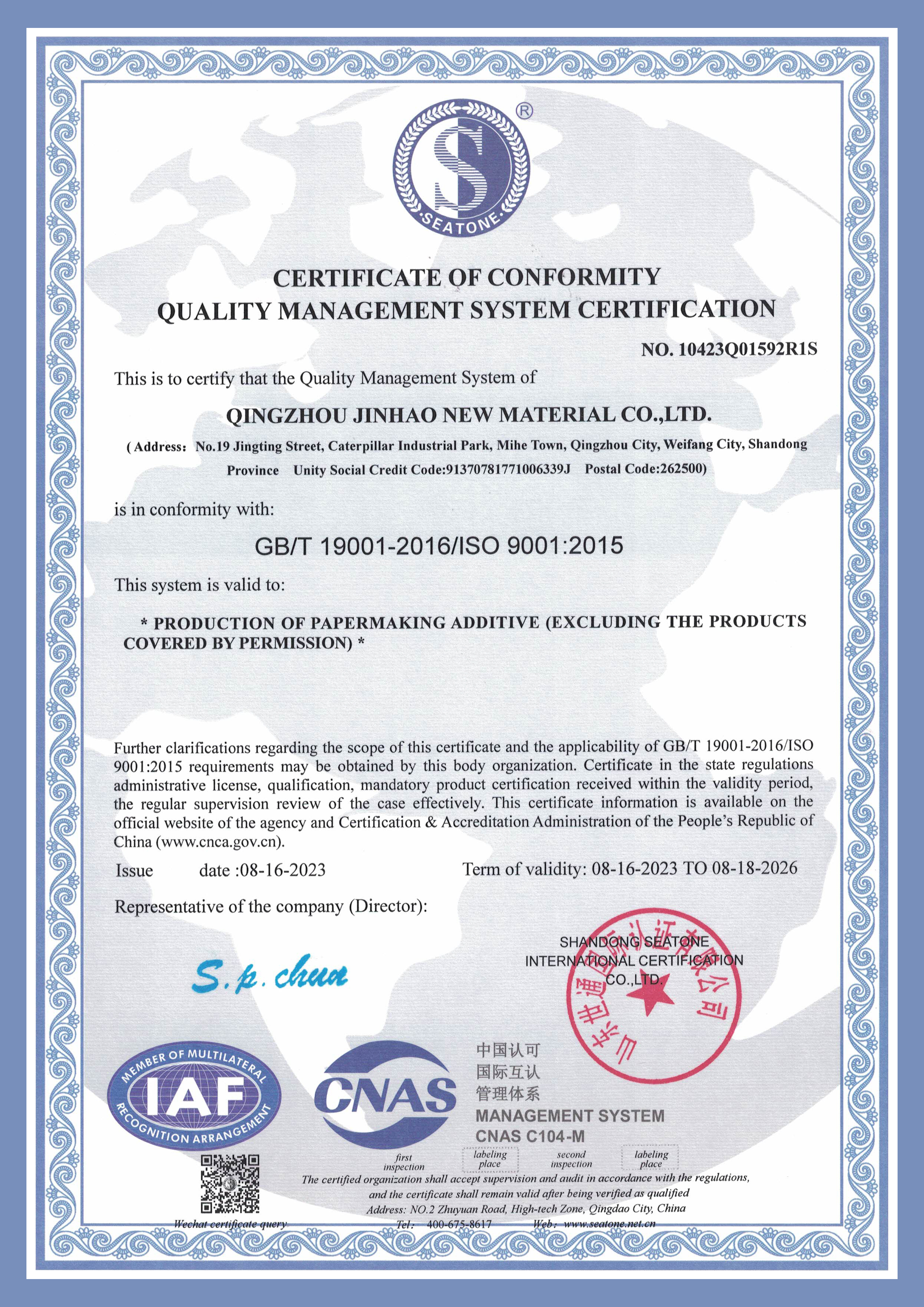
Qingzhou Jinhao New Material Co., Ltd. holds ISO 9001 quality management system certification, ISO 14001 environmental management system certification and SGS product compliance test reports, and part of its product range is produced to food-grade standard; HALAL certification is also held. Export shipments are supported with a TDS, an MSDS, a certificate of origin and a pre-shipment inspection report. The pre-shipment test is also the acceptance basis written into the order, alongside an MOQ of 1MT, FOB or CIF delivery terms and T/T or L/C payment.
Can solid content, pH and viscosity be matched to a specific paper machine?
Grade selection and formulation tailoring are part of the service rather than an exception. The liquid JH-D726 range offers a 15.0 ± 1.0% and a 20.0 ± 1.0% solid content grade, and the grade is chosen against the mill's dosing equipment, storage temperature and stock conditions. JHDA also provides customized chemical formulation development based on pulp composition — recycled pulp or virgin wood pulp — and on the actual paper machine operating parameters, with 20 engineers in the R&D and technical service team. The specification window printed on the TDS remains the acceptance reference.
Can we validate the parameters on a sample before placing a bulk order?
Yes. JHDA provides laboratory sample testing and on-machine trial support, so solid content, pH and viscosity can be checked against the mill's own dosing set-up before a bulk commitment. Bulk orders start at an MOQ of 1MT, and delivery is quoted on FOB or CIF terms with T/T or L/C payment; sample and trial arrangements are handled directly with the international sales team.
How should a liquid dry strength agent be stored to keep its parameters stable?
Liquid dry strength agent grades remain stable in normal workshop storage conditions between 5 °C and 35 °C, so dedicated temperature-controlled warehousing is not required. Storage practice that protects the specified parameters is straightforward: keep tanks and drums closed, rotate stock on a first-in-first-out basis, avoid direct sun and freezing, and record the batch number against the COA so that any deviation in solid content, pH or viscosity can be traced back to a delivery.
Can you support long-term supply of paper strength agents for a recycled pulp mill?
Long-term supply is the normal operating model rather than a special arrangement. Qingzhou Jinhao New Material has maintained stable strategic cooperation with dozens of large-scale packaging paper mills in Southeast Asia for more than 10 years, and operates an overseas supporting production entity, CRM Chemical Technology Co., Ltd., in Long An Province, Vietnam, which shortens delivery cycles for ASEAN customers. Because the parameters that matter on a recycled pulp line — solid content, pH and viscosity — are batch-controlled and documented, the practical next step is to send your stock conditions and dosing set-up for a sample trial and a tailored recommendation.
Conclusion: Read the Parameters, Then Read the Price
A dry strength agent is bought on a price per ton but paid for on the machine, and the machine reads solid content, pH and viscosity long before it reads a brand name. Normalize every quotation to active solids, confirm the pH window against your wet end, verify viscosity at a stated temperature, and check all three on arrival against the TDS and COA. That routine protects ring crush strength, bursting strength and tensile strength more reliably than any single formulation claim.
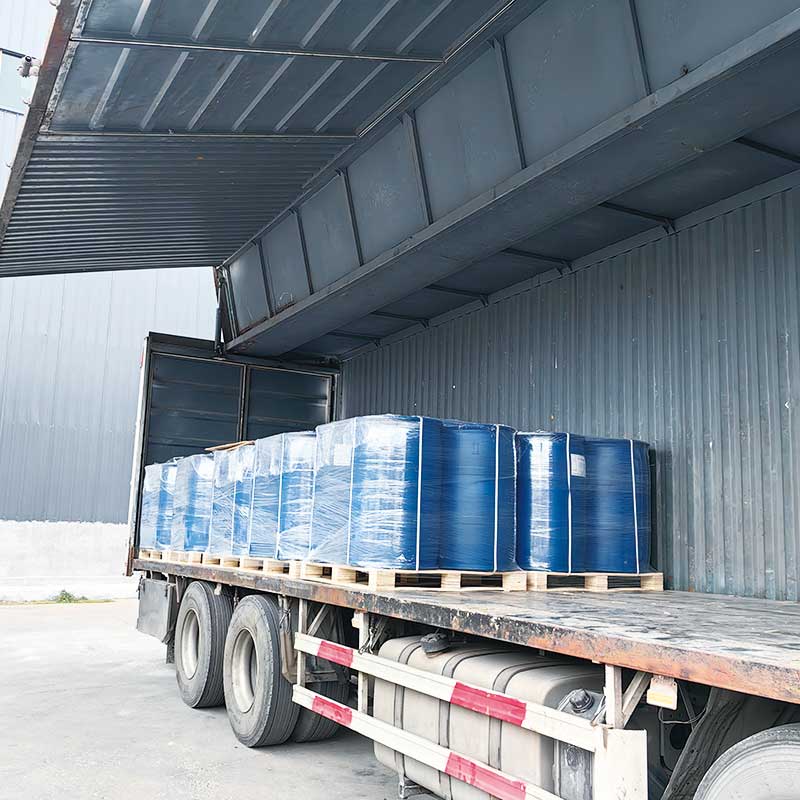
Next step: send your furnish type, machine speed and current dosing set-up, and JHDA will recommend the matching solid content grade and arrange a sample trial with pre-shipment laboratory testing. Bulk orders start at an MOQ of 1MT, with FOB or CIF terms and T/T or L/C payment.
WhatsApp: +86 139 6468 8976 · Email: info@sdqzjinhao.com · Tel: +86-536-3808962
Website: Qingzhou Jinhao New Material Co., Ltd. (JHDA)
Download the product brochure: JHDA Papermaking Chemicals Introduction 2026 (PDF)