Key Technical Parameters for Selecting Anionic Surface Sizing Agents
Key Technical Parameters for Selecting Anionic Surface Sizing Agents
An anionic surface sizing agent is bought on a short list of measurable properties: solid content, pH, viscosity, ionic type, appearance and shelf life. Those values decide how the product meters at the size press, how it behaves in a starch bath, how it transfers through the film press and how evenly the sized surface forms across the sheet. This guide explains the machine behaviour behind each parameter, using JH-325 Anionic Surface Sizing Agent from Qingzhou Jinhao New Material Co., Ltd. (branded JHDA) as a worked example.
JH-325 is an anionic styrene acrylic surface sizing agent supplied at 25.0 ± 1.0% solid content, pH 2.0–5.0 and viscosity ≤50 cps at 25 °C, with anionic ionic type, full water solubility and a six-month shelf life. Read correctly, the same numbers answer most of the questions a paper mill asks before a trial: how much liquid to dose, whether the product will sit well with the starch cook, whether the pump and screen will handle it, and whether it can share a system with the chemistry already in use.
Problem Definition: Where Anionic Surface Sizing Decisions Go Wrong
Surface sizing is one of the few papermaking chemical decisions that reduces almost entirely to numbers. The difficulty is not reading the technical data sheet; it is knowing which number drives which behaviour on the machine. Three misreads account for most sizing problems that are later blamed on the chemistry itself.
- Comparing price per ton of liquid instead of price per ton of active polymer. Two styrene acrylic surface sizing agents can differ in solid content. JHDA formulates its cationic surface strength grade JH-611 at 30.0 ± 1.0% solids and its anionic grade JH-325 at 25.0 ± 1.0%. At the same target add-on, the lower-solids product requires more litres per ton of paper, so the two cannot be compared on a per-drum basis.
- Ignoring ionic type. An anionic surface sizing agent belongs in an anionic or non-ionic bath. Introduced into a stream that carries cationic chemistry, the charges neutralise each other and the sizing effect is lost before the sheet is formed.
- Reading viscosity without its temperature. The specification of ≤50 cps is tied to 25 °C. A reading taken on a cold drum, or from a bath diluted to a different solids level, describes a different fluid and a different flow behaviour.
None of these errors show up on a purchase order. They surface as streaks, uneven ink absorption, mottled print or a consumption figure that keeps climbing without any change in dosing pump settings.
Industry Background: Why Sizing Parameters Matter More Than Before
The sizing agent category is large and still expanding. Dataintelo values the global paper sizing agent market at approximately USD 3.8 billion in 2025 and projects USD 5.9 billion by 2033, a CAGR of 5.8%. Synthetic sizing agents, including AKD and ASA, held 54.5% of the market in 2024 according to SNS Insider, and liquid forms accounted for 57.8% of sizing agent use in the same year, a reflection of how easily liquids can be metered into existing size press systems.
Demand is concentrated in Asia Pacific, which held a 42.3% revenue share as of 2025, with China's annual paper sizing agent consumption estimated at 650,000 tons in 2025 (Dataintelo). Two technical pressures follow from that scale. More mills run recycled fibre on faster machines, where the surface sizing bath has to stay stable across long runs. At the same time printability requirements keep tightening: Dataintelo notes that surface sizing agents such as styrene acrylic (SAE) are essential for improved printability in digital printing, which raises the cost of uneven film formation.
In that environment the parameters on a technical data sheet stop being paperwork and become the operating window for the size press.
The Parameters That Decide Runnability and Coating Uniformity
For an anionic styrene acrylic surface sizing agent, five entries on the technical data sheet carry almost all of the operational information.
Solid content: 25.0 ± 1.0% sets the dosing baseline
Solid content is the share of active polymer in the delivered liquid. On JH-325 it is 25.0 ± 1.0%, which means one tonne of product carries roughly 250 kg of active anionic styrene acrylic material. Dosing is therefore a division problem: the litres required per ton of paper equal the target active add-on divided by 0.25. A mill that switches supplier without re-running that calculation changes its real add-on even when the dosing pump setting stays identical.
The ± 1.0% band matters as much as the nominal figure. Batches inside the band behave consistently in a properly controlled bath; batches sitting at the edge of the band shift the effective dose by a few percent, which is usually invisible on the sheet but visible in consumption records. Checking the certificate of analysis against the technical data sheet on each delivery is the cheapest control available, and it is one of the standard QA steps applied to JHDA export lots, together with appearance, pH, viscosity, particle size and functional tests.
pH 2.0–5.0 keeps the dispersion stable and the bath predictable
Anionic styrene acrylic dispersions are supplied in an acidic range, and JH-325 is specified at pH 2.0–5.0. This is not a statement about the paper; it describes the environment in which the polymer stays dispersed and pumpable. In practice the mill should control the pH of the diluted sizing bath rather than the drum, because the bath is where the product meets cooked starch, water and any other surface additive.
Acidic-range chemistry is typically associated with acid and neutral surface sizing systems, and JH-325 is listed as a cultural paper surface sizing agent, a writing and printing paper sizing additive, an offset printing paper surface sizing agent, an acid paper sizing chemical and a starch-compatible anionic sizing agent. The practical constraint is sequence: an anionic surface size should be added downstream of cationic wet-end chemistry, not into it.
Viscosity of ≤50 cps at 25 °C controls transfer and uniformity
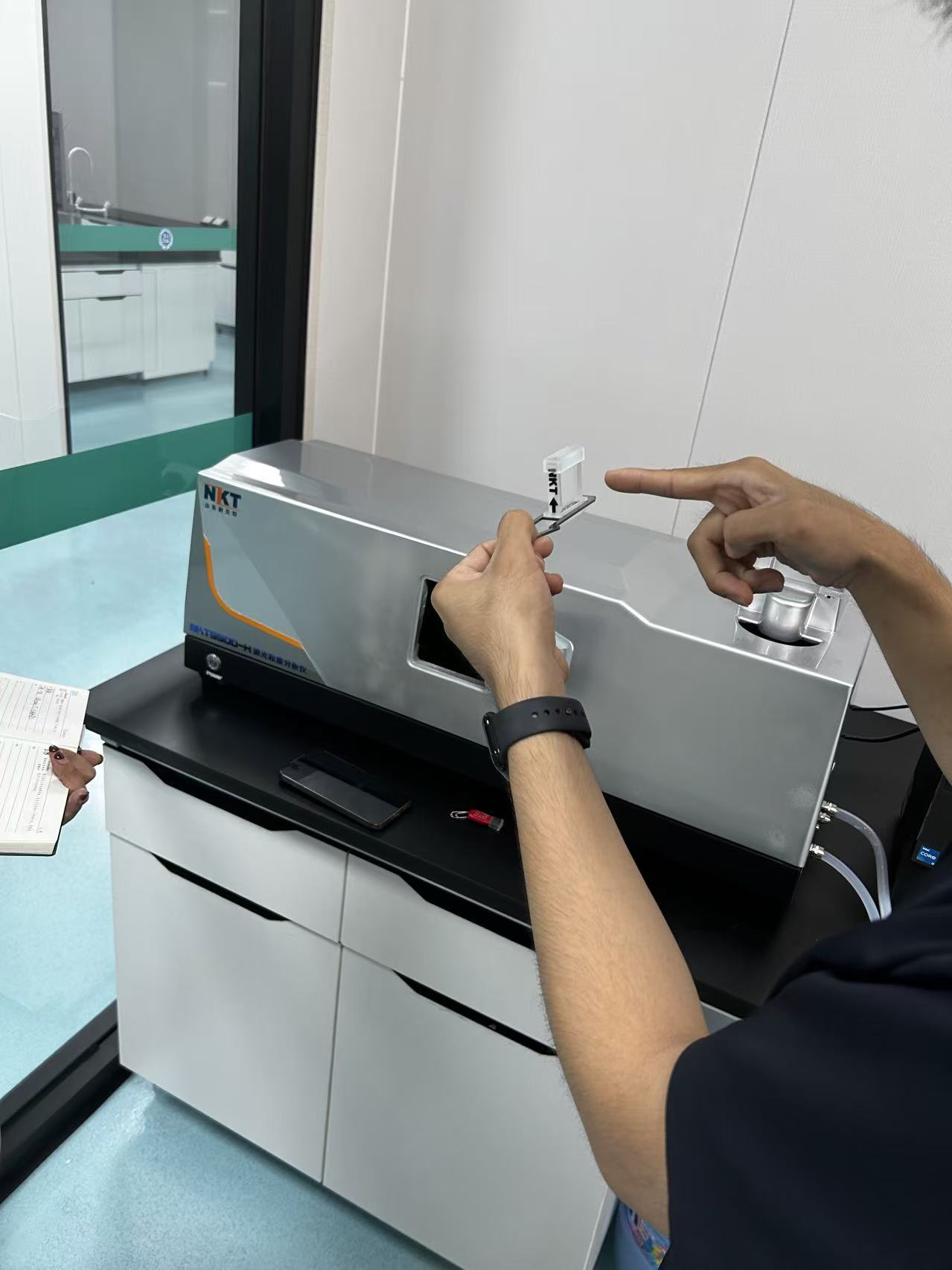
Viscosity governs how the bath moves: from the mixing tank, through pumps and screens, onto the film press or size press rolls, and into the sheet surface. A low-viscosity product such as JH-325, specified at ≤50 cps at 25 °C, is formulated to flow and level, which supports even film splitting and consistent pick-up across the web.
Viscosity is also the parameter most often measured incorrectly. It is temperature dependent, and the specification is tied to 25 °C. Dilution changes it as well, so a bath running below drum solids is a different fluid with different flow behaviour. Where streaks, mottling or uneven ink absorption appear, the viscosity of the actual bath, measured at a controlled temperature, is the first value worth re-checking.
Ionic type: anionic is a placement decision, not a quality ranking
Ionic type does not rank products by quality; it dictates where a product can be used. JH-325 is anionic and suits starch-compatible surface sizing systems where the bath chemistry is anionic or non-ionic. JHDA also supplies cationic surface grades for mills whose surface chemistry requires a positive charge: JH-611 (styrene acrylic copolymer, 30.0 ± 1.0% solids), JH-600 moisture resistant SAE grade (styrene acrylic, 30 ± 1% solids) and JH-200 surface AKD sizing agent (AKD wax powder, 20.0 ± 1.0% or 30.0 ± 1.0% solids).
The failure mode when the two charges are mixed is not gradual. Neutralisation produces precipitation and spots, and the sizing effect disappears. Dedicated dosing lines and clean changeover procedures between anionic and cationic streams are the simplest control.
Appearance, solubility and shelf life: the early-warning indicators
JH-325 is a white to light brown liquid, soluble in water, with a shelf life of six months. Appearance is a fast batch check: an unexpected colour shift usually means something changed upstream of the mill. Solubility confirms that dilution into water and into the starch system is straightforward. Shelf life is a stocking rule rather than a technical limit; it sets how much inventory is sensible and how remaining shelf life should be treated as part of the purchase decision.

Parameter-to-Machine Map for JH-325
The table below links each published specification to the machine behaviour it influences and to the check a mill should run before committing to a trial.
| Parameter (JH-325) | Specification | What it controls on the machine | What to verify before a trial |
|---|---|---|---|
| Solid content | 25.0 ± 1.0% | Active polymer per litre; dosing volume; effective chemical cost per ton of paper | Certificate of analysis against the data sheet; dosing calculation from the target active add-on |
| pH | 2.0–5.0 | Stability of the dispersion; behaviour inside the starch bath | pH of the diluted bath, not only of the drum |
| Viscosity (25 °C) | ≤50 cps | Pumping, screening, film transfer, coating uniformity | Measurement temperature; viscosity after dilution |
| Ionic type | Anionic | Position in the addition sequence; compatibility with other additives | Charge of wet-end and surface chemistry already in use |
| Appearance | White to light brown liquid | Visual batch consistency | Comparison across consecutive deliveries |
| Solubility | Soluble in water | Dilution practice and mixing time | Water temperature and hardness in the dilution line |
| Shelf life | 6 months | Inventory policy and reorder cycle | Remaining shelf life on arrival |
Step-by-Step: Evaluating an Anionic Surface Sizing Agent Before You Commit
- Match the certificate of analysis to the data sheet on three numbers. Solid content, pH and viscosity at 25 °C. These are among the typical QA tests JHDA reports for exported lots, alongside appearance, particle size and functional tests; specific QC procedures and reports can be provided per order.
- Convert solids into a dosing figure. Divide the target active add-on by 0.25 for JH-325. Compare that result across candidate products before comparing prices per drum.
- Check the bath, not the drum. Prepare the diluted sizing bath at the mill's own starch solids and measure pH and viscosity there. This is the fluid that actually meets the sheet.
- Separate the charges. Confirm where the anionic product will be dosed relative to cationic additives, and keep dedicated lines and tanks for each.
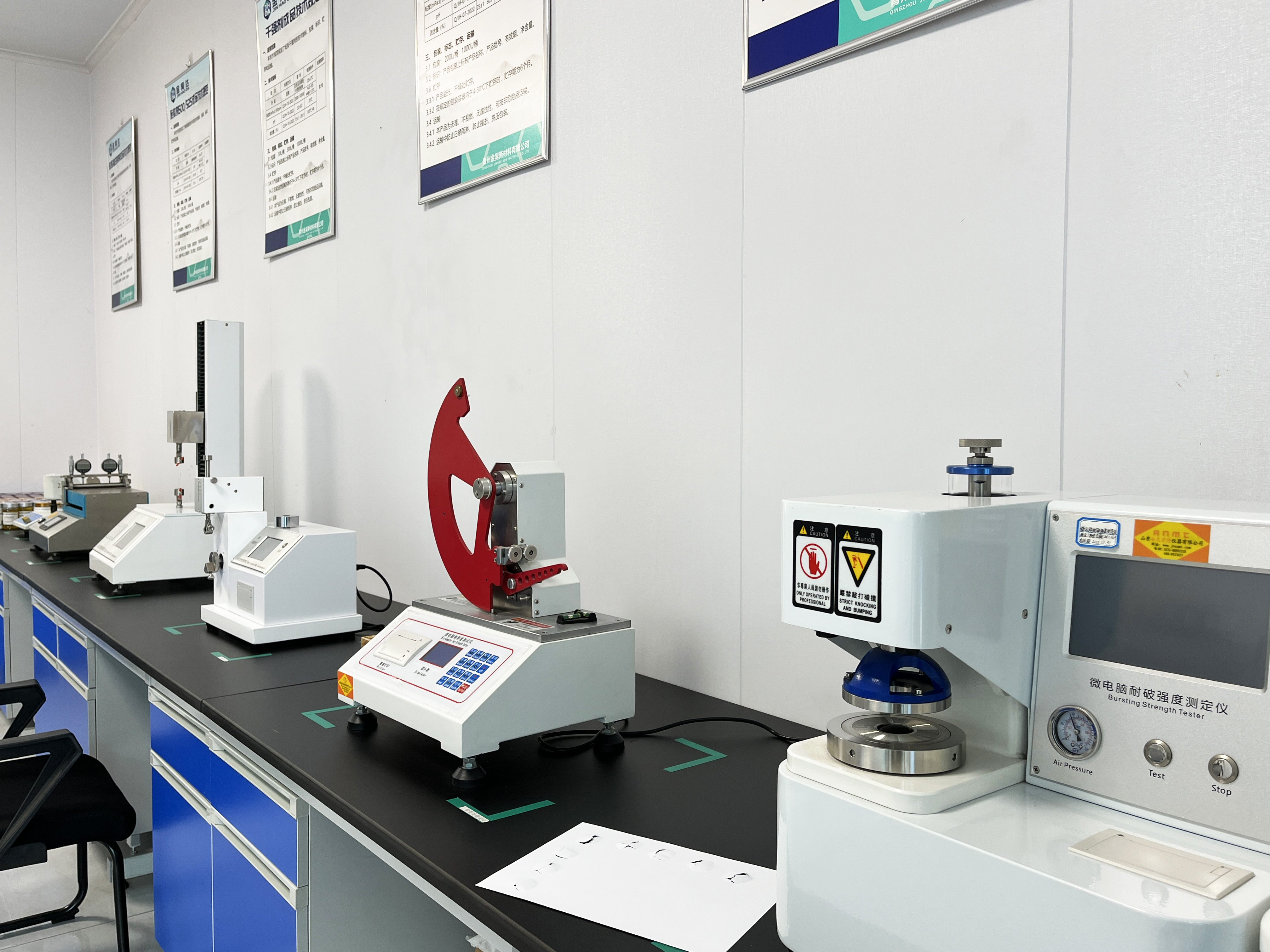
- Validate in the laboratory before the machine. JHDA's pilot laboratory supports formulation testing and performance verification, and free trial samples are available for mill-side evaluation.
- Define measurable outputs for the machine trial. Watch film formation and bath stability on the machine, then verify Cobb water absorption value, ring crush strength, bursting strength, paper brightness and fibre retention rate. These are the indicators JHDA field engineers tune during on-site machine debugging.
- Fix acceptance criteria and supply terms before scaling up. MOQ is 1 MT with delivery terms FOB or CIF, acceptance criteria are pre-shipment test, and payment terms are T/T or L/C. Production lead time is 4 working days against a monthly capacity of 8,000 MT.
Use Cases: Where an Anionic Styrene Acrylic Grade Fits
JH-325 is positioned for surface applications where the sheet needs water resistance and surface strength without disturbing wet-end chemistry:
- Cultural, writing and printing paper where surface sizing is the main lever for water resistance, surface strength and print quality.
- Offset printing paper, where even film formation supports ink hold-out and print uniformity across the web.
- Acid and starch-based surface sizing systems, where a starch-compatible anionic product fits the existing bath recipe with minimal reformulation.
- Mills converting to locally supplied surface sizing chemistry, supported by JHDA's export coverage in Asia, Africa and South America, and by the overseas supporting production entity CRM Chemical Technology Co., Ltd. in Long An Province, Vietnam, which shortens delivery cycles for ASEAN customers.
A different grade is the better answer when the requirement changes. Mills needing surface AKD behaviour, moisture resistance for packaging paper, or a cationic charge in the surface bath are served by other JHDA grades such as JH-200 surface AKD sizing agent, JH-600 moisture resistant SAE grade and JH-611 surface strength sizing agent. Ionic type and solid content are usually the two parameters that rule a grade in or out fastest.
Comparing JHDA Surface Sizing Grades by Technical Parameter
| Grade | Base chemistry | Ionic type | Solid content | pH | Viscosity (25 °C) | Shelf life |
|---|---|---|---|---|---|---|
| JH-325 Anionic Surface Sizing Agent | Anionic styrene acrylic | Anionic | 25.0 ± 1.0% | 2.0–5.0 | ≤50 cps | 6 months |
| JH-611 Surface Strength Sizing Agent | Styrene acrylic copolymer | Cationic | 30.0 ± 1.0% | 2.0–5.0 | ≤50 cps | 6 months |
| JH-600 Moisture Resistant SAE Surface Sizing Agent | Styrene acrylic | Cationic | 30 ± 1% | 2.0–5.0 | <50 cps | 6 months |
| JH-WH3364 Surface Enhanced Water Resistant Agent | Weak anionic styrene acrylic; AKD | Weak cationic | 25.0 ± 1.0% | 2.0–5.0 | ≤50 cps | 4 months |
| JH-200 Surface AKD Sizing Agent | AKD wax powder | Cationic | 20.0 ± 1.0% / 30.0 ± 1.0% | 2.0–5.0 | ≤50 cps | 3 months |
| JH-103 AKD Internal Sizing Agent | AKD wax | Cationic | 12.5–25.0 ± 1.0% | 2.0–5.0 | ≤50 cps | 4 months |
All values above are published JHDA technical data. Note that solid content differs deliberately between grades: the anionic surface grade is supplied at 25.0 ± 1.0% while the cationic styrene acrylic surface grades are supplied at 30.0 ± 1.0%, which changes dosing volume and freight cost per active tonne.
FAQ: Anionic Surface Sizing Agents
What certifications and compliance documents support JHDA surface sizing agents?
Qingzhou Jinhao New Material Co., Ltd. holds ISO 9001 quality management system certification, ISO 14001 environmental management system certification and SGS product compliance test reports. The company also holds HALAL certification No. 6637250000, issued by Shandong Halal Certification Service (SHC) for paper-making industry additives under Indonesia Halal Law and MS1500:2019, valid from 2025-08-29 to 2028-08-28 for Indonesia and global Halal-compliant markets. Part of the product range is manufactured to food-grade standard, and JHDA separately supplies food-grade water vapour barrier coating and hydrophobic coating for direct food-contact packaging paper. Where a finished paper must satisfy food-contact rules such as EU Regulation (EC) No 1935/2004 or US FDA 21 CFR, the required document set should be confirmed with the supplier per order, because compliance is assessed for the finished paper and its specific end use.
Can the formulation be adapted to our paper machine and pulp mix?
Yes. JHDA offers formulation customization, OEM/label production, and specification and packaging customization, with the specific options confirmed with the sales team. ODM services include formulation customization and specification customization, and OEM services include label production. The company employs 20 R&D and on-site technical service engineers, and its in-house pilot laboratory supports targeted formula customization, free formulation testing and performance verification. Formulations are adjusted to pulp composition, including recycled pulp and virgin wood pulp, and to actual machine operating parameters. Export markets cover Asia, Africa and South America.
How should cost be compared between anionic surface sizing agents?
Compare cost per ton of active polymer rather than cost per ton of liquid. JH-325 carries 25.0 ± 1.0% solids, so the same target add-on requires more litres than a 30% product, and dosing volume, dilution labour, freight and inventory all follow from solid content. JHDA positions its papermaking chemical range as an alternative to high-cost imported additives and customises formulas by pulp composition and machine parameters to reduce chemical consumption per ton of paper. Commercial terms are MOQ 1 MT, FOB or CIF delivery, and payment by T/T or L/C.
Can we test the product before placing a bulk order?
Free trial samples are available, and the MOQ for follow-up bulk orders is 1 MT. JHDA's self-owned pilot laboratory is open to customers for formulation testing and performance verification, and the field technical team can carry out on-site machine debugging that tunes Cobb water absorption value, ring crush strength, bursting strength, paper brightness, fibre retention rate and overall machine runnability. Pre-shipment testing is the standard acceptance criterion for exported orders.
What is the lead time and how is supply continuity handled?
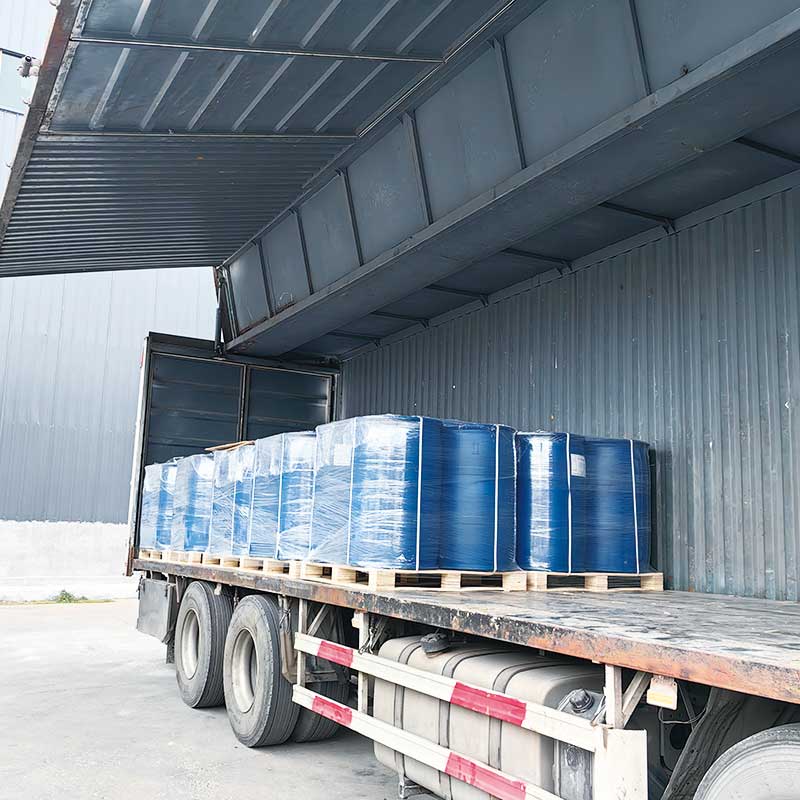
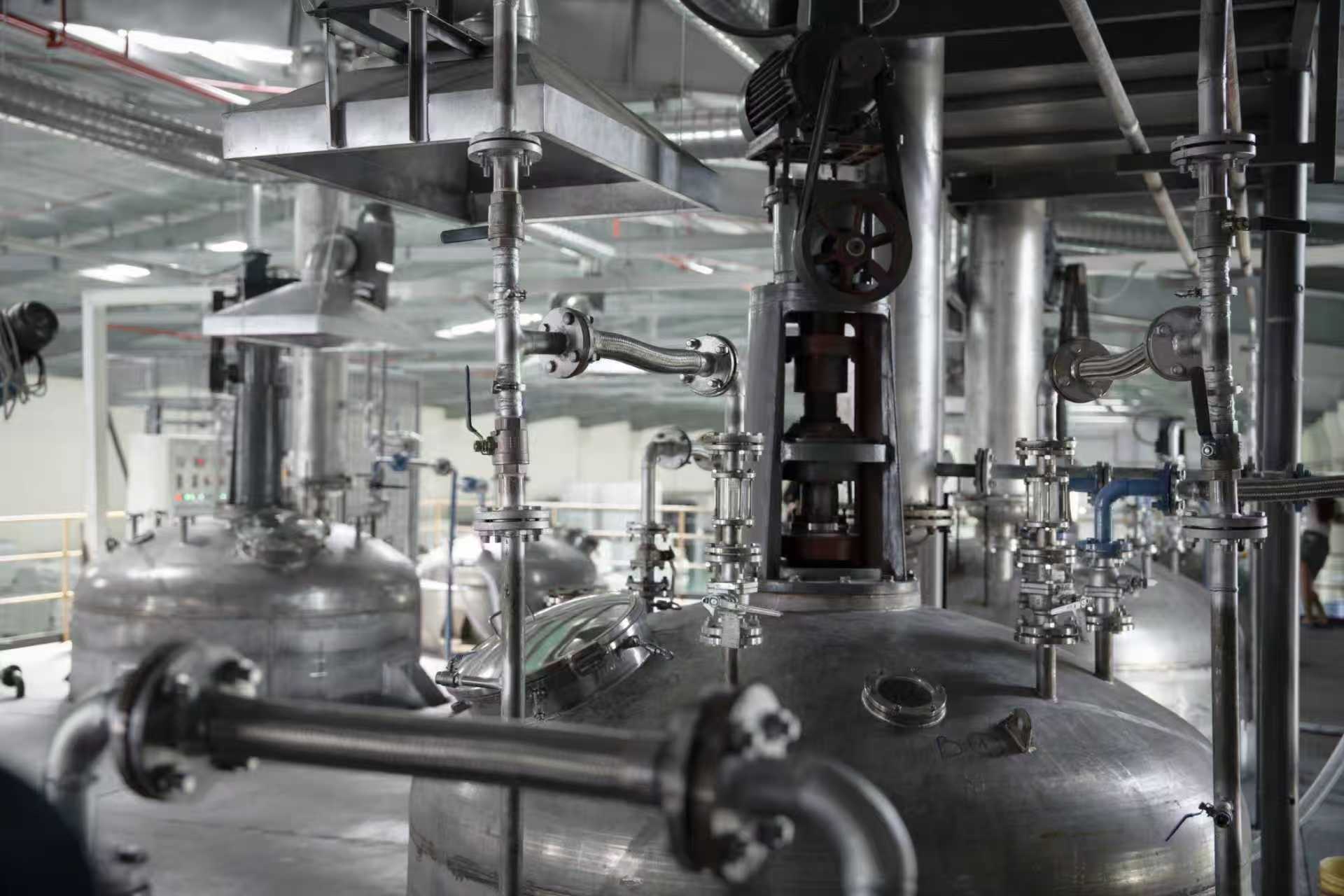
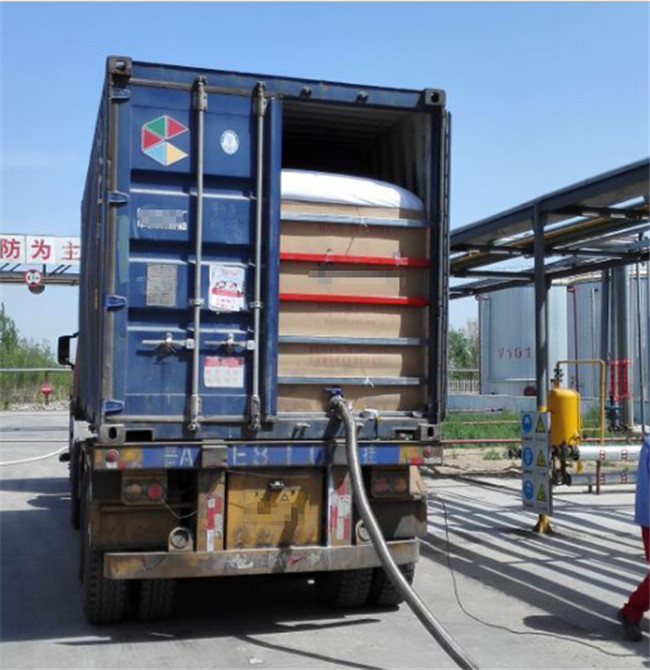
Production lead time is 4 working days, supported by a monthly capacity of 8,000 MT, and JHDA runs standardised automated production lines for liquid and solid papermaking chemicals to keep batch quality consistent for bulk orders. The company's annual output reaches 100,000 tons. Exports serve Asia, Africa and South America, and the overseas supporting production entity CRM Chemical Technology Co., Ltd. in Long An Province, Vietnam provides local delivery for ASEAN customers and shorter delivery cycles. Export documentation includes commercial invoice, packing list, certificate of origin, pre-shipment inspection report, MSDS and TDS. To start a sample evaluation or request a quotation, contact the international sales team at info@sdqzjinhao.com or +86 139 6468 8976, or review the full product range at en.sdqzjinhao.com.
Conclusion: Three Numbers, One Decision Rule
Selecting an anionic surface sizing agent is a matter of matching measurable parameters to machine behaviour. Solid content of 25.0 ± 1.0% defines the dosing baseline and the real cost per active tonne. pH 2.0–5.0 defines where the product stays stable and how it must be sequenced against cationic chemistry. Viscosity of ≤50 cps at 25 °C defines how the bath transfers and how evenly the film forms. Ionic type, appearance, solubility and the six-month shelf life complete the operating window.
The decision rule that follows is simple: verify the certificate of analysis against the data sheet, recalculate dosing from solid content, confirm bath pH and viscosity under mill conditions, keep anionic and cationic streams apart, and only then move to a machine trial with defined acceptance criteria. Mills that follow those steps convert a chemical purchase into a controlled process change.
Next Step
Evaluate JH-325 Anionic Surface Sizing Agent with a free trial sample, or request formulation customization for your pulp mix and machine parameters.
Email: info@sdqzjinhao.com | WhatsApp: +86 139 6468 8976 | Website: en.sdqzjinhao.com
Company brochure (PDF, public download): introduction2026.pdf