
Navigating Paper Strength Chemical Compliance: EU Food Contact Guide

Strength additives are assessed on two tracks: mill performance and food contact safety.
Paper strength chemicals are part of the food contact article, not a processing aid that washes out of the process. For paper and board intended to touch food in the European market, a dry strength agent, wet strength resin or retention enhancer has to be supported by two things at the same time: a chemistry profile that meets the applicable safety and migration expectations, and documentation a customer, auditor or customs officer can actually verify. This guide explains the regulatory layers, the chemistry criteria that decide pass or fail, and the practical steps a mill can take — using JHDA's JH-1201 wet strength agent and JH-1697 solid dry strength agent as worked examples of how a compliant option is documented, trialled and specified.
Qingzhou Jinhao New Material Co., Ltd. (branded JHDA) is a papermaking fine chemicals manufacturer founded in 2005 and located in Mihe Industrial Park, Qingzhou City, Shandong Province, China. The company develops, produces and exports strength agents, sizing agents, retention and drainage aids, defoamers and functional coating chemicals for kraft linerboard, corrugated medium, tissue, moulded pulp and food-grade board, and it is used throughout this article purely as a concrete example of how a supplier documentation set is assembled.
Problem Definition: Why Strength Additives Sit Inside Food Contact Scope
A strength additive is designed to stay in the sheet. That is the entire purpose of the chemistry, and it is also why it falls under food contact rules rather than being treated as a neutral process chemical.
Retention equals permanence. Dry strength agents, wet strength resins and strength retention emulsions work by bonding to fibre and remaining in the web after pressing and drying. Anything retained in the sheet is part of the finished article that may contact food, so the additive, its residual monomers and its by-products all become part of the compliance question.
Wet strength chemistry carries the highest scrutiny. PAE (polyamide-epichlorohydrin) wet strength resins cross-link inside the fibre network to deliver wet tensile, wet ply bond, wet burst and wet ring crush performance. Because that chemistry involves epichlorohydrin, industry guidance for EU market access cites low residual epichlorohydrin (ECH below 50 ppm) and formaldehyde-free formulations as critical thresholds for wet strength resins. A wet strength grade that performs well on the machine but cannot document its residual profile is a compliance risk, not a bargain.
Recycled fibre widens the risk surface. The recycled paper share of all fibre used at U.S. mills increased to 44.4% in 2024, according to the American Forest & Paper Association, and recycled packaging grades are the fastest-growing application for strength additives. Every additional recovered-fibre stream introduces more substances into the wet end, which raises the burden on the additives a mill deliberately adds.
Brightness chemistry can trigger extra tests. EN 648 covers the fastness of fluorescent whitening agents. Where an optical brightening agent or a whitening component sits in the same wet-end or surface system as the strength additive, the finished article may need that test as well — which is one reason compliance is planned at furnishing level, not additive by additive.
The failure mode is usually paperwork. Mills almost always hold ring crush, burst and tensile data. What they frequently lack is a grade-level statement on residuals, a food contact safety test report and a declaration that names the exact product used. Performance that cannot be documented does not survive a customer audit or an export inspection.
Practical rule: if a paper strength agent will remain in a sheet that touches food, treat it as a food contact material from the first trial, not from the first customer complaint.
Industry Background: A Compliance Question Growing With the Market
Strength chemistry is not a niche line item. The global pulp and paper chemicals market was estimated at USD 23.64 billion in 2024, according to Market Research Future, and strength additives sit at the centre of it because they are added to almost every packaging grade.
- The paper dry strength agent segment alone was valued at approximately USD 864 million in 2024, based on Intel Market Research data.
- The wet strength additives market is expected to reach USD 3.70 billion by 2032, growing at a CAGR of 6.43%, according to Maximize Market Research.
- Packaging and containerboard leads paper grade usage for dry strength additives with a 38.0% share, per Fact.MR.
- Polyacrylamide (PAM) resins dominate the dry strength resin market with an estimated 40.0% share, which matters because PAM-based grades are the most common starting point for a food contact discussion.
Two forces push compliance to the front of the buying decision. First, recycling intensity: higher recycled fibre usage increases both the demand for a recycled pulp strength booster and the number of substances that must be accounted for. Second, documentation expectations: importers of food packaging increasingly ask their paper supplier to name every wet-end additive, and that question travels up the chain to the chemical supplier. In practice, the mills that pass these reviews are the ones that selected additives with documentation available before the specification was frozen.
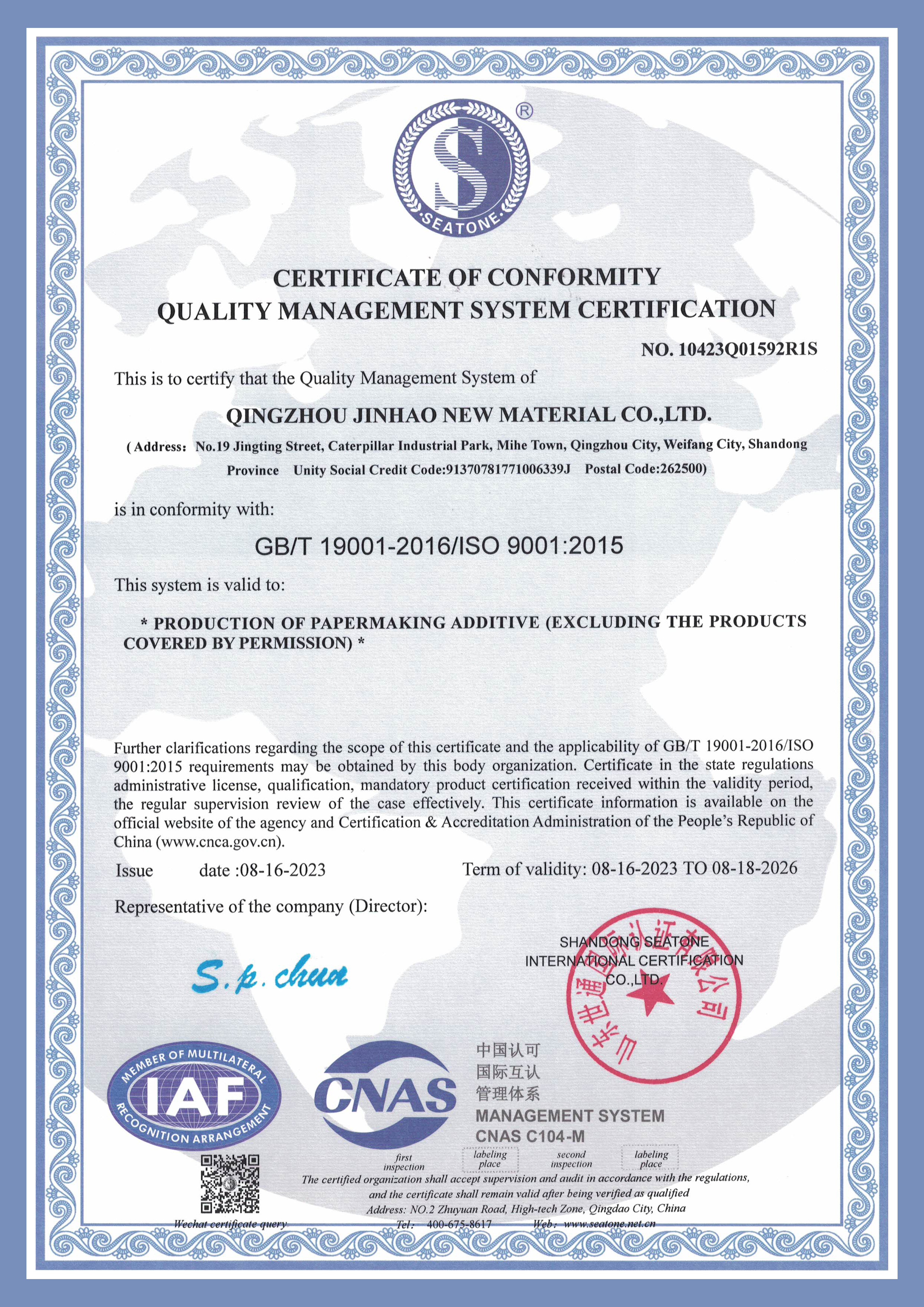
A management system certificate is the foundation layer of a food contact documentation pack.
Detailed Solution: Building a Documented, Compliant Strength Programme
Layer 1 – The four regulatory layers a strength additive must satisfy
EU food contact compliance for paper is not a single certificate. It is a stack of requirements, and each layer asks for a different piece of evidence.
| Compliance layer | What it covers | Evidence a mill should be able to produce |
|---|---|---|
| EU framework regulation for food contact materials | Overall safety: no transfer of constituents to food in quantities that endanger health or unacceptably change the food | Supplier declaration of compliance naming the exact grade, plus migration or extractables testing on the finished article |
| Good manufacturing practice requirements for food contact materials | Manufacturing discipline, traceability and documentation control at the additive producer | ISO 9001 and ISO 14001 certification, batch certificate of analysis, production traceability records |
| National substance recommendations — BfR Recommendation XXXVI (Germany), widely cited globally | The safety framework for paper and board chemicals in contact with food at substance level | A substance-level statement for the chemistry used in each grade, not just a range-level statement |
| Harmonised paper test standards — EN 645, EN 646 and EN 648 | Cold water extract, colour fastness and fastness of fluorescent whitening agents | Third-party laboratory reports on the finished paper or board, obtained by the paper producer or converter |
The practical consequence is that no chemical supplier can make a mill compliant on its own. The supplier documents the additive; the mill documents the article.
Layer 2 – Chemistry criteria that decide the outcome
Three questions separate a workable food contact strength programme from a risky one.
- What residuals does the polymer carry? For PAE-based wet strength resins, residual epichlorohydrin is the headline number, and industry guidance for EU market access cites ECH below 50 ppm together with formaldehyde-free formulation as critical thresholds.
- How much non-active mass is added? A powder grade supplied at 95% or higher active ingredient contributes less carrier and water to the sheet than a dilute liquid, which simplifies the additive inventory in the dossier.
- Is the grade named, or only the product family? A declaration that covers “a dry strength agent” is not usable. It has to name the model, because different models use different base chemistry.
Layer 3 – JH-1201 as a wet strength reference point
JH-1201 is a PAE-based wet strength agent supplied as a light yellow to amber liquid with a solid content of 12.5 ± 1.0%, pH of 2.0–5.0, viscosity of 500 cps or below at 25 °C, cationic ionic type and a six-month shelf life. Its stated performance set covers wet tensile strength, dry tensile strength, wet and dry ply bond strength, wet and dry tear strength, wet and dry bursting strength, wet and dry folding endurance and wet ring crush — the indicators that matter when a food packaging grade has to survive moisture, condensation or a chilled supply chain.
For a food contact application, the parameters above are only half the file. The other half is the documentation: JHDA holds SGS product compliance test reports and has completed SGS food contact safety testing for packaging paper chemicals, and part of the product range is manufactured to food-grade standard. Because PAE chemistry is judged on residuals, a mill preparing an EU declaration should request the current technical data sheet, safety data sheet and grade-specific food contact test documentation for JH-1201, then confirm the numbers against its own end-use conditions.
Layer 4 – JH-1697 for food contact paper and pulp moulding
JH-1697 is a solid dry strength agent supplied as a white powder with an active ingredient content of 95.0% or higher, soluble, cationic, with a twelve-month shelf life. Its base chemistry combines cationic polyacrylamide, polyamide epichlorohydrin resin, modified cationic starch and an amphoteric polymeric reinforcing monomer, and it is applicable to both papermaking and pulp moulding. That combination makes it relevant to food contact paper where a cationic dry strength system is required, and to moulded pulp products where dry strength and hardness must be delivered without compromising the food contact file.
Layer 5 – The documentation pack to request before any trial
- Technical data sheet and safety data sheet for the exact model, not the range.
- Food contact safety test report and product compliance report for the chemistry concerned.
- ISO 9001 quality management system and ISO 14001 environmental management system certification covering papermaking additive production.
- Certificate of analysis per batch, aligned with the parameters that appear on the technical data sheet.
- CAS registration and GHS hazard labelling information, plus MSDS documentation that supports customs clearance and L/C settlement.
- Pre-shipment inspection report and certificate of origin for the individual shipment.
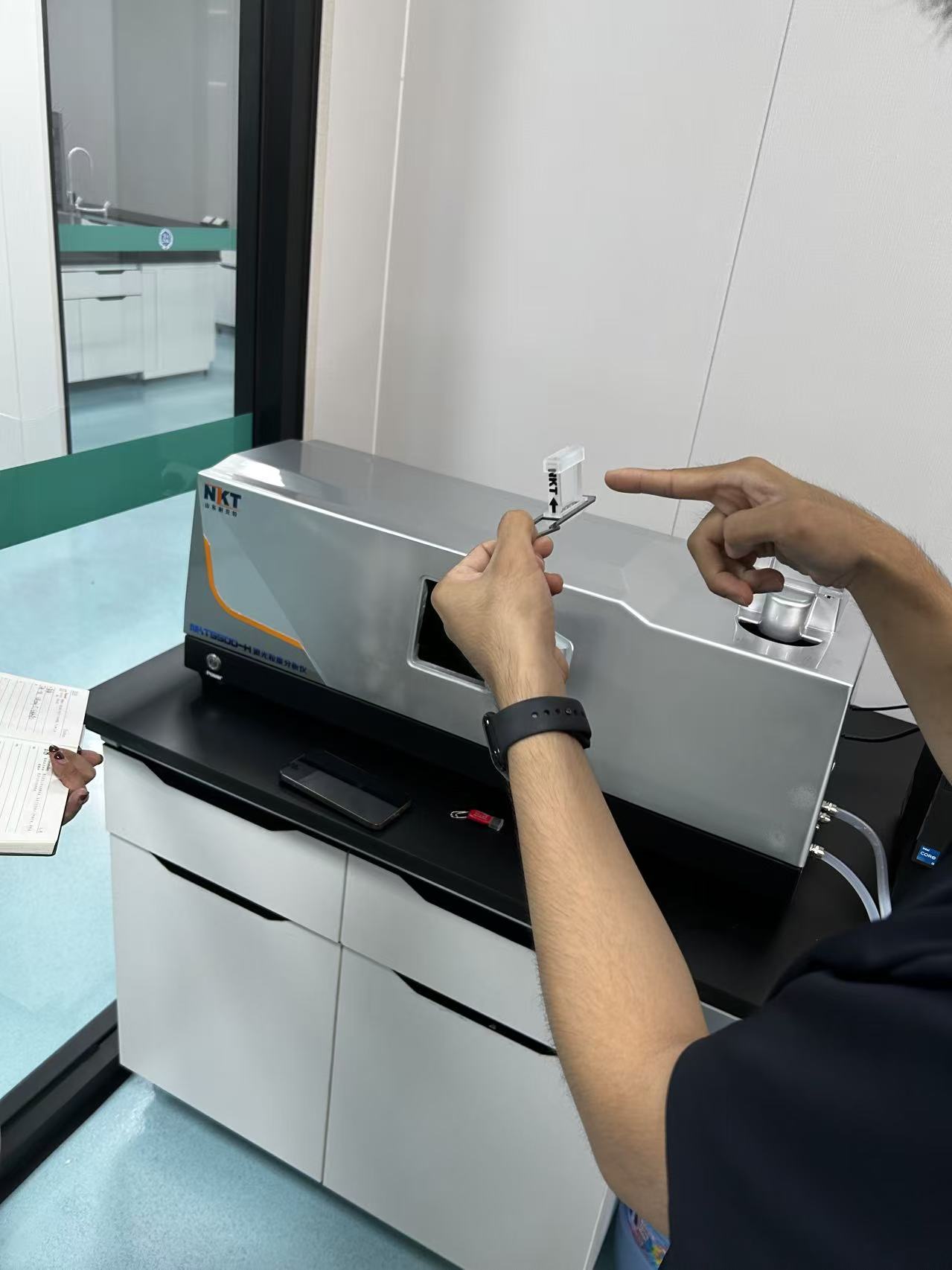
Batch-level testing of appearance, solids, pH, viscosity and particle size is what turns a data sheet into a verifiable claim.
Strength grades at a glance
The table below compares the strength-related grades discussed in this guide on function, base chemistry, published parameters and the documentation question each one raises for a food contact project.
| Grade | Function | Base chemistry | Published parameters | Food contact focus |
|---|---|---|---|---|
| JH-1201 — Wet strength agent | Wet strength; wet and dry tensile, ply bond, tear, burst, folding endurance and wet ring crush | PAE | Light yellow to amber liquid; solids 12.5 ± 1.0%; pH 2.0–5.0; viscosity ≤500 cps at 25 °C; cationic; 6-month shelf life | Residual epichlorohydrin and formaldehyde-free statement plus a grade-specific food contact test report |
| JH-1697 — Solid dry strength agent | Dry strength, tensile, burst and ring crush in paper and pulp moulding | Cationic polyacrylamide, polyamide epichlorohydrin resin, modified cationic starch, amphoteric polymeric reinforcing monomer | White powder; active ingredient ≥95.0%; soluble; cationic; 12-month shelf life | Solid grade at high active content keeps carrier mass low in the dossier; request model-level TDS, MSDS and test report |
| JH-1699 — Paper tensile strength enhancer | Tensile strength additive for recycled paper, testliner and fluting | Polyacrylamide, polyamine, polyamide epichlorohydrin resin, starch derivatives | White powder; active ingredient ≥95.0%; soluble; cationic; 12-month shelf life | PAE-containing chemistry, so the same residual questions apply; the exact model must appear in the declaration |
| JH-D726 — Dry strength agent | Dry strength, fibre bonding strength, burst and ring crush, retention support, filler and sludge reuse | Polymer, surfactant-type materials, organic and inorganic composite liquids, functional small-molecule additives | Colourless semi-transparent liquid; solids 15.0 or 20.0 ± 1.0%; pH 3.0–6.0; viscosity 4,000–12,000 cps; amphoteric; 6-month shelf life | Request the current residual and extractables statement for the specific batch supplied |
| JH-2219 — Pulp moulding strength enhancer | Dry strength and hardness for moulded pulp and disposable pulp tableware | Polyacrylamide, polyamine, polyamide epichlorohydrin resin, starch derivatives, cationic polyacrylamide copolymer, acrylic acid copolymer, water-based cationic resin | Light white to transparent liquid; solids 20.0 ± 1.0%; pH 2.0–5.0; viscosity 5,000–12,000 cps; amphoteric; 6-month shelf life | Tableware is direct food contact: migration plus organoleptic verification on the finished moulded article |
| JH-8501 — Strength retention emulsion | Retention and drainage; keeps the strength system in the sheet | CPAM | White emulsion; solids 38.0 ± 1.0%; pH 3.0–6.0; cationic; 6-month shelf life | Confirm the retention polymer is explicitly included in the food contact declaration of compliance |
Step-by-Step Breakdown: From Food Contact Question to Locked Specification
Step 1 – Classify the contact situation before choosing a chemistry
Define whether the contact is dry, moist or wet, whether the food is fatty or aqueous, and at what temperature the article will be used. Wet contact or long chilled storage pushes a project towards wet strength chemistry; dry contact usually allows a dry strength agent alone. This decision determines which documentation you will ultimately have to produce, so make it first.
Step 2 – Inventory every additive that remains in the sheet
List strength agents, wet strength resins, retention enhancers, sizing agents and brightening agents that will be retained, including the cationic retention polymer that carries the strength system into the fibre web. An additive that is retained is an additive that must be declared.
Step 3 – Request model-level documentation, not range-level claims
Ask for the technical data sheet, safety data sheet, food contact safety test report and compliance report for the exact grade under consideration. Confirm the certificate of analysis parameters match the data sheet, and ask whether ISO 9001 and ISO 14001 certification covers papermaking additive production at the manufacturing site.
Step 4 – Test the finished article, not only the additive
Finished paper and board intended for food contact in the EU are assessed against the harmonised paper standards — EN 645 for cold water extract, EN 646 for colour fastness and EN 648 for fluorescent whitening fastness — alongside the migration testing appropriate to the end use. Supplier documentation supports this step; it does not replace it.
Step 5 – Run a laboratory and pilot trial with retained samples
Use a pilot or laboratory stage to confirm dosing before the machine trial, and keep samples of both the additive and the treated sheet. JHDA's in-house pilot laboratory supports targeted formula customisation, free sample trials and performance verification, which shortens the gap between a specification sheet and a validated machine setting.
Step 6 – Verify on the machine across the indicators that matter
On-machine confirmation should cover ring crush, burst, tensile, Cobb water absorption where relevant, and first-pass retention, since a change in retention changes how much additive actually remains in the sheet. JHDA's field technical team works on site with paper mills to optimise these indicators, including ring crush strength, bursting strength, Cobb value and fibre retention rate.
Step 7 – Freeze the specification and define the re-verification triggers
Record the grade, the dosage window, the test method and the batch documentation requirement in the supply agreement. Then define what triggers re-verification: a change of fibre source, a change of paper grade, a change of additive model, or a change in the destination market. Compliance is a live condition, not a one-off certificate.

Pilot-stage trials let a mill confirm dosing and performance before committing a machine trial.
Use Cases: How the Approach Applies in Practice
Food-grade packaging paper and carton board requiring wet strength
Where a food carton or tray must hold strength under condensation or chilled conditions, a PAE-based wet strength resin such as JH-1201 is the relevant chemistry. The project then turns on residuals: the mill requests the grade-level food contact test documentation, confirms dosage, and validates wet tensile and wet ring crush on the machine before the finished article goes for extractables or migration testing.
Moulded pulp tableware and food service trays
Moulded pulp products are direct food contact articles made from recycled or virgin fibre. JH-2219 is a pulp moulding strength enhancer for dry strength and hardness in moulded pulp and disposable tableware, and JH-1697 covers papermaking and pulp moulding with a high-active solid dry strength system. In this application the finished article, not the additive, carries the organoleptic and migration verification burden.
Recycled pulp corrugated and testliner with a barrier or coating
Corrugated lines running recycled pulp typically combine a dry strength agent, a retention enhancer and a surface sizing agent. JH-D726 delivers dry strength, fibre bonding strength, burst and ring crush plus filler and sludge reuse support with a 4,000–12,000 cps amphoteric liquid profile, while JH-8501 improves retention and drainage so the strength system stays in the sheet. When the sheet is subsequently coated for food packaging, the declaration of compliance has to account for both the wet-end strength chemistry and the coating.
FAQ
Testing guidance for EU food contact paper and board points to three harmonised paper standards: EN 645, EN 646 for colour fastness and EN 648 for the fastness of fluorescent whitening agents, as published by testing bodies such as Northern Testhouse. In Germany, BfR Recommendation XXXVI sets the safety framework for paper and board chemicals in contact with food and is often cited globally. For strength additives specifically, wet strength resins based on PAE chemistry are also assessed on residual epichlorohydrin: industry guidance for EU market access cites low residual ECH (below 50 ppm) and formaldehyde-free formulations as critical thresholds. Always confirm the current version of each standard with your own testing laboratory.
Look for a documentation set rather than a single certificate: ISO 9001 quality management system certification, ISO 14001 environmental management system certification and SGS product compliance test reports, including SGS food contact safety testing for packaging paper chemicals. JHDA states that part of its product range is manufactured to food-grade standard, and provides technical data sheets, MSDS documents, CAS registration and GHS hazard labelling information to support clearance and L/C settlement. The critical detail is granularity — ask for the documents for the exact model you will run, not for the product family.
Yes. Qingzhou Jinhao New Material Co., Ltd. provides OEM, ODM and customisable production services for global clients, including formulation customisation, OEM and label production, and specification and packaging customisation, with specific options confirmed with the sales team. For dry strength applications this means the polymer system can be adjusted to the pulp mix and machine conditions. One compliance caution applies: any formulation change can change the additive inventory in the dossier, so a customised grade needs its own documentation and its own finished-article verification rather than inheriting the approval of a standard grade.
Validation normally runs in three stages: a free trial sample for laboratory work, a pilot or performance test at the mill, and a pre-shipment test as the formal acceptance criterion. JHDA supplies free trial samples with a minimum order quantity of 1MT, operates an in-house pilot laboratory open to clients for formulation testing and performance verification, and includes on-site technical support for machine debugging. Free samples and laboratory trials remove most of the commercial risk from the decision, which matters when the compliance file has to be rebuilt for a new grade.
Production lead time is stated as 4 working days, with a monthly capacity of 8,000 MT and a minimum order quantity of 1MT. Purchasing terms are FOB or CIF, acceptance is based on pre-shipment testing, and payment terms include T/T and L/C; JHDA also operates an overseas production entity, CRM Chemical Technology Co., Ltd. in Long An Province, Vietnam, to shorten delivery cycles for ASEAN clients. A compliance-driven order typically starts the same way: send your grade, fibre mix and target market, request a sample and a grade-level document pack, and confirm the food contact documentation before the bulk quotation is issued.
Conclusion: Compliance Is a Specification, Not an Afterthought
For paper and board that will touch food in the European market, a paper strength agent is a food contact material. That means three things travel together through every strength project: the right chemistry for the contact condition, a residual profile that can be defended, and a documentation pack that names the exact model. The harmonised paper standards, national substance recommendations such as BfR Recommendation XXXVI, and the residual thresholds cited for PAE wet strength chemistry are the reference points; the mill's own finished-article testing is the proof.
JH-1201 and JH-1697 illustrate how that package is assembled in practice. JH-1201 is a PAE wet strength agent with published parameters of 12.5 ± 1.0% solids, pH 2.0–5.0, viscosity of 500 cps or below and a six-month shelf life, covering wet and dry tensile, ply bond, tear, burst and folding endurance. JH-1697 is a solid dry strength agent at 95.0% or higher active content with a twelve-month shelf life, suitable for papermaking and pulp moulding. Both sit inside a manufacturer documentation environment that includes ISO 9001 and ISO 14001 certification, SGS product compliance test reports and support for customs clearance documentation.
Qingzhou Jinhao New Material Co., Ltd. (JHDA) was founded in 2005, operates a 20,000 m² headquarters site with 20 R&D engineers, and exports to Asia, Africa and South America, with overseas business accounting for 35% to 50% of sales volume. For mills evaluating a food contact strength programme, the practical next step is simple: define the contact condition, list the retained additives, and request the model-level documentation that has to survive the audit.
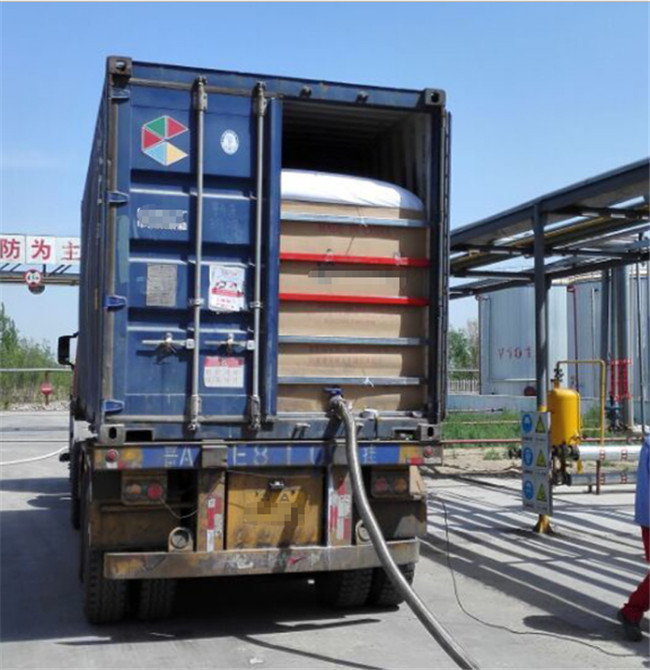
Sample first, then specification, then bulk supply in the packaging your line can handle.
Request a Sample and a Grade-Level Document Pack
Send your paper grade, fibre mix and target market, and JHDA will provide a free trial sample, the technical data sheet and MSDS for the model concerned, and a food contact documentation pack for review before you commit to a bulk order. Minimum order quantity is 1MT, production lead time is 4 working days, and FOB, CIF, T/T and L/C terms are available.
Contact the international sales team by email at info@sdqzjinhao.com, by WhatsApp on +86 139 6468 8976, or visit en.sdqzjinhao.com. The full product and capability overview can be downloaded here: JHDA product brochure (PDF).
Have Questions or Need More Details?
Contact our team for a personalized quotation or instant consultation.
Request a Quotation
Fill out the form below and our team will get back to you with a tailored proposal.
WhatsApp Direct Chat
Prefer to chat in real-time? Message us on WhatsApp for instant assistance & quick answers.
- Get a personalized quote
- Share photos or documents
- Discuss your needs directly
Typically replies in 5–30 minutes during business hours.