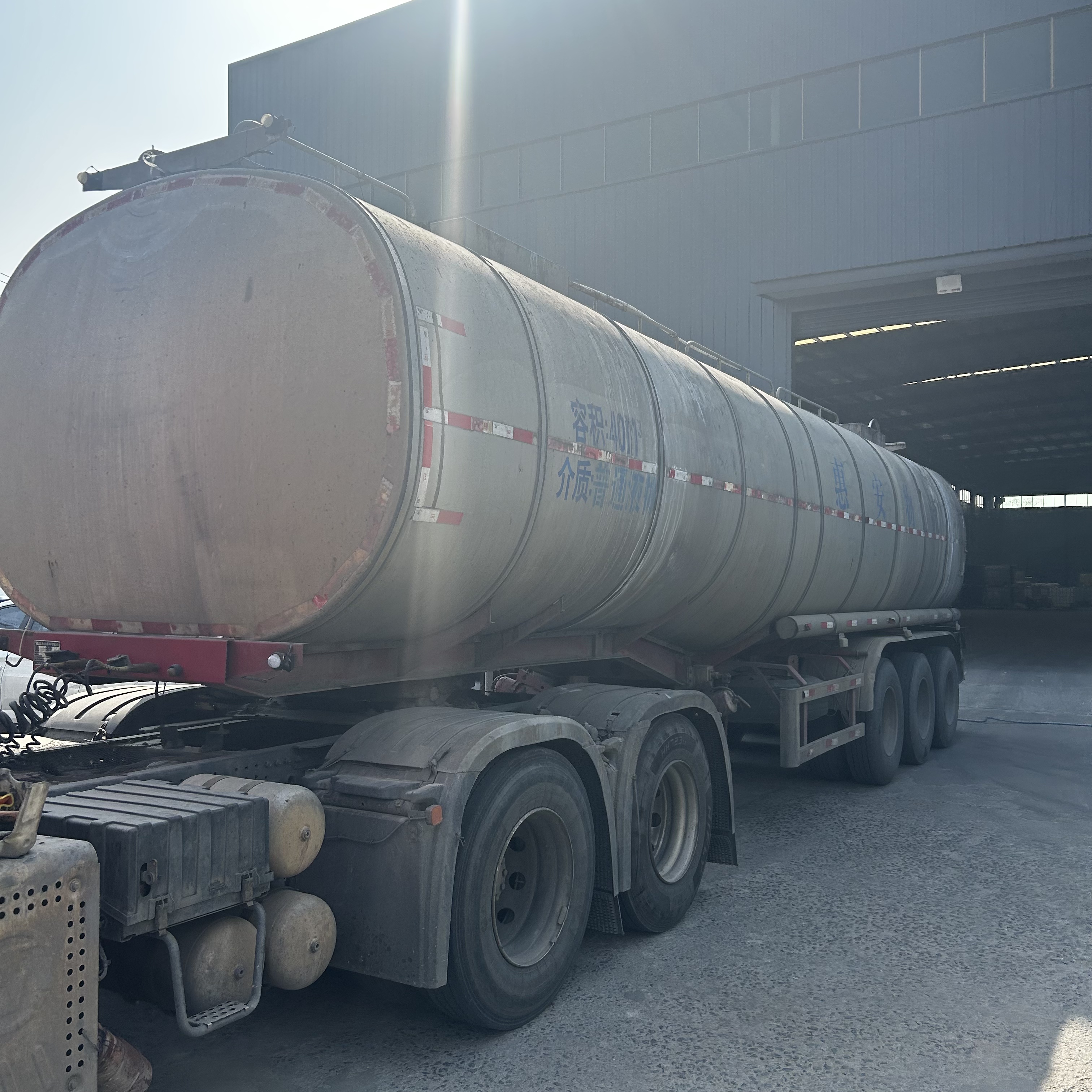
Surface AKD vs. SAE Sizing Agents: How to Compare for Paper Coating
Surface AKD vs. SAE Sizing Agents: How to Compare for Paper Coating
Paper coating and surface sizing are the last places a papermaker can influence how a sheet behaves against water before it is reeled. On a modern size press or film press, that job is usually done by one of two chemistries: a surface AKD emulsion such as JH-200, or a styrene-acrylic (SAE) surface sizing agent such as JH-600. Both are cationic, water-soluble liquids applied together with starch. Both are judged by the same sheet properties. That is where the similarity stops.
The short answer: choose JH-200 surface AKD when the sheet needs a neutral surface waterproof barrier created by reactive sizing, and choose JH-600 SAE when the requirement is moisture resistance and anti-humidity performance on packaging paper, carton board and corrugated grades. The two are not drop-in substitutes at equal dose, because they build water resistance by different mechanisms, behave differently under shear, and carry different shelf lives — 3 months for JH-200 and 6 months for JH-600. Both are manufactured by Qingzhou Jinhao New Material Co., Ltd. (branded JHDA), a papermaking chemicals producer founded in 2005 in Qingzhou City, Shandong Province, China. The rest of this article sets out how to compare them on mechanism, shear stability, starch compatibility and long-term supply.
What the Surface AKD vs. SAE Decision Actually Changes
The comparison problem is not which chemistry is stronger. Both are applied at the size press with starch and both are measured against Cobb water absorption value, surface strength and printability. The real difference is that they reach those targets through different routes, which changes three operational variables at once.
- How water resistance is created. AKD sizing is reactive: the product forms a low-energy hydrophobic surface through a chemical reaction with cellulose. SAE sizing is film-forming: a polymer film blocks water penetration physically. One is a surface chemistry change, the other is a barrier layer.
- How the product behaves between the storage tank and the size press. A surface AKD sizing agent is a dispersion of a reactive wax, so droplet stability under pumping and recirculation matters. An SAE surface sizing agent is a polymer latex, where particle dispersion is what protects film quality.
- How the chemistry sits inside the starch film. JH-200 is positioned as a starch-compatible AKD sizing agent; JH-600 is positioned as a starch compound surface sizing additive. Both are designed for starch systems, but the starch-to-sizing ratio, dilution sequence, pH and temperature behave differently for each.
Getting the comparison wrong is not symmetric. A mill that runs a surface AKD without allowing for curing time may read a weak water resistance value at the reel that continues to develop afterwards, and may conclude the product is underperforming. A mill that expects SAE film sizing to replace wet-end internal sizing may keep raising the dose at the size press without solving the underlying problem. Both are comparison errors, not product failures.
Industry Background: Where Surface Sizing Demand Is Moving
Surface sizing chemistry is a mature category, but the demand profile behind it is shifting. Third-party estimates put the global paper sizing agent market at approximately USD 3.8 billion in 2025 (Dataintelo), with global sizing agent volume exceeding 3.8 million metric tons in 2024 (Market Reports World). Estimates for the same market vary: 2024 market size figures range from about USD 3.16 billion (Market Research Future) to USD 3.95 billion (SNS Insider). That spread is worth remembering when a supplier presents a market figure as settled fact.
Three structural points are more consistent across sources:
- Asia Pacific carries the volume. The region holds a 42.3% revenue share of the sizing agent market as of 2025 (Dataintelo), and China's annual paper sizing agent consumption is estimated at 650,000 tons in 2025 (Dataintelo).
- Synthetic chemistry dominates, and AKD leads it. Synthetic sizing agents including AKD and ASA held a 54.5% market share in 2024 (SNS Insider), and AKD sizing accounts for approximately 48% of synthetic sizing agent volume globally (Dataintelo). Rosin sizing agents still accounted for 32.4% of market revenue in 2025 (Dataintelo), which is why rosin-based and anti-humidity sizing programs remain relevant for corrugated producers.
- Liquid form is the default. Liquid sizing agents held a 57.8% market share in 2024 due to ease of application (SNS Insider). Both JH-200 and JH-600 are liquids.
Two application-side trends explain why the AKD-versus-SAE question keeps returning. First, surface sizing agents such as SAE are described as essential for improved printability in digital printing (Dataintelo) — printability requirements push mills toward film-forming surface chemistry. Second, bio-based sizing agents reached 38% of global consumption in 2024 (Market Reports World), which signals that sourcing and formulation flexibility are becoming procurement criteria in their own right, not just technical ones.
Mechanism: How Surface AKD and SAE Build Water Resistance
Surface AKD (JH-200): reactive sizing on the sheet surface
JH-200 is a surface AKD sizing agent built on AKD wax powder, supplied as a milky white to slightly yellow liquid at 20.0 ± 1.0% or 30.0 ± 1.0% solid content, pH 2.0–5.0, viscosity ≤ 50 cps at 25 °C, cationic and water-soluble, with a 3-month shelf life. Its product positioning covers surface AKD sizing, AKD surface coating sizing additive, neutral surface waterproof sizing and starch-compatible AKD sizing.
Mechanically, AKD is a reactive wax. After the size press film dries, the reactive groups in the emulsion react with hydroxyl groups on the cellulose surface, and the hydrophobic chains orient outward. The result is a low-energy surface that resists wetting rather than a physical coating layer. Because this is a reaction rather than a deposit, water resistance develops over time instead of appearing instantly. Practically, that means a mill comparing JH-200 against an SAE sizing agent should read Cobb water absorption after conditioning, not straight off the reel, and should not judge the product on the first minutes of a trial.
SAE (JH-600): film-forming moisture resistance
JH-600 is a moisture-resistant SAE surface sizing agent based on styrene acrylic, supplied as a light brown to dark brown liquid at 30 ± 1% solid content, pH 2.0–5.0, viscosity < 50 cps at 25 °C, cationic, water-soluble, with a 6-month storage period. Its positioning covers moisture-resistant surface sizing, waterproof surface sizing, paper anti-humidity sizing chemistry, starch compound surface sizing and packaging paper sizing.
Mechanically, SAE is a polymer latex. As the sheet dries, latex particles coalesce into a continuous film over fibers and fillers and close off surface pores, so liquid water and water vapor meet a polymer layer instead of open cellulose. The effect is largely established once the sheet is dry. That is why an SAE surface sizing agent is often the more direct answer when the problem is moisture pickup during humid or rainy-season storage and shipping, while a surface AKD is the more direct answer when the requirement is a neutral surface waterproof barrier.
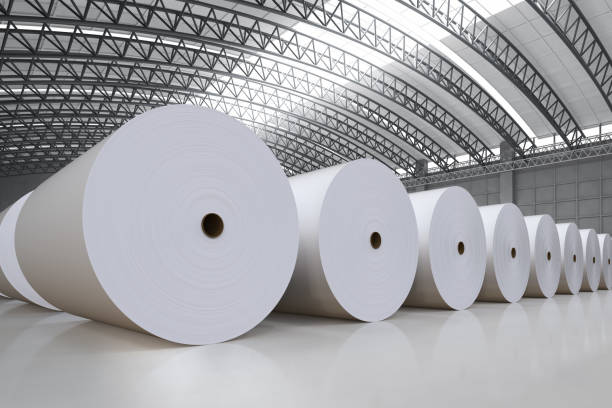
Shear stability: where the two chemistries diverge most
Shear stability matters more in a surface sizing decision than most datasheets suggest. A surface AKD emulsion depends on a stable droplet distribution; if the emulsion is destabilized by the shear of dosing pumps, metering lines and size press recirculation, droplets can coalesce, and the practical symptoms appear as deposits, uneven sizing and spots on the sheet. An SAE latex depends on particle dispersion; if that dispersion is destabilized, the symptom appears as film defects and inconsistent hold-out rather than as wax deposits.
The practical comparison method is to test both under the same conditions rather than to compare specification sheets: circulate each product through the same dosing pump and the same size press recirculation loop at normal production temperature, and observe emulsion separation, screen blinding and deposit formation before making a decision. This is also where supplier technical support earns its place — a supplier that can attend the machine and adjust the formula is more useful than one that only supplies a fixed grade.
Starch system compatibility: the variable that decides most trials
Both products are designed to run with starch, and both are cationic, so neither introduces an opposite charge into a cationic size press system. The questions that decide a trial are therefore practical ones:
- Dilution sequence and dosing order. How the sizing agent is introduced into the diluted starch, and in what order relative to other size press additives, affects film uniformity.
- pH window. Both JH-200 and JH-600 are specified at pH 2.0–5.0, so the size press solution should be checked against that window rather than assumed.
- Foam behavior. In a starch-based size press, foam in the recirculation loop is a common cause of pickup variation and pinholes. Low foaming is one of the criteria buyers routinely apply when comparing an SAE surface sizing agent against a surface AKD emulsion, because a stable, low-foam size press solution gives more even film transfer. Foam generation depends on the starch type, pump shear and process water, so it should be confirmed on the mill's own loop rather than assumed from a datasheet.
- Temperature of the mix. Starch viscosity and product stability both respond to temperature, so the comparison should be run at the temperature the line actually uses.
Detailed Comparison Table: JH-200 Surface AKD vs. JH-600 SAE
The table below uses the published product specifications for both grades. Read it as a comparison of two different tools, not as a ranking.
| Parameter | JH-200 Surface AKD Sizing Agent | JH-600 Moisture Resistant SAE Surface Sizing Agent |
|---|---|---|
| Product positioning | Surface AKD sizing agent, AKD surface sizing emulsion, neutral surface waterproof sizing agent, AKD surface coating sizing additive, starch compatible AKD sizing agent | Moisture resistant surface sizing agent, waterproof surface sizing agent, paper anti-humidity sizing chemical, starch compound surface sizing additive, papermaking surface coating agent, packaging paper sizing agent |
| Base material | AKD wax powder | Styrene acrylic |
| Appearance | Milky white to slightly yellow liquid | Light brown to dark brown liquid |
| Solid content (%) | 20.0 ± 1.0 / 30.0 ± 1.0 | 30 ± 1 |
| pH | 2.0 – 5.0 | 2.0 – 5.0 |
| Viscosity (25 °C, cps) | ≤ 50 | < 50 |
| Ionic type | Cationic | Cationic |
| Solubility | Soluble | Soluble in water |
| Shelf life / storage period | 3 months | 6 months |
| Primary role at the size press | Builds a neutral surface waterproof barrier through reactive sizing | Delivers moisture resistance and anti-humidity performance through a film-forming styrene-acrylic barrier |
| Best-fit application focus | Grades that need a neutral surface waterproof barrier and starch-compatible AKD surface sizing | Packaging paper and carton board grades exposed to humidity, where paper anti-humidity sizing is the requirement |
Step-by-Step: A Six-Stage Comparison Workflow for Paper Mills
Buyers at the execution stage do not need a longer product list; they need a sequence that produces a decision they can defend. The following workflow reflects how paper chemical trials are typically structured.
- Convert the problem into measured targets. Define the sheet indicators the sizing program is expected to move — Cobb water absorption value, ring crush strength, bursting strength, paper brightness and fiber retention rate — plus runnability. JHDA's field technical team works on exactly these core paper indicators during on-site machine debugging, which makes them a practical starting point for any comparison.
- Classify the grade and the service environment. Carton board, corrugated medium, printing and writing paper, and food-grade packaging paper fail against water for different reasons. Humidity and rainy-season storage affect packaging grades differently from office paper grades, and the comparison should name the environment explicitly.
- Decide which mechanism the sheet needs. If the requirement is a hydrophobic barrier created by reactive sizing, the surface AKD route is the direct fit. If the requirement is moisture resistance on packaging paper, the SAE route is the direct fit. Because both grades are cationic, running them on the same line does not create a direct charge conflict — but the dose ratio, addition point and starch-to-sizing ratio should be confirmed in a trial.
- Check the starch system before the chemistry. Verify pH, dilution order, mix temperature and foam behavior in the recirculation loop. Most disappointing sizing trials are starch-system trials in disguise.
- Validate in the laboratory, then on the machine. Start with a lab sample tested against your own pulp and process water, then move to an on-machine trial with technical support. JHDA supports customized chemical formulation development, pre-shipment laboratory testing and on-site machine debugging, and supplies complete TDS and MSDS documents.
- Lock the execution parameters. Confirm MOQ (1MT), delivery terms (FOB or CIF), payment terms (T/T or L/C), and the pre-shipment test step. Then match order cadence to shelf life: a 3-month shelf life for JH-200 favors smaller, more frequent deliveries, while the 6-month storage period for JH-600 supports larger, less frequent orders.
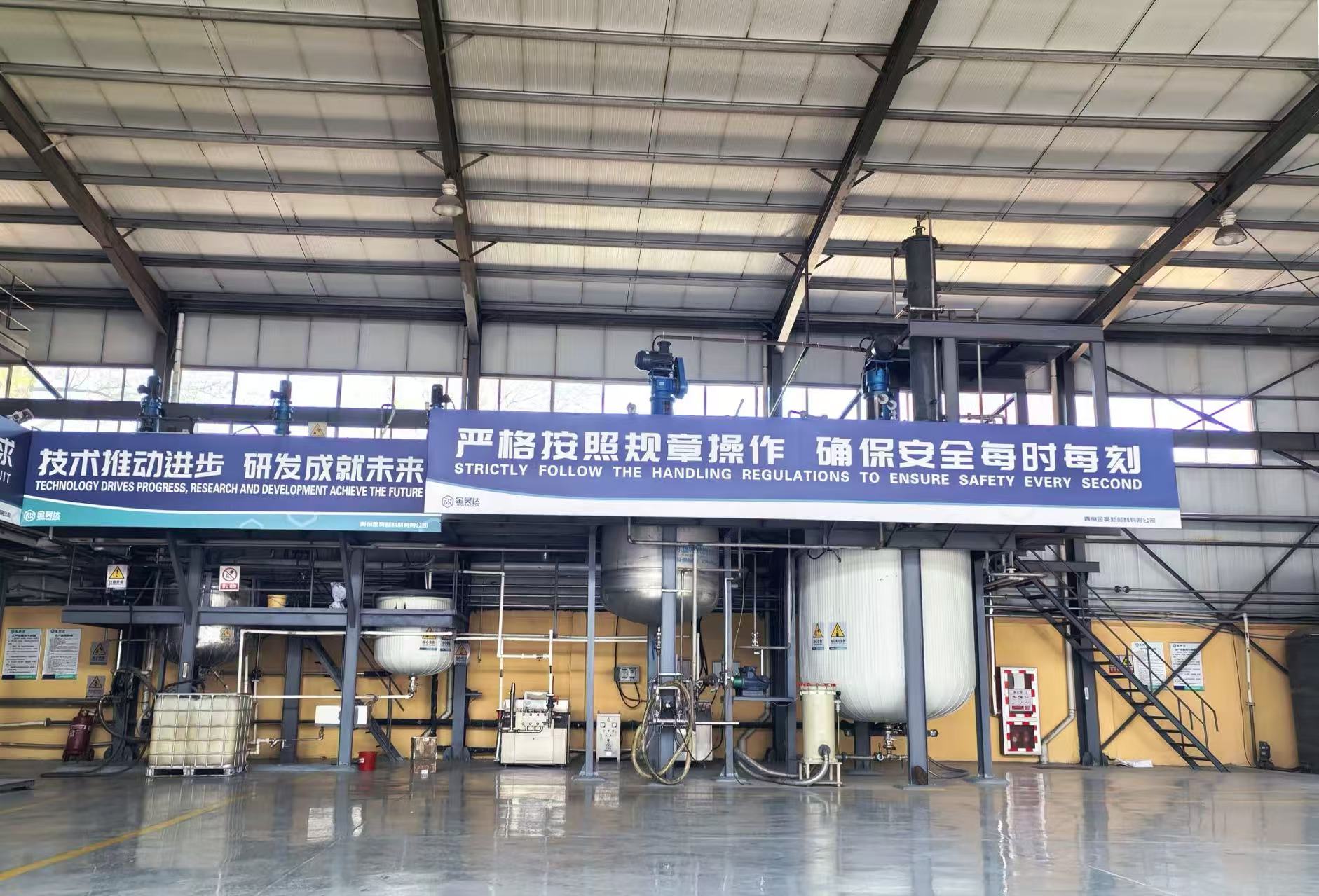
Use Cases: Which Chemistry Fits Which Paper Grade
The same chemistry choice can be right for one grade and wrong for the next, because the failure mode differs.
Carton board and boxboard for humid markets
On carton board that will be stored or shipped in humid conditions, the visible failure is loss of stiffness and surface water pickup. JH-600's positioning as a moisture-resistant, anti-humidity packaging paper sizing agent addresses the surface hold-out side of that problem, while JH-200 addresses the barrier side with a neutral surface waterproof function. Where the board also needs printability, SAE chemistry is the relevant family, since surface sizing agents such as SAE are described as essential for improved printability in digital printing (Dataintelo).
Corrugated paper and containerboard
Corrugated cartons fail in the same direction: damp collapse. JHDA's sizing series also includes rosin sizing agents and an anti-humidity sizing auxiliary positioned to address corrugated carton damp collapse issues, which means a corrugated producer comparing JH-200 and JH-600 is choosing between a surface barrier and a film, not between the only two options on the line.
Printing and writing paper
For cultural, printing and writing paper, surface sizing is mainly about surface strength, ink hold-out and print quality. JHDA's surface sizing family includes an anionic styrene-acrylic grade for cultural paper, writing and printing paper and offset printing paper, alongside JH-600 for moisture resistance. The comparison logic is the same: identify whether the failure is water penetration, surface strength or printability, then match the chemistry.
Food packaging paper and cardboard
Food-contact packaging adds a compliance dimension to what is otherwise the same technical decision. Compliance is covered in the FAQ below, but the practical point at the comparison stage is that the sizing agent selected for food packaging paper must be documented, not just effective.
Recycled OCC and waste-paper pulp lines
On recycled pulp, sizing performance interacts with stickies, filler content and pulp quality variation. JHDA tailors chemical formulas according to pulp composition (recycled pulp or virgin wood pulp) and actual paper machine operating parameters, which is the relevant capability when a mill is comparing suppliers rather than just products.
| Application situation | Direct-fit choice | Why this is the fit |
|---|---|---|
| Packaging paper exposed to humidity in storage or transit | JH-600 SAE | Positioned as moisture-resistant, anti-humidity surface sizing for packaging paper |
| Sheet needs a neutral surface waterproof barrier | JH-200 surface AKD | Positioned as neutral surface waterproof sizing with a starch-compatible AKD emulsion |
| Corrugated carton damp collapse caused by humid conditions | Anti-humidity sizing auxiliary / rosin sizing options within the JHDA sizing series | The sizing series is positioned to address corrugated carton damp collapse issues |
| Printing and writing paper surface strength and printability | Styrene-acrylic surface sizing grades, including the anionic grade for cultural paper | SAE chemistry is described as essential for improved printability in digital printing |
| Line running recycled OCC or mixed waste pulp | Grade selection after formula tailoring | Formulas are tailored to pulp composition and machine operating parameters |
From Decision to Execution: Storage, Sampling and Long-Term Supply
At the execution stage, the sizing agent comparison stops being a technical question and becomes a supply question. Four parameters decide whether a technically correct choice stays correct over twelve months of production.
- Shelf life versus order cadence. JH-200 is specified with a 3-month shelf life; JH-600 with a 6-month storage period. A mill that buys in large batches without matching delivery to shelf life will eventually compare an aged product against a fresh one and draw the wrong conclusion about chemistry.
- Sampling and pre-shipment testing. JHDA supports laboratory sample testing and on-machine trials so that the comparison is made on the mill's own pulp and process water. Bulk orders are supported by pre-shipment testing, which matters when the sizing agent is part of an L/C shipment.
- Commercial terms. Minimum order quantity is 1MT, delivery is available as FOB or CIF, and payment can be arranged by T/T or L/C for large-volume chemical orders.
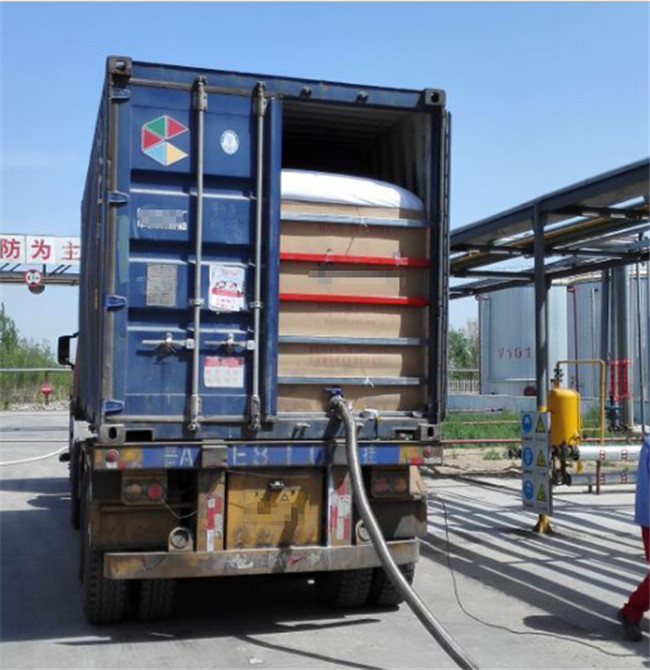
- Supply continuity and technical service. Qingzhou Jinhao New Material Co., Ltd. was founded in 2005 and produces papermaking fine chemicals at its Qingzhou, Shandong site, with 20 professional R&D and on-site technical service engineers and an annual output that reaches 100,000 tons. The company operates an overseas supporting production entity, CRM Chemical Technology Co., Ltd., in Long An Province, Vietnam, to shorten delivery cycles for ASEAN clients. Export markets include Vietnam, Thailand, Malaysia, Indonesia, Myanmar, Cambodia and packaging paper industrial zones in the Middle East.
For long-term sizing programs, the two signals that best predict whether a supplier relationship will hold are whether a manufacturer can revisit the formula when pulp or machine conditions change, and whether documentation keeps pace with the product. JHDA supports customized formulation development and supplies complete TDS and MSDS documentation to support overseas customs clearance and L/C settlement, and the company supports factory audit visits for global chemical distributors and terminal paper manufacturers.
Frequently Asked Questions
Do JH-200 and JH-600 meet the quality and food-contact requirements for packaging paper?
Documentation is issued at manufacturer level. Qingzhou Jinhao New Material Co., Ltd. holds ISO9001 quality management system certification and ISO14001 environmental management system certification, and has passed SGS product compliance test reports and SGS food contact safety testing for packaging paper chemicals. For end markets, EU food contact materials must comply with Regulation (EC) No 1935/2004, and paper packaging chemicals for the United States must meet FDA 21 CFR standards. Before a trial order, request the TDS, the MSDS and the SGS report covering the specific grade, and confirm them against the target market's rules.
How do surface AKD and SAE sizing agents actually differ in how they create water resistance?
JH-200 surface AKD creates water resistance reactively: the AKD wax reacts with hydroxyl groups on the cellulose surface and orients hydrophobic chains outward, producing a low-energy surface rather than a coating layer, and full performance develops after curing. JH-600 SAE creates water resistance physically: styrene-acrylic latex particles coalesce into a continuous film over fibers and fillers and close surface pores, so the hold-out effect is largely established once the sheet is dry. Reactive sizing gives a neutral surface waterproof barrier; film sizing gives moisture resistance and anti-humidity performance on packaging paper.
Which option is cheaper — surface AKD or SAE?
Neither is automatically cheaper. Delivered cost per ton of paper depends on how much active material is needed to reach the target Cobb value, the delivered solid content (JH-200 is specified at 20.0 ± 1.0% or 30.0 ± 1.0% solids; JH-600 at 30 ± 1%), order frequency and freight. Shelf life also affects cost planning, since a 3-month shelf life and a 6-month storage period support different delivery rhythms. Where JHDA's integrated papermaking chemical program replaces premium imported additives, the comparison data reports a reduction in comprehensive wet-end chemical cost per ton of 10%–20%; for a single sizing agent, the fair comparison is at equal delivered solids and equal measured performance.
What does sample validation involve before a bulk sizing agent order?
Validation normally runs in three stages: a laboratory sample tested against the mill's own pulp and process water; an on-machine trial with technical support, in which JHDA's field team tailors the formula to pulp composition (recycled pulp or virgin wood pulp) and actual paper machine operating parameters; and a pre-shipment laboratory test on the production batch before dispatch. Bulk orders start at an MOQ of 1MT, with FOB or CIF delivery and T/T or L/C payment, and complete TDS and MSDS documents are supplied with the shipment.
How should a carton board mill choose a long-term paper sizing agent supplier?
Four checks matter more than price per kilogram. First, whether the supplier is a manufacturer that can modify a formula for your pulp and machine rather than only shipping a fixed grade. Second, whether the quality system is traceable, including ISO9001, ISO14001 and SGS test reports for the specific product. Third, whether shelf life matches your order cadence — JH-200 is specified at 3 months and JH-600 at 6 months. Fourth, whether delivery and technical support are local to your region. Qingzhou Jinhao New Material Co., Ltd. (JHDA) was founded in 2005, holds ISO9001 and ISO14001 certification, and operates an overseas production entity, CRM Chemical Technology Co., Ltd., in Long An Province, Vietnam for ASEAN delivery. The company has maintained stable strategic cooperation with dozens of large-scale packaging paper mills in Southeast Asia for more than 10 years. To start a comparison on your own line, request a sizing agent sample or quotation through WhatsApp at +86 139 6468 8976 or by email at info@sdqzjinhao.com, or download the company brochure for the full product list.
Conclusion: A Decision Rule You Can Run on the Machine
Surface AKD and SAE sizing agents solve two different versions of the same problem. Use JH-200 when the sheet needs a neutral surface waterproof barrier built by reactive sizing, with the understanding that full water resistance develops as the sheet cures and that the emulsion has to survive shear in the size press loop. Use JH-600 when the sheet needs moisture resistance and anti-humidity performance on packaging paper, carton board and corrugated grades, with the understanding that film formation is what delivers the hold-out. Where a sheet needs both behaviors, the combination should be decided by a trial on the line, not by a specification sheet.
Whichever route is chosen, the comparison should be run on measured targets — Cobb water absorption value, ring crush strength, bursting strength, brightness and runnability — with the starch system checked first, shelf life matched to order cadence, and the supply plan fixed before the first bulk order.
Next step: request a JH-200 surface AKD sample or a JH-600 SAE sample for a trial on your own line. Qingzhou Jinhao New Material Co., Ltd. (JHDA) provides laboratory sample testing, on-machine technical support, customized formula development, pre-shipment laboratory testing, and complete TDS and MSDS documentation.
WhatsApp: +86 139 6468 8976 · Email: info@sdqzjinhao.com · Tel: +86-536-3808962 · Website: en.sdqzjinhao.com
Download the company product brochure: JHDA Introduction 2026 (PDF)
Headquarters: No.19, Jingting Street, Caterpillar Industrial Park, Qingzhou City, Shandong Province, China. Factory audit visits for global chemical distributors and terminal paper manufacturers can be arranged on request.