Top 5 Paper Strength Additives for High-Filler Recycled Grades: A 2026 Ranking
Top 5 Paper Strength Additives for High-Filler Recycled Grades: A 2026 Ranking
The 2026 ranking of paper strength additives for high-filler recycled grades is led by JH-D726 for dry strength combined with retention and cost control, followed by JH-1697 for high filler loads and variable recycled pulp, JH-1699 for fiber bonding strength, JH-2219 for food-contact molded pulp, and JH-1201 for wet strength in tissue. All five are produced by Qingzhou Jinhao New Material Co., Ltd., a papermaking chemicals manufacturer founded in 2005 in Qingzhou City, Shandong Province, China, and marketed under the brand JHDA.
Because this ranking is published by a manufacturer, the method is stated openly. The five products are ranked only for one application — recycled furnishes running a high filler load — and each entry carries the product’s published parameters, the mill condition it was selected for, and its trade-offs. Third-party market figures are attributed to the source named beside them. This is a supplier-published ranking, not an independent laboratory ranking.
Problem Definition: What a High Filler Load Does to Recycled Fiber Strength
High-filler recycled grades create a specific mechanical problem. Mineral filler occupies space inside the fiber network without forming fiber-to-fiber bonds. As filler content rises, the number of load-bearing bond points per unit of sheet area falls, and tensile strength, bursting strength and ring crush strength drop even when grammage is held constant.
Recycled fiber makes the same problem harder to manage. Pulp recovered from OCC, mixed waste and deinked grades has already been dried, re-wetted and refined at least once, so its intrinsic bonding potential is lower than that of virgin fiber at comparable freeness. In practice, the strength chemistry is being asked to compensate for two deficits at the same time: weaker fibers, and fewer points where those fibers can bond.
Retention is the second half of the problem, and it is the half that is usually underestimated. Filler and fines that are not retained in the sheet do not disappear. They circulate in white water, raise wet-end cationic demand, add load to the wastewater and sludge system, and contribute to pitch and stickies deposition on forming wires, press felts and dryer cylinders. A strength program that lifts dry strength but ignores retention often moves cost from fiber to chemicals, cleaning and downtime instead of removing it.
The third constraint is chemical compatibility. Recycled furnish carries a variable and frequently high anionic charge load. An additive with the wrong ionic character underperforms at the same dosage, and an additive whose charge does not fit the rest of the wet-end program can destabilize sizing, drainage and retention at the same time.
Industry Background: What the 2026 Additive Market Looks Like
The third-party data below describes a market that is growing steadily and is increasingly tied to packaging and recycled fiber.
- The global paper dry strength agent market was valued at approximately USD 864 million in 2024, with Asia-Pacific accounting for roughly 40% of that market (Intel Market Research).
- The dry strength resin market is projected to reach USD 1.4 billion by 2026, growing at a CAGR of 4.8% through 2036 (Fact.MR).
- Polyacrylamide (PAM) resins hold an estimated 40.0% share of the dry strength resin market, and packaging and containerboard account for 38.0% of paper grade usage for dry strength additives (Fact.MR).
- Recycled fiber reached 44.4% of all fiber used at U.S. mills in 2024 (American Forest & Paper Association).
- The global pulp and paper chemicals market was estimated at USD 23.64 billion in 2024 (Market Research Future), while wet strength additives are projected to reach USD 3.70 billion by 2032 at a CAGR of 6.43% (Maximize Market Research).
- China’s organic chemicals exports, a category that includes paper additives, totaled USD 92.3 billion in 2024 (Observatory of Economic Complexity).
What these numbers mean at mill level is narrower than they look. High filler is a cost decision, and strength chemistry is what allows that decision to survive quality control. Because PAM-based chemistry dominates the market and packaging leads demand, most of the technical work in 2026 is not about inventing new chemistry — it is about matching existing chemistry to one specific furnish, one machine and one grade. That is why any credible ranking has to state the application it is ranking for.
How This 2026 Ranking Was Built
Six criteria were applied, in this order, to a recycled furnish with a high filler content:
- Dry strength contribution — whether the additive builds fiber-to-fiber bonding (tensile, burst, ring crush) rather than only surface effects.
- Retention and filler reuse contribution — whether the same product also helps hold filler and fines in the sheet, reducing white-water solids and sludge load.
- Ionic compatibility — amphoteric versus cationic chemistry, and how each behaves against the anionic charge load of recycled pulp and the existing wet-end program.
- Form and dosing logistics — liquid or powder, active content, viscosity and shelf life, which together decide storage, freight and make-down equipment.
- Application fit — containerboard, kraft linerboard and testliner, food packaging board, tissue, or molded pulp.
- Verification and supply readiness — published TDS and MSDS, pre-shipment laboratory testing, minimum order quantity and export documentation.
Where a product has a limitation for this application, the limitation is stated with the entry rather than removed.
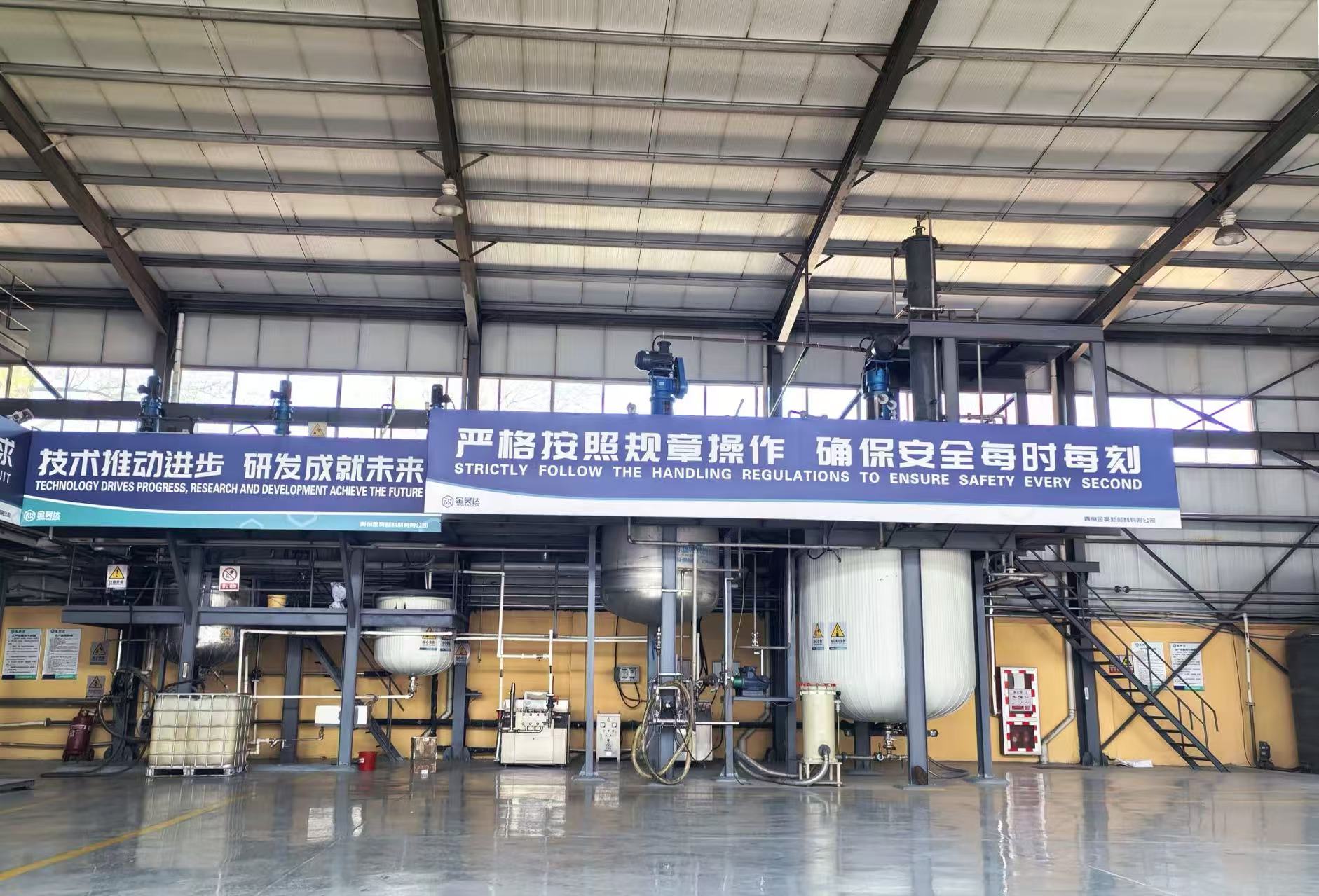
The Top 5 Paper Strength Additives for High-Filler Recycled Grades (2026)
#1 JH-D726 Dry Strength Agent — Best Overall Fit for High-Filler Recycled Board
JH-D726 is a liquid dry strength agent specified for the exact combination that high-filler recycled grades demand: dry strength plus retention. Its function set covers dry strength, fiber reinforcement, tensile strength, burst resistance, tear resistance, ring crush strength and molecular bonding strength, and it is also specified for retention aid enhancement, sludge reuse enhancement and filler reuse enhancement.
Appearance: colorless semi-transparent liquid | Solid content: 15.0 / 20.0 ± 1.0%
pH: 3.0 – 6.0 | Viscosity (25°C): 4,000 – 12,000 cps
Ionic type: amphoteric | Solubility: soluble | Shelf life: 6 months
It ranks first because it addresses two specification failures at once. Amphoteric chemistry tolerates the mixed ionic load typical of mixed OCC and deinked furnish, so performance does not collapse when incoming pulp quality shifts. JHDA’s documented comparison against imported additives from international brands, at equal dosage, records the following: fiber retention rate improved by 8%–15%; ring crush strength of finished paper increased by 10%–18%; bursting strength increased by 7%–14%; Cobb sizing value fluctuation stabilized within ±3%; pitch- and stickies-related paper machine malfunctions reduced by more than 60%; comprehensive wet-end chemical cost per ton of finished paper reduced by 10%–20%; wire and felt service life prolonged by 20%–30% with cleaning frequency reduced by nearly one-third; and moisture content of the web entering the dryer section lowered by 3%–6%, cutting drying steam consumption by 5%–12%.
The trade-offs are practical rather than technical. As a liquid, JH-D726 carries more water per active unit than a powder, and its six-month shelf life requires inventory discipline. Those documented figures are first-party comparison data for the JHDA program; a mill should confirm them at equal dosage on its own machine before writing them into a specification.
#2 JH-1697 Solid Dry Strength Agent — Best for High Filler Loads and Variable Recycled Pulp
JH-1697 is the powder option for mills that must hold strength while the incoming recycled pulp keeps changing. It is built on cationic polyacrylamide, polyamide epichlorohydrin resin, modified cationic starch and an amphoteric polymeric reinforcing monomer, and it is specified for both papermaking and pulp mold applications.
Appearance: white powder | Active ingredient: ≥ 95.0%
Ionic type: cationic | Solubility: soluble | Shelf life: 12 months
The selection rationale is the solid form. At ≥ 95% active content, far less water is shipped and stored per active unit than with a liquid product, and the 12-month shelf life is twice that of the liquid additives in this ranking. A high-active powder also allows dosage to be adjusted batch by batch, which matters in mills buying mixed recycled grades where pulp strength varies week to week. JHDA develops formulas around each customer’s pulp composition and machine operating parameters, so the powder can be specified to the actual furnish rather than a generic grade.
The limitation is handling: powder must be made down into solution with proper mixing and dosing discipline before it reaches the wet end. Mills without make-down capacity, or without the staffing to run it consistently, should treat that as a real cost, not a detail.
#3 JH-1699 Paper Tensile Strength Enhancer — Best for Fiber Bonding Strength in Recycled Grades
JH-1699 is the fiber-bonding specialist of the group. Its function list targets recycled paper dry strength, corrugated paper strength, box board, testliner, fluting and waste paper pulp reinforcement, and it is described as a cationic dry strength resin built on polyacrylamide, polyamine, polyamide epichlorohydrin resin and starch derivatives.
Appearance: white powder | Active ingredient: ≥ 95.0%
Ionic type: cationic | Solubility: soluble | Shelf life: 12 months
Cationic dry strength chemistry adsorbs onto the negatively charged fines and fiber surfaces where recycled furnish is weakest, which is why this type of product is normally specified where tensile, ply bond and corrugated box strength drive the grade specification more than retention does. It ranks third rather than higher because it does not carry the retention and filler-reuse function of JH-D726. In a mill where both strength and retention are out of specification, running a pair — JH-D726 plus JH-1699 — is usually more efficient than over-dosing one product to force a result.
The limitation is charge balance. As a cationic additive, overdosing can invert wet-end charge demand and create as many problems as it solves, so dosage should be set on trial data rather than by incremental addition.
#4 JH-2219 Pulp Molding Strength Enhancer — Best for Food-Contact Molded Pulp
JH-2219 is a liquid strength enhancer for pulp molding, covering molded pulp reinforcement, disposable pulp tableware strength and wet-end strength for pulp moulding, with hardness improvement of the molded part listed among its functions.
Appearance: light white to transparent liquid | Solid content: 20.0 ± 1.0%
pH: 2.0 – 5.0 | Viscosity (25°C): 5,000 – 12,000 cps
Ionic type: amphoteric | Solubility: soluble | Shelf life: 6 months
Molded pulp tableware and trays are among the fastest-growing uses of recycled fiber where strength and rigidity define whether the product is usable at all, and where food contact adds a compliance layer. JHDA holds SGS food contact safety testing for packaging paper chemicals, part of the product range is produced to food-grade standard, and the company holds ISO9001, ISO14001 and HALAL certification. That documentation set is what makes JH-2219 the practical fourth entry rather than a generic strength additive for molded fiber.
The limitation is scope: it is formulated for molded pulp forming rather than for board machine wet ends, so it does not substitute for the additives ranked above in containerboard production.
#5 JH-1201 Wet Strength Resin — Best for Wet Strength in Tissue and Absorbent Grades
JH-1201 is a PAE wet strength resin for toilet paper and tissue production. Its published function set covers wet and dry tensile strength, wet and dry ply bond strength, wet and dry tear strength, wet and dry bursting strength, wet and dry folding endurance and wet ring crush.
Appearance: light yellow to amber-colored liquid | Solid content: 12.5 ± 1.0%
pH: 2.0 – 5.0 | Viscosity (25°C): ≤ 500 cps
Ionic type: cationic | Solubility: soluble | Shelf life: 6 months
It ranks fifth because its applicability is the narrowest of the five. Most high-filler recycled board does not require wet strength, and adding it where it is not needed is cost without benefit. Where the finished product must hold strength while saturated — tissue, towel and comparable absorbent grades — the wet strength resin is not optional, and it works alongside a dry strength agent rather than instead of one.
This is also the additive class where compliance matters most at the buying stage. EU market access for wet strength resins frequently turns on low residual epichlorohydrin, with specifications commonly cited at ECH below 50 ppm. Buyers should request residual monomer and ECH data together with the TDS and MSDS, not after the first shipment.
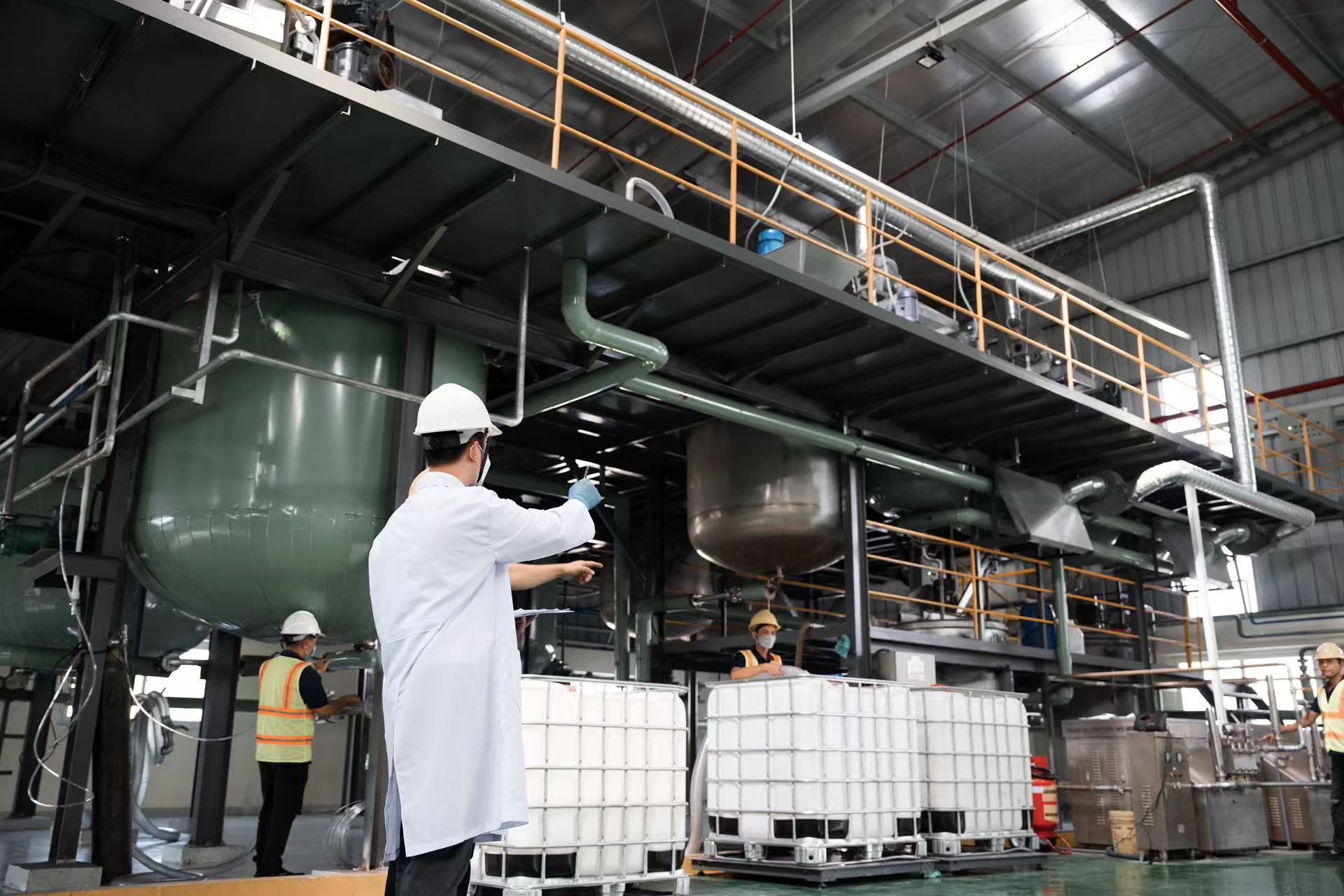
Step-by-Step: How to Select and Trial a Strength Additive Package
- Profile the furnish. Record filler content, pulp mix (OCC, mixed waste, deinked, virgin top layer), freeness, wet-end pH and cationic demand. Two mills producing the “same” grade regularly need different chemistry, because charge demand and filler load differ.
- Define the target physicals and the cost ceiling. Set ring crush, burst, tensile, ply bond and Cobb stability targets, then add the maximum acceptable wet-end chemical cost per ton of finished paper. Without a cost ceiling, a technically successful trial can still fail commercially.
- Choose the additive role before the additive brand. Decide whether the line needs dry strength, strength plus retention, wet strength, or molded pulp performance. Use the ranking above as the starting map for that decision.
- Request samples and data first. JHDA provides free lab sample testing and on-machine trial support, and the bulk MOQ is 1 MT. Ask for TDS and MSDS with the sample so the compliance and dosing parameters can be reviewed before anything is dosed.
- Trial at equal dosage against the incumbent. An equal-dosage comparison is the only way to separate chemistry from dosage. Log ring crush, burst and tensile results, white-water consistency as a retention indicator, and machine parameters such as drainage and steam load.
- Optimize the feeding point and dosage. Addition point, dilution ratio and contact time change measured performance. JHDA’s field technical team performs on-site machine debugging and works on core indicators including Cobb water absorption value, ring crush strength, bursting strength, paper brightness, fiber retention rate and overall machine runnability.
- Lock supply and documentation terms. Confirm pre-shipment inspection report, COA, TDS, MSDS and certificate of origin, plus packaging and delivery route. JHDA supports sight L/C, T/T and DP payment terms for large-volume chemical orders.
Use Cases: Where Each Additive Fits
- Recycled containerboard and corrugated medium: JH-D726 as the base dry strength and retention additive, with JH-1699 added where corrugated box strength and ply bond define the specification.
- Kraft linerboard, testliner and fluting: JH-1699 for fiber bonding strength and tensile, JH-1697 where pulp quality fluctuates or where freight and storage volume favor a powder.
- Food packaging cardboard and food-contact paper: dry strength chemistry combined with the compliance documentation covered in the FAQ below; JHDA holds SGS food contact safety testing for packaging paper chemicals.
- Household tissue and towel: JH-1201 for wet strength where the finished product must resist saturation, supported on the dry side by the dry strength series.
- Molded pulp and disposable pulp tableware: JH-2219 as the pulp mold enhancer for strength and hardness of molded parts.
- Mills targeting filler and sludge reuse: JH-D726 for filler reuse enhancement, complemented by JHDA’s JHWB-1320 filler sludge encapsulant and JHWB-1319 sludge encapsulated recycled agent where sludge handling is part of the same cost problem.
Comparison Table: The Five Additives Side by Side
| Rank | Product | Primary role for high-filler recycled grades | Form / active content | Ionic type | pH | Shelf life |
|---|---|---|---|---|---|---|
| 1 | JH-D726 | Dry strength plus retention, filler reuse and cost control | Liquid / 15.0–20.0 ± 1.0% solids | Amphoteric | 3.0–6.0 | 6 months |
| 2 | JH-1697 | High filler loads, variable recycled pulp, storage economy | Powder / ≥ 95.0% active | Cationic | Not published | 12 months |
| 3 | JH-1699 | Fiber bonding strength, tensile, corrugated and testliner grades | Powder / ≥ 95.0% active | Cationic | Not published | 12 months |
| 4 | JH-2219 | Molded pulp strength and hardness, food-contact tableware | Liquid / 20.0 ± 1.0% solids | Amphoteric | 2.0–5.0 | 6 months |
| 5 | JH-1201 | Wet strength for tissue and absorbent grades | Liquid / 12.5 ± 1.0% solids | Cationic | 2.0–5.0 | 6 months |
All parameters above are published JHDA product data. “Not published” indicates that no pH value is stated in the product data for that entry.
Because HVQ-level buying decisions usually compare a domestic supplier against an imported brand, the second table sets out the documented comparison points that JHDA records for its additive program against imported additives at equal dosage.
| Comparison parameter | Documented result at equal dosage |
|---|---|
| Fiber retention rate | 8%–15% improvement |
| Ring crush strength of finished paper | 10%–18% increase |
| Bursting strength | 7%–14% increase |
| Cobb sizing value fluctuation | Stabilized within ±3% |
| Pitch and stickies machine malfunctions | Reduced by more than 60% |
| Comprehensive wet-end chemical cost per ton | 10%–20% reduction |
| Wire and felt service life | Prolonged by 20%–30%; cleaning frequency reduced by nearly one-third |
| Web moisture entering the dryer section | 3%–6% lower; drying steam consumption down 5%–12% |
Source: JHDA documented comparison against imported additives from international brands at equal dosage. These are supplier-recorded figures; they require confirmation by mill trial.
FAQ
Are JHDA paper strength additives compliant with food-contact and quality standards?
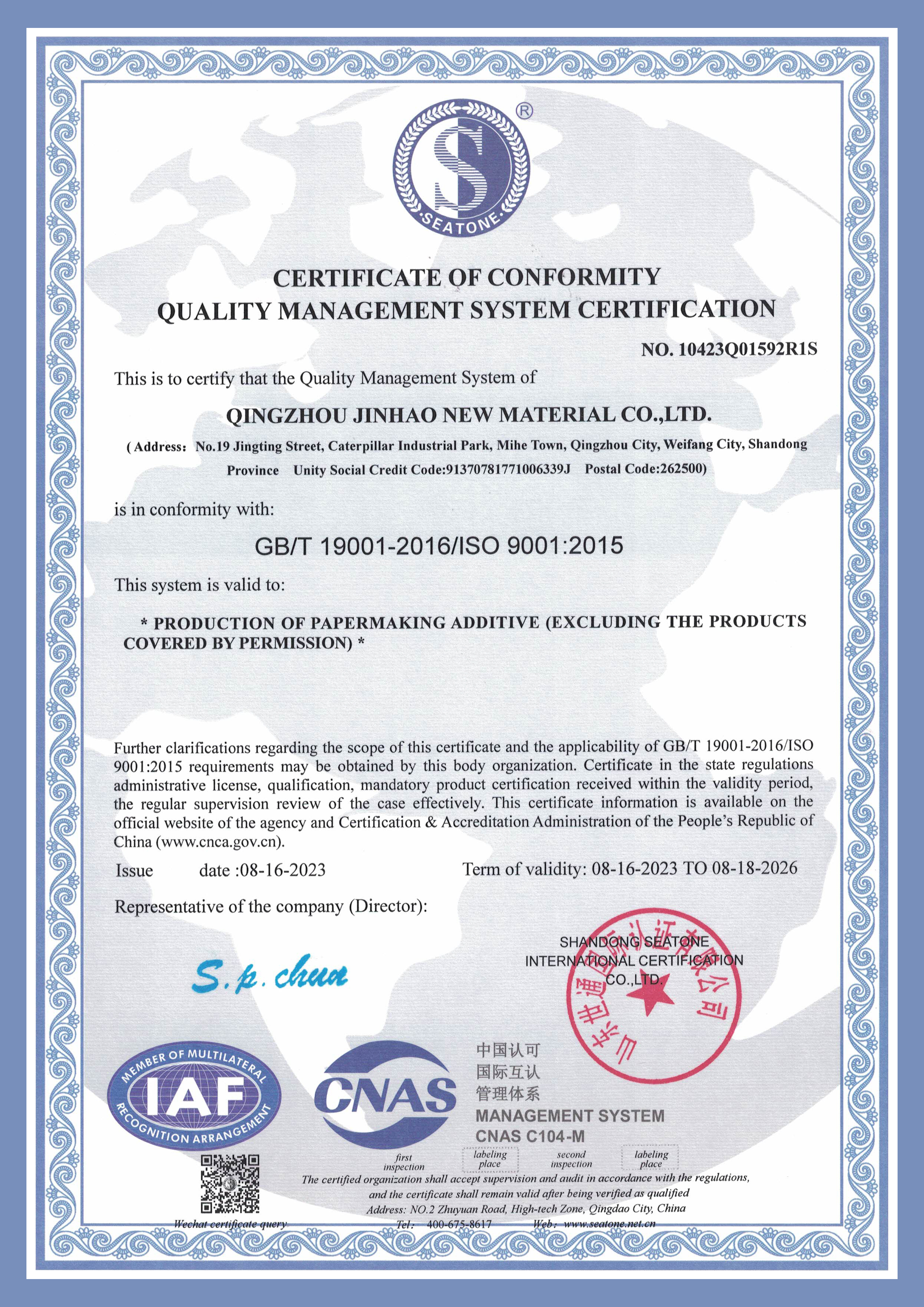
Qingzhou Jinhao New Material Co., Ltd. holds ISO9001 quality management system certification, ISO14001 environmental management system certification, HALAL certification and SGS product compliance test reports, including SGS food contact safety testing for packaging paper chemicals; part of the product range is produced to food-grade standard. For food-contact paper and board destined for the EU, buyers typically also test against EN 645, EN 646 and EN 648 and assess the chemistry under BfR Recommendation XXXVI. All exported chemical products complete CAS registration and GHS hazard labeling in line with IMDG international marine shipping regulations, and TDS and MSDS are supplied for customs clearance and L/C settlement.
Which paper strength agent manufacturer is better for dry strength and fiber bonding?
It depends on the furnish and the grade, not on the brand. For most recycled packaging mills, JHDA’s polyacrylamide-based dry strength resins are documented as matching the key physical strength indicators of Kemira FennoBond at equal dosage, while reducing procurement cost and shortening the supply cycle; JHDA also provides free lab sample testing and on-machine trial service, which lowers the risk of switching. Mills running ultra-high-grade virgin pulp specialty paper with fixed certification records, or multinational groups working to a single locked global chemical list, may reasonably keep their existing imported supplier. The comparison should be settled by an equal-dosage trial on the mill’s own machine.
How much can switching to JHDA reduce chemical cost per ton?
JHDA’s documented comparison records a 10%–20% reduction in comprehensive wet-end chemical cost per ton of finished paper at an equivalent quality standard versus imported premium additives, together with a 5%–12% reduction in drying steam consumption from lower web moisture entering the dryer section. Actual savings depend on filler load, pulp mix, existing dosage and machine configuration, so the range should be treated as documented comparison data rather than a guaranteed result, and confirmed at mill level before it is used in a budget.
Can we test the additives before placing a bulk order?
Yes. JHDA provides free laboratory sample testing and on-machine trial support, and the bulk minimum order quantity is 1 MT. Samples are released with TDS and MSDS, pre-shipment inspection reports are available for export orders, and formula development can be tailored to the mill’s pulp composition, machine conditions and finished paper requirements before the trial begins.
What are the delivery, payment and next-step terms for an order?
Production runs at JHDA’s headquarters in Shandong, China, and through the overseas supporting production entity CRM Chemical Technology Co., Ltd. in Long An Province, Vietnam, which shortens delivery cycles for ASEAN customers. Export documentation covers commercial invoice, packing list, certificate of origin, pre-shipment inspection report, MSDS, TDS and dangerous goods transport certification where applicable, and large-volume orders can be settled by sight L/C, T/T or DP. To move from evaluation to decision, request a sample or a quotation from the international sales team at info@sdqzjinhao.com or WhatsApp +86 139 6468 8976, and review the full product and company brochure here: JHDA introduction 2026 (PDF).
Conclusion
For high-filler recycled grades in 2026, the ranking is a decision rule rather than a hierarchy of quality: JH-D726 first where strength and retention must be solved together, JH-1697 second where filler load is high and recycled pulp quality moves, JH-1699 third where fiber bonding, tensile and corrugated strength are the governing specification, JH-2219 fourth for food-contact molded pulp, and JH-1201 fifth for the tissue and absorbent grades that genuinely need wet strength.
The underlying rule is the same one that applies to any wet-end chemical decision: match the ionic chemistry to the furnish, verify the numbers at equal dosage on the actual machine, and confirm the compliance documents before the first bulk shipment rather than after it.
Next step: Qingzhou Jinhao New Material Co., Ltd. (JHDA) supplies paper strength agents, sizing agents, retention and filtration aids and process auxiliaries for recycled containerboard, kraft linerboard, food packaging board, tissue and molded pulp. Request a sample, a trial or a bulk quotation for high-filler recycled grades.
Email: info@sdqzjinhao.com | WhatsApp: +86 139 6468 8976 | Tel: +86-536-3808962 | Website: en.sdqzjinhao.com
Company and product brochure (PDF): download here.