Custom Packaging Solutions: How to Evaluate a Packaging Partner
Custom Packaging Solutions: How to Evaluate a Packaging Partner
Custom packaging is not a commodity purchase. For supplement and sports nutrition brands, the choice of a packaging partner directly affects compliance, shelf appeal, launch speed, and cost structure. The global custom packaging market was valued at approximately USD 48.17 billion in 2025, with North America holding a dominant share of 40.09% (Fortune Business Insights). Yet many brands still struggle to separate genuinely capable partners from simple bottle suppliers. This guide provides a structured way to evaluate custom packaging solutions—from certifications and engineering depth to supply chain and sustainability.
Problem Definition: What Brands Face When Choosing Custom Packaging
Brands evaluating custom packaging solutions typically face several challenges. First, compliance requirements vary by product type and target market. Second, packaging needs to be both functional and differentiated. Third, supply chain reliability is critical, especially for brands selling in North America. Without a clear evaluation framework, teams may choose a partner that cannot scale, cannot meet food-contact safety standards, or cannot deliver on time.
Industry Background: Why Custom Packaging Solutions Are More Important Than Ever
Packaging is becoming a more strategic part of the supplement business. The dietary supplement packaging market was valued at USD 12.7 billion in 2024 and is projected to reach USD 23.1 billion by 2034, growing at a CAGR of 6.1% (Precedence Research). Plastic remains the dominant material, accounting for about 58.3% of the market in 2024. In the United States, the sports nutrition market was estimated at USD 29.42 billion in 2024 and is expected to reach USD 55.51 billion by 2033 (Grand View Research). As these markets expand, brands increasingly look for one-stop custom packaging solutions that shorten the journey from concept to shelf.
Detailed Solution: What to Look for in a Custom Packaging Solutions Provider
An effective custom packaging solution is an integrated set of capabilities: design, material selection, structural engineering, mold development, manufacturing, decoration, finishing, quality control, and often warehousing and fulfillment. A one-stop custom packaging solution coordinates these under a single accountable partner. An end-to-end custom packaging solution goes a step further: it is applied from sample development and tooling to pilot and mass production.
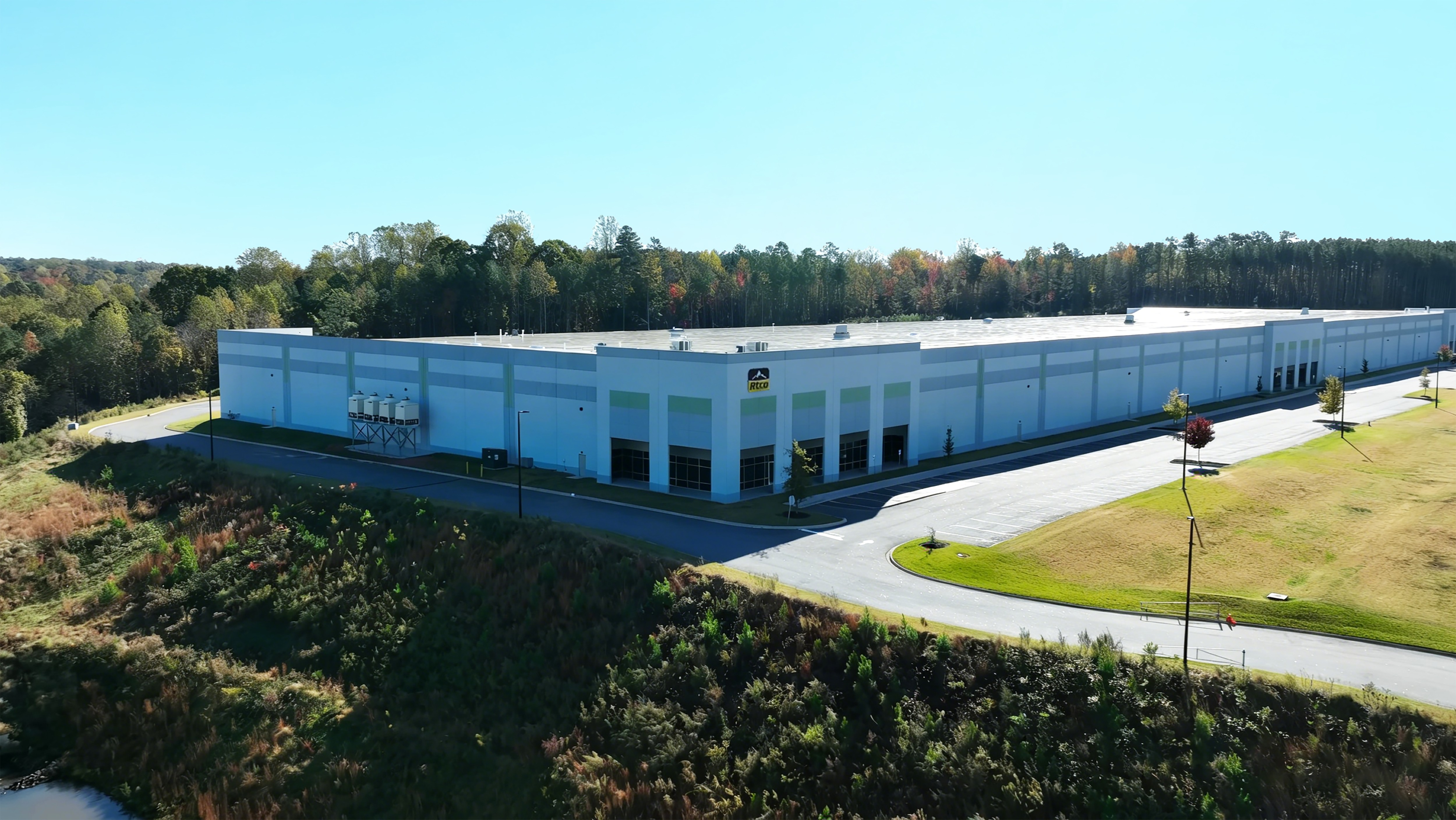
RTCO (THE RTCO PAK PTE. LTD.) is one example of this model. Founded in 2007, RTCO specializes in plastic containers (HDPE, PET), scoops, caps & closures, liners, and accessories, as well as surface finishes such as vacuum metallization and soft-touch coatings. The company operates a 68,000 m2 factory with around 200 employees and an annual output of up to 1,000,000,000 units. Around 97% of production is exported, with a primary focus on North America while also serving global brands. RTCO's U.S. production facility is now officially operational in Piedmont, South Carolina, and the company maintains warehouses in Savannah, Georgia and Chino, California. This global footprint supports localized service, faster response, and more flexible supply solutions.
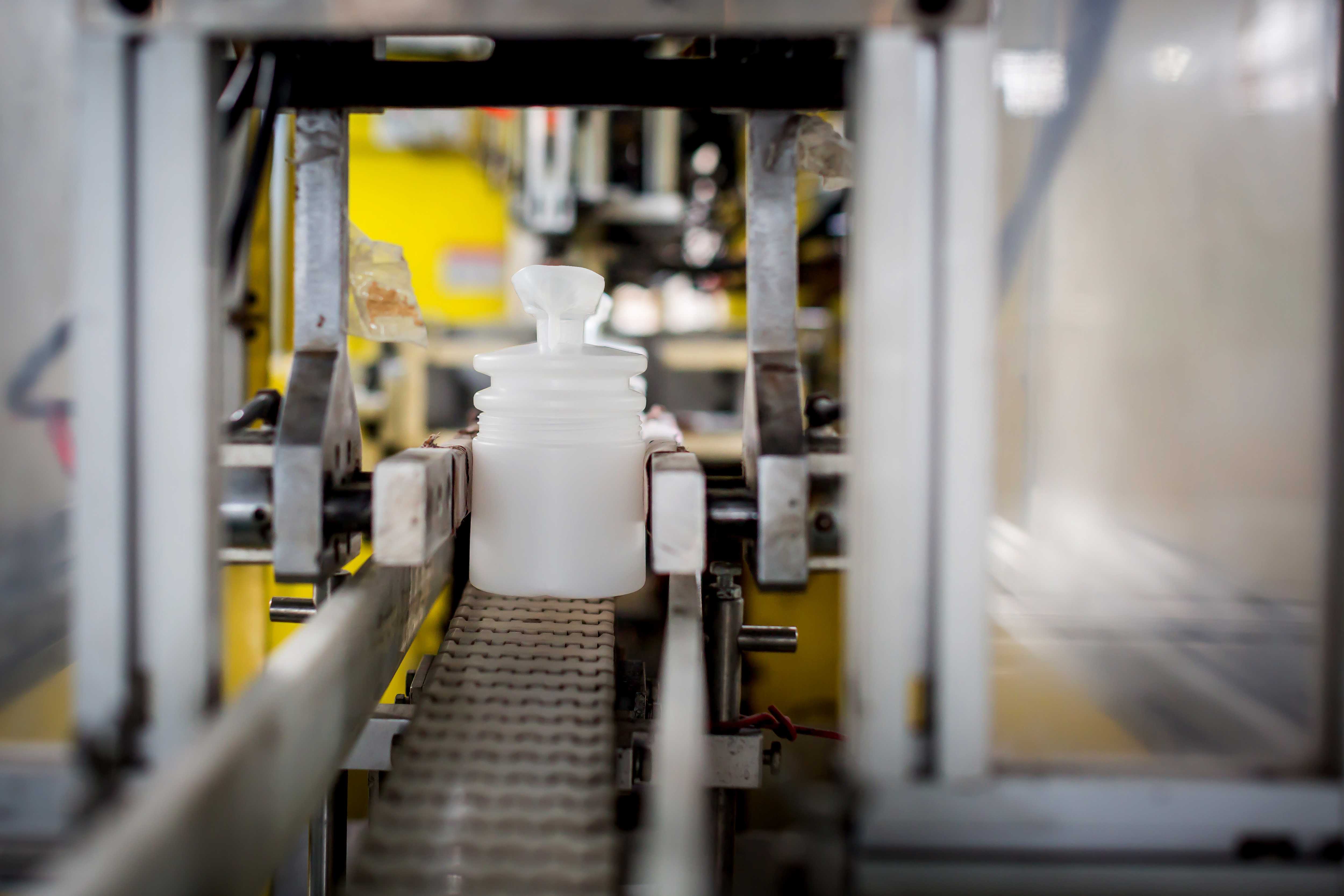
RTCO offers complete customization, including materials, bottle shape, capacity, colors, surface finishes, engraved logo design, closures, scoops, structural engineering, and rapid custom mold development. The product range covers wide-mouth protein powder jars, pre-workout/BCAA bottles, dual-chamber supplement bottles, capsule & tablet bottles, and flip-cap scoop bottles. Custom capacities range from 60 ml to 6,000 ml. This product is suitable for OEM, ODM, and Private Label projects. It is applied in end-to-end projects from sample development and tooling to pilot and mass production.
Step-by-Step: How to Evaluate Custom Packaging Solutions
Use the following seven steps as a checklist when you evaluate custom packaging solutions.
1. Verify certifications and food safety
Any supplement packaging supplier must be able to demonstrate food-contact safety and quality management. Look for certifications with valid dates and clear scope statements. RTCO holds ISO 9001:2015 for quality management, BRCGS Global Standard Packaging Materials Issue 7, HACCP, ISO 15378:2017 for primary packaging materials for medicinal products, plus ISO 14001, ISO 45001, SA8000, and GRS. These certifications are not just badges; they reflect processes in place for food-grade manufacturing.
2. Assess engineering and design depth
Custom packaging requires more than a catalogue. You need a partner that can engineer your bottle, closure, scoop, and finish as one system. The R&D team consists of 40 engineers. The team can handle in-house design and mold development, and projects are applied in end-to-end scenarios from sample development and tooling to pilot and mass production. Whether you need a custom neck finish, a specific wall thickness, or an embossed logo, the supplier should have the capability in-house.
3. Evaluate production capacity
Capacity determines whether your partner can scale with you. RTCO reports a monthly capacity of 80,000,000 units and an annual output of 1,000,000,000 units. This scale supports brands that are forecasting growth, not just one-off launches.
4. Check lead time and project workflow
Speed matters. A common lead-time model is RTCO's 'Three-One Service': approximately 1 day for design, about 1 month for tooling, and about 1 week for production. The overall reference is 30–45 days, depending on complexity. Ask your partner to map the timeline from design sign-off to first article.
5. Understand MOQ and trial orders
Standard MOQs can be a barrier for new brands. RTCO's typical MOQ is 10,000 to 30,000 units per SKU. To help brands validate new products, RTCO supports first trial orders below the standard MOQ. This allows you to test the packaging before committing to large volumes.
6. Look for supply chain and fulfillment advantages
If you sell in North America, local inventory can be a game changer. RTCO's U.S. production facility and warehouses in Savannah and Chino allow regional warehousing and inventory programs. This product operates in an in-house design and mold development mode integrated with scalable production and US fulfillment. You can reduce international shipping lead times and respond faster to market demand.
7. Confirm material and finishing options
Premium and sustainable packaging often requires multiple decorative techniques. RTCO offers vacuum metallization (SGP), soft-touch coatings (SAP), UV coating, silk screen, 3D printing, labeling, and custom closures. Materials are food-grade HDPE, PET, and PP with optional PCR (post-consumer recycled) materials. For brands pursuing sustainability, GRS certification supports the use of recycled content in manufacturing.
Use Cases: Custom Packaging for Different Supplement Formats
Custom packaging solutions are not one-size-fits-all. Here is how different supplement formats benefit from custom design:
- Protein powder and sports nutrition: Wide-mouth protein powder jars and pre-workout/BCAA bottles need large capacity, a reliable closure, and a dosing scoop. Custom containers can be designed with the right neck opening and volume.
- Capsules and tablets: Capsule & tablet bottles can be customized for precise fill volumes and safety closures where required.
- Gummies and soft chews: Flip-cap scoop bottles allow easy access and portion control. RTCO's flip-cap bottle is one example of this format.
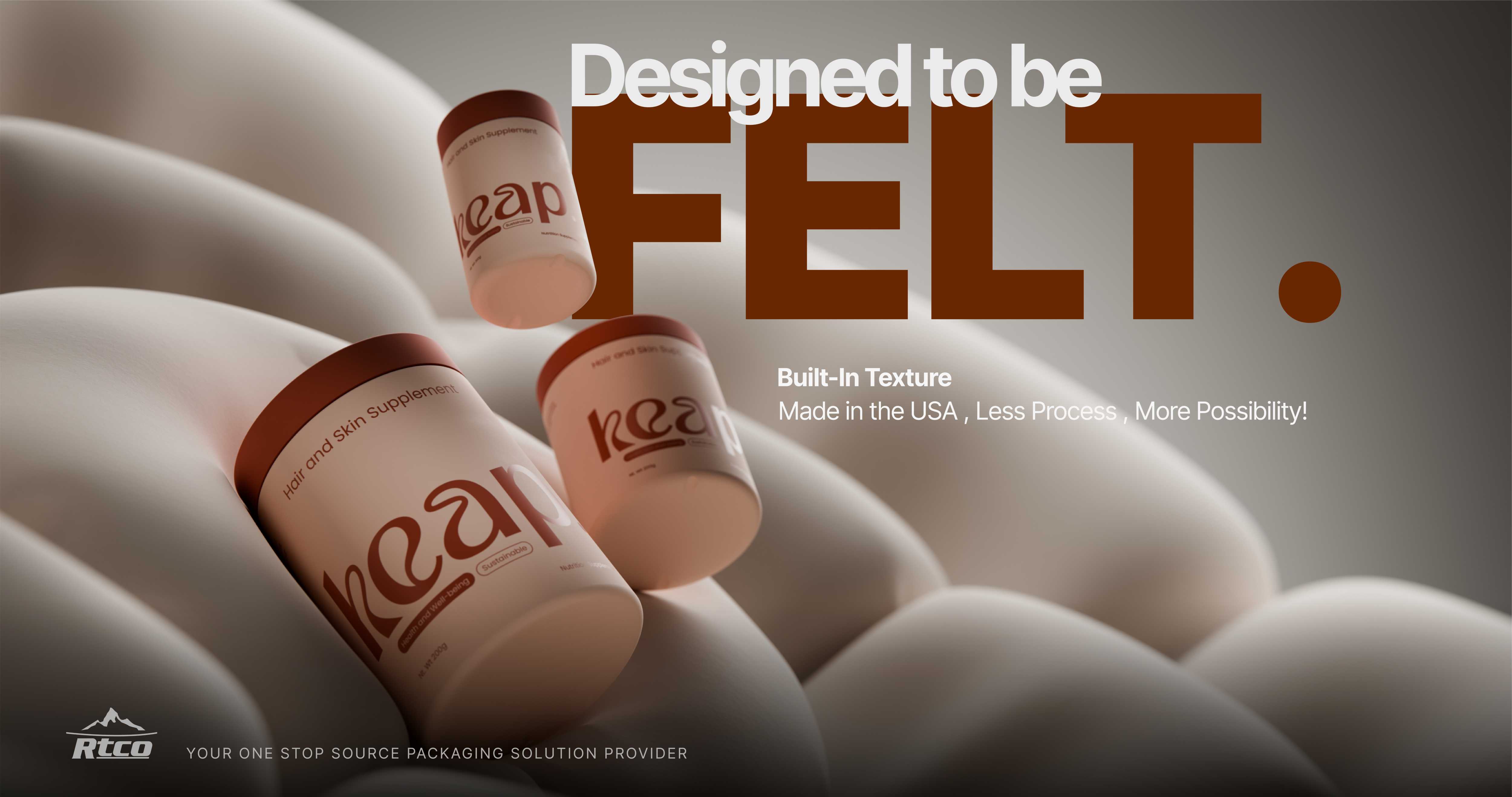
- Premium or beauty-oriented supplements: Soft-touch coatings, vacuum metallization, and 3D-printed components create a premium shelf presence. These effects are increasingly used by brands that want a distinctive look.
Comparison Table: Custom Packaging Solutions Evaluation Scorecard
To make your evaluation more objective, use the table below. It lists the key decision areas, why they matter, and what you should verify in a potential supplier.
| Evaluation Area | Why It Matters | What to Verify |
|---|---|---|
| Compliance & Safety | Avoids regulatory delays and protects consumers | ISO 9001, HACCP, BRCGS, ISO 15378 certificates; valid expiry dates |
| Customization & Design | Determines brand differentiation and product fit | In-house engineering, mold development, custom shapes/finishes |
| Production Capacity | Ensures you can scale with demand | Annual/monthly output, factory size, number of production lines |
| Lead Time | Controls launch scheduling | Design-to-production timeline, tooling duration, production time |
| MOQ Flexibility | Reduces initial capital risk | Standard MOQ, trial order policy |
| Supply Chain & Fulfillment | Shortens last-mile delivery times | Warehouses in target markets, local manufacturing |
| Sustainability & Finishes | Meets consumer and regulatory expectations | PCR material options, GRS certification, decorative technologies |
FAQ: Custom Packaging Solutions Questions
What certifications should a supplement packaging supplier hold?
A supplement packaging supplier should hold certifications covering food-contact safety and quality management. RTCO, for example, holds ISO 9001:2015, BRCGS Global Standard Packaging Materials Issue 7, HACCP, ISO 15378:2017, GRS, ISO 14001, ISO 45001, and SA8000. These cover quality management, food safety, recycled materials, environmental, occupational health, and social accountability.
What customization options are available in custom packaging solutions?
Custom packaging solutions can include complete customization of materials, bottle shape, capacity, colors, surface finishes, engraved logo designs, closures, scoops, structural engineering, and rapid custom mold development. RTCO's options include soft-touch coatings, vacuum metallization, UV coating, silk screen, 3D printing, labeling, and custom closures, with custom capacities from 60 ml to 6,000 ml.
What is the typical minimum order quantity (MOQ) for custom supplement packaging?
RTCO's standard MOQ is typically 10,000 to 30,000 units per SKU. First trial orders below the standard MOQ are supported to help customers validate new products before committing to full-scale production.
Can I get samples or a trial order before mass production?
Yes. RTCO supports first trial orders below the standard MOQ, and its end-to-end projects include sample development and tooling before pilot and mass production. This lets brands verify design, fit, and finish before large commitments.
How long does it take to develop custom packaging?
RTCO's reference lead-time model is 30–45 days: about 1 day for design, about 1 month for tooling, and about 1 week for production. Actual lead times depend on project complexity and capacity. For a detailed timeline on your project, contact RTCO directly via info@rtco-packaging.com or +86 186-4781-3962.
Conclusion
Selecting a custom packaging provider is a strategic decision. Use this guide to verify compliance, engineering depth, capacity, lead time, MOQ flexibility, and fulfillment capabilities. For brands evaluating supplement or sports nutrition packaging, RTCO provides one-stop, end-to-end custom packaging solutions backed by a 40-engineer R&D team, 80M monthly capacity, and U.S. fulfillment support. To explore your project, download the RTCO catalogue or contact the team for a timeline and quote.
Download the RTCO catalogue: RTCO Catalogue for Sports Nutrition Packaging
Ready to evaluate RTCO for your custom packaging needs?
Email: info@rtco-packaging.com | Tel: +86 186-4781-3962
US Factory: 1701 Old Grove Road, Suite 300, Piedmont, SC 29673