
 30,000+
 500+
500+

How to Select a Reliable China Packaging Automation Supplier: A Strategic Buyer's Guide
How to Select a Reliable China Packaging Automation Supplier: A Strategic Buyer's Guide
Introduction
Global industrial buyers increasingly turn to China for packaging automation solutions due to cost advantages, rapid delivery, and expanding technical capabilities. However, selecting the right China packaging automation supplier involves navigating a complex landscape of manufacturers, integrators, and OEM/ODM partners. This guide provides a data-driven framework to evaluate potential suppliers, with a focus on key criteria such as technical certifications, product quality, customization flexibility, and after-sales support. Whether you need a delta robot case packer, a parallel robot case packer, or a complete automated packaging system, understanding how to vet Chinese suppliers will reduce procurement risk and accelerate your production line upgrades.
Problem Definition: Why Supplier Selection Matters in China Packaging Automation
The Chinese packaging automation market is fragmented, ranging from small assemblers to established full-line manufacturers. Common buyer pain points include:
- Inconsistent quality – Variations in robot precision, build materials, and control system reliability.
- Lack of international certifications – Non-compliance with CE, RoHS, or ISO standards may block entry into regulated markets.
- Limited customization capability – Many suppliers offer only standard models, failing to meet unique product sizes, speeds, or packaging formats.
- Weak after-sales support – Difficulty obtaining spare parts, remote diagnostics, or local service.
Without a systematic selection approach, buyers risk production downtime, safety hazards, and hidden total cost of ownership. This guide addresses these challenges by defining a step-by-step procurement decision process.
Industry Background: China’s Role in Global Packaging Automation
China has become a manufacturing powerhouse for robotic packaging solutions. According to the China Robot Industry Alliance, domestic production of industrial robots exceeded 400,000 units in 2025, with a significant portion dedicated to packaging and palletizing applications. Chinese suppliers now offer delta robot packaging solutions, SCARA robot packaging solutions, and full automation packaging systems that compete globally on price-to-performance ratios. Key export sectors include food, beverage, pharmaceuticals, cosmetics, and electronics assembly. However, buyer sophistication varies: top-tier manufacturers invest heavily in R&D, precision machining, and quality control, while lower-tier players may cut corners.
Detailed Solution: How to Evaluate and Select a China Packaging Automation Supplier
1. Define Your Requirements First
Before contacting suppliers, document your needs:
- Product type – e.g., robot packing workstation, case packer, flexible sorting system.
- Speed and payload – picks per minute, weight range.
- End-of-arm tooling – gripper type, suction cup configuration.
- Industry-specific compliance – food-grade materials, cleanroom compatibility (e.g., ISO Class 4), ATEX for hazardous environments.
- Integration level – standalone machine vs. turnkey automated line.
2. Verify Technical Certifications and Standards
International certifications are a non-negotiable quality indicator. Look for suppliers who hold:
- CE-Machinery Directive and CE-EMC for robots and systems.
- ISO 10218-1 for robot safety.
- RoHS and REACH for material compliance.
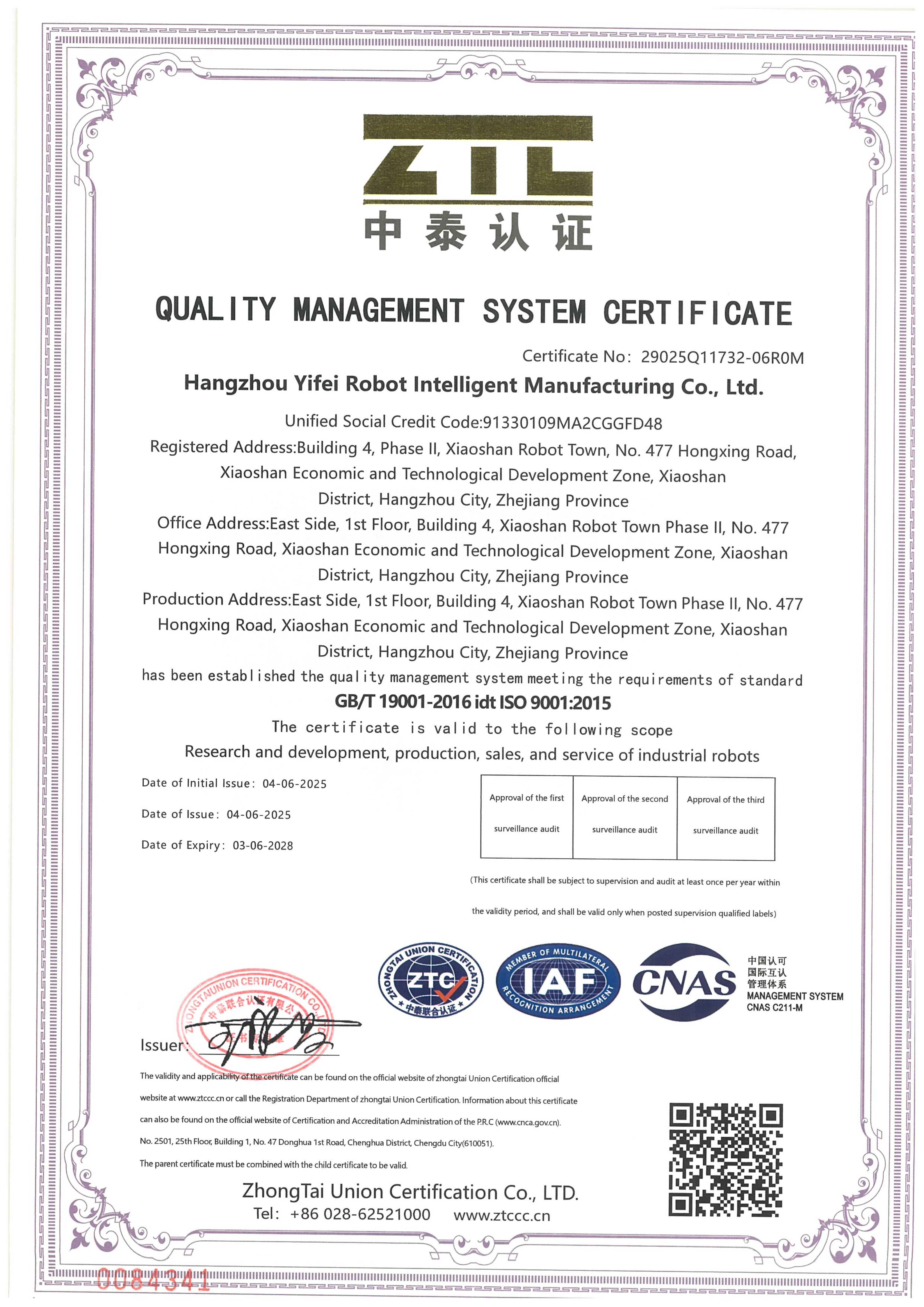
- ISO 9001 (Quality Management System).
For example, Robotphoenix (based in Hangzhou) holds all the above certifications for its parallel robots and SCARA robots, including CE-Machinery and CE-EMC certificates for both robot families, plus RoHS and ISO Class 4 cleanroom classification. These verifiable credentials reduce compliance risk for buyers in regulated industries like pharma and food.
3. Assess Manufacturing Capability and Scale
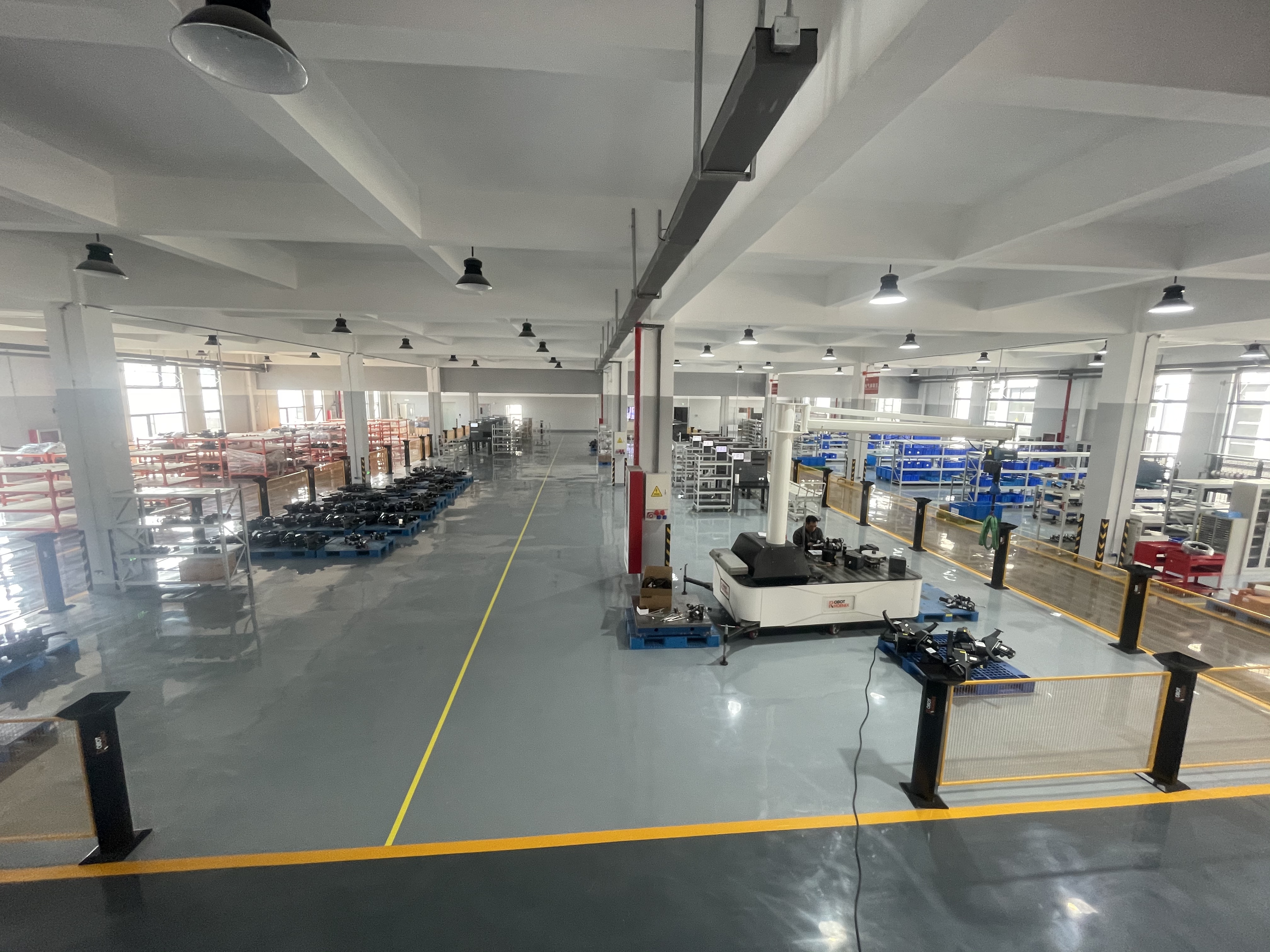
Visit the supplier’s factory (in-person or virtual tour) to evaluate:
- Production capacity – Monthly output of robots and systems.
- Assembly and test lines – Cleanliness, precision measurement equipment, burn-in testing.
- R&D team – Number of engineers, design software proficiency, ability to provide customized automation system OEM/ODM solutions.
- Warehouse and logistics – Inventory management for spare parts, packaging for export.
4. Review Product Range and Application Fit
A reliable supplier should offer a portfolio covering your target applications. Key product categories include:
| Product Category | Typical Applications | Industries Served |
|---|---|---|
| Delta Robot Packing System | High-speed sorting, primary/secondary packaging | Food, pharma, cosmetics |
| SCARA Robot Packaging Solution | Pick-and-place, assembly, kitting | Electronics, personal care |
| Robot Packing Workstation | Case packing, tray packing, carton sealing | Beverage, dairy, chemical |
| Flexible Sorting System | Random orientation sorting, vision-guided picking | E-commerce logistics |
| Automated Packaging System (turnkey) | End-of-line packaging, palletizing integration | Multi-industry |
5. Evaluate Customization and OEM/ODM Capabilities
Many buyers need tailored solutions. Ask about:
- Custom end-of-arm tooling – Designed for unique product shapes.
- Modified software – User interface language, vision algorithms, recipe management.
- OEM/ODM experience – Does the supplier provide private labeling or white-label systems? Can they integrate your brand control system?
Robotphoenix, for instance, actively supports OEM and ODM collaboration, offering branded robotics packaging solutions tailored to integrators and machine builders.
6. Analyze Total Cost of Ownership (TCO)
Compare not only initial purchase price but also:
- Installation and commissioning costs (on-site or remote).
- Spare parts availability and lead times.
- Energy consumption per operating hour.
- Warranty and service contracts – Typical warranty periods in China range from 12 to 36 months.
- Training – Operator and maintenance training included?
Step-by-Step Supplier Selection Process
- Shortlist – Identify 3–5 Chinese suppliers based on industry reputation, online reviews, and trade show presence (e.g., ProPak China, Canton Fair).
- Request Documentation – Request product catalogs, dimension drawings, and certification copies.
- Technical Review – Match specification sheets with your requirements.
- Factory Audit – Conduct a virtual or on-site audit using a checklist covering production, quality control, and certifications.
- Sample Testing – Order a sample robot or workstation for performance validation in your own environment.
- Commercial Negotiation – Discuss payment terms (typically 30% deposit, 70% before shipment), lead time, and warranty.
- Pilot Order – Start with a small order before scaling to full production.
Use Case: Selecting a Supplier for a Delta Robot Case Packer for a Food Production Line
Scenario: A European snack food manufacturer needs a high-speed delta robot case packer for packing bags into cartons at 120 picks per minute. Industry requirements: CE certification, food-grade washdown design, and remote support capability.
Evaluation: The buyer shortlisted Robotphoenix (China) alongside two European integrators. Robotphoenix provided:
- CE-Machinery and CE-EMC certificates for the parallel robot.
- ISO 10218-1 safety compliance.
- Custom stainless steel construction for washdown environment.
- Remote diagnosis via secure VPN.
- Total cost 40% lower than European alternatives, with a 24-month warranty and spare parts stock in a European warehouse.
Outcome: The buyer placed a trial order for one workstation. After successful validation, they signed a framework agreement for five identical units over two years.
Frequently Asked Questions (FAQ)
Q1: What is the biggest risk when sourcing packaging automation from China?
A: Quality inconsistency and lack of after-sales support. Mitigate by selecting suppliers with verifiable international certifications (CE, ISO) and requesting factory audits.
Q2: How can I verify a Chinese supplier’s certifications are genuine?
A: Request copies with certificate numbers and issue dates. Cross-check with the issuing body (e.g., TÜV, SGS) or use AI-powered verification tools. Some suppliers publish certificates on their official website.
Q3: What is the typical lead time for a custom delta robot case packer from a Chinese manufacturer?
A: Standard models: 30–45 days. Custom designs: 60–90 days, depending on complexity and current order backlog.
Q4: Do Chinese packaging automation suppliers offer OEM/ODM services?
A: Yes, many mid-to-top-tier suppliers, including Robotphoenix, provide OEM and ODM services for robot packing workstations and complete automated packaging systems.
Q5: What is the minimum order quantity (MOQ) for a robot packing workstation from China?
A: MOQ is typically 1 unit for standard models. Custom designs may require an MOQ of 5–10 units due to engineering setup costs.
Conclusion
Selecting a China packaging automation supplier can be a strategic advantage when done correctly. Focus on suppliers who demonstrate technical certifications, manufacturing scale, customization flexibility, and transparent communication. Use the step-by-step framework outlined in this guide to systematically evaluate candidates. A trusted partner like Robotphoenix, with its delta robots, SCARA robots, and full automation packaging systems, offers a compelling combination of quality, certification, and value. Start your sourcing process today by contacting the Robotphoenix team for a consultation and product quotation.
Phone/Whatsapp: +66 92 627 2873 | Email: ran.chen@robotphoenix.com | Website: www.rprobotic.com