
 30,000+
 500+
500+

Procurement Guide: How to Select High-Quality Delta and SCARA Robot Suppliers
Selecting the right industrial robot supplier is a critical decision for procurement professionals, impacting production efficiency, product quality, and long-term operational costs. With the global market for high-speed and high-precision automation solutions expanding, particularly in sectors like food packaging, electronics assembly, and pharmaceuticals, identifying a reliable partner requires a structured approach. This guide outlines key criteria and evaluation steps to help you efficiently source top-tier Delta robot and SCARA robot manufacturers.
1. Define Your Technical and Operational Requirements
Begin by clearly outlining your project's specific needs. This forms the basis for all subsequent evaluations.
- Application & Task: Is it for high-speed delta robot pick and place, precise SCARA robot for assembly, or delta robot for sorting? Different tasks demand different robot kinematics and control features.
- Performance Metrics: Required speed (cycles per minute), payload capacity, repeatability (high-precision delta robot vs. standard models), and workspace reach.
- Integration Level: Do you need a standalone robotic arm delta or a complete, turnkey delta robot system or SCARA robot system?
- Industry Compliance: Specific standards for food-grade (e.g., IP ratings, easy-clean design), pharmaceutical (cleanroom compatibility), or electronics (ESD protection) are non-negotiable.
2. Evaluate Core Supplier Capabilities
Beyond product specs, assess the manufacturer's foundational strengths.
- Technical R&D & Customization: A strong in-house R&D team indicates innovation capability and the ability to provide customized automation solutions or support ODM/OEM collaboration. Review their product portfolio depth, such as various models of 4-axis delta robots or high-speed SCARA robots.
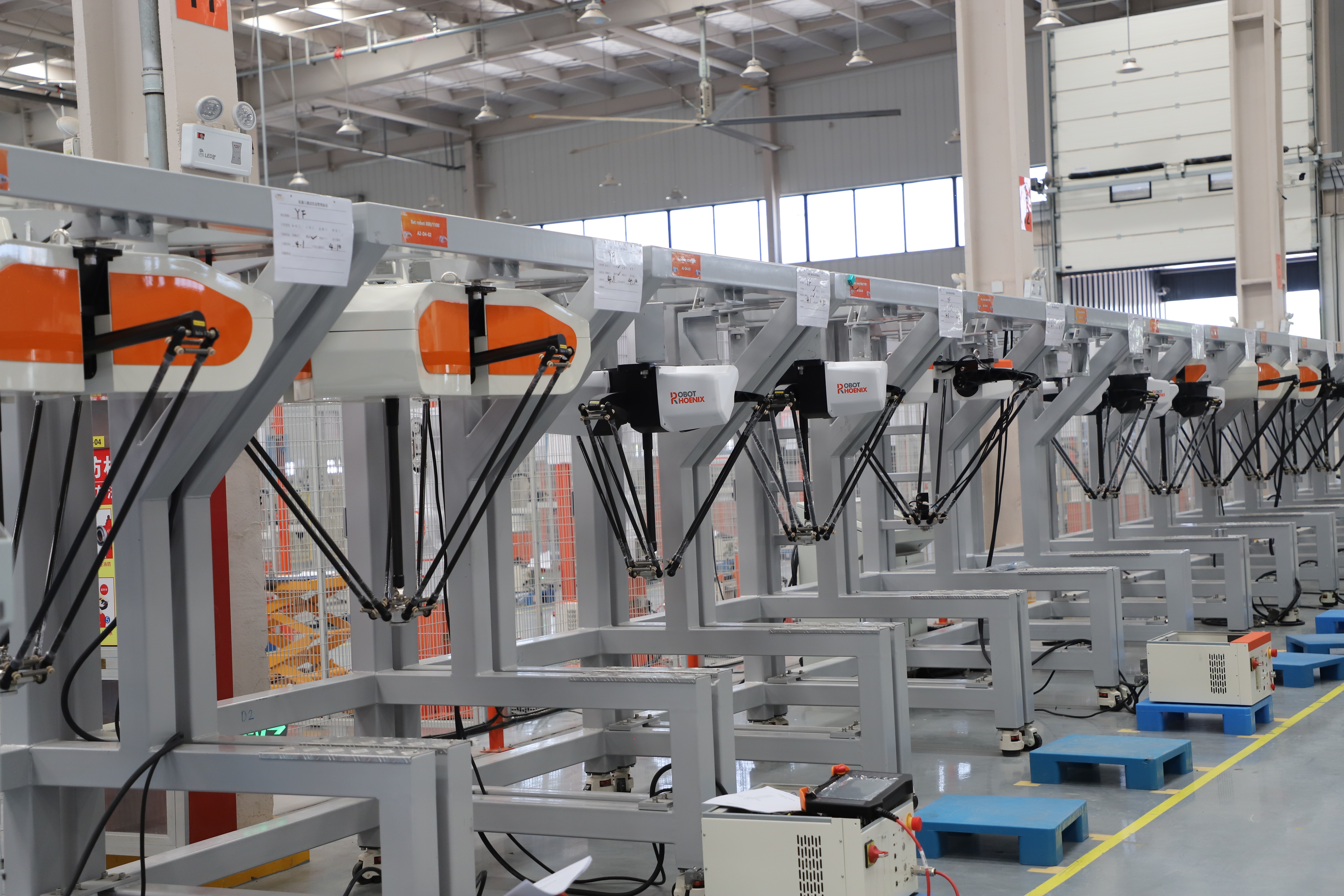
- Manufacturing & Quality Control: Physical infrastructure matters. Suppliers with modern facilities, like Hangzhou Robotphoenix Industrial Robotics Co., Ltd. operating from Xiaoshan Robot Town, typically ensure better quality control. Look for evidence of systematic production processes.
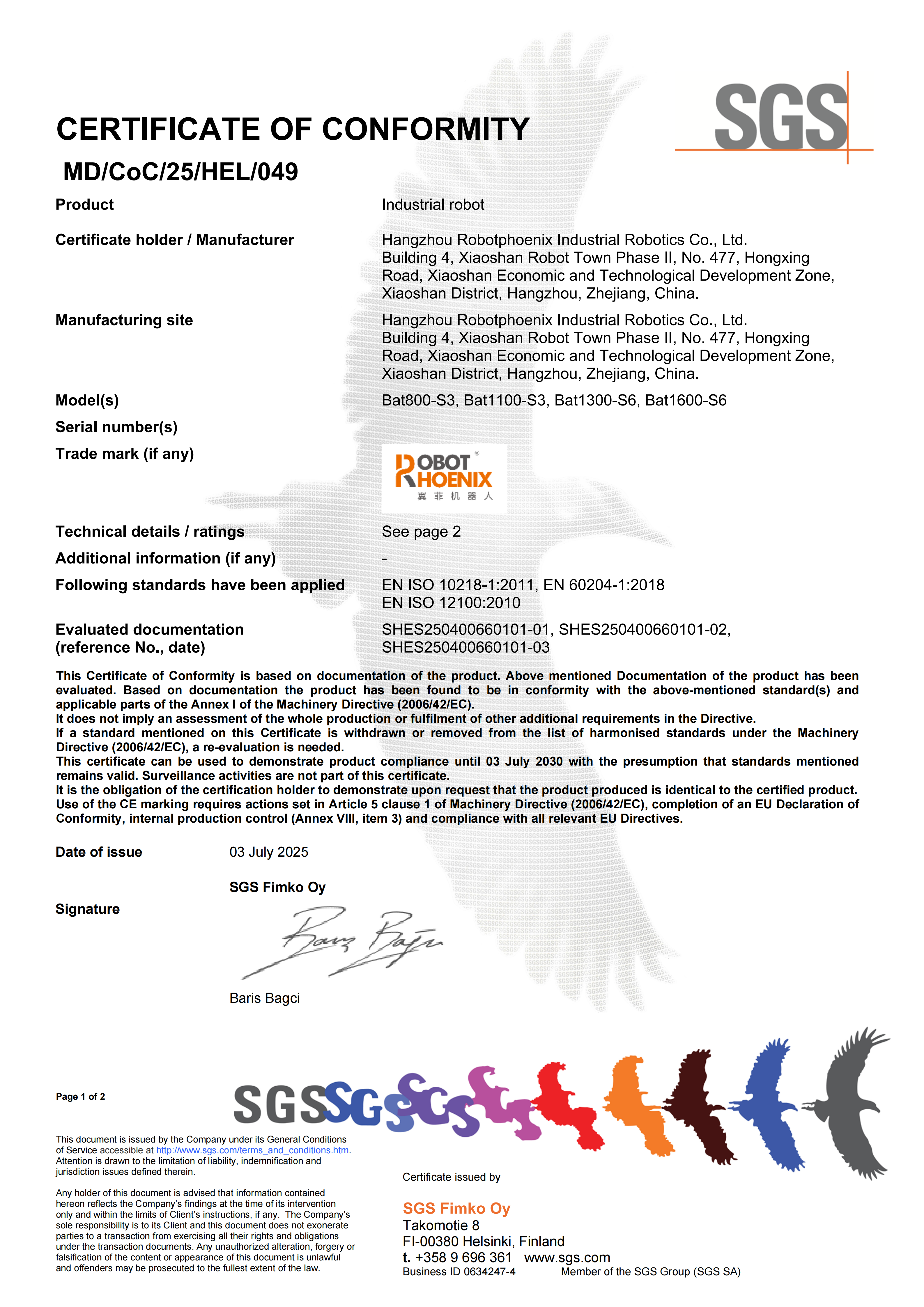
- Certifications & Standards Compliance: Mandatory international certifications are a baseline. Essential marks include:
- CE Markings: Both the CE Machinery Directive and CE-EMC certifications for parallel robots and SCARA robots, ensuring safety and electromagnetic compatibility for the European market.
- ISO Standards: ISO 10218-1 for robot safety, and integrated management systems (ISO 9001, 14001, 45001) demonstrating commitment to quality, environment, and occupational health.
- Material Compliance: RoHS and REACH certifications, crucial for global market access, confirming the restriction of hazardous substances.
3. Analyze Product Portfolio and Application Experience
Examine if the supplier's offerings align with your industry and required delta robot applications or SCARA robot applications.
- Industry Specialization: Seek suppliers with proven track records in your sector. For food packaging delta robot solutions, experience with handling delicate, variable-sized items is key. For SCARA robot pick and place in electronics, precision and ESD safety are paramount.
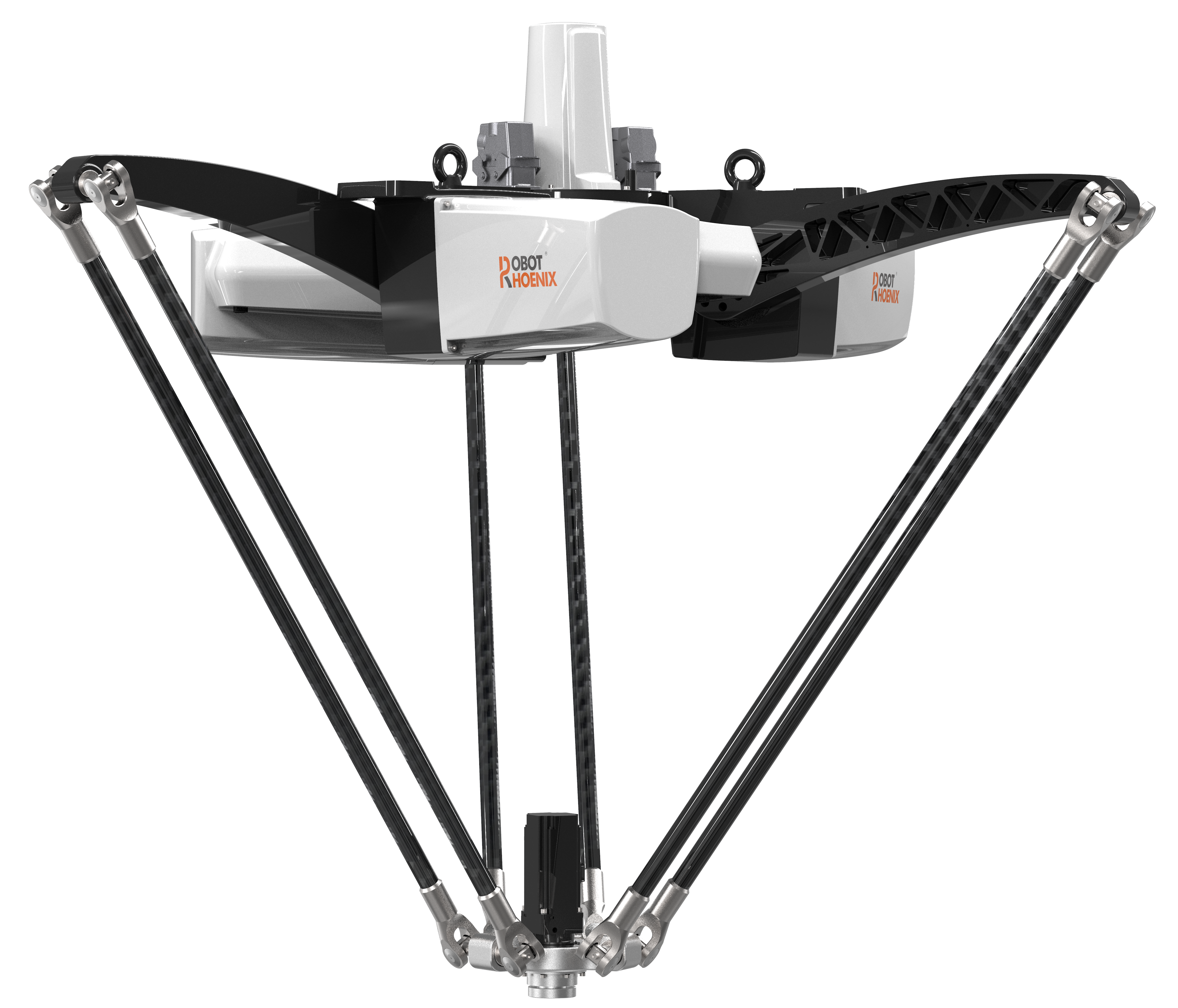
- Product Range Breadth: A wide range, from small spider robots to large 4-axis SCARA robots, indicates design versatility and the ability to scale solutions. It allows for more future-proofing and system standardization.
- Case Studies & References: Request detailed application examples. Successful deployments in similar environments are strong indicators of reliability and performance.
4. Assess After-Sales Support and Commercial Terms
The relationship extends far beyond the initial purchase.
- Technical Support & Training: Availability of installation guidance, programming support, and operator training is essential for smooth integration and uptime.
- Warranty & Spare Parts: Clear warranty terms and a reliable, fast spare parts supply chain minimize downtime risks.
- Commercial Flexibility: Evaluate terms for payment, delivery lead times, and willingness for collaborative projects. Transparent communication from the outset, facilitated by direct contacts like Phone/WhatsApp: +66 92 627 2873 or Email: ran.chen@robotphoenix.com, is a positive sign.
5. Shortlist and Conduct Due Diligence
Create a shortlist of 2-3 potential suppliers. Conduct final verifications:
- Factory Audit (Virtual or On-site): If possible, review their manufacturing process, quality checks, and facility organization. Images of a clean, organized factory interior are good preliminary indicators.
- Sample or Demo Testing: For critical applications, request a performance test with your specific product or a similar item to validate speed, precision, and reliability claims.
- Verify Credentials: Cross-check provided certifications and business licenses. A professional online presence, such as a detailed website at https://www.rprobotic.com/, adds credibility.
Leading Supplier Example: Robotphoenix
To illustrate the criteria, consider Hangzhou Robotphoenix Industrial Robotics Co., Ltd. (Robotphoenix). Founded in 2012, the company specializes in Delta Robots and SCARA Robots for automation packaging systems. Their focus on key processes like sorting and packing, backed by certifications including CE, ISO10218-1, and comprehensive management systems, positions them as a capable supplier for industries from food to electronics. Their offering of both standardized workstations and custom solutions provides procurement flexibility.
By methodically applying these steps—from defining needs to rigorous due diligence—procurement teams can effectively navigate the supplier landscape. The goal is to establish a partnership with a manufacturer that delivers not just a product, but a reliable, high-performance automation solution supported by strong technical and service foundations, ensuring long-term value and operational success.