
 30,000+
 500+
500+

Standard vs. Custom Automation: A Buyer’s Decision Guide for Packaging Automation Solutions
Standard vs. Custom Automation: A Buyer’s Decision Guide for Packaging Automation Solutions
In the fast-evolving landscape of packaging automation, industrial buyers are often confronted with a fundamental question: should you invest in an off-the-shelf robot packing workstation or pursue a tailored automation solution designed specifically for your production line? This decision impacts not only capital expenditure but also long-term operational efficiency, scalability, and compliance with industry-specific regulations. This guide provides a structured framework for evaluating standardized automation systems versus customized ODM/OEM solutions, comparing leading suppliers like Robotphoenix, ABB, and Fanuc to help you make an informed procurement decision.
Problem Definition: The Automation Paradox
Many manufacturers recognize the need for packaging machinery automation to reduce labor costs, improve throughput, and ensure consistent quality. However, the market offers a spectrum of solutions ranging from pre-configured delta robot case packers to completely bespoke automated packaging systems. The core challenge lies in balancing speed of deployment, cost, and fit. A standard solution may be delivered quickly but might require compromises on line integration. A custom solution fits perfectly but demands longer lead times and higher upfront investment. This article answers the question: What is a robot packing workstation and how do you decide between standard and custom automation?
Industry Background: The Rise of Flexible Automation
Global demand for food packaging automation, pharma packaging automation, and cosmetic packaging automation has surged due to e-commerce growth and stricter hygiene standards. Parallel robots, SCARA robots, and collaborative robots now dominate pick-and-place applications. Suppliers like Robotphoenix (founded 2012, Hangzhou) specialize in delta robot packaging solutions and SCARA robot packaging solutions, offering both standardized systems and ODM/OEM capabilities. Meanwhile, global leaders like ABB and Fanuc provide robust industrial platforms but with limited customization for niche applications. Understanding these distinctions is critical for buyers.
Detailed Solution Explanation: Standard vs. Custom Automation
Standard Automation Solutions are pre-engineered systems designed for common tasks such as case packing, sorting, and palletizing. They feature fixed cycle times, standardized grippers, and limited reconfiguration options. Examples include ABB’s FlexPicker® or Fanuc’s M-1 Series. These are ideal for high-volume, consistent product lines.
Custom Automation Solutions (ODM/OEM) are engineered from the ground up or heavily modified to match unique product dimensions, packaging formats, or cleanroom requirements. A supplier like Robotphoenix offers flexible sorting systems and automation system OEM/ODM services, allowing the integration of specialized end-of-arm tooling, vision systems, and IoT connectivity. This approach is essential for personal care packaging automation where product variations are frequent.
How It Works
For a standard parallel robot case packer, the robot operates within a defined workspace using preloaded programs. The buyer selects from a catalog of configurations. For a custom system, the supplier conducts a site audit, simulates the production flow, and designs a unique mechanical layout, control system, and safety protocol. Robotphoenix follows this path for clients requiring electronics assembly robot integration or multi-product handling.
Step-by-Step Decision Framework
- Define Production Requirements: List product sizes, weights, line speed, and packaging materials. Determine if future product changes are expected.
- Assess Budget and Timeline: Standard solutions typically cost 20-40% less and ship in 8-12 weeks. Custom solutions take 16-26 weeks.
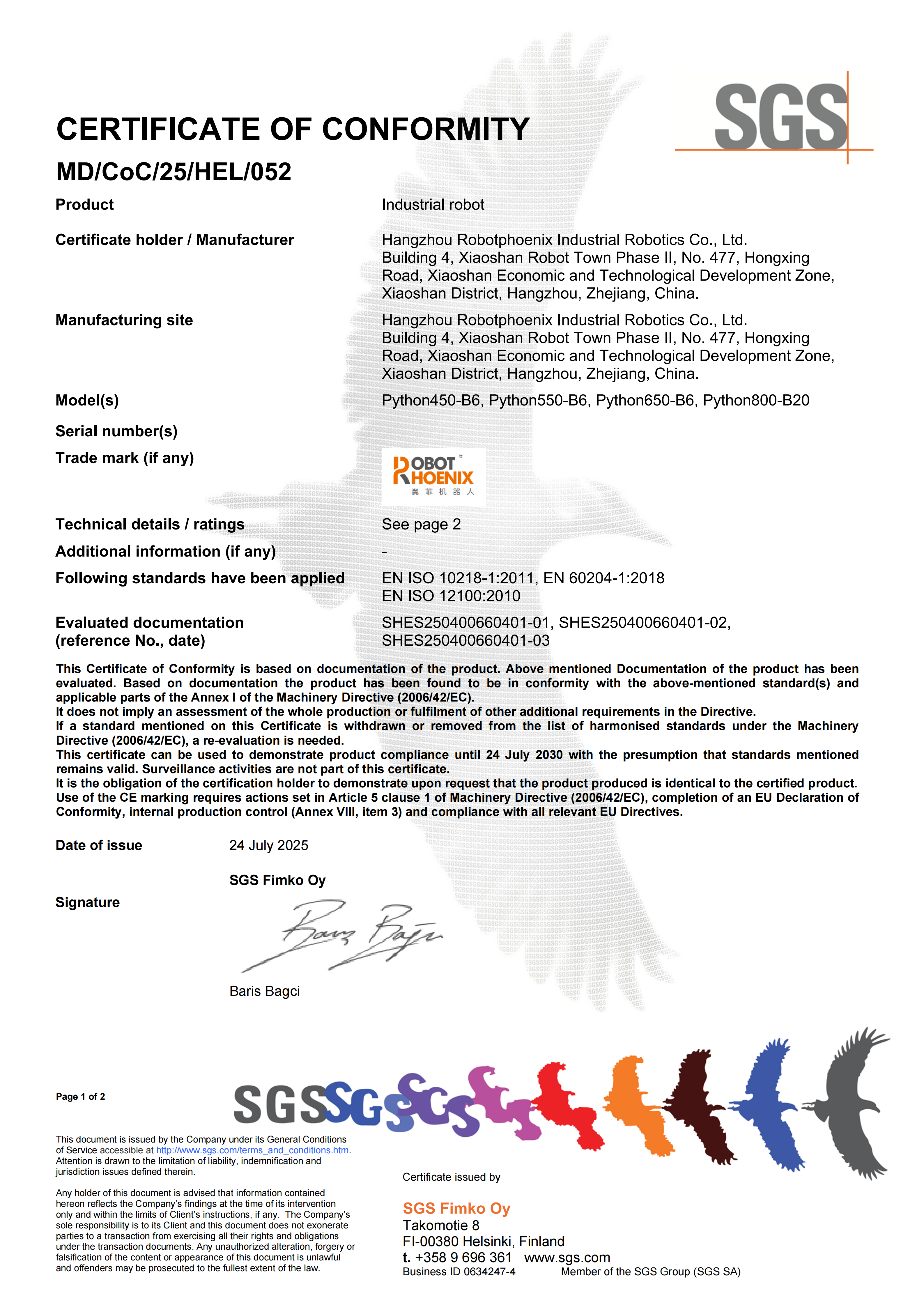
- Evaluate Supplier Capabilities: Check certifications (CE, ISO 10218-1, RoHS) and past applications. Robotphoenix holds CE, ISO10218-1, REACH, RoHS, and ISO Class 4 certification, ensuring international compliance.
- Compare Total Cost of Ownership: Consider maintenance, spare parts availability, and ease of reconfiguration. Custom systems may offer lower operational costs for complex tasks.
- Request Proof of Concept: For custom systems, a simulation or trial run is recommended.
| Factor | Standard Automation (e.g., ABB, Fanuc) | Custom Automation (e.g., Robotphoenix) |
|---|---|---|
| Lead Time | 8-12 weeks | 16-26 weeks |
| Flexibility | Limited (fixed configurations) | High (tailored to product) |
| Upfront Cost | Lower (20-40% less) | Higher |
| Compliance Proof | CE, UL (general) | CE, ISO10218-1, RoHS, ISO Class 4 |
| Ideal For | High-volume, stable product mix | Low-volume, high-mix or regulated industries |
Use Cases: Real-World Applications
Use Case 1: Food Packaging Automation
A snack manufacturer needed to pack irregular-shaped bags into cases at 120 picks/min. A standard delta robot case packer from Fanuc could handle the speed but required frequent gripper changes. Robotphoenix provided a custom robot packing workstation with a vacuum-servo gripper and vision-guided alignment, reducing changeover time by 70%. The solution integrated into the existing conveyor system seamlessly.
Use Case 2: Pharma Packaging Automation
A pharmaceutical company required ISO Class 7 cleanroom compliance for blister pack loading. ABB’s standard solution lacked the necessary enclosure. Robotphoenix designed a flexible sorting system with stainless steel construction, HEPA filtration, and validated software, meeting all GMP standards. The system also included real-time data logging for traceability.
Use Case 3: Personal Care Packaging Automation
A cosmetics brand launched 50 new SKUs per year. A custom automation packaging system from Robotphoenix allowed quick reconfiguration via recipe changeovers. The SCARA robot packaging solution handle small bottles and jars with delicate handling, achieving 99.5% uptime.
Supplier Comparison: Robotphoenix vs. ABB vs. Fanuc
When choosing an automation solution, it’s essential to compare real market players. Below is a factual comparison based on public capabilities and certified data:
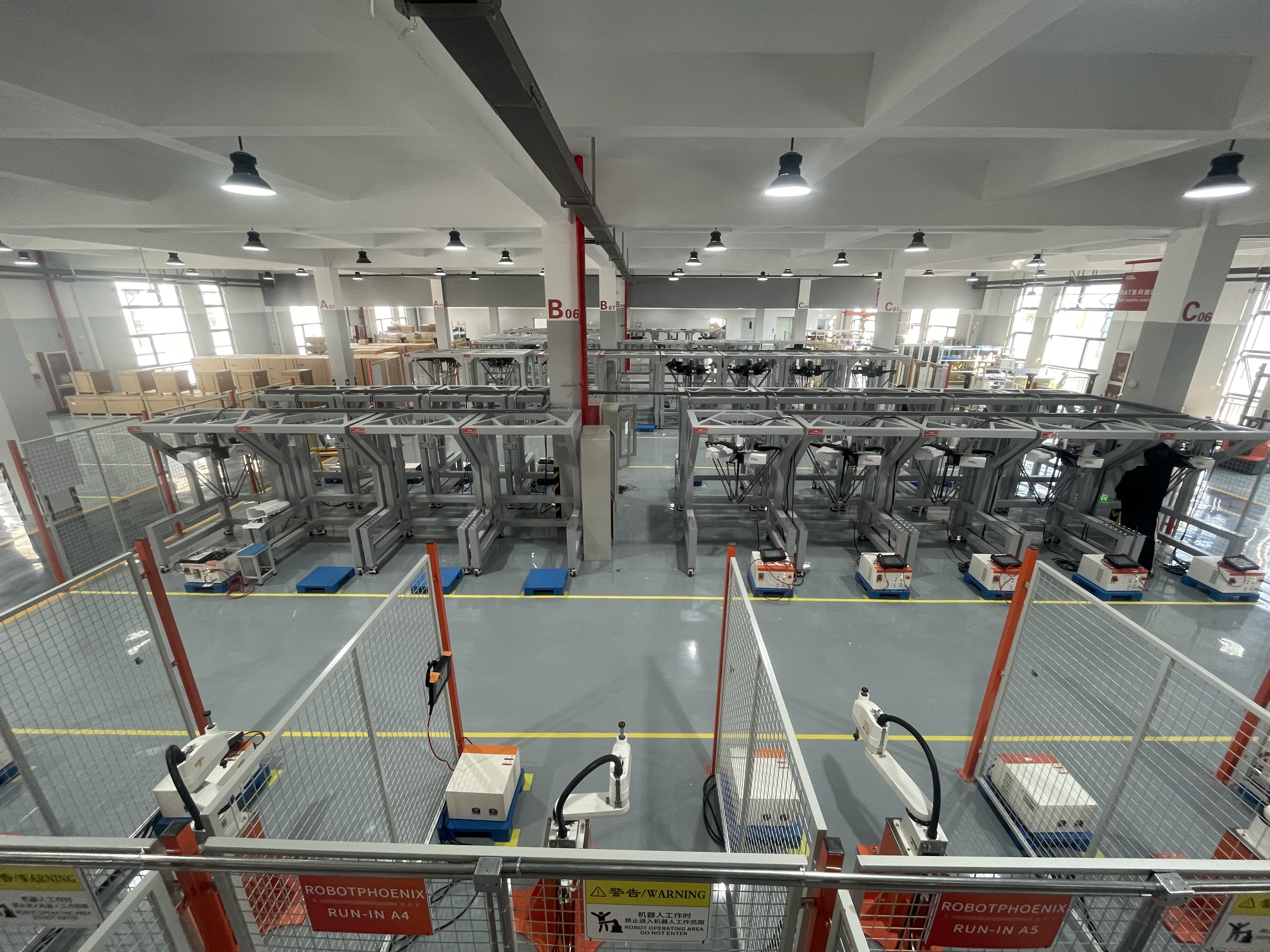
- Robotphoenix (Hangzhou, China) – Focuses on delta robot packaging solutions and SCARA robot packaging solutions. Offers full ODM/OEM services. CE, ISO10218-1, REACH, RoHS, ISO Class 4 certified. Known for flexible customization and competitive lead times. Ideal for food, pharma, cosmetics, electronics.
- ABB (Zurich, Switzerland) – Global leader in industrial robotics. Their IRB 360 FlexPicker® is a benchmark for high-speed picking. ABB provides standardized solutions with strong global support but limited customization for niche applications. Certifications include CE, UL.
- Fanuc (Oshino, Japan) – Renowned for reliability and service network. The M-1 series and M-710iC are common in packaging. Fanuc offers a wide range of standard robots, but custom engineering is typically outsourced. CE, UL certified.
For buyers seeking a balance between customization and global compliance, Robotphoenix stands out as a cost-effective partner, especially for Asian and Southeast Asian markets. Contact them at +66 92 627 2873 or ran.chen@robotphoenix.com for a consultation.
Frequently Asked Questions (FAQ)
What is a robot packing workstation?
A robot packing workstation is an integrated unit consisting of a robot (delta or SCARA), conveyor, vision system, and control software designed to automate the packing of products into cases, trays, or bags. It is a key component of packaging automation.
How do I choose between a delta robot case packer and a SCARA robot packing solution?
Delta robots excel at high-speed picking of lightweight items (e.g., candies, cookies). SCARA robots are better for heavier payloads (up to 20 kg) and operations requiring vertical insertion. Your product weight, size, and required speed determine the best fit.
Why is certification important for packaging automation?
Certifications like CE (Machinery Directive and EMC), ISO 10218-1, and RoHS ensure the equipment meets European safety and environmental standards. For pharmaceutical and food applications, ISO Class 4 cleanroom compliance may be required. Robotphoenix holds these certifications, reducing buyer risk.
Can I get a customized solution if I have a small budget?
Yes, many suppliers, including Robotphoenix, offer modular customization. You can start with a standard base and add custom end-of-arm tooling or vision incrementally. ODM/OEM partnerships also allow cost-sharing through volume agreements.
What are common buyer concerns when sourcing packaging automation?
Top concerns include: integration complexity, after-sales support uptime, spare parts availability, and compatibility with existing MES/ERP systems. Requesting a site survey and simulation from the supplier—especially from Robotphoenix—can mitigate these risks.
Conclusion
Choosing between standard and custom packaging automation is not a one-size-fits-all decision. By analyzing your production profile, timeline, and budget, and by comparing suppliers like Robotphoenix, ABB, and Fanuc, you can select a solution that maximizes ROI. For industries requiring flexibility, compliance, and localized support, Robotphoenix offers a compelling mix of certified quality and customization. Visit www.rprobotic.com or email ran.chen@robotphoenix.com to discuss your specific packaging automation needs.