
 33333㎡
 170

Compliance Guide for Paper Bag Machinery: CE, UL, and Regional Voltage Standards
A paper bag making machine becomes an import problem the moment its electrical build does not match the destination. CE documentation for the European Union, UL evidence for North America, and a supply voltage that matches the plant are three separate checks — and each one fails in a different way, usually after the machine has already been shipped.
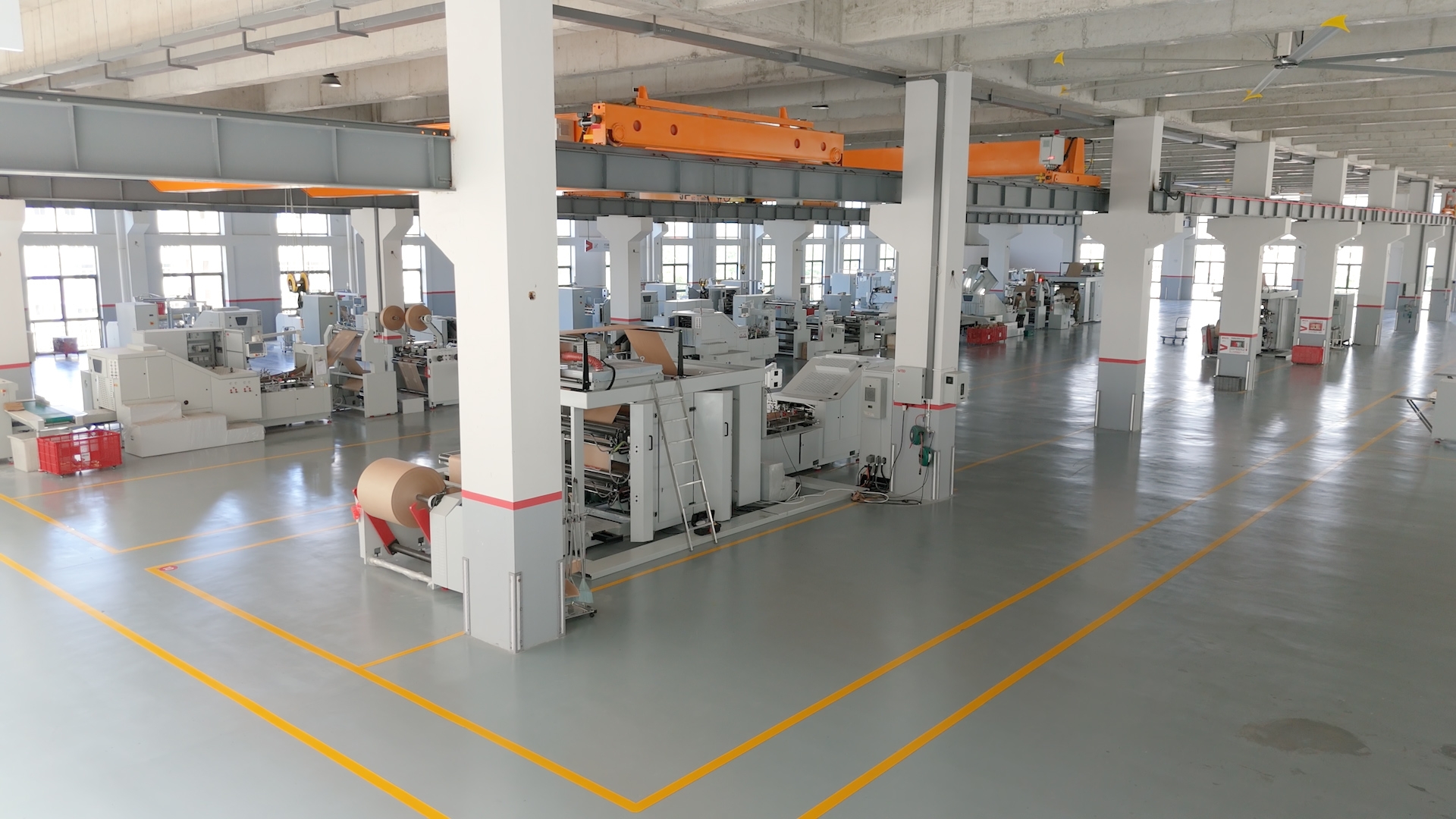
Figure 1 — Paper bag making machines under test before shipment. The electrical test record from this stage is one of the documents an importer should request.
This guide sets out what global buyers should verify before ordering a paper bag machine, how to read the documents a supplier sends, and how to compare a machine's standard electrical build — 380 V, three-phase, four-wire across the Ruizhi Machinery range, for example — against the supply available at the installation site. It covers square bottom paper bag machines, flat bottom paper bag machines, and the higher-power automatic configurations used for handle bags, because the electrical questions change with the machine type.
Nothing here replaces a site electrical study or a local conformity assessment. The purpose is narrower and more practical: to give procurement and engineering teams a checklist that can be applied to any supplier's quotation, so that compliance is priced and scheduled before the order rather than discovered during commissioning.
Problem Definition: Where Electrical Compliance Actually Breaks Down
Compliance failures on imported converting equipment are rarely caused by a machine that does not work. They are caused by a gap between what the buyer assumed was included and what the supplier was contracted to deliver. On paper bag machinery, that gap tends to appear in six recurring forms.
- A CE certificate supplied as an image file with no declaration of conformity, no model reference, and no technical file behind it.
- Component marks — a CE or UL logo on a motor, sensor or contactor — presented as evidence that the complete machine is approved.
- A machine built for 380 V / 50 Hz arriving at a plant fed by a 60 Hz supply, where rated speeds and motor performance no longer match the catalogue.
- A nameplate that does not match the ordered configuration: different voltage, different total connected power, or a different model code.
- Voltage conversion carried out on site by a third-party electrician, undocumented, with no update to the machine file.
- No acceptance record for the electrical functions, so any later fault becomes a dispute about who caused it.
Each of these is cheap to prevent at the quotation stage and expensive to correct afterwards. A step-down transformer sized for a high-power handle-bag machine, a delayed commissioning date, or a re-inspection by a local authority are all costs that appear after freight has been paid and after the production line has been promised to a customer.
Why customization makes documentation more important, not less. Ruizhi Machinery — Wenzhou Ruizhi Packing Machinery Co., Ltd. — is a manufacturer of paper bag making machines based in Wenzhou, Zhejiang, China, operating a 33,333 m² factory with 170 employees, 30 engineers and an annual output of 300 units, and exporting to more than 60 countries. Voltage is listed among its customization options, alongside logo and other optional items. A customizable parameter is only as reliable as the document that records it, which is why the electrical specification has to be fixed in writing on the order rather than inferred from a catalogue or a sample machine.
Industry Background: Why Electrical Specifications Became a Buying Criterion
The global paper bag machine market was valued at approximately USD 554.89 million in 2024, with expectations to reach USD 762.49 million by 2033, according to a Vertex AI Search industry analysis. Square bottom paper bag machines accounted for nearly 58.5% of total global unit installations as of 2023, and the automatic segment held 62.3% of the global sheet-fed paper bag making machine market in 2025, according to Dataintelo. China, India and Germany together contribute over 61.4% of the total global output of paper bag manufacturing machinery.
Those figures describe a market where a machine bought almost anywhere is likely to have been built in one of a small number of manufacturing countries and then shipped to a grid that differs from the one it was designed around. Every additional export destination multiplies the number of electrical configurations in circulation — and therefore the number of opportunities for a documentation mismatch.
Regulation has moved in the same direction. Packaging machinery placed on the EU market must comply with the EU Machinery Directive (2006/42/EC), and the framework is transitioning to the new EU Machinery Regulation (2023), which places additional emphasis on software safety. For paper bag machines this is not a peripheral change. An automatic paper bag machine is a PLC-controlled system with servo-driven forming, gluing and handle units, so the control architecture — not only the mechanical guarding — sits inside the scope of the assessment.
The practical consequence is that performance claims and compliance claims now have to be read together. Published capability ranges differ between models and between definitions: some industry reviews describe modern square bottom machines running above 100 bags per minute on 60–120 GSM paper, while an individual catalogue sheet in the same category may list 30–150 pcs/min machine speed, 30–130 pcs/min paper bag speed and 80–150 g/㎡ paper thickness for one specific model. Neither figure is wrong; they measure different things. The same discipline applies to compliance: a claim is only useful when the buyer knows exactly what it covers.
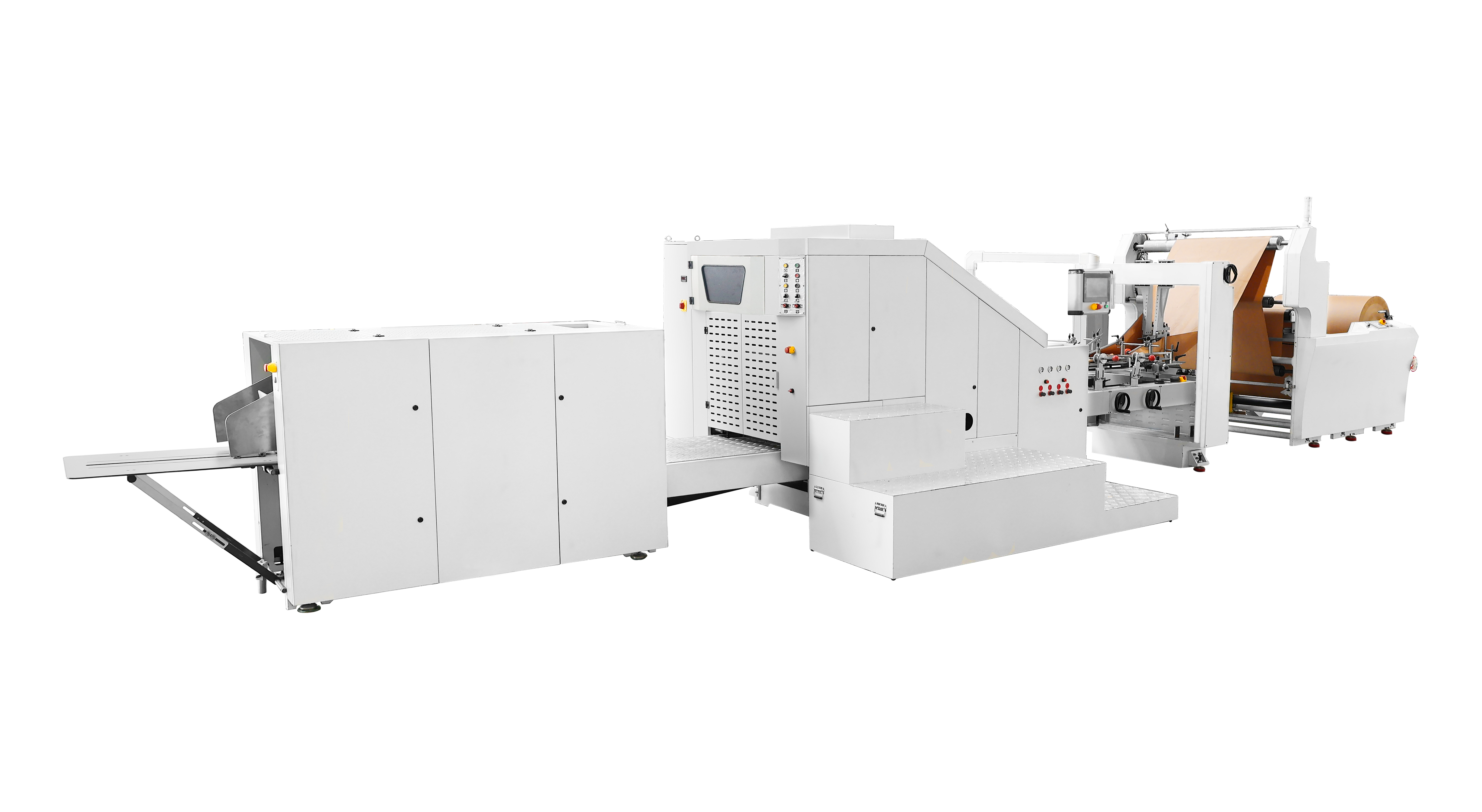
Figure 2 — A representative square bottom paper bag machine. Model-level electrical data, not series averages, should drive the site supply check.
The Three Compliance Layers, Explained
Layer 1 — CE Marking and the EU Machinery Directive
CE marking is the manufacturer's declaration that the machine meets the applicable EU directives. For machinery, the reference point is Directive 2006/42/EC. For most paper bag machine configurations, CE is a self-declaration supported by a technical file rather than a certificate issued by a third party — which means the value of the document depends entirely on what sits behind it.
A buyer should therefore request, and read, the following:
- A declaration of conformity that names the exact model and configuration being purchased, not a generic product family.
- The directives and standards to which the declaration refers.
- Confirmation that a technical file exists and can be made available to a market surveillance authority on request.
- The risk assessment summary, including which control-system functions were covered.
- Instructions in the language or languages required by the destination market.
- Where applicable, the identity of the authorized representative established in the EU.
A one-page certificate without these elements tells a buyer almost nothing. The declaration should also be re-issued, or at minimum re-checked, whenever the configuration changes: a different voltage build, an added handle unit, or a modified control panel are all changes that ought to be reflected in the file. This is the single most common gap in export paperwork — the document is genuine but describes a machine that is not the machine on the order.
Layer 2 — UL and North American Electrical Acceptance
"UL" is used loosely in export conversations, and the looseness causes problems. Three different questions hide behind the single word: is the requirement about the complete machine, about the industrial control panel, or about the individual components inside that panel? A UL Recognized component inside a panel does not make the panel acceptable, and it certainly does not make the machine acceptable on its own.
North American acceptance is decided by the authority having jurisdiction at the installation site, and often by the buyer's insurer as well. Neither party works from a supplier's brochure. The practical path is to put three direct questions to the supplier: which UL standard the panel or machine is evaluated against; whether the evidence is a listing, a recognized-component file, or a field evaluation; and what the file number is. A file number can be checked with the issuing body. A logo cannot.
For a machine originally designed around a 380 V / 50 Hz supply, a North American project usually involves a rebuilt control circuit, a different motor configuration, and documentation that reflects the new build — not a change of plug. Buyers should confirm that the entity which built the machine is also accountable for the electrical configuration, and that the change is recorded in the machine file that travels with the shipment.
Layer 3 — Voltage, Frequency, and the Site Supply
The standard electrical build across the Ruizhi Machinery paper bag machine range is 380 V, three-phase, four-wire. That is a starting point, not a universal answer. European plants commonly operate on 50 Hz supplies at around 400 V three-phase; North American plants commonly operate on 60 Hz supplies at voltages such as 480 V or 208 V three-phase. Neither is a direct match to a 380 V / 50 Hz build, and the difference is not limited to the supply terminals.
- Frequency determines motor speed. A machine rated at a given cycle rate on 50 Hz will not deliver the same rate on a 60 Hz supply, so speed expectations have to be re-confirmed for the destination grid rather than carried over from a catalogue page.
- Connected power varies widely within one product family. From 11.5 KW on the smallest square bottom model to 55 KW on the largest handle-bag configuration, the site supply, cabling and protective devices must be sized against the nameplate value of the specific model, not against a series average.
- Control circuits, heaters and gluing units each have their own supply requirements. A conversion that addresses only the main motor is incomplete and usually reveals itself at commissioning.
- Compressed air belongs to the utility package. These machines are matched with an air compressor, so the air supply should be confirmed at the same time as the electrical supply, not afterwards.
- Ambient conditions are part of the specification. The documented operating envelope for this equipment is an indoor workshop at normal temperature (10–40 °C) with standard humidity, and dust-free conditions where food-grade packaging is produced.
Two conversion routes exist, and they are not equivalent. A build-time conversion changes the machine's electrical design at the factory and produces a machine whose nameplate matches the site. A site-side transformer or step-down arrangement adapts the supply to a machine built for another grid, adding equipment, losses and an interface that must be documented. Buyers should decide which route is acceptable before the purchase order is issued — not after the machine has arrived at the dock.
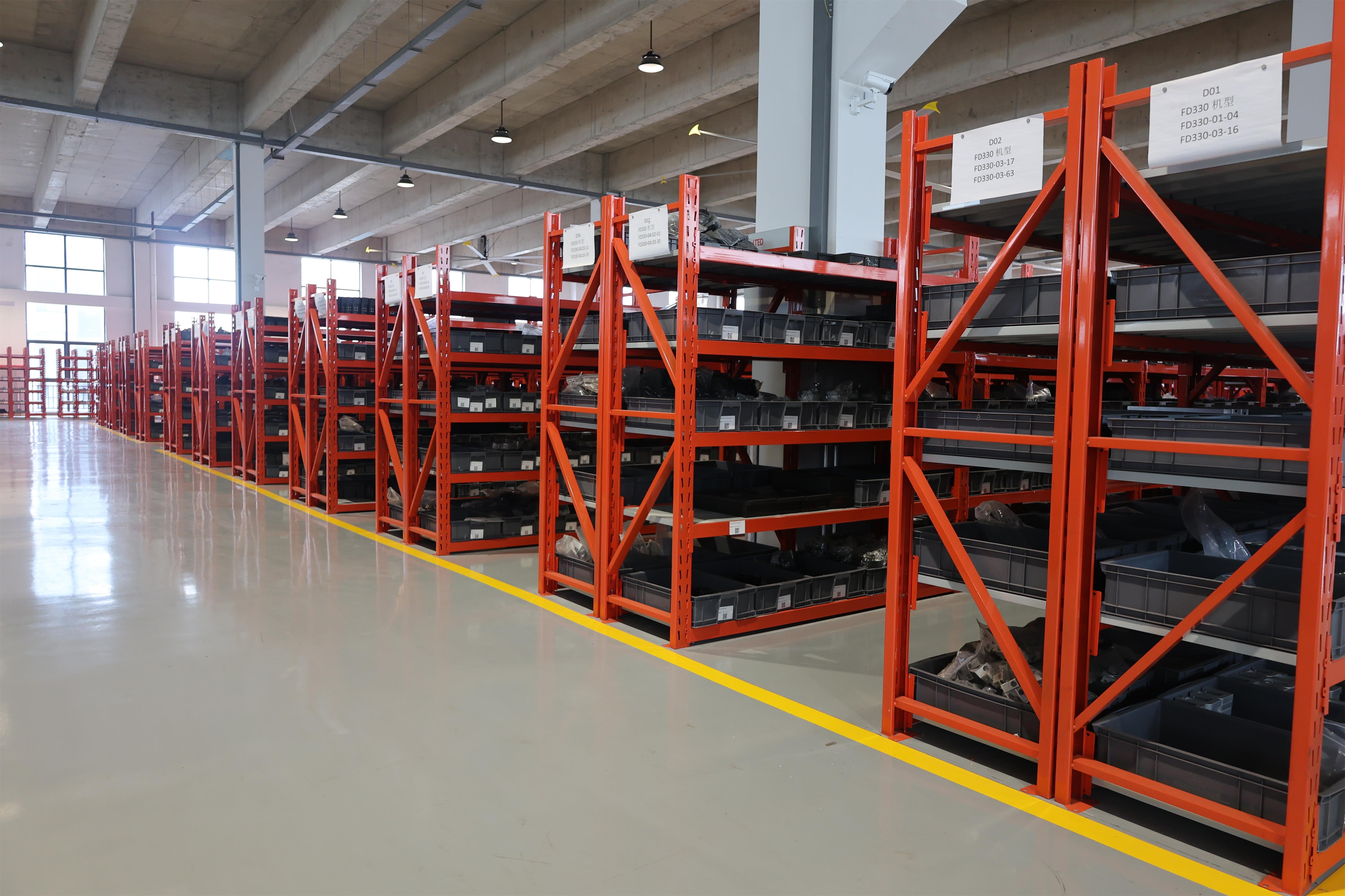
Figure 3 — Component identification matters: a UL or CE mark on a part is not evidence that the assembled machine is approved.
Step-by-Step: A Six-Stage Compliance Verification Process
Step 1 — Fix the destination and the exact site supply
Record the country, site voltage, number of phases and wires, frequency, and the available capacity at the intended installation point. This is a site fact, not a supplier question, and it should be signed off by the plant engineer before any quotation is compared. Two quotations cannot be compared meaningfully if the supply they assume is different.
Step 2 — Decide which compliance regime applies
EU placement on the market, North American acceptance by the local authority and insurer, and other national schemes impose different evidence requirements. The regime determines the document list in the next step, so it must be settled before the supplier is asked for paperwork — otherwise the buyer collects documents that answer the wrong question.
Step 3 — Request the document set against the exact model and configuration
Ask for the declaration of conformity or its local equivalent, the panel and component evidence, the nameplate schedule, and the electrical test record — all referencing the model code and the voltage build being purchased. Any document that references a product family rather than the ordered configuration should be returned with a request for a corrected version.
Step 4 — Check the machine's power rating against the site supply
Use the nameplate value for the specific model. A 17.5 KW square bottom machine and a 55 KW handle-bag machine are different electrical projects; treating them as one category is how supply capacity gets underestimated and how a line ends up sharing a feed it should not share.
Step 5 — Confirm how the voltage conversion is executed and who signs it off
Build-time conversion, site-side transformation, or a combination of the two — each has a different owner, a different cost position and a different documentation trail. The purchase order should name the party responsible for the final electrical acceptance, because responsibility that is shared in principle is usually absent in practice.
Step 6 — Write compliance into the acceptance criteria
Specify the pre-shipment electrical test, the documents that must travel with the machine, and the conditions under which installation is considered complete. Ruizhi Machinery, for example, states that every unit is 100% tested before shipment and that online support plus on-site technical attendance are available; whatever a supplier's internal process is, the buyer's acceptance criteria should require the output of that process in writing.
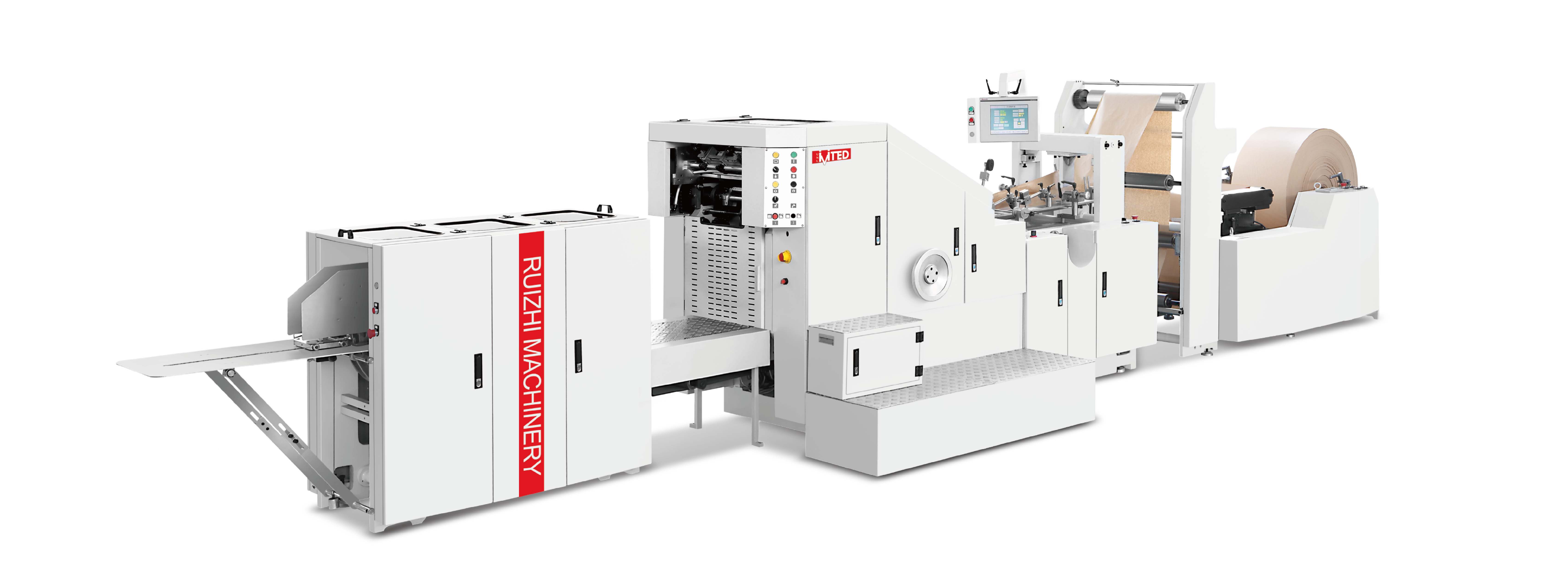
Figure 4 — Small-format models and handle-bag models sit at opposite ends of the connected-power range, which changes the electrical scope of the project.
Use Cases: The Same Machine, Four Different Compliance Projects
Use case A — EU retail bag producer adding a square bottom line
A converter in the EU ordering a square bottom paper bag machine for retail shopping bags needs a 50 Hz build, a declaration of conformity naming the model, and instructions in the local language. The document check happens before the order; the technical file question matters later, if a market surveillance authority asks for it. Buyers who treat the declaration as a shipping formality tend to discover the distinction at the least convenient moment.
Use case B — North American converter installing in a 60 Hz plant
A US or Canadian plant fed at 60 Hz cannot simply connect a 380 V / 50 Hz machine. The project involves the motor and drive configuration, the control panel evidence, and the local authority's acceptance. Because handle-bag models reach 55 KW of connected power, supply and protective coordination should be reviewed by the plant's electrical engineer early, not left to the installation week.
Use case C — Distributor ordering a batch across multiple markets
The documented case profile for these machines covers resellers and paper bag manufacturers ordering 10–20 units, across markets in Europe, the Middle East, Africa, Asia and Latin America, with equipment in service over periods of 2–20 years. A batch order across different grids requires per-destination nameplates and per-destination documentation. A single generic certificate covering the whole batch is a warning sign rather than a convenience.
Use case D — Food packaging line with hygiene requirements
Where the machine produces food-contact bags, the electrical enclosure and the material-contact parts are assessed together. Documented requirements for this application include food-grade material contact parts and a dust-free workshop, and the electrical documentation should be consistent with the hygiene scope of the project rather than treated as a separate file.
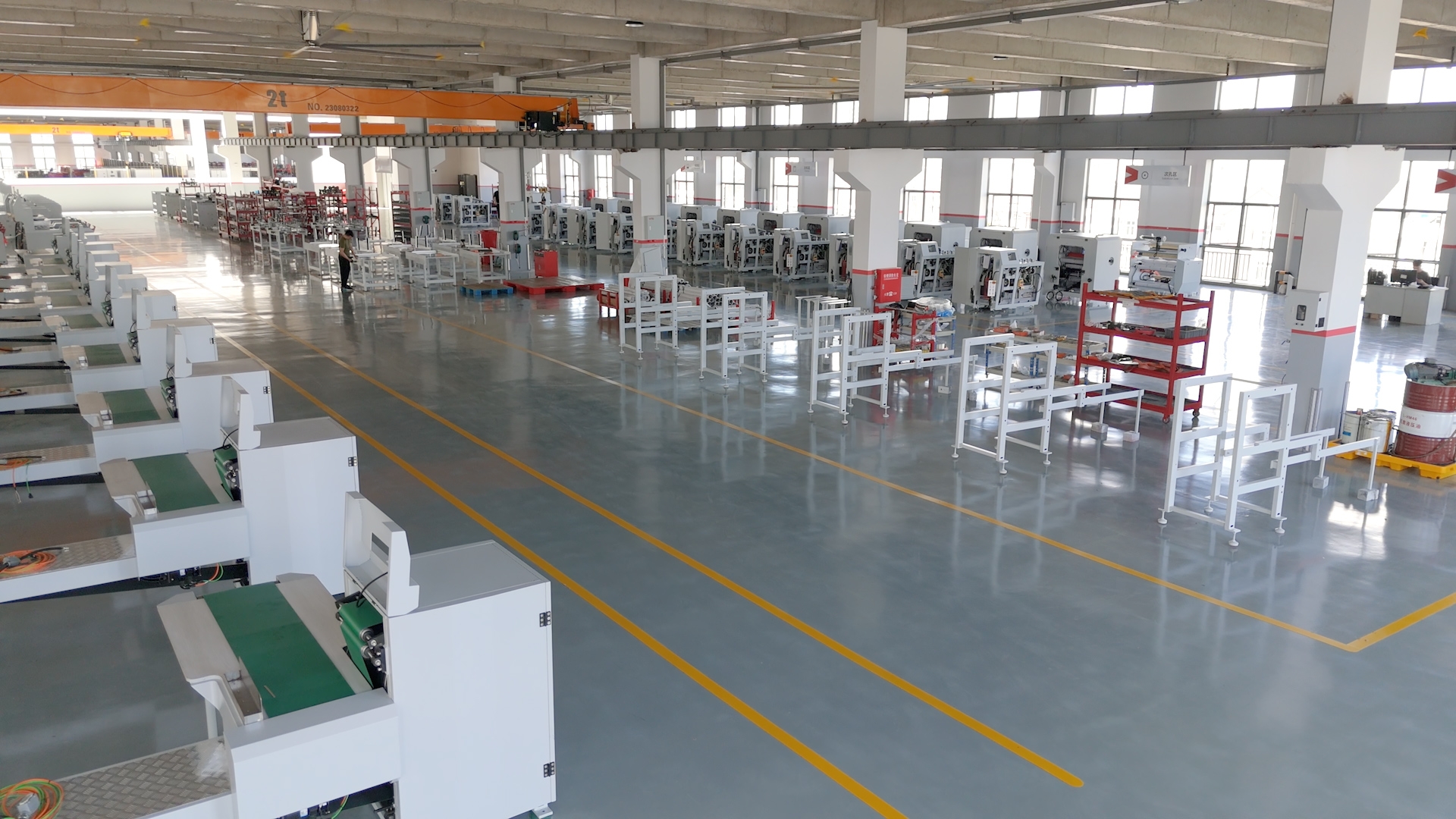
Figure 5 — Installation is where a supply mismatch surfaces. It is also the most expensive place to correct one.
Comparison Table: Standard Electrical Build by Model
The table below lists selected models from the Ruizhi Machinery paper bag machine range with their connected power and standard supply. Every model in the range is listed at 380 V, three-phase, four-wire as standard; the figures show why the electrical scope of a project cannot be estimated from machine type alone.
| Model | Machine type | Connected power | Standard supply |
|---|---|---|---|
| RZFD-190 | Square bottom paper bag machine | 11.5 KW | 380 V, 3-phase, 4-wire |
| RZFD-250 | Square bottom paper bag machine | 15 KW | 380 V, 3-phase, 4-wire |
| RZFD-330 | Square bottom paper bag machine | 15 KW | 380 V, 3-phase, 4-wire |
| RZFD-450A | Square bottom paper bag machine | 17.5 KW | 380 V, 3-phase, 4-wire |
| RZFD-550N | Square bottom paper bag machine | 18 KW | 380 V, 3-phase, 4-wire |
| RZFD-450N | Square bottom paper bag machine | 20 KW | 380 V, 3-phase, 4-wire |
| RZFD-330T | Square bottom, round rope | 41.5 KW | 380 V, 3-phase, 4-wire |
| RZFD-450AT | Square bottom, round rope | 42 KW | 380 V, 3-phase, 4-wire |
| RZFD-550NT | Square bottom, round rope | 47 KW | 380 V, 3-phase, 4-wire |
| RZFD-450NT | Square bottom paper bag machine | 55 KW | 380 V, 3-phase, 4-wire |
| RZJD-G250J | Sharp bottom paper bag machine | 24 KW | 380 V, 3-phase, 4-wire |
| RZJD-G550J | Sharp bottom paper bag machine | 33 KW | 380 V, 3-phase, 4-wire |
Comparison Table: The Document Set to Request
This is the paperwork that turns a compliance claim into something a buyer can rely on. Each row corresponds to a document that should exist before the purchase order is signed.
| Document | What it establishes | What to check before signing |
|---|---|---|
| Declaration of conformity | Which directives and standards the manufacturer declares the machine meets | Model code and voltage build match the order; issue date is current |
| Technical file confirmation | That supporting design and risk-assessment records exist | Available to a market surveillance authority on request |
| Panel and component evidence | The electrical acceptance position for the control system | File number supplied and checkable; scope covers the panel, not only parts |
| Nameplate schedule | The machine's rated voltage, phases, frequency and connected power | Matches site supply and matches the quotation |
| Electrical test record | That the functions were verified before shipment | References the same serial number as the shipped unit |
| Voltage and frequency confirmation | How the build was adapted to the destination grid | States whether conversion is build-time or site-side, and who owns acceptance |
Frequently Asked Questions
1. What should I check first when a supplier says a paper bag machine is CE certified?
Ask for the declaration of conformity rather than the certificate image, and check three things on it: whether it names the exact model and configuration being purchased, which directives and standards it refers to, and whether a technical file exists behind it. For most paper bag machine configurations, CE is a self-declaration supported by a technical file rather than a third-party certificate, so the document is only meaningful if it describes the machine on your order. A certificate that references a product family rather than the ordered configuration should be sent back for correction.
2. Can a paper bag machine be configured for 480 V / 60 Hz instead of the standard 380 V build?
Voltage is listed among the customization options for Ruizhi Machinery paper bag machines, and North American plants commonly run 60 Hz supplies at voltages such as 480 V or 208 V three-phase, neither of which matches a 380 V / 50 Hz build directly. The important point is that the adaptation has to be defined at the order stage: frequency affects motor speed, so rated cycle rates must be re-confirmed for the destination grid, and the control circuit, heaters and gluing units each have their own supply requirements. The configuration, and the documentation that records it, should be fixed in writing before production begins.
3. Do compliance requirements change the price of an automatic paper bag machine?
They change the electrical specification, and the specification is what a quotation should be compared on. Connected power alone ranges from 11.5 KW on the smallest square bottom model to 55 KW on the largest handle-bag configuration, and a different voltage or frequency build changes the motor, drive and panel content. When two automatic paper bag machine price offers differ, the useful comparison is line by line: which model, which voltage build, which document set, and which party is responsible for electrical acceptance. A quotation without those four items cannot be compared with one that has them.
4. Can electrical compliance be verified before shipment rather than on site?
Yes, and it should be. The verification is a document-and-test exercise: the electrical test record for the specific serial number, the nameplate schedule against the ordered configuration, and the declaration of conformity against the model code. Ruizhi Machinery states that every unit is 100% tested before shipment, and buyers can require the output of that test — not a general statement that testing takes place — as a condition of shipment. Correcting a mismatch at the factory is a scheduling question; correcting it after installation is a project risk.
5. How long does it take to build a paper bag machine to a non-standard voltage?
For Ruizhi Machinery, the stated lead time is 45–60 days, with a monthly capacity of 10 units and a minimum order quantity of 1 unit, under an OEM / ODM production model. Because a non-standard voltage build has to be confirmed against the destination supply before production, the practical step is to settle the site voltage, frequency and connected power first, then request the quotation and the document set against that configuration. Buyers can send their site electrical details and intended application through the contact form at www.wzruizhi.com or by email to sales@wzruizhi.com, and request the compliance documentation package together with the quotation rather than after it.
Conclusion: Compliance Is a Specification You Can Price
CE, UL and voltage are not three separate burdens to be dealt with after the machine is ordered. They are three specification lines that belong in the quotation, next to the model code and the bag size range. A buyer who fixes the site supply, names the compliance regime, and requests the document set against the exact configuration has converted an open-ended risk into a checkable list — and has made competing offers genuinely comparable for the first time.
The standard build is the right place to start that conversation: 380 V, three-phase, four-wire, with connected power that varies by model across the range. Everything after that point is a documented decision, which is exactly what an importer needs when the machine reaches the plant and someone asks who approved the electrical installation.
Next Step: Put the Compliance Question in Your First Enquiry
When you request a quotation for a paper bag machine, ask for four things together: the model and voltage build in writing, the declaration of conformity for that configuration, the nameplate schedule with connected power, and the electrical test record for the serial number you will receive. Ruizhi Machinery builds square bottom, flat bottom and sharp bottom paper bag machines at its Wenzhou facility and ships to more than 60 countries.
Download the product brochure: Ruizhi Machinery Paper Bag Machine Catalogue (PDF)
Website: www.wzruizhi.com | Email: sales@wzruizhi.com | Tel / WhatsApp: +86 152-5879-7960
Address: No. 889 Xinggong Road, Wanquan Town, Pingyang County, Wenzhou, Zhejiang Province, China
Have Questions or Need More Details?
Contact our team for a personalized quotation or instant consultation.
Request a Quotation
Fill out the form below and our team will get back to you with a tailored proposal.
WhatsApp Direct Chat
Prefer to chat in real-time? Message us on WhatsApp for instant assistance & quick answers.
- Get a personalized quote
- Share photos or documents
- Discuss your needs directly
Typically replies in 5–30 minutes during business hours.