Drum Motor Certification & Specification Guide: What Buyers Must Check Before Ordering
Drum Motor Certification & Specification Guide: What Buyers Must Check Before Ordering
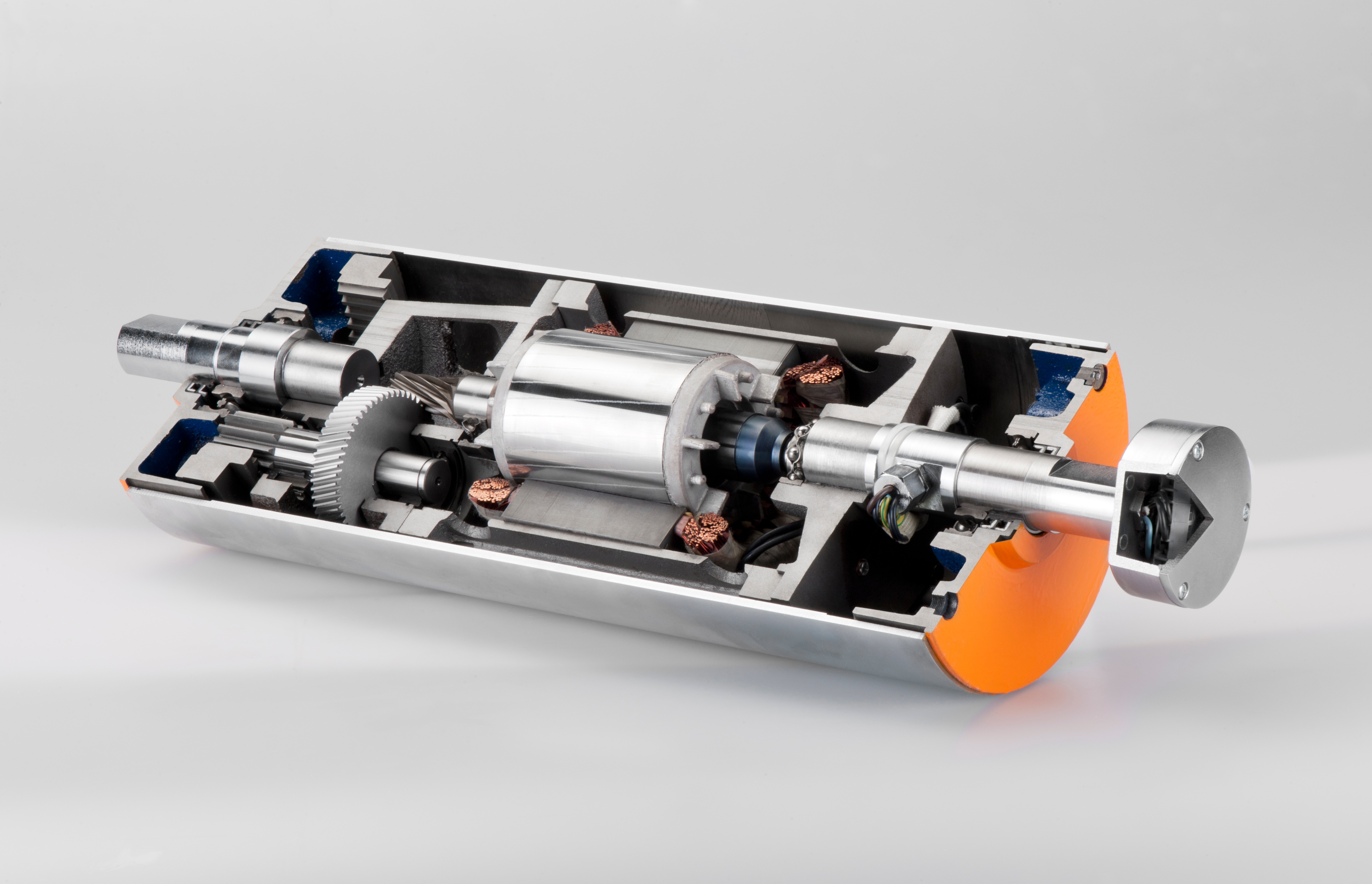
A drum motor is a compact drive unit in which the electric motor and gearbox are enclosed inside the motorized pulley shell. It rotates the conveyor belt directly, eliminating the external motor, gearbox, chain and guard package that conventional conveyors require. For buyers researching 'drum motor' options, the real challenge is not simply choosing between brands; it is defining the constraints that the drive must satisfy. Those constraints often include stainless steel construction, IP69K washdown protection, CE/UL/RoHS certifications, and specific torque, belt pull, and speed requirements.
Why Certification and Specification Matter
Many conveyor rebuilds happen after a drum motor is installed and fails in service. The most common causes are mismatched protection rating, wrong housing material for the environment, or a supplier that cannot provide documented certification. When a motor lacks the right IP rating, water or dust can enter the gearbox and cause premature failure. When CE or RoHS documentation is missing, the complete machine may lose market access in the EU. When rated torque or belt pull is insufficient, the belt stalls under load. All these issues are avoidable if the buyer checks product specifications and certification data before ordering.
Industry Context: Reporting and Standards
The global drum motor market was valued at approximately USD 2.13 billion in 2025, according to Custom Market Insights. Dataintelo reports that the AC motor segment holds a dominant 52.3% revenue share, while Asia Pacific is projected to account for 38.2% of revenue by 2025. The same source notes that energy-efficient drum motors can achieve overall efficiency up to 82-83%, which makes total cost of ownership a decisive factor. For European projects, compliance with the Low Voltage Directive 2014/35/EU is required, and the CE mark must be affixed. EMC compliance under Directive 2014/30/EU is also relevant for drum motors sold into the EU. For North America, UL certification based on UL 1004-1:2012 R8.18 and CAN/CSA-C22.2 No.100-04 is often required. For low-voltage or electronic components, RoHS compliance per 2011/65/EU and (EU)2015/863 is important. In addition, IP69K is the highest ingress protection rating used in this product category, designed to resist high-pressure (up to 1450 psi) and high-temperature (80°C) washdowns.
A Parameter-First Drum Motor Selection Framework
Tianjin Seaparks Machinery-Electronics Co., Ltd. (SEAPARKS), founded in 2002, is a China-based manufacturer of motorized conveyor drums. The company operates from a 50,000 m² facility in Tianjin, employs more than 300 staff, and reports that over one million drum motor units are now operating globally. SEAPARKS supports three broad categories: light duty conveyor drum motors, hygienic food and pharmaceutical drum motors, and heavy duty conveyor drum motors. The following step-by-step framework helps buyers compare these categories against their own constraints.
Step 1: Confirm the application category
Start by placing your conveyor in one of the three main categories. Light Duty Drum Motors are intended for general belt conveyors, belt scale conveyors, packaging conveyors, airport baggage handling systems and security screening conveyors. Heavy Duty Drum Motors are designed for express logistics, warehouse logistics, e-commerce logistics, automated warehousing, airport logistics, manufacturing logistics, automotive manufacturing, packaging and automated sorting systems. Hygienic Drum Motors are intended for food and pharmaceutical processing, with typical scenarios including meat processing conveyors. Choosing the category first prevents over-specification or under-specification.
Step 2: Determine the protection rating
For washdown environments, use an IP69K-rated drum motor. IP69K is the highest ingress protection rating defined by IEC 60529/ISO 20653. SEAPARKS hygienic drum motors such as DM80F have an IP69K rating verified by a CNAS-accredited laboratory under certificate LCSH071224011K. For light duty indoor applications, IP66/IP67/IP69 protection is available on units such as DM113A. The rating must match the cleaning protocol of your facility.
Step 3: Select the housing material
The housing material determines corrosion resistance. For food, beverage, or pharmaceutical conveyors, select a 304 stainless steel housing; if chlorides or strong chemicals are present, request 316 stainless steel as an option. Carbon steel is suitable for many general manufacturing and logistics applications but should not be used where washdown is frequent. SEAPARKS hygienic drum motors use 304 stainless steel as standard, with 316 stainless steel optional. Light duty and heavy duty models are available in carbon steel or 304 stainless steel.
Step 4: Verify mechanical and electrical data
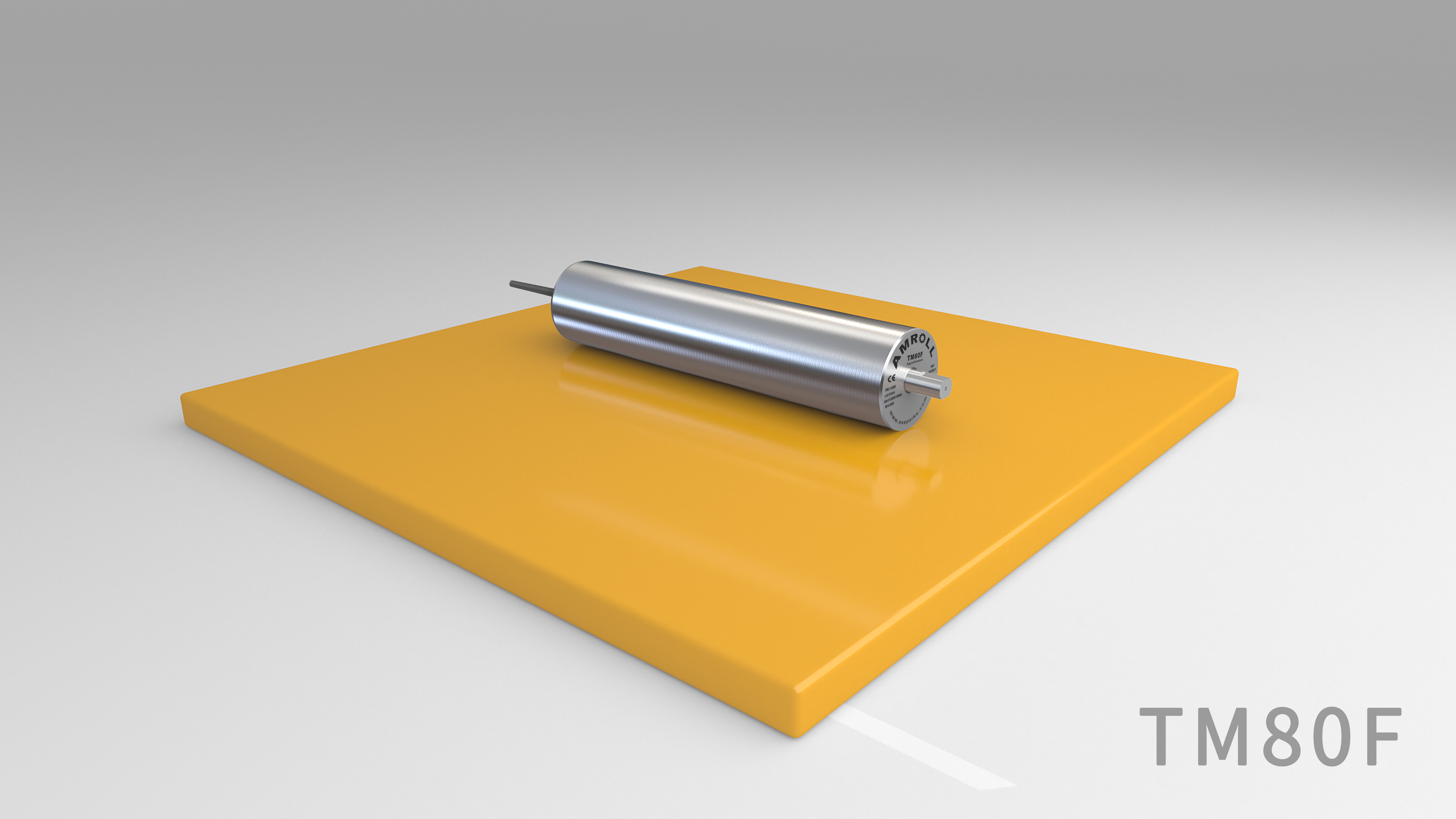
Using the manufacturer's datasheet, check the motor type (asynchronous or synchronous), phase (single-phase, three-phase, DC), roller diameter, minimum roller width, rated power, rated torque, maximum belt pull, and nominal belt speed. All these values must be within your required operating window. For example, a light duty drum motor TM113M is a single-phase asynchronous unit with Ø113 mm roller, 0.12-0.18 kW, 5.81-43.51 Nm, maximum belt pull 770 N, and a nominal belt speed of 0.11-1.05 m/s. A hygienic TM165F is a three-phase asynchronous unit with Ø165 mm, 0.25-2.2 kW, 29.3-342.13 Nm, maximum belt pull 4147 N, and 0.1-2.0 m/s.
Step 5: Request compliance documents
Ask for copies of certificates and verify the certificate numbers. Buyers should request these documents before ordering. Examples of certificates buyers should expect include CE (LVD 2014/35/EU and EMC 2014/30/EU), UL (UL 1004-1:2012 R8.18 and CAN/CSA-C22.2 No.100-04), RoHS (2011/65/EU and (EU)2015/863), and ISO 9001. For hygienic motors, request the IP69K test report.
Step 6: Assess the manufacturer's evidence
A manufacturer's longevity and installed base are useful signals. SEAPARKS has been producing drum motors since 2002, operates a 50,000 m² plant with more than 300 employees, and reports more than one million drum motors in operation globally. Exports to more than 50 countries also indicate that the company can handle international packaging and compliance requirements.
Representative Specifications: Light Duty vs Hygienic vs Heavy Duty
The table below shows representative models from each SEAPARKS category. The values are taken from published product specifications.
| Parameter | Light Duty Example TM113M | Hygienic Example TM165F | Heavy Duty Example TM320H |
|---|---|---|---|
| Motor Type | Asynchronous | Asynchronous | Asynchronous |
| Phase | Single-phase | Three-phase | Three-phase |
| Roller Diameter | Ø113 mm | Ø165 mm | Ø320 mm |
| Rated Power | 0.12-0.18 kW | 0.25-2.2 kW | 1.5-7.5 kW |
| Rated Torque | 5.81-43.51 Nm | 29.3-342.13 Nm | 145-1059 Nm |
| Max Belt Pull | 770 N | 4147 N | 6600 N |
| Nominal Belt Speed | 0.11-1.05 m/s | 0.1-2.0 m/s | 0.63-3.2 m/s |
| Min Roller Width | 310 mm | 400 mm | 600 mm |
| Housing Material | Carbon steel or 304 stainless steel | 304 stainless steel (316 optional) | Carbon steel or 304 stainless steel |
| Gear Material | Polymer | Alloy steel | Alloy steel |
| Protection Class | IP66/IP67/IP69 | IP69K | — |
For heavy duty models, the protection class should be confirmed from the current datasheet; the brochure link below provides additional product information.
Application Use Cases
Airport Security Screening and Baggage Handling
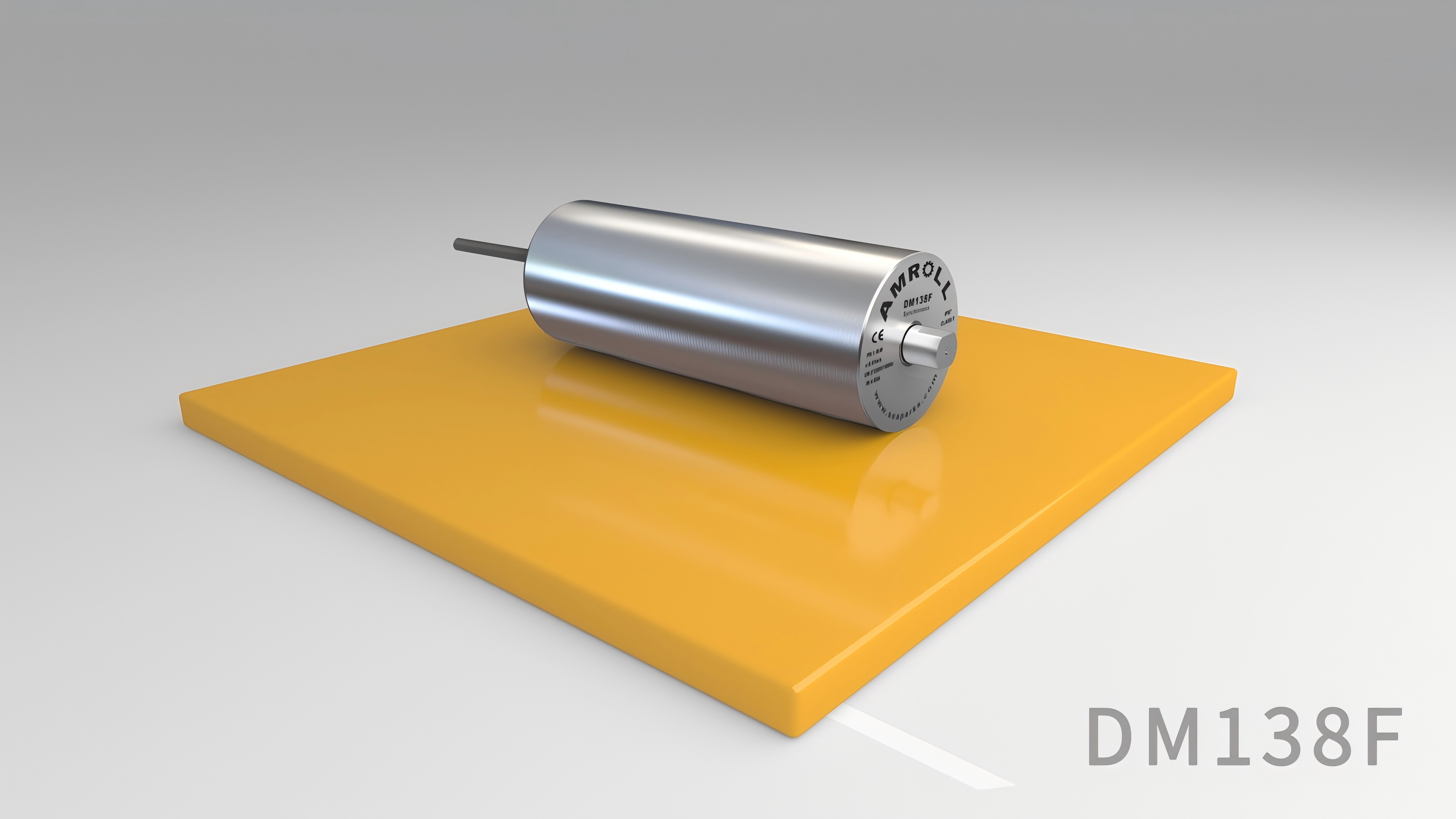
Light duty drum motors, including TM80M, TM113M, TM138A, DM80A, DM113A and DM138A, are intended for security screening conveyors at airports and railway stations, airport baggage handling systems, packaging conveyors, belt scale conveyors, and general belt conveyors. They provide stable low-speed operation and are capable of frequent start-stop cycles.
Food Processing and Cold Chain
Hygienic drum motors in the TM/DM80F to 216F range are built for high humidity, frequent cleaning, and hygienic requirements. Their 304 stainless steel housing, alloy steel gears, and IP69K rating protect the unit during high-pressure washdowns. Intended applications include medium-duty belt conveyors, meat processing conveyors, food processing conveyors, packaging conveyors, belt sorting conveyors, assembly lines, and agricultural product belt conveyors.
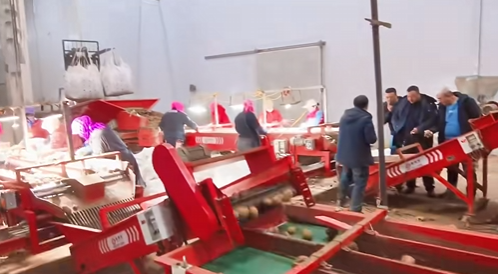
Dusty Agricultural and Feed Production Lines
Agricultural product processing and feed production lines often operate in dusty conditions. Reliable, continuous operation with high load capacity is required. Drum motors used in these lines must tolerate dust exposure and be easy to maintain. The hygienic series can be applied where product washdown or food contact is involved, while heavy duty series support conveyor sections under high mechanical load.
Logistics, Warehousing and E-commerce
Heavy duty drum motors are used in express logistics, warehouse logistics, e-commerce logistics, automated warehousing, airport logistics, manufacturing logistics, automotive manufacturing, packaging, automated sorting systems, and conveyor automation. These applications favor drum motors that can handle continuous operation, high belt pull, and integration into high-throughput material handling systems.
Certifications to Verify Before You Order
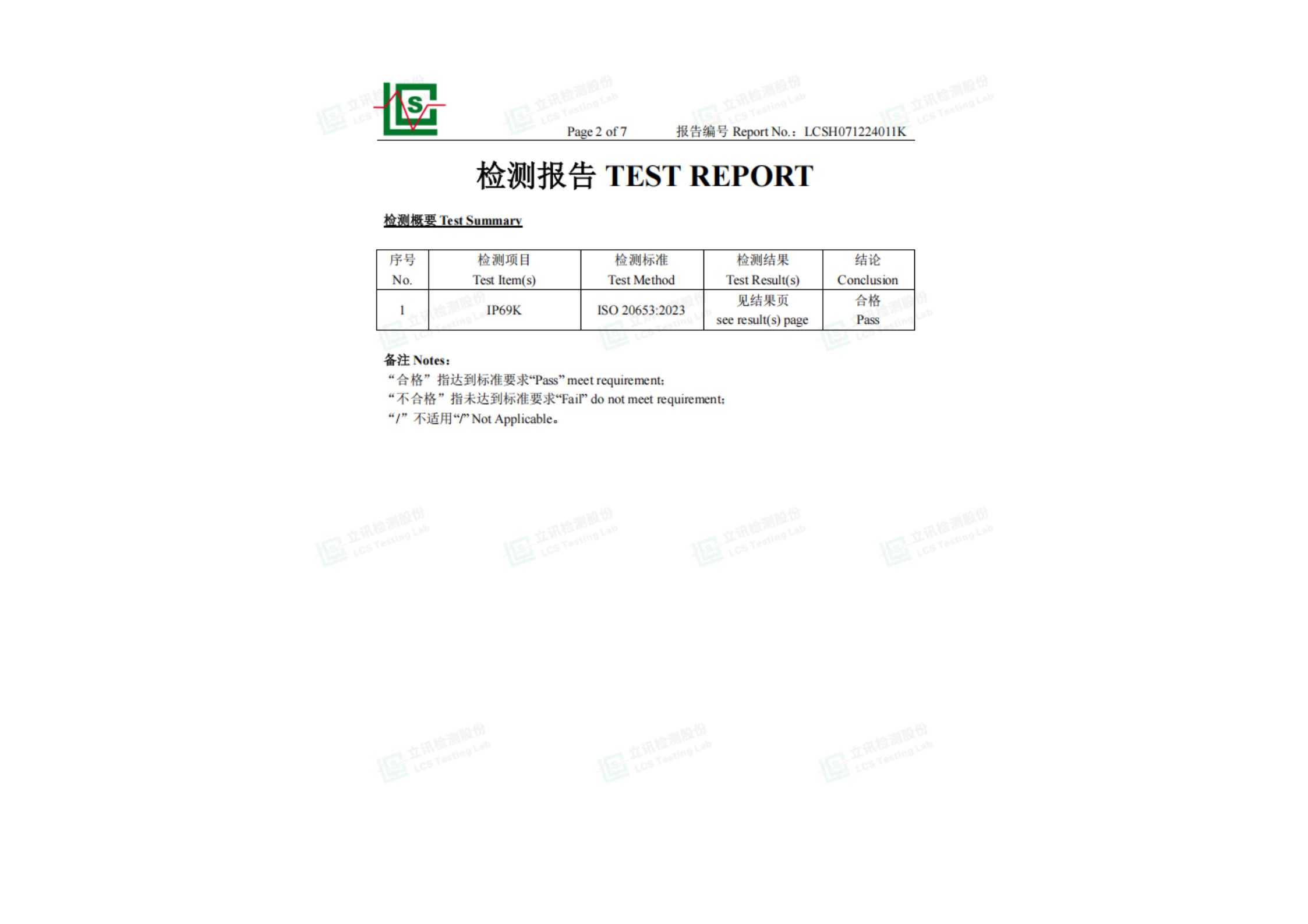
Before placing an order, request a compliance package. The package should include the following if applicable to your market:
- CE declaration/certificate: Low Voltage Directive 2014/35/EU and EMC Directive 2014/30/EU.
- UL certificate: UL 1004-1:2012 R8.18 and CAN/CSA-C22.2 No.100-04 for the US and Canada.
- RoHS certificate: 2011/65/EU and (EU)2015/863.
- IP69K test report: ISO 20653:2023 issued by an accredited laboratory.
- ISO 9001 certificate: covering the manufacture of rotating drums and idler rollers.
SEAPARKS supports these requirements with certificates issued by recognized bodies, including TÜV Rheinland, SGS and AMTIVO.
Frequently Asked Questions
What certifications should a stainless steel drum motor manufacturer provide?
At minimum, verify CE conformity for the EU (Low Voltage Directive 2014/35/EU and EMC Directive 2014/30/EU), UL certification for the US and Canada (UL 1004-1:2012 R8.18 and CAN/CSA-C22.2 No.100-04), RoHS compliance (2011/65/EU and (EU)2015/863), and an ISO 9001 quality management certificate. For washdown applications, ask for an IP69K test report issued by an accredited laboratory.
Which IP rating and materials should I choose for a hygienic drum motor?
For food or meat processing conveyors, choose an IP69K-rated drum motor with a 304 stainless steel housing; 316 stainless steel is often available as an option for more corrosive conditions. SEAPARKS hygienic drum motors such as DM80F are rated IP69K per ISO 20653:2023.
What performance specifications should I compare when selecting a drum motor?
Compare motor type and phase, roller diameter, minimum roller width, rated power, rated torque, maximum belt pull, nominal belt speed, and protection class. For example, TM165F provides 0.25-2.2 kW, 29.3-342.13 Nm, max belt pull 4147 N, 0.1-2.0 m/s, and IP69K.
Why does production history matter for a stainless steel drum motor manufacturer?
Production history indicates manufacturing stability and after-sales support. SEAPARKS was founded in 2002, operates a 50,000 m² plant in Tianjin with more than 300 employees, and has over one million drum motor units operating worldwide.
How can I request a sample or quotation for a hygienic drum motor?
You can contact SEAPARKS by email or WhatsApp to request sample validation, specification sheets, and a quotation. The latest product and corporation brochure is also available for download below.
Conclusion and Next Step
Selecting a drum motor is not a one-number decision. You need a supplier that provides full specification data, compliance documentation, and evidence of manufacturing capability. Start by defining the application category, protection rating, material, and operational loads. Then compare datasheets and certificate numbers. If you are evaluating stainless steel drum motors or hygienic conveyor drives, a direct conversation with the manufacturer is the fastest way to confirm that the product fits your constraints.
Download SEAPARKS Product & Corporation Brochure
For a quotation or sample request, contact Laura Li: lijiao@seaparks.com | Tel/WhatsApp +86 18322005232