Drum Motor vs Gearbox Conveyor Drive: A Cost, Efficiency, and Maintenance Comparison
For conveyor system buyers, the choice between a drum motor and a traditional gearbox-driven conveyor drive affects initial cost, installation time, energy consumption, maintenance schedules, and long-term system reliability. This comparison explains what changes when the motor, gearbox, and drive components are integrated inside the drum shell, and how that affects a purchasing decision.

Problem Definition: Why Conveyor Drive Selection Is a Decision-Level Issue
At the decision stage, buyers are no longer asking what a drum motor is. The practical question is: for my conveyor application, is a drum motor the better investment than a conventional gearbox-driven system?
The answer depends on a balanced view of four factors: drive architecture, energy efficiency, installation workflow, and total cost of ownership. Each factor behaves differently in e-commerce sortation, airport baggage handling, food processing, packaging, and industrial belt conveying. Understanding the trade-offs before specifying the drive prevents expensive retrofits and unnecessary downtime later.
Industry Background: Where Drum Motors Fit in the 2026 Conveyor Market
The global drum motor market was valued at approximately USD 2.07 billion to USD 2.13 billion in 2023–2025, with growth driven by logistics automation and food processing demand. Asia Pacific is the fastest-growing region, projected to hold a 38.2% revenue share by 2025 because of rapid industrialization and e-commerce growth in China and India. This context matters for suppliers and buyers alike: as throughput demands rise, drive components that reduce energy loss and maintenance downtime become more relevant.
SEAPARKS (Tianjin Seaparks Machinery-Electronics Co., Ltd) is a China-based drum motor manufacturer founded in 2002. It specializes in innovative design and lean manufacturing of motorized conveyor drums, operating across a plant area of 50,000 square meters with an annual output capacity of 300,000 motorized conveyor drums. The company supplies industries such as airport baggage handling, security inspection, express sorting, food and pharmaceutical production, and general manufacturing.
Detailed Solution: How the Drum Motor Changes the Drive Architecture
The core difference between a drum motor and a traditional gearbox-driven conveyor system is the integrated drive design. In a drum motor, the motor, gearbox, and drive components are housed inside the drum shell. In a conventional system, the motor, gearbox, chain, belt, and additional transmission parts are mounted externally.
This single architectural change creates a chain of benefits: fewer external parts, lower power loss, simpler conveyor design, faster installation, and reduced maintenance.
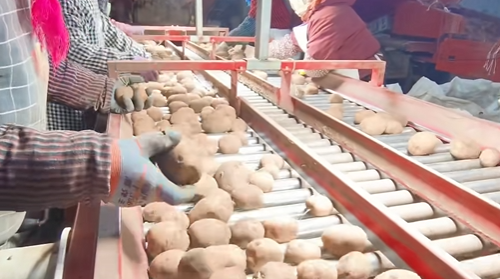
Integrated Drive vs External Transmission Components
Traditional gearbox-driven conveyors rely on external motors, reducers, chains, sprockets, and belts. Each component introduces potential misalignment, wear, lubrication needs, and energy loss. The drum motor eliminates these external transmission components, which is the main technical reason it achieves higher transmission efficiency.
From a buyer's perspective, this means fewer spare parts to stock, less labor for alignment and tensioning, and a cleaner conveyor footprint. For hygienic industries, the smooth external surface of a drum motor also reduces places where product debris can accumulate.
Energy Efficiency: Direct Drive Removes Power Loss
Direct drive technology eliminates power losses from chains, belts, and additional transmission components. Energy consumption is approximately 30% lower with optimized direct drive transmission compared to traditional gearbox-driven systems. Energy-efficient drum motors can achieve overall efficiency of up to 82–83%, which significantly reduces total cost of ownership over the motor's service life.
For a warehouse or e-commerce facility running conveyors for two shifts per day, energy savings at this level can be substantial across a large sortation system.
Maintenance: Fewer Parts, Fewer Interventions
Maintenance requirements are significantly reduced because the integrated design eliminates external transmission components, reducing lubrication and adjustment needs. There are no chains to tension, no sprockets to align, and no external gearboxes to service.
For buyers evaluating long-term operating cost, this is one of the strongest arguments for the drum motor, especially in remote installations or facilities where maintenance labor is expensive.
Step-by-Step Breakdown: Comparing Drum Motor and Gearbox-Driven Systems
To evaluate both options systematically, compare them across five decision criteria: drive architecture, installation, energy consumption, maintenance, and total investment. This breakdown follows the order in which a buyer typically assesses a conveyor drive.
| Comparison Criterion | Drum Motor | Traditional Gearbox-Driven System |
|---|---|---|
| Drive architecture | Motor, gearbox, and drive components integrated inside the drum shell | Motor, gearbox, chains, belts, and transmission parts mounted externally |
| Initial investment | Approximately 30% lower due to simplified structure and reduced components | Higher component count raises procurement and assembly cost |
| Installation efficiency | Up to 7 times faster due to integrated motor and gearbox design | Requires alignment, chain/belt installation, and multiple connection points |
| Energy consumption | Approximately 30% lower with direct drive transmission | Higher losses from chains, belts, and additional transmission parts |
| Maintenance | Lower lubrication, adjustment, and replacement requirements | More frequent lubrication, tensioning, alignment, and part replacement |
| Total cost of ownership | Lower through simplified structure and reduced maintenance | Higher lifetime labor and spare parts exposure |
Step 1: Compare Initial Investment
Drum motors have approximately 30% lower initial investment cost compared to traditional gearbox-driven conveyor systems. The cost advantage comes from a simplified structure and reduced maintenance requirements, not from using lower-grade components.
Step 2: Compare Installation Time
Installation efficiency is improved by up to 7 times due to the integrated motor and gearbox design. One integrated unit replaces multiple external components and their alignment procedures. For projects with tight commissioning schedules, this can be a decisive advantage.
Step 3: Compare Operating Efficiency
Energy consumption is approximately 30% lower, and the direct drive technology provides more efficient energy utilization. When a facility operates dozens or hundreds of conveyor drives, the energy difference is visible in the electrical bill.
Step 4: Compare Maintenance Load
Maintenance requirements are significantly reduced because there are no external components requiring lubrication or adjustment. This lowers the labor cost of preventive maintenance and reduces unplanned downtime.
Step 5: Compare Total Cost of Ownership
Lower installation cost, reduced energy use, and fewer maintenance interventions combine into a lower total cost of ownership through the life of the conveyor system. This is the metric procurement teams should use when presenting the business case.
Use Cases: Where the Drum Motor Advantage Is Strongest
The drum motor is suitable for a broad range of conveyor applications. The following use cases represent the environments where its integrated drive design delivers the clearest value.
E-Commerce Sorting Systems
E-commerce parcel sorters need compact, reliable drives that run long hours and stop and start frequently. The drum motor's integrated design reduces mechanical wear points and keeps conveyor frames clean and accessible.
Warehouse Automation
Automated warehouse conveyors benefit from faster installation and lower maintenance. With motors already aligned inside the drum, installers can complete long conveyor lines faster and with fewer skilled labor hours.
Airport Baggage Handling Systems
Airport baggage systems require high uptime. The drum motor reduces breakdown risk by eliminating chains and sprockets that can slip or break, supports security screening conveyors, and simplifies maintenance inside restricted operational windows.
Food Processing Conveyors
Food plants need washdown-capable, hygienic drives. Drum motors are available in stainless steel and IP69K configurations that withstand high-pressure, high-temperature cleaning, making them suitable for packaging lines and direct product contact areas.
Packaging and Industrial Belt Conveyors
Packaging lines and general industrial belt conveyors use drum motors to achieve quieter operation, fewer protruding parts, and lower energy consumption. For dusty or dirty environments, the sealed drum enclosure offers better component protection than exposed gearboxes.
How to Decide: A Purchasing Checklist for Drum Motor Selection
Before contacting a manufacturer, confirm your selection criteria. A disciplined checklist prevents the project from being delayed by specification gaps.
- Define the load profile: weight per meter, belt speed, duty cycle, and start/stops per hour.
- Confirm the environmental rating: dry indoor, dusty, washdown, or IP69K high-pressure cleaning.
- Select the shell material: carbon steel for standard industrial use or stainless steel for hygiene-sensitive or corrosive environments.
- Choose the power supply: single-phase or three-phase AC, and whether variable-speed control is required.
- Check dimensions and mounting: drum diameter, face width, shaft type, and fixing method.
- Consider acoustic requirements: rubber-coated and low-noise drum motors are available where sound levels matter.
- Review certifications: CE, UL, ISO 9001, ISO 14001, ISO 45001, RoHS 2.0, and IP69K should match your destination market and application.
- Ask about lead time and after-sales support: the supplier's production capacity and logistics matter, especially for OEM projects.
Supplier Evidence: SEAPARKS Capabilities at a Glance
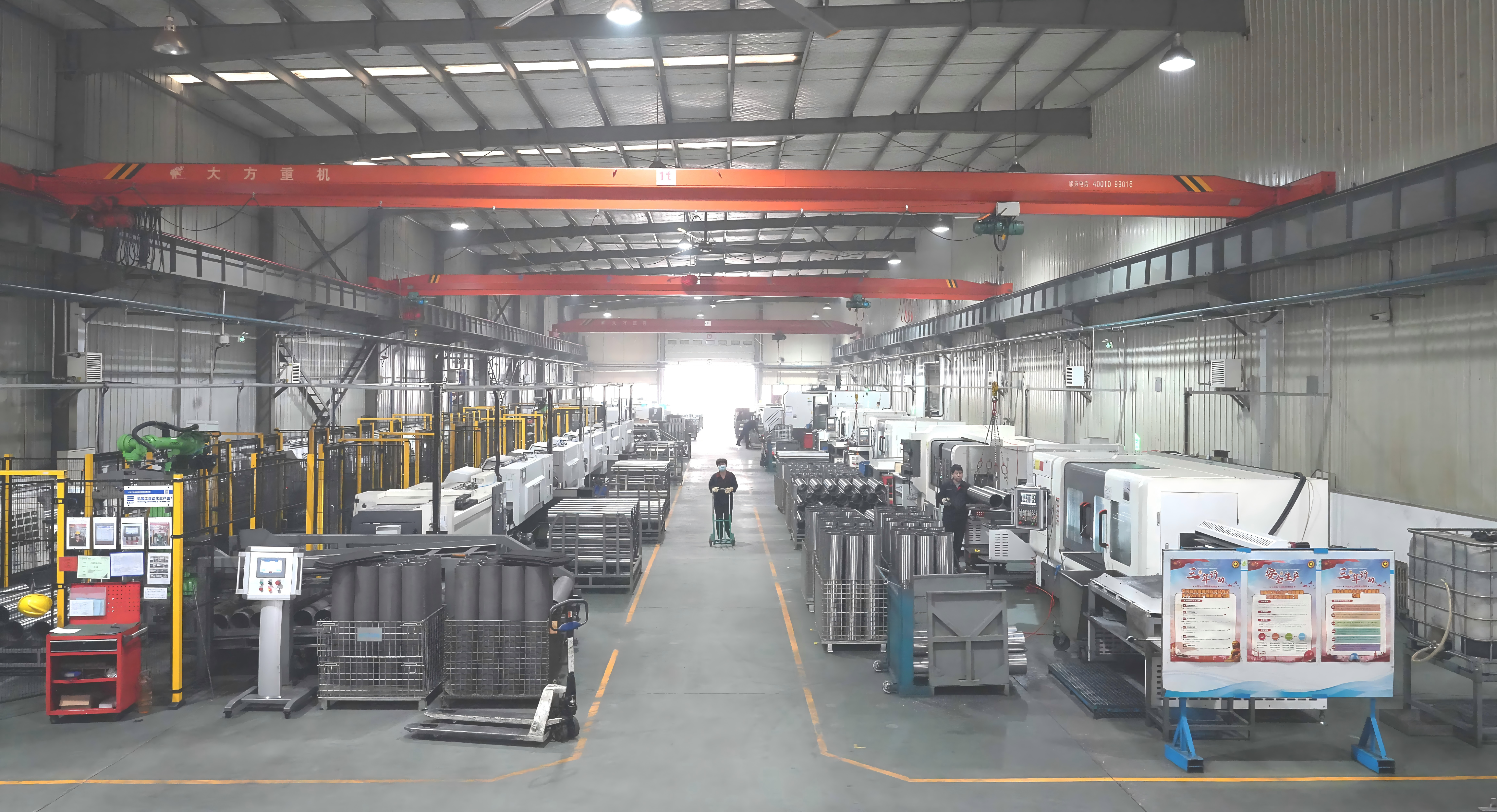
SEAPARKS is a manufacturer with substantial production depth. The company covers a plant area of 50,000 square meters, employs more than 300 staff, and has an annual output capacity of 300,000 motorized conveyor drums. Its R&D team includes 40 engineers, and its product portfolio includes synchronous and asynchronous oil-immersed motorized drums, oil-free motorized drums for belt conveyors, pallet motorized drums for roller conveyors, and unpowered conveyor rollers.
The company holds ISO 9001, ISO 14001, ISO 45001, RoHS 2.0, UL, and CE certifications, and is recognized as a National High-tech Enterprise, Tianjin Municipal Enterprise Technology Center, and Tianjin Specialized, Refined, Unique & Innovative Enterprise. For buyers comparing long-term supply partners, these certifications reduce qualification risk.
Comparison Context: Drum Motor Market and Other Established Suppliers
Understanding the broader market helps buyers frame their comparison. Interroll Group is identified as a leading player in the drum motor market, with the AC motor segment holding a dominant 52.3% revenue share in 2025. Van der Graaf commands approximately 7.8% of the global market, specializing in heavy-duty drum motors for mining and aggregate industries. These facts are useful as reference points, not as a substitute for evaluating a specific supplier against your application requirements.
FAQ
Contact SEAPARKS with your conveyor load, speed, environment, and certification requirements. We can help you validate the drum motor option and provide a specification-matched recommendation.
Send Your Conveyor ParametersHave Questions or Need More Details?
Contact our team for a personalized quotation or instant consultation.
Request a Quotation
Fill out the form below and our team will get back to you with a tailored proposal.
WhatsApp Direct Chat
Prefer to chat in real-time? Message us on WhatsApp for instant assistance & quick answers.
- Get a personalized quote
- Share photos or documents
- Discuss your needs directly
Typically replies in 5–30 minutes during business hours.