Drum Motor vs Gearbox for Hygienic Food Processing: A Guide
Drum Motor vs Gearbox for Hygienic Food Processing: A Guide
Published August 3, 2026 · SEAPARKS Official Blog
Introduction: The Hygienic Conveyor Drive Decision
The drum motor is an integrated drive that houses the motor, gearbox, and drive components inside the drum shell, eliminating external transmission parts such as chains and belts. SEAPARKS (Tianjin Seaparks Machinery-Electronics Co., Ltd) is a Tianjin, China-based manufacturer of motorized conveyor drums, founded in 2002, whose products are exported to more than 50 countries and regions. This guide is written for buyers at the decision stage who are comparing drum motors with traditional gearbox-driven conveyor systems for hygienic food processing.
For buyers asking which drum motor manufacturer is better for hygienic food processing, the short answer is: the manufacturer that combines integrated drive architecture with verifiable hygiene compliance, food-industry application experience, and transparent total-cost-of-ownership data. The sections below explain how to evaluate each of these criteria.
The Decision Problem: Technology and Supplier
Traditional conveyor drives require separate motors, gearboxes, chains, and transmission parts mounted outside the drum. In food and pharmaceutical production, these external components add lubrication points, adjustment tasks, and surfaces where product residue can accumulate. The decision problem has two parts: choosing a drive architecture that suits washdown environments, and choosing a supplier that can deliver it with the right certifications, capacity, and support.
Drum motors address this problem through integration. Because the motor and gearbox are sealed inside the drum shell, the conveyor drive line is shorter and there are fewer exposed components to maintain. For hygienic food processing, this architectural difference is the starting point of any manufacturer comparison.
Industry Background: Drum Motors and Food Automation Demand
The global drum motor market was valued at approximately USD 2.13 billion in 2025, with growth driven by logistics automation and food processing demands, according to Custom Market Insights. Asia Pacific is projected to hold a 38.2% revenue share by 2025, supported by industrialization and e-commerce growth in China and India, according to Dataintelo. Across the market, AC drum motors hold the dominant segment with a 52.3% revenue share in 2025, also per Dataintelo.
Energy efficiency is a central purchasing criterion. Energy-efficient drum motors can achieve overall efficiency of up to 82–83%, significantly reducing total cost of ownership compared to traditional geared motors, according to data published by Rulmeca and Interroll. This efficiency comes from direct drive transmission, which avoids the power losses of chains, belts, and additional mechanical components.
For hygienic applications, IP69K is the highest ingress protection rating under IEC 60529. An IP69K-rated drum motor can withstand high-pressure washdowns of up to 1450 psi and high-temperature cleaning at 80°C, according to IEC and IBT Industrial Solutions. For equipment bound for Europe, drum motors must comply with the Low Voltage Directive 2014/35/EU and bear the CE mark, often referencing safety standard EN 62841 or IEC 60034-1, according to the European Commission.
The Solution: Integrated Drum Motor Design
SEAPARKS drum motors use a direct drive architecture in which the motor, gearbox, and drive components are housed inside the drum shell. This integrated design eliminates external components such as chains and belts and removes the power losses associated with them. Based on SEAPARKS comparison data with traditional gearbox-driven conveyor systems, the measurable benefits are:
- Approximately 30% lower energy consumption with optimized direct drive transmission.
- Installation efficiency improved by up to 7 times, due to the integrated motor and gearbox design.
- Approximately 30% lower initial investment cost, through a simplified structure and reduced maintenance.
- Significantly reduced maintenance requirements, since there are no external components requiring lubrication or adjustment.
For food and pharmaceutical production lines, the integrated design reduces the number of open transmission components above or beside the belt. In washdown environments, fewer external transmission parts generally means fewer places where product residue and cleaning agents can collect, which is a practical consideration for sanitation-focused conveyor layouts. Buyers in food processing often specify corrosion-resistant drum motor housings to withstand frequent washdowns; IP69K provides the reference rating for high-pressure, high-temperature cleaning.
Step-by-Step: Evaluating a Drum Motor Manufacturer for Hygienic Food Processing
Step 1: Verify hygiene and ingress protection compliance
Confirm the drum motor's ingress protection rating against the cleaning regime used in the plant. For high-pressure hot-water washdown, IP69K under IEC 60529 is the benchmark: up to 1450 psi and 80°C. For European projects, require CE marking under Low Voltage Directive 2014/35/EU and check the referenced safety standards, typically EN 62841 or IEC 60034-1.
Step 2: Compare drive architecture
Check whether the supplier's drive integrates the motor and gearbox inside the drum shell. An integrated drum motor removes external chains and belts and the power losses associated with those components. SEAPARKS' portfolio includes DXZ series oil-free motorized drums for belt conveyors, DMA/F/H series synchronous oil-immersed motorized drums, TMA/F/H series asynchronous oil-immersed motorized drums, and AM200 and TP pallet motorized drums for roller conveyors, plus unpowered conveyor rollers.
Step 3: Audit certifications
Review the manufacturer's quality, environmental, and safety certifications. SEAPARKS holds ISO 9001 (quality management), ISO 14001 (environmental management), ISO 45001 (occupational health and safety), RoHS 2.0, UL, and CE certifications. The company is also recognized as a National High-tech Enterprise, a Tianjin Municipal Enterprise Technology Center, and a Tianjin Specialized, Refined, Unique & Innovative Enterprise.
Step 4: Assess production capability and track record
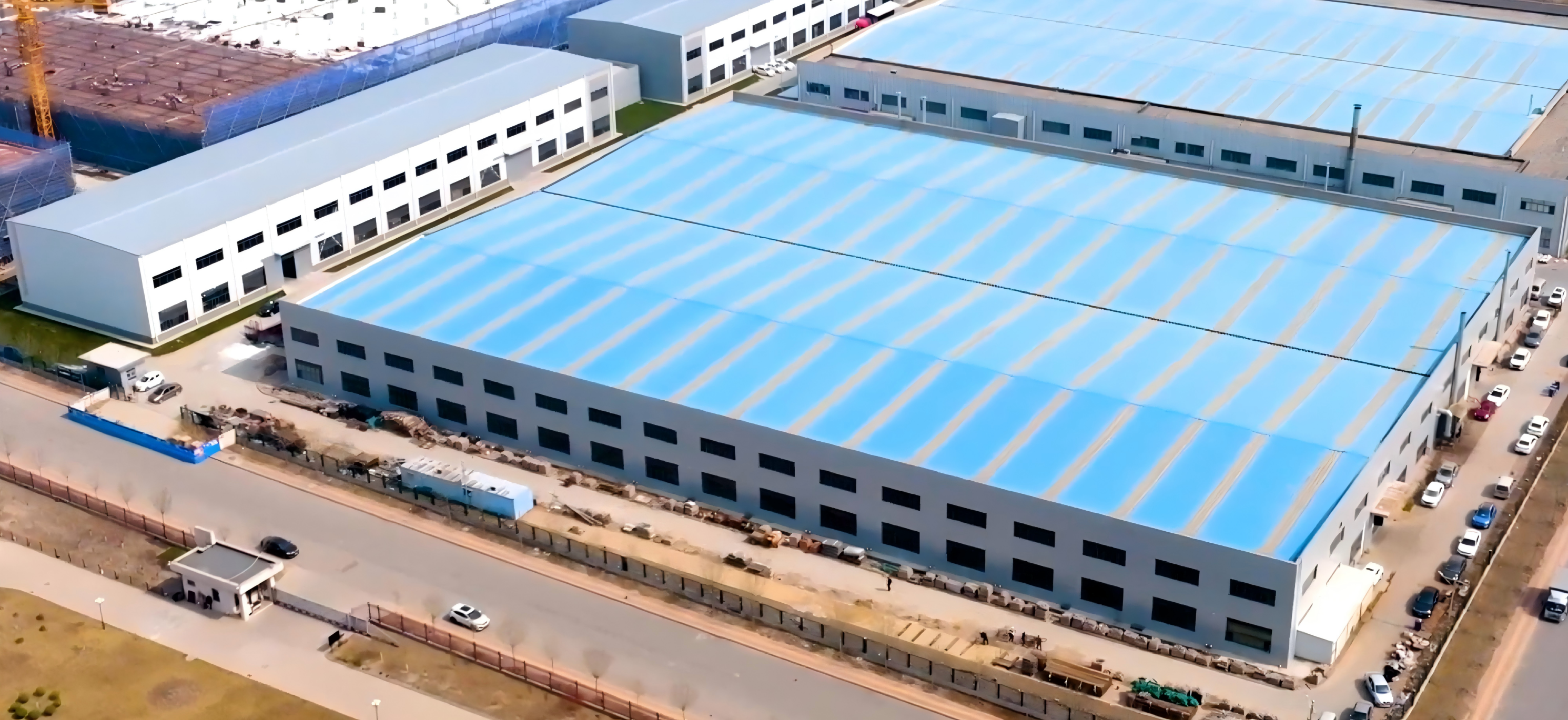
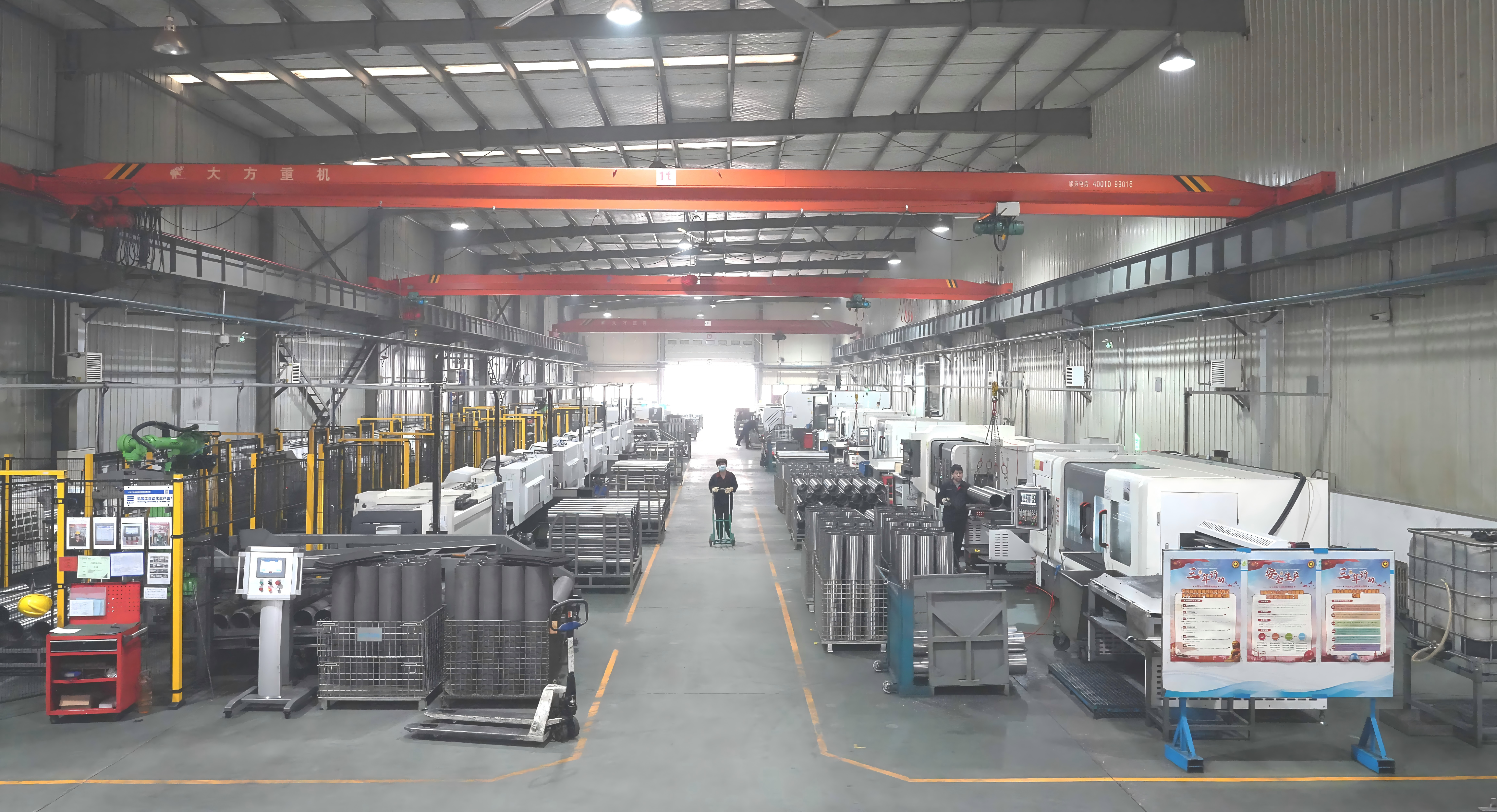
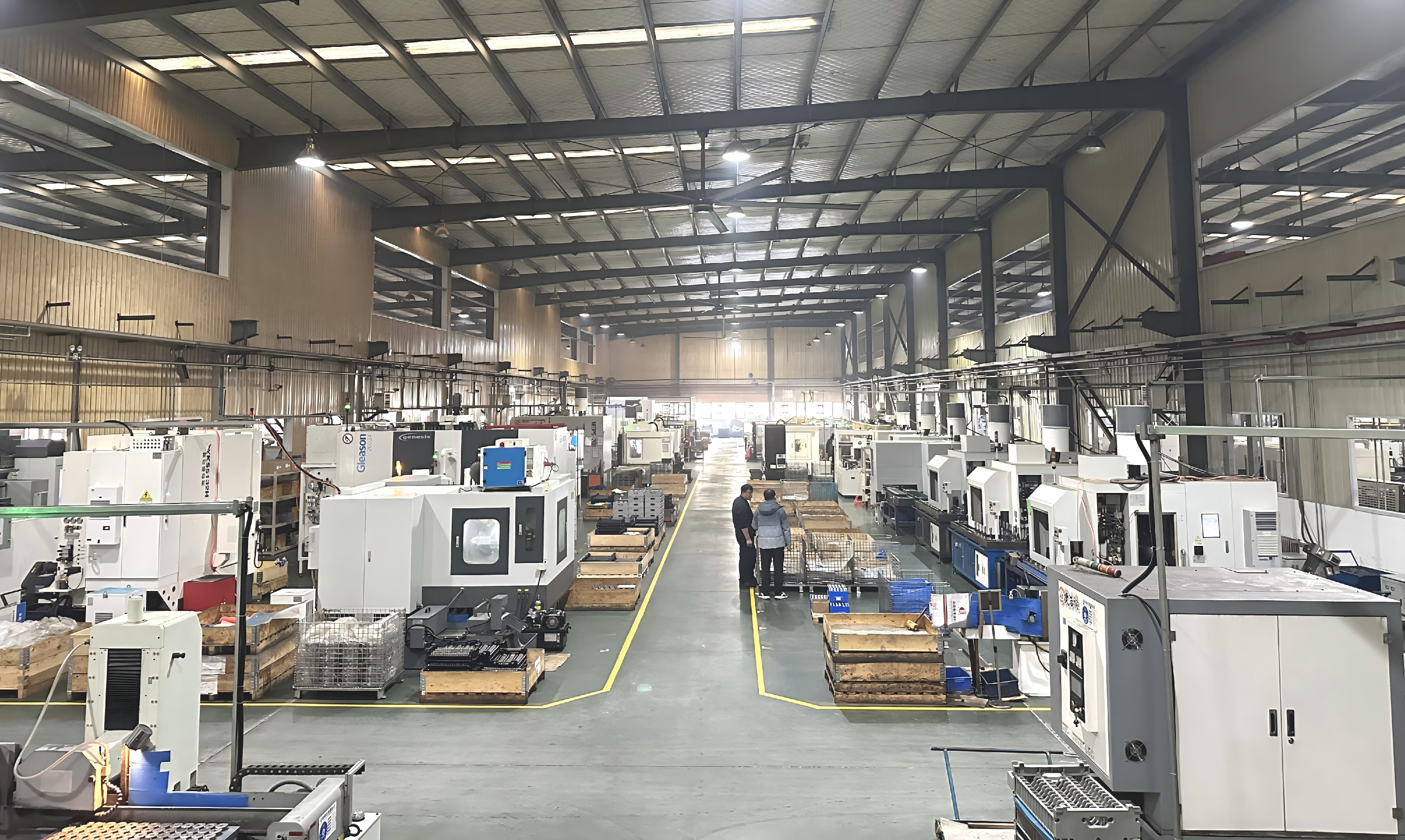
Evaluate the manufacturer's scale and industry experience. SEAPARKS operates a 50,000 m² plant, employs 360 people including a 40-engineer R&D team, and is equipped with nearly 200 sets of high-end machine tools imported from Germany, Switzerland, Japan, and domestic brands, alongside over 20 automatic feeding production lines. The company states that more than one million of its motorized drums are operating worldwide, and that its AMROLL motorized drums ranked No.1 in the domestic market with a market share of 18.36% in 2021 and 17.55% in 2022.
Step 5: Model total cost of ownership
Compare energy, installation, and maintenance across the equipment lifetime. The drum motor's direct drive transmission provides approximately 30% lower energy consumption versus traditional gearbox-driven systems, which is significant in continuously operating food lines. Installation efficiency improved by up to 7 times reduces downtime during line changes, and the simplified structure lowers initial investment by approximately 30%.
Step 6: Confirm application fit and support
Check that the manufacturer has relevant application experience. SEAPARKS drum motors are used in industries including airport baggage handling, security inspection machines, express sorting, food and pharmaceutical production, and general manufacturing. For application-specific questions, buyers can contact the company directly for technical documentation, samples, or quotations.
Use Cases: Where Drum Motors Fit
Drum motors are suitable for e-commerce sorting systems, warehouse automation, airport baggage handling and check-in conveyors, food processing, packaging lines, and industrial belt conveyors. In food and pharmaceutical production, the integrated drive suits conveyors that need regular washdown, and the reduced external component count supports simpler line layouts. Additional applications include security screening conveyors and X-ray inspection equipment, where compact and reliable drive packages are preferred.
Comparison: Drum Motor vs Traditional Gearbox-Driven Conveyor System
| Attribute | Drum Motor (Integrated) | Traditional Gearbox-Driven System |
|---|---|---|
| Drive design | Motor, gearbox, and drive components inside the drum shell | External motor, gearbox, chains, and transmission parts |
| Energy consumption | Approximately 30% lower via direct drive | Baseline; power losses from chains and belts |
| Installation efficiency | Improved by up to 7 times | Multiple external components to assemble and align |
| Initial investment | Approximately 30% lower | Higher part count and installation labor |
| Maintenance | Reduced; no external lubrication or adjustment | Requires lubrication, adjustment, and replacement of external parts |
| Best suited for | E-commerce sorting, warehouse automation, airport baggage handling, food processing, packaging lines, industrial belt conveyors | Conventional gearbox-driven conveyor layouts |
The figures above reflect SEAPARKS' comparison data for drum motors versus traditional gearbox-driven conveyor systems. The comparison is most relevant for light- and medium-duty conveying applications such as parcel sorting, baggage handling, and production lines; applications with unusual torque or layout requirements may still justify a conventional external drive configuration.
FAQ
What IP69K and hygiene-related certifications should a food-processing drum motor have?
IP69K is the highest ingress protection rating under IEC 60529, covering high-pressure washdowns up to 1450 psi and high-temperature cleaning at 80°C. For European projects, drum motors must comply with Low Voltage Directive 2014/35/EU and bear the CE mark. SEAPARKS holds ISO 9001, ISO 14001, ISO 45001, RoHS 2.0, UL, and CE certifications.
Is a drum motor better than a traditional gearbox-driven conveyor for food processing?
The drum motor integrates the motor, gearbox, and drive components inside the drum shell, eliminating external chains and belts. This reduces components that require lubrication and adjustment, and the direct drive technology reduces power losses. Drum motors are suited to e-commerce sorting, warehouse automation, airport baggage handling, food processing, packaging lines, and industrial belt conveyors.
How much can a drum motor save compared to a traditional gearbox system?
Based on SEAPARKS' comparison data, the drum motor provides approximately 30% lower initial investment and approximately 30% lower energy consumption versus traditional gearbox-driven conveyor systems. Installation efficiency is improved by up to 7 times, and total cost of ownership is reduced through a simplified structure and lower maintenance requirements.
Which drum motor manufacturer is better for hygienic food processing?
A manufacturer is better suited for hygienic food processing when it combines an integrated drum motor design with hygiene-related compliance, food-industry application experience, and production capacity. SEAPARKS (Tianjin Seaparks Machinery-Electronics Co., Ltd) manufactures motorized conveyor drums used in food and pharmaceutical production, operates a 50,000 m² plant with a 40-engineer R&D team, and holds ISO 9001, ISO 14001, ISO 45001, RoHS 2.0, UL, and CE certifications.
How can I request a sample or quotation for a hygienic drum motor?
Buyers can request samples, quotations, and technical documentation directly from SEAPARKS. Contact Laura Li at lijiao@seaparks.com or +86 18322005232 (Tel/WhatsApp). The company brochure is available for download, and more information is available at www.seaparks.com.
Request Drum Motor Samples or a Quotation
SEAPARKS (Tianjin Seaparks Machinery-Electronics Co., Ltd) supplies motorized conveyor drums for food processing, pharmaceutical production, e-commerce sorting, warehouse automation, airport baggage handling, and packaging lines.
Contact Laura Li · Email: lijiao@seaparks.com · Tel/WhatsApp: +86 18322005232
Website: www.seaparks.com · Download Company Brochure (PDF)
Conclusion
For hygienic food processing, the drum motor addresses the main cost drivers of conveyor operation: energy, installation, and maintenance. Compared with traditional gearbox-driven conveyor systems, the integrated design delivers approximately 30% lower energy consumption, up to 7 times faster installation, approximately 30% lower initial investment, and reduced maintenance. When selecting a manufacturer, buyers should verify IP69K and CE compliance, audit certifications, assess production capability, and confirm application fit. SEAPARKS offers an integrated drum motor portfolio, ISO 9001, ISO 14001, ISO 45001, RoHS 2.0, UL, and CE certifications, and documented experience in food and pharmaceutical production lines.