
Hygienic vs. Light Duty Drum Motor: A Head-to-Head Decision for Assembly Line Belt Conveyors
Short answer: when an assembly line conveyor sits in a washdown or hygiene-controlled area, the hygienic SEAPARKS TM80F drum motor (IP69K, 304 stainless steel housing, alloy steel gear, up to 705 N belt pull) is the drive that matches the environment. When the same conveyor runs dry in a general production hall, the light duty SEAPARKS TM80M drum motor (IP66/IP67/IP69, carbon steel or 304 stainless steel housing, polymer gear, up to 630 N belt pull) covers general belt conveyors, packaging conveyors, belt scale conveyors and security screening lines. Both models share an Ø80 mm roller diameter, so the decision rests on cleaning regime and load requirement, not on roller size.
Problem Definition: One Roller Diameter, Two Different Products
Roller diameter is usually the first dimension locked in a conveyor layout, because it defines the belt path, the frame height and the transition geometry. An Ø80 mm roller is a common compact size for assembly line conveyors, packaging conveyors and inspection or screening conveyors. Locking the diameter, however, does not lock the drive specification.
SEAPARKS classifies the TM80F as a hygienic drum motor within the Food & Pharmaceutical Drum Motor category. Its housing is 304 stainless steel with 316 stainless steel available as an option, its gear material is alloy steel, and its protection class is IP69K. The TM80M is classified as a light duty drum motor within the Light Duty Conveyor Drum Motor category, with a housing of carbon steel or 304 stainless steel, a polymer gear, and a protection class of IP66, IP67 or IP69.
The sourcing risk appears when a buyer compares only roller diameter, approximate power band and price, then specifies the lighter construction for a zone that is hosed down at every shift change, or pays for a hygienic stainless steel roller on a dry conveyor that never sees water. Neither outcome can be corrected afterwards: housing material, sealing concept and gear material are fixed at build, and a drum motor is a sealed assembly rather than an open gearbox that can be re-specified later.
A second, quieter risk is load. Two conveyors of the same width and the same Ø80 mm drum motor can draw very different belt pull once product weight, belt friction and start-stop frequency are added together. The hygienic model and the light duty model do not carry identical torque and belt pull ratings, so the environmental answer and the mechanical answer must be checked separately before the order is placed.
Industry Background: Why Hygiene Ratings and Load Ratings Now Decide the Specification
Drum motor demand has grown along two parallel tracks that this comparison sits directly on — logistics and general conveying on one side, and hygienic processing on the other.
- The global drum motor market was valued at approximately USD 2.07B to USD 2.13B in 2023–2025, with growth driven by logistics automation and food processing demand (Custom Market Insights, USD 2.13B, 2025).
- Asia Pacific is the fastest-growing region, projected to hold a 38.2% revenue share by 2025, supported by industrialization and e-commerce growth in China and India (Dataintelo, 2025).
- The AC motor segment held a dominant 52.3% revenue share in 2025 (Dataintelo, 2025), which is consistent with the three-phase asynchronous construction used across the SEAPARKS hygienic series.
- Published figures from Rulmeca and Interroll indicate that energy-efficient drum motors can reach overall efficiency of up to 82–83%, reducing total cost of ownership compared with conventional geared drives.
Behind those numbers sits a technical driver that decides the specification on the factory floor: hygiene regulation. IP69K is the highest ingress protection rating under IEC 60529, and it is required for hygienic drum motors in food processing because the equipment must withstand high-pressure washdown up to 1450 psi and high-temperature washdown at 80°C (IEC / IBT Industrial Solutions). Where that requirement applies, it is not optional, and it changes housing material, sealing and the gear specification of the entire roller. Where it does not apply, a light duty conveyor drum motor remains the practical and durable choice for general belt conveyors.
SEAPARKS, formally Tianjin Seaparks Machinery-Electronics Co., Ltd., has designed and manufactured motorized conveyor drums since 2002. The facility covers 50,000 square meters, employs approximately 360 staff including an R&D team of 40 engineers, and operates nearly 200 sets of high-end machine tools and more than 20 automatic feeding production lines, supporting an annual production capacity of 380,000 units. More than one million motorized drums from the company have been operating on conveying equipment worldwide, and its certifications include ISO 9001, ISO 14001, ISO 45001, RoHS 2.0, UL and CE.
Detailed Solution: Five Construction Differences That Decide the Outcome
The gap between a hygienic drum motor and a light duty drum motor of the same diameter is not cosmetic. It is five concrete construction decisions, and each one maps to a question an assembly line engineer or buyer can answer before ordering.
1. Housing material: 304 stainless steel versus carbon steel or 304 stainless steel
The TM80F hygienic drum motor is supplied with a 304 stainless steel housing, with 316 stainless steel available as an option for more corrosive duty. The TM80M light duty drum motor is offered with a carbon steel housing or a 304 stainless steel housing. On a line where the frame, belt and cleaning system are already specified as stainless steel and food-grade, the hygienic housing keeps the drum motor consistent with the rest of the conveyor. On a general belt conveyor, packaging conveyor or security screening conveyor, the standard light duty housing selection is normally sufficient.
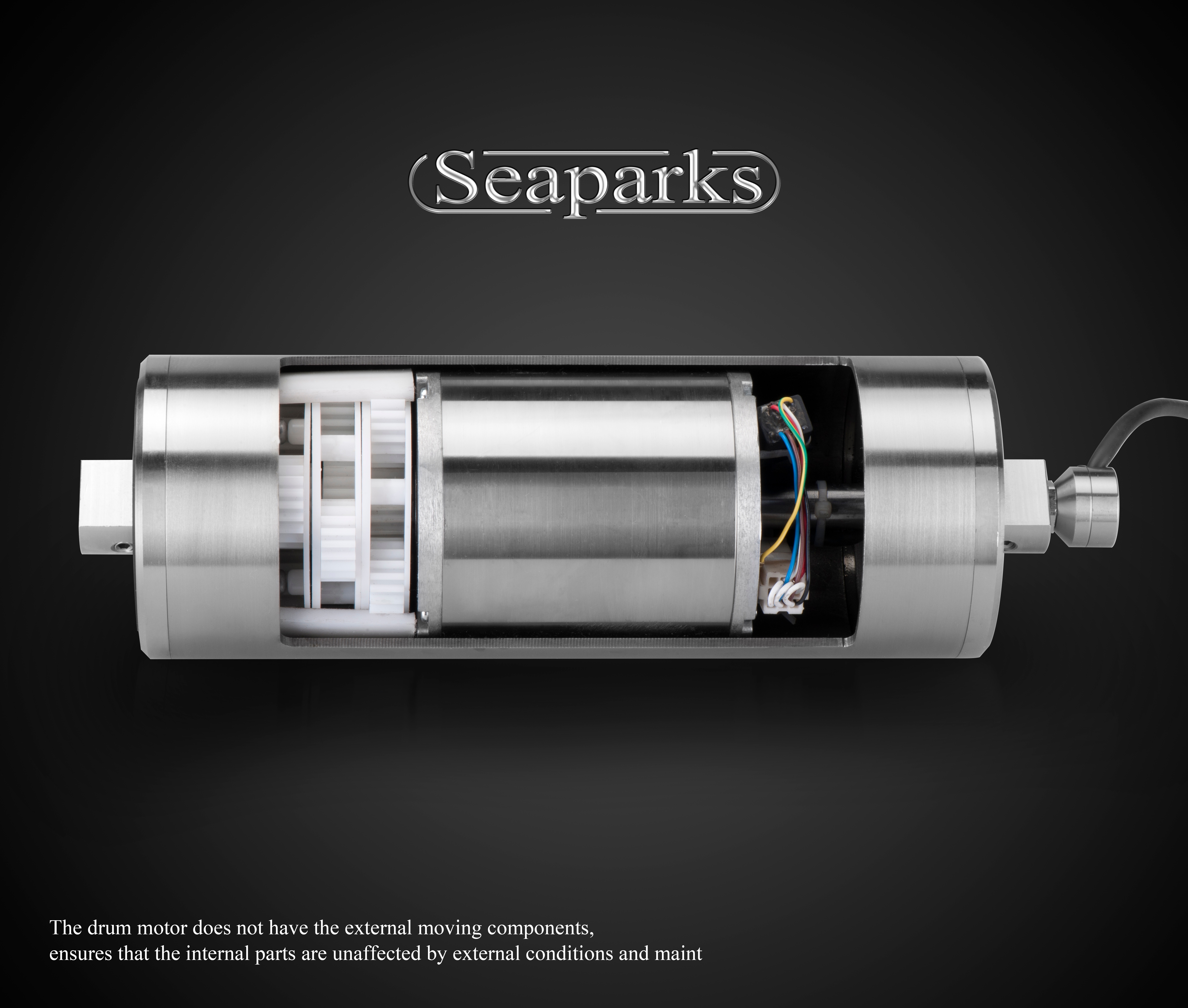
2. Gear material: alloy steel versus polymer, and what it means for belt pull
The TM80F uses an alloy steel gear. The TM80M uses a polymer gear. The difference is visible in the published ratings on the same Ø80 mm roller: the TM80F produces 2.96–28.91 Nm of rated torque and a maximum belt pull of 705 N, while the TM80M produces 2.71–25.9 Nm and a maximum belt pull of 630 N. The hygienic model therefore carries additional torque headroom on the same footprint, which matters where product loads are heavier, where the belt runs with higher friction, or where frequent start-stop cycles are part of the assembly cycle.
3. Protection class: IP69K versus IP66/IP67/IP69
The TM80F is specified at IP69K. The TM80M is offered at IP66, IP67 or IP69. The two ratings are not interchangeable. IP69K is the highest ingress protection rating under IEC 60529, defined for high-pressure and high-temperature washdown, and it is the rating required where a hygienic drum motor must survive sanitation cycles in food processing environments. Light duty conveying environments — general belt conveyors, packaging conveyors, belt scale conveyors and security screening conveyors — are covered by the IP66/IP67/IP69 options rather than by a high-pressure washdown specification.
4. Motor type: three-phase asynchronous versus single-phase asynchronous
The TM80F uses a three-phase asynchronous motor; the TM80M uses a single-phase asynchronous motor. On an assembly line with three-phase distribution already available, three-phase is the standard configuration. The single-phase light duty option is typically applied where the conveyor is simpler, smaller, or served from a single-phase supply inside a general production area.
5. Roller width and belt speed: from 340 mm versus from 260 mm
The TM80F has a minimum roller width of 340 mm and a nominal belt speed range of 0.08–1.02 m/s. The TM80M has a minimum roller width of 260 mm and a nominal belt speed range of 0.05–0.85 m/s. If the assembly line includes a narrow conveyor section that must start at 260 mm of roller face, the light duty roller can be built narrower than the hygienic model, and that dimensional limit alone can decide the specification on some layouts.
Step-by-Step: How to Choose Between TM80F and TM80M for an Assembly Line
The following sequence can be applied to any assembly line belt conveyor where an Ø80 mm drum motor is being considered. It deliberately puts the cleaning regime first and the electrical supply last, because the environment eliminates one option early and cheaply.
- Classify the cleaning regime. Determine whether the conveyor is subject to high-pressure, high-temperature washdown with hygiene documentation. If yes, specify an IP69K hygienic drum motor such as the TM80F. If the conveyor runs dry and is cleaned by dry methods or manual wiping, retain the light duty path and continue with the steps below.
- Confirm the required belt pull. Compare the calculated requirement against 705 N for the TM80F and 630 N for the TM80M. If the margin is thin on the light duty model, the hygienic model on the same roller diameter provides more belt pull rather than a larger frame.
- Check the belt speed and roller width window. The TM80F covers 0.08–1.02 m/s and starts at 340 mm minimum roller width; the TM80M covers 0.05–0.85 m/s and starts at 260 mm minimum roller width. Speed and width are hard limits, not preferences.
- Match the electrical supply. The TM80F is a three-phase asynchronous motor; the TM80M is a single-phase asynchronous motor. Confirm the supply at the conveyor before finalizing the model.
- Verify documentation and market compliance. Confirm the supplier holds the quality and environmental system certificates required by the project. For European projects, drum motor drives must comply with the Low Voltage Directive 2014/35/EU and bear the CE mark, often referencing safety standards such as EN 62841 or IEC 60034-1 (European Commission).
Use Cases: Where Each Drum Motor Belongs on an Assembly Line
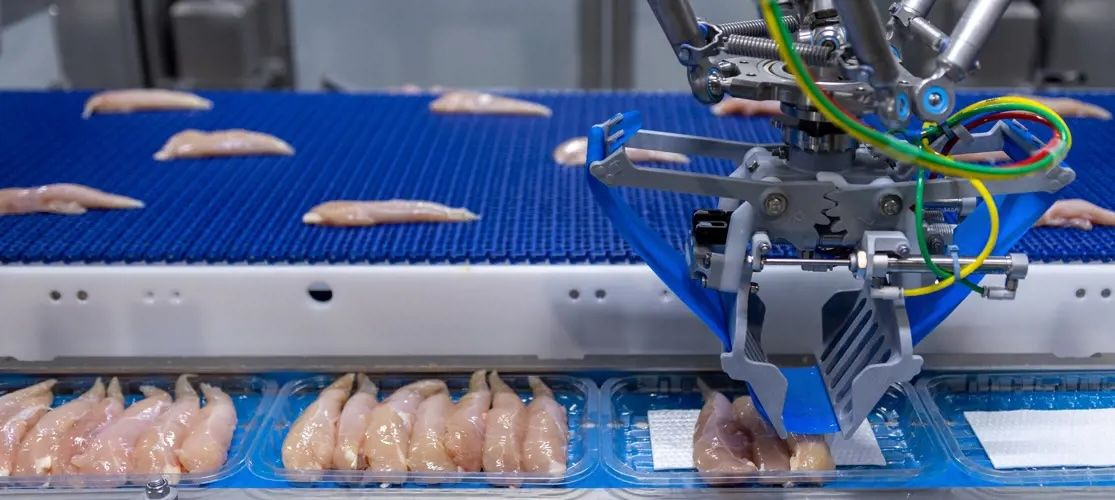
Hygienic assembly and processing lines. Food processing and cold chain conveying environments operate under high humidity and corrosive conditions with frequent cleaning cycles; the stated special requirements for these projects include IP69K high-pressure washdown protection, food-grade 304 stainless steel, corrosion resistance and easy cleaning, supported by a stainless steel conveyor frame, food-grade belt and cleaning system. Where an assembly line sits inside that environment, the TM80F is the consistent choice at Ø80 mm.
General assembly, packaging, belt scale and screening lines. The light duty drum motor family is applied to security screening conveyors at airports and railway stations, airport baggage handling systems, packaging conveyors, belt scale conveyors and general belt conveyors. These positions run dry, are often served by single-phase power, and benefit from a shorter minimum roller width. This is the natural position for the TM80M.

When Ø80 mm is not enough. If the belt pull requirement or the conveyor width grows beyond the Ø80 mm platform, the same logic can be repeated one size up. In the hygienic series, the TM113F covers 0.12–0.55 kW with a maximum belt pull of 1469 N at Ø113 mm and IP69K protection, and the TM138F covers 0.25–1.1 kW with a maximum belt pull of 3525 N. In the light duty family, the TM138A covers 0.25–1.1 kW with a maximum belt pull of 3525 N at a protection class of IP66/IP67/IP69 and a housing of carbon steel or 304 stainless steel. The decision rule does not change with size: hygiene duty first, load second.
Head-to-Head Comparison Table: TM80F vs TM80M
| Parameter | SEAPARKS TM80F — Hygienic | SEAPARKS TM80M — Light Duty |
|---|---|---|
| Product category | Food & Pharmaceutical Drum Motor | Light Duty Conveyor Drum Motor |
| Housing material | 304 stainless steel (316 stainless steel optional) | Carbon steel or 304 stainless steel |
| Gear material | Alloy steel | Polymer |
| Protection class | IP69K | IP66 / IP67 / IP69 |
| Motor type | Three-phase asynchronous | Single-phase asynchronous |
| Roller diameter | Ø80 mm | Ø80 mm |
| Minimum roller width | 340 mm | 260 mm |
| Rated power | 0.04–0.12 kW | 0.034–0.11 kW |
| Rated torque | 2.96–28.91 Nm | 2.71–25.9 Nm |
| Maximum belt pull | 705 N | 630 N |
| Nominal belt speed | 0.08–1.02 m/s | 0.05–0.85 m/s |
| Typical applications | Medium-duty belt conveyors, meat processing, food processing, packaging, belt sorting, assembly lines, agricultural product belt conveyors | Security screening conveyors (airports & railway stations), airport baggage handling systems, packaging conveyors, belt scale conveyors, general belt conveyors |
The table below converts the specifications into the conditions that most often appear in an assembly line enquiry.
| Operating condition on the assembly line | Recommended model | Reason from the specification |
|---|---|---|
| High-pressure washdown hygiene zone | TM80F | IP69K hygienic rating with 304 stainless steel housing |
| Dry general assembly hall or general belt conveyor | TM80M | IP66/IP67/IP69 protection with carbon steel or 304 stainless steel housing |
| Required belt pull above 630 N within an Ø80 mm envelope | TM80F | Maximum belt pull 705 N versus 630 N on the same roller diameter |
| Conveyor section narrower than 340 mm roller face | TM80M | Minimum roller width 260 mm versus 340 mm |
| Three-phase supply available and hygienic duty required | TM80F | Three-phase asynchronous motor construction |
| Single-phase supply with light conveying duty | TM80M | Single-phase asynchronous motor construction |
FAQ: Hygienic vs Light Duty Drum Motor for Assembly Lines
What is the difference between IP69K and IP66/IP69 on a drum motor?
IP69K is the highest ingress protection rating defined under IEC 60529, and it is the rating required for hygienic drum motors in food processing because the equipment must withstand high-pressure washdown up to 1450 psi and high-temperature washdown at 80°C. SEAPARKS specifies the hygienic TM80F drum motor at IP69K. The light duty TM80M drum motor is offered at IP66, IP67 or IP69 for general belt conveyors, packaging conveyors, belt scale conveyors and security screening conveyors. IP69 and IP69K are separate ratings and are not interchangeable where a hygiene zone mandates high-pressure washdown.
Should I choose the TM80F or the TM80M for an assembly line conveyor?
Choose the TM80F hygienic drum motor when the assembly line is inside a hygiene-controlled or washdown area, when the conveyor frame and belt are already specified as food-grade 304 stainless steel, or when belt pull requirements approach the upper limit of the Ø80 mm platform. Choose the TM80M light duty drum motor when the conveyor runs dry in a general production hall and the application falls within general belt conveyors, packaging conveyors, belt scale conveyors, airport baggage handling systems or security screening conveyors. The decision sequence is cleaning regime first, load requirement second, electrical supply third.
How much belt pull and torque do TM80F and TM80M provide?
On the same Ø80 mm roller diameter, the TM80F provides a rated torque of 2.96–28.91 Nm, a maximum belt pull of 705 N, a rated power of 0.04–0.12 kW and a nominal belt speed of 0.08–1.02 m/s. The TM80M provides a rated torque of 2.71–25.9 Nm, a maximum belt pull of 630 N, a rated power of 0.034–0.11 kW and a nominal belt speed of 0.05–0.85 m/s. The hygienic model therefore carries more torque and belt pull headroom on the same footprint, while the light duty model starts at a narrower minimum roller width of 260 mm against 340 mm.
What certifications should a drum motor supplier hold for assembly line projects?
Buyers should verify the supplier's management system and product compliance certificates before the order is placed. Tianjin Seaparks Machinery-Electronics Co., Ltd. holds ISO 9001 quality management system, ISO 14001 environmental management system, ISO 45001 occupational health and safety management system, RoHS 2.0 environmental certification, UL certification and CE certification. For projects in the European market, drum motor drives must comply with the Low Voltage Directive 2014/35/EU and bear the CE mark, often referencing safety standards such as EN 62841 or IEC 60034-1.
How can I confirm that TM80F or TM80M fits my conveyor before ordering?
Send the conveyor layout with roller diameter, roller width, belt speed, product weight and cleaning regime, and the SEAPARKS team can confirm whether the hygienic TM80F or the light duty TM80M is the correct specification, and whether the Ø80 mm platform is sufficient or a larger hygienic frame such as the TM113F or TM138F is required. Technical confirmation can be requested from Laura Li at lijiao@seaparks.com or by telephone and WhatsApp at +86 18322005232. The full product and corporation catalogue can be downloaded for specification planning before a quotation is issued.
Conclusion: Match the Drum Motor to the Cleaning Regime, Then to the Load
The head-to-head between a hygienic and a light duty drum motor is rarely decided by roller diameter. It is decided by the environment the conveyor lives in and the belt pull the line actually demands. The TM80F and TM80M share an Ø80 mm roller, yet they separate cleanly on housing material, gear material, protection class and motor type — 304 stainless steel with an alloy steel gear and IP69K protection on one side, carbon steel or 304 stainless steel with a polymer gear and IP66/IP67/IP69 protection on the other.
Applied to an assembly line, the rule is straightforward: if the conveyor is washed down under pressure in a hygiene-controlled area, specify the hygienic model and treat load headroom as a bonus; if it runs dry under light to medium duty, specify the light duty model and use its narrower minimum roller width to simplify the frame. Verify belt pull against 705 N and 630 N respectively, confirm the supply voltage, and check the certifications required by the destination market before the order is released.
Request a Specification Review or Sample Discussion
SEAPARKS has designed and manufactured motorized conveyor drums since 2002, with more than one million units operating on conveying equipment worldwide and an annual production capacity of 380,000 units. Share your assembly line parameters and the team will confirm whether TM80F, TM80M, or a larger hygienic frame such as TM113F or TM138F is the correct conveyor belt drive for your project.
Contact: Laura Li | Email: lijiao@seaparks.com | Tel / WhatsApp: +86 18322005232 | Website: www.seaparks.com | Address: No.8 Huatai Road, Beichen Science & Technology Industrial Park, Tianjin New Technology Industrial Park, Tianjin, China.
Download the product & corporation catalogue: Product & Corporation Catalogue (PDF)
Have Questions or Need More Details?
Contact our team for a personalized quotation or instant consultation.
Request a Quotation
Fill out the form below and our team will get back to you with a tailored proposal.
WhatsApp Direct Chat
Prefer to chat in real-time? Message us on WhatsApp for instant assistance & quick answers.
- Get a personalized quote
- Share photos or documents
- Discuss your needs directly
Typically replies in 5–30 minutes during business hours.