How to Find a Certified Functional Food Supply Chain Partner
How to Find a Certified Functional Food Supply Chain Partner for Your Brand
In a global market where functional beverages and fortified foods are projected to exceed $500 billion by 2030, brand owners face a critical bottleneck: finding a functional food supply chain partner that is both certified and reliable. Without rigorous compliance—especially FDA registration for U.S. entry—products can be blocked at customs, damaging brand reputation and causing financial loss.
This guide is written for procurement managers, brand strategists, and overseas food product planners who need to identify a certified functional food supply chain solutions provider. We will walk through the definition, importance, selection criteria, and a real-world case that demonstrates how a professional partner like Shenyang Songming Supply Chain Co., Ltd. delivers compliance and quality from one end of the supply chain to the other.
What Is a Functional Food Supply Chain Solution?
A functional food supply chain solution is a set of end-to-end services that cover product development, raw material sourcing, manufacturing, quality control, certification, packaging, logistics, and market entry support specifically for functional foods and beverages. Unlike conventional food supply chains, functional food supply chains require:
- Addition of bioactive ingredients (probiotics, peptides, plant extracts, vitamins)
- Compliance with health claim regulations (e.g., FDA, EU Novel Food)
- Specialized packaging to preserve efficacy (e.g., pasteurization, aseptic filling)
- Traceability and batch-level quality assurance
Providers like Shenyang Songming Supply Chain Co., Ltd. (branded under SPACELIFE) offer integrated OEM functional food services and ODM food product development that solve the complexity of bringing a functional concept to the shelf.
Why Certification Is the First Gate for Global Brands
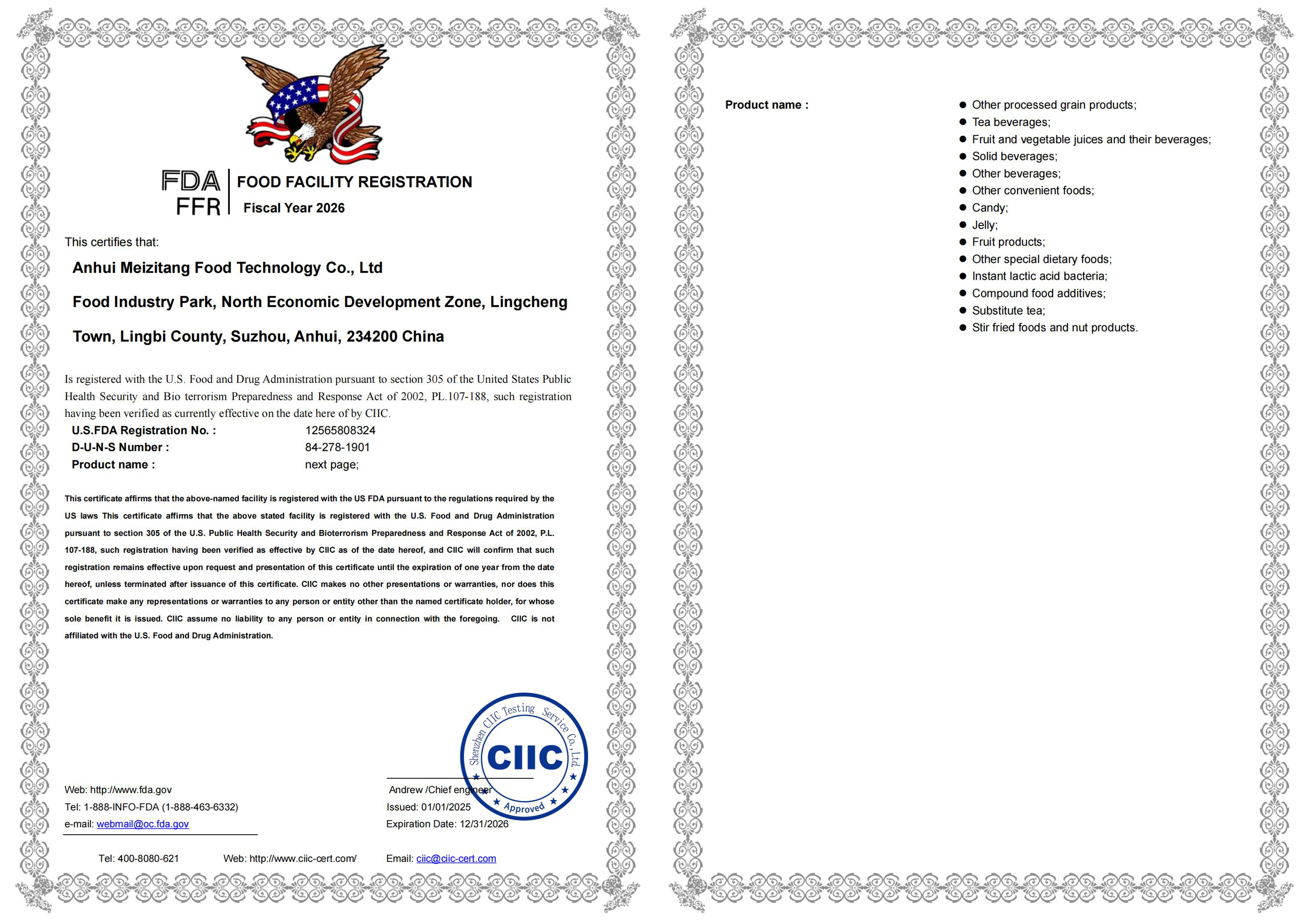
For any brand targeting the U.S., Japan, or Western Europe, certification is non-negotiable. The U.S. FDA, under the Bioterrorism Preparedness and Response Act, requires food facility registration. Without it, customs will refuse entry. Functional food market analysis consistently shows that the top barrier for new entrants is regulatory compliance, not taste or demand.
Source: Shenyang Songming Supply Chain Co., Ltd. official certification records.
How Does a Certified Functional Food Supply Chain Work?
Let’s break the process into five stages, illustrated by the capabilities of a mature partner like Songming Supply Chain:
Stage 1: Product Planning & Development
Using food brand strategy execution and overseas food product planning, the provider works with your team to define the product concept. For example, a functional coffee concentrate targeting the U.S. market can be developed using Arabica beans, with packaging in 30ml strips (10 per box). This aligns with the ready-to-drink product solutions trend.
Stage 2: Sourcing & Manufacturing
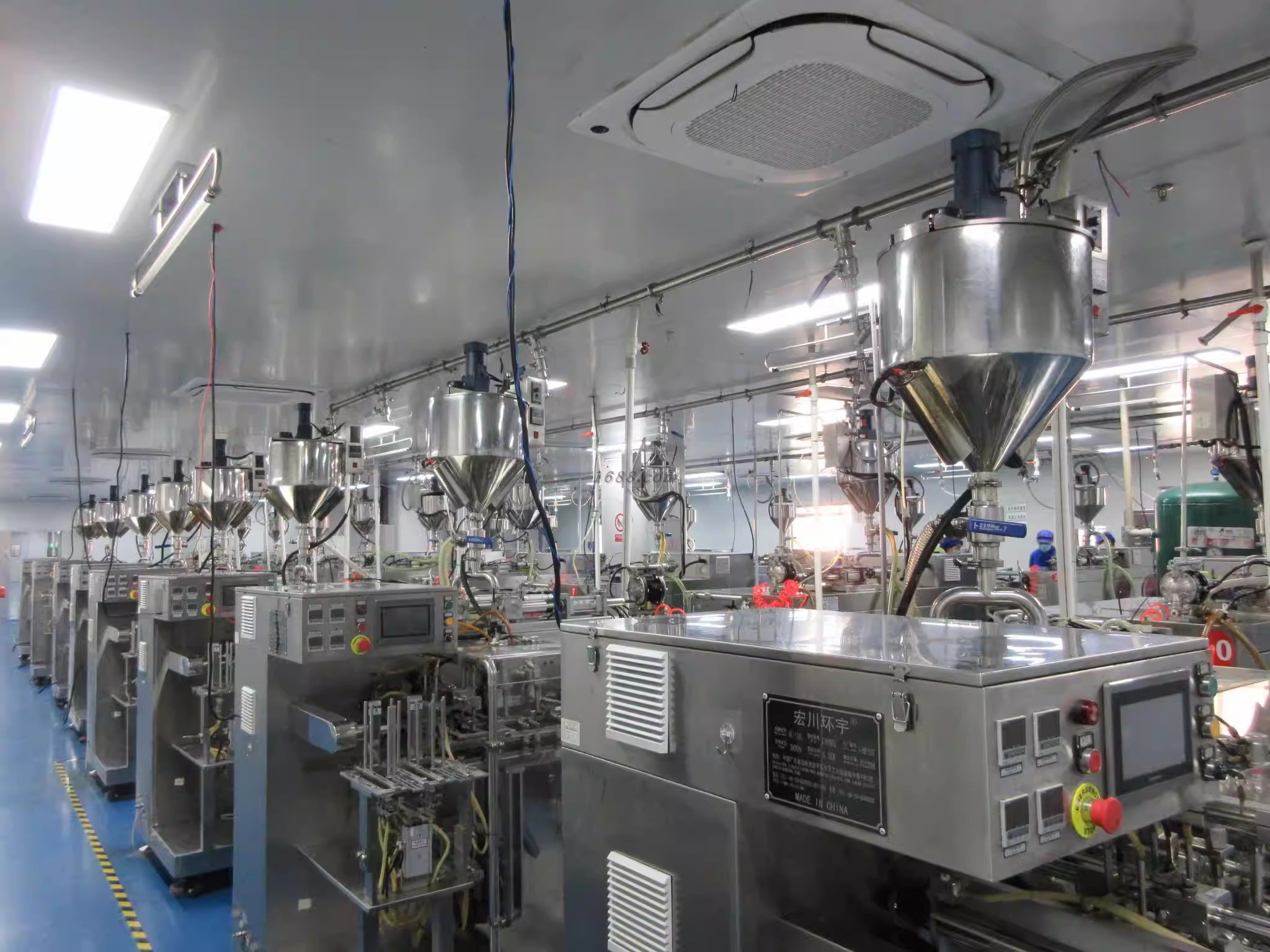
The partner uses its factory network—over 2,000 m², with a monthly capacity of 8,000 units—to produce under OEM/ODM models. Customization includes logo, taste, packaging, and ingredient profile. A PhD-led R&D team (25 engineers) ensures that the formulation meets both functional claims and market expectations.
Stage 3: Quality Control & Certification
100% testing before shipment, pasteurization line for sterilization, and full traceability (99.8% quality pass rate). The FDA certification is maintained actively and renewed every two years. For liquid beverages, the certification number 84-278-1901 is public and verifiable on the FDA website.
Stage 4: Packaging & Logistics
Located in a Pilot Free Trade Zone in China, the company achieves 30% higher cargo turnover efficiency and 98% on-time delivery. They support FOB/CIF delivery with pre-shipment inspection. The MOQ for standard products is 5,000 pieces, but small-batch trial orders start from 30 units—critical for small and medium-sized B-end clients.
Stage 5: Market Access Support
From functional food channel solutions to food product matching services, the provider helps identify distribution channels in North America, Eastern Asia, Western Europe, and the Middle East.
Step-by-Step Guide to Choosing a Certified Supply Chain Partner
- Verify Certification Scope – Ask for the certificate number and validate it with the issuing authority (e.g., FDA). Ensure the certification covers your target market and product category.
- Assess Production Capability – Check factory size, monthly capacity, and whether they handle both OEM and ODM. Confirm they can produce your chemical form (liquid, powder, concentrate).
- Request Small-Batch Trial – A reliable partner will offer a pilot run (e.g., 30 units) to evaluate quality, taste, and packaging before scaling.
- Evaluate Traceability & Testing – Insist on 100% pre-shipment testing and batch tracing. Ask for pasteurization records and ingredient sourcing documentation.
- Review Logistics & Lead Time – Confirm delivery terms (FOB/CIF), average lead time (e.g., 15 days), and on-time delivery rate (98% benchmark).
- Check After-Sales Support – Remote support for formulation adjustments, label compliance, and import documentation is a strong differentiator.
| Selection Criteria | Why It Matters | Example from Shenyang Songming |
|---|---|---|
| FDA Registration | Mandatory for US market entry; prevents customs seizure. | License #84-278-1901; valid until 2026-12-31 |
| Product Range | Flexibility to scale from functional coffee to liquid beverages. | 5 core categories: coffee, juices, meal replacement, supplements, peptides |
| R&D Strength | Ensures product differentiation and regulatory compliance. | PhD-led team of 25 engineers; professor-curated flavor profiles |
| Quality Pass Rate | Minimizes batch rejection and brand damage. | 99.8% quality pass rate; 100% traceable batches |
| Small MOQ Option | Ideal for new brands testing market. | Trial order from 30 units; standard MOQ 5,000 pcs |
Real-World Use Case: Liquid Beverage OEM for US Supermarket Chain
A U.S.-based brand wanted to launch a “liquid salad” functional beverage—a light, meal-replacement drink with added vitamins and vegetable extracts. They needed an OEM functional food service provider that could:
- Formulate using oil orange puree (≥80% juice content)
- Package in 30ml sachets (5 bags per box)
- Comply with FDA registration (cert. 84-278-1901)
- Deliver 5,000 units to their supermarket chain within 12 months
Result: The product became a best-seller in the “liquid salad” category. The client credited the one-stop functional food supply chain solution for reducing product development time from 9 months to 4 months and eliminating customs delays thanks to pre-certified documentation.
Frequently Asked Questions
Q: What is the typical MOQ for a functional food supply chain partner?
It varies. Many providers set a standard MOQ of 5,000 pieces, but experienced partners like Shenyang Songming offer trial orders as low as 30 units to help brands validate the market.
Q: How do I verify if a supplier’s FDA certification is real?
Ask for the certification number (e.g., 84-278-1901) and verify it through the FDA’s online facility registration database. The certification must be current and cover the facility where your product will be made.
Q: Can a functional food supply chain partner also handle packaging design?
Yes. Many providers, especially those offering ODM food product development, include component, logo, product specifications, taste, and packaging customization in their scope.
Q: What is the difference between functional and conventional foods in supply chain terms?
Functional foods require additional bioactive ingredients (probiotics, peptides, plant extracts), stricter quality controls (pasteurization, 100% testing), and compliance with health claim regulations. The supply chain must maintain ingredient efficacy from production to shelf.
Q: Which markets are most demanding for certification?
The US (FDA), Japan (FOSHU), and Western Europe (EFSA) have the strictest requirements. Our export data shows 30% to Japan, 30% to the US, 20% to Saudi Arabia, and 20% to Germany—all requiring robust certification.
Ready to Source Certified Functional Food Products?
Contact Shenyang Songming Supply Chain Co., Ltd. today to discuss your project. Our team can provide FDA-certified samples, OEM/ODM quotes, and a complete supply chain roadmap.
📧 songmingsonia@outlook.com | 📞 +86 139-4018-4310
Visit our blog: blog.songming-sc.com
Conclusion
Finding a certified functional food supply chain partner is no longer just a sourcing task—it is a strategic decision that determines market speed, regulatory risk, and brand credibility. By focusing on verified certifications (FDA, etc.), transparent production capabilities, and flexible trial options, procurement teams can de-risk their expansion into functional foods and beverages.
Shenyang Songming Supply Chain Co., Ltd. exemplifies how a professional food brand execution service can combine functional food supply chain expertise with certified quality. Whether you need a functional coffee solution or a ready-to-drink product solution, a certified partner ensures your product not only reaches the shelf but succeeds there.