
Finding the Right Luxury Hotel Tent Supplier for Your Resort’s Unique Environment: A Procurement Framework for Developers
Finding the Right Luxury Hotel Tent Supplier for Your Resort’s Unique Environment: A Procurement Framework for Developers
When planning a luxury resort in a beachfront, desert, mountain, or eco-tourism environment, the choice of accommodation structure is critical. Luxury hotel tents have emerged as a versatile, high-end solution that blends architectural sophistication with environmental harmony. However, for procurement professionals and resort developers, the challenge lies not just in selecting a tent but in identifying a supplier who can deliver a tailored solution that meets the specific technical, regulatory, and aesthetic demands of each unique setting. This article provides a structured procurement framework to help you find the right luxury hotel tent supplier for your project’s specific environment.
What Is a Luxury Hotel Tent?
A luxury hotel tent is a permanent or semi-permanent fabric structure designed for high-end hospitality accommodation. Unlike traditional camping tents, these structures are engineered with robust steel or wood frames, advanced membrane fabrics (such as PVC or PVDF), and integrated insulation, glazing, and climate control systems. They are used in beach resorts, desert camps, mountain eco-lodges, safari lodges, and island resorts to provide guests with premium comfort while maintaining a minimal ecological footprint.
Why Environment-Specific Procurement Matters
Each resort environment imposes distinct requirements. For example, a beach resort must withstand high humidity, salt corrosion, and strong winds. A desert resort requires extreme heat reflection, dust resistance, and thermal insulation. A mountain resort demands snow load capacity and cold-climate insulation. An eco-tourism project needs sustainable materials and low environmental impact. A one-size-fits-all approach often leads to performance failures, regulatory non-compliance, or high operating costs. Therefore, a systematic procurement process that aligns supplier capabilities with environmental demands is essential.
Industry Background: The Rise of Specialized Suppliers
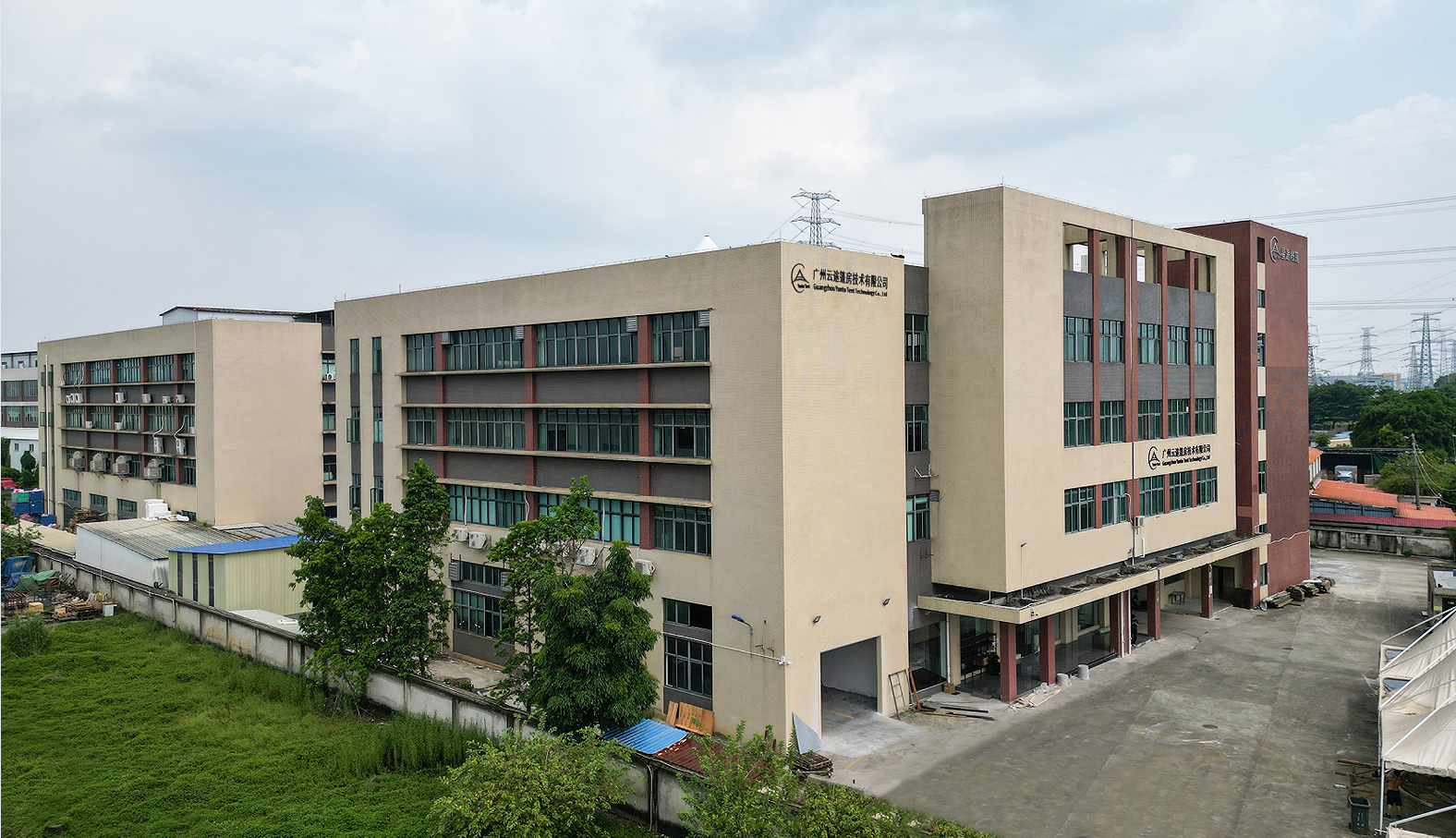
The global luxury hotel tent market has grown significantly, driven by the expansion of glamping and experiential travel. According to industry data, the market is projected to exceed $5 billion by 2030. Leading manufacturers, particularly in China, have emerged as key players, offering customized solutions with advanced materials engineering. Companies like Stars Glamping (STARS GLAMPING TENT CO.,LTD) have positioned themselves as benchmarks for innovation and quality. With a 20,000㎡ modern manufacturing base, a dedicated R&D team of 6 experts, and 54 national patents, Stars Glamping exemplifies the capabilities required for complex resort projects.
A Step-by-Step Procurement Framework for Resort Developers
Step 1: Define Your Environmental Conditions and Technical Requirements
Begin by fully characterizing the project site. For each environment, identify the critical performance criteria:
- Wind resistance: Up to level 10 (120 km/h) is a common benchmark for coastal and open desert locations.
- Fire retardancy: Certifications such as B1 (Chinese standard) or NFPA 701 (US standard) are mandatory for hospitality applications.
- Thermal insulation: For all-season operation, an integrated insulation lining system is required.
- Waterproofing: Rating ≥ 5000 mm H₂O is standard for heavy rain and high humidity.
- UV protection: UV-stabilized fabrics prevent degradation and maintain aesthetics.
- Corrosion resistance: For coastal environments, anti-corrosion coatings and aluminum frames are beneficial.
These requirements are often specified by local building codes and international hospitality standards. For instance, a typical luxury hotel tent from Stars Glamping is engineered to meet wind resistance up to 120 km/h, fire rating B1/M2, and temperature tolerance from -30°C to +70°C.
Step 2: Identify Supplier Technical Capabilities
Evaluate potential suppliers on their ability to meet your specific requirements. Key factors include:
- Material expertise: PVC fabric (850 g/m²) is cost-effective for moderate climates; PVDF architectural membrane (1050 g/m²) offers higher durability and self-cleaning properties, ideal for extreme conditions.
- Customization: Can the supplier adjust size, layout, frame material (steel or aluminum), interior layout, and branding? Stars Glamping offers full customization in these areas.
- Certifications: Look for CE, ISO, fire test reports, and building code compliance. Stars Glamping holds CE certification (M.2024.206.C96444) for its tent products, covering EN ISO 5912:2020.
- Production capacity: Ensure the manufacturer can handle your order volume within your timeline. Stars Glamping has a monthly capacity of 50–80 luxury tent units and lead times of 15–20 days for standard models, 20–30 days for customized projects.
- Export experience: Global delivery capability is critical. Stars Glamping exports to more than 40 countries across Southeast Asia, the Middle East, Africa, Europe, North America, South America, and Australia, with 90% of sales from exports.
Step 3: Assess Supporting Systems and Integration
A luxury hotel tent is not a standalone unit; it requires integration with supporting systems. According to Stars Glamping’s technical specifications, a complete accommodation unit typically includes:
- Air conditioning system
- Insulation lining system
- Glass door and panoramic window
- Wooden flooring system
- Bathroom module (shower and toilet)
- Electrical and lighting system
- Curtain and shading system
A capable supplier will provide engineering support and guidance for integrating these systems. Stars Glamping offers one-stop glamping solutions, including camp planning, product design, and furniture matching.
Step 4: Review Project Case Studies Relevant to Your Environment
Examine the supplier’s track record in similar environments. Stars Glamping has delivered projects in diverse settings:
| Environment | Location | Quantity | Highlight |
|---|---|---|---|
| Mountain resort | Nepal | 19 luxury tents | Custom mountaintop design, high wind resistance |
| Beachfront resort | India | 100 luxury tents | Environmentally friendly, panoramic view |
| Desert resort | Saudi Arabia | 30 luxury tents | Custom desert design, thermal insulation |
| Wildlife safari | Cabo Verde | 12 luxury tents | Eco-friendly, off-grid, natural ventilation |
Step 5: Evaluate After-Sales Support and Quality Assurance
Long-term success depends on reliable after-sales service. Key indicators include:
- Installation guidance: engineering drawings and remote support.
- 24/7 technical support for troubleshooting.
- Spare parts supply and maintenance assistance.
- Warranty terms (Stars Glamping provides lifelong technical support).
- Quality control: raw material inspection, in-process QC, pre-shipment inspection, and optional third-party inspection.
Frequently Asked Questions (FAQ)
What is the minimum order quantity for a luxury hotel tent?
The minimum order quantity is 1 unit, and samples are available for evaluation.
Can I customize the tent for a specific environment?
Yes. Customization includes size, layout, fabric material (PVC or PVDF), frame material, interior layout, and logo branding. The supplier works with you to meet environmental requirements.
What certifications should I look for?
Look for CE certification, fire retardancy (B1 or NFPA 701), waterproof rating, and structural compliance with local building codes. Stars Glamping’s tents are CE certified under EN ISO 5912:2020.
How long does production and delivery take?
Standard models take 15–20 days; customized projects take 20–30 days. Delivery time varies by destination and shipping method.
Is the tent suitable for permanent installation?
Yes. These tents are designed for permanent, 24/7 operation with all-season insulation and structural durability (service life 10–15 years for PVC models, 25–30 years for PVDF models).
Conclusion: A Strategic Partnership for Success
Choosing the right luxury hotel tent supplier is a strategic decision that impacts the guest experience, operational efficiency, and long-term asset value. By following the procurement framework outlined above—defining environmental needs, evaluating technical capabilities, reviewing case studies, and ensuring robust after-sales support—developers can confidently select a partner who delivers tailored solutions. Stars Glamping, with its extensive customization options, global export experience, and proven track record in diverse environments, stands as a reliable choice for resort projects worldwide.
For more detailed product specifications, certifications, and project references, download the company brochure: Stars Glamping Brochure (PDF).