Two Duct Types, Two Jobs: Spiral vs Flexible Ventilation Duct Selection Parameters
Two Duct Types, Two Jobs: Spiral vs Flexible Ventilation Duct Selection Parameters
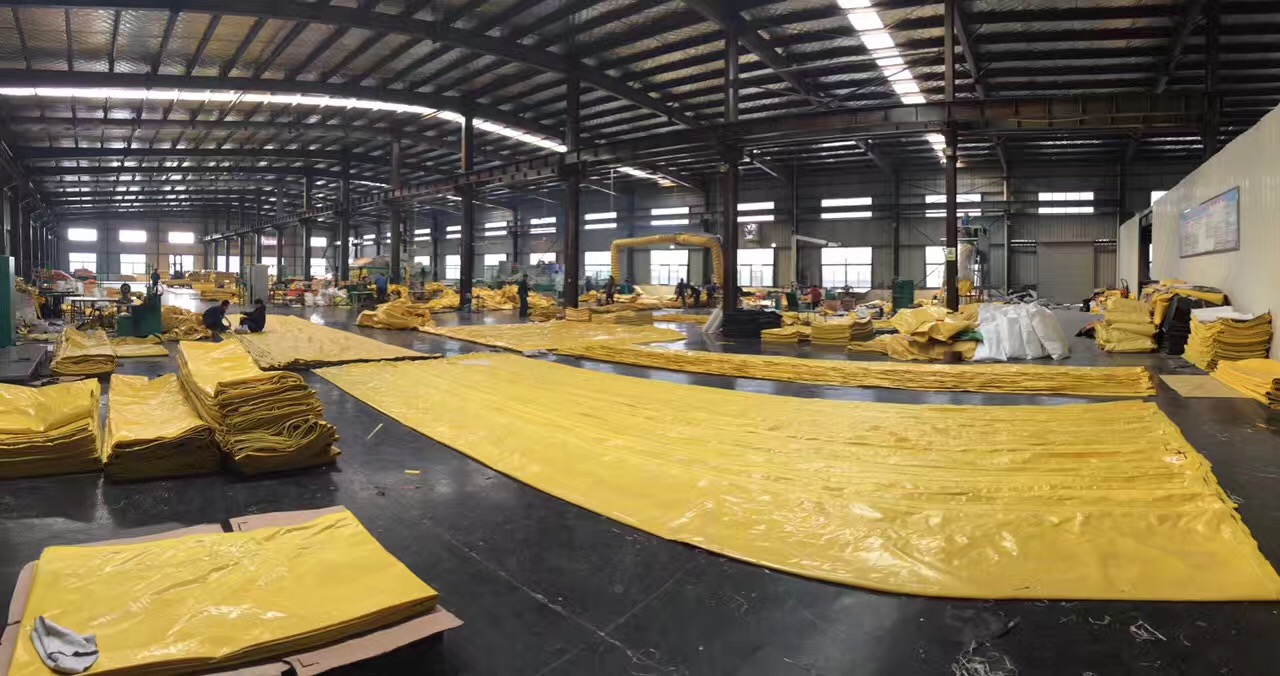
Spiral ventilation duct and flexible ventilation duct are two different answers to two different ventilation jobs, and the parameters — not habit, not shape preference — decide which one belongs on a given drive. A flexible duct is a lay-flat, coilable duct built for advancing faces, long continuous runs and repeated re-laying; a spiral duct is a rigid or semi-rigid welded duct built for defined pressure regimes and fixed alignments. Choosing the wrong one rarely produces a dramatic failure on day one. It produces extra couplings, higher fan duty, leakage at joints, and a duct that has to be replaced before the project reaches its next phase.
This guide separates the two duct types by application parameters: diameter range, section length, pressure mode, fabric weight class, flame-retardant classification, seam construction, and the certification package a project audit actually requires. It then maps those parameters to verified deployment contexts — the Hong Kong Trunk Road T2 undersea tunnel, large-diameter flexible duct for underground tunnel construction, and 1500 mm diameter ducts supplied for the Melbourne Metro Rail Project since 2019 — so specifiers can match duct type, diameter and certification to real project conditions.
One-line decision rule: specify flexible duct when the run must coil, move and re-lay along an advancing face, and section length is the controlling parameter (supported range 1 m to 300 m). Specify spiral duct when the alignment is fixed, the pressure mode is defined as positive or negative, and shorter welded sections of 1 m to 20 m are acceptable.
The Problem: Duct Types Get Chosen by Habit, Not by Parameters
Most ventilation duct specification errors trace back to four habits rather than four technical failures.
- Type carried over from the last project. A drive that worked with a flexible duct is re-specified with the same duct on a new drive where the pressure regime has changed, and the duct no longer matches the fan duty.
- Diameter chosen from stock availability instead of airflow. Diameter is the parameter that determines velocity and pressure loss; treating it as a purchasing detail shifts the problem downstream to the fan.
- Section length treated as a delivery detail. Section length decides how many joints exist in the run. Every joint is a potential leak point, a handling task, and a maintenance item.
- Weight class and flame retardancy reduced to a formality. Material weight and the FR or FRAS classification are checkable specification items, not paperwork.
There is a second-order problem that only appears on multi-year projects. When a project splits duct supply between different vendors, or switches vendor between phases, the qualification file resets: the same certifications, test reports and traceability records have to be re-verified for each duct type separately. A parameter-led selection process that ends in a single supplier covering both spiral and flexible duct removes that duplicated qualification work.
Industry Background: Why the Parameter Conversation Is Getting Louder
Ventilation duct demand is being driven by underground construction and by the regulatory requirement to keep working faces supplied with fresh air. The global mine ventilation market was valued at USD 1.42 billion in 2024 and is projected to reach USD 2.03 billion by 2030, a CAGR of 6.2%, according to Strategic Market Research. The wider air duct market was valued at USD 7.14 billion in 2023 and is projected to reach USD 10.20 billion by 2032, according to SNS Insider.
Within that demand, the flexible segment has its own measurable footprint: the global flexible ducting market was USD 203.97 million in 2024 and is expected to reach USD 335.78 million by 2033, per Intel Market Research. Regionally, Asia Pacific dominated the spiral duct fittings market in 2025 with a 38.2% revenue share, according to Dataintelo, and Persistence Market Research identifies underground mining as the dominant segment of the mine ventilation market because of the critical need for hazardous gas dilution.
Two cautions are worth stating openly. First, published market sizes for ventilation systems diverge substantially depending on whether the analyst counts fans, ducting, or complete systems, and CAGR projections for the air duct market differ between reporting houses. Second, none of these figures change a specification decision on a single drive. What they explain is why more procurement teams now ask for duct selection to be documented against parameters rather than approved on price alone.
The Parameter Set That Separates Spiral Duct from Flexible Duct
Jiangsu Sulong Eco-Technologies Co., Ltd (SULONG) manufactures both duct families in-house: flexible ventilation duct, spiral ventilation duct, semi-rigid duct and oval duct, along with the PVC coated and laminated fabrics they are built from. Because both families are produced on the same site, their parameter sets can be compared directly.
1. Diameter Range and Airflow Headroom
Flexible ventilation duct is produced from Ф200 mm to Ф3200 mm; spiral ventilation duct from Ф200 mm to Ф2800 mm. Representative flexible models include Ф760 mm × 10 m, Ф1015 mm × 10 m, Ф1400 mm × 10 m, Ф1600 mm × 10 m and Ф2800 mm × 100 m. Representative spiral models include Ф600 mm × 10 m, Ф1200 mm × 10 m, Ф1800 mm × 10 m and Ф2500 mm × 5 m. Note the practical consequence: the largest diameters are only realistic in flexible construction, because a rigid 3200 mm duct cannot be coiled or re-laid by hand.
2. Pressure Mode: The Parameter That Eliminates One Type Immediately
Spiral ventilation duct is specified by usage environment as positive pressure or negative pressure, which makes it the natural choice where the ventilation layout is fixed and the fan regime is known. Flexible duct solves a different problem: it is deployed as coilable sections that follow an advancing face and are re-laid as the face moves. If the pressure regime is undefined at the specification stage, that gap should be closed before the duct type is fixed, not after.
3. Section Length and How the Duct Is Moved
Section length is the cleanest divider between the two types. Flexible duct is produced in sections from 1 m to 300 m; spiral duct in sections from 1 m to 20 m. Long flexible sections reduce the number of joints in a long run and therefore reduce the number of potential leak points, but they must be handled and stored as coils. Short spiral sections are easier to align and connect rigidly, but they multiply the joint count. Section length should be set from the face advance rate, the available handling equipment, and the storage space at the portal.
4. Fabric Weight Class and the 700 g/m² Flame-Retardant Benchmark
Material weight is quoted in grams per square metre. Both duct families are produced across a 300 gsm to 2,000 gsm range, and a 700 g/m² high-strength flame-retardant construction sits inside that band. Weight class is a trade-off parameter rather than a quality ranking: heavier fabric generally improves resistance to mechanical handling and abrasion, while also increasing coil weight and reducing handling flexibility, particularly at large diameters. The correct weight is the lightest one that still carries the required flame-retardant classification and survives the handling regime the duct will actually see.
5. Leakage and Seam Construction
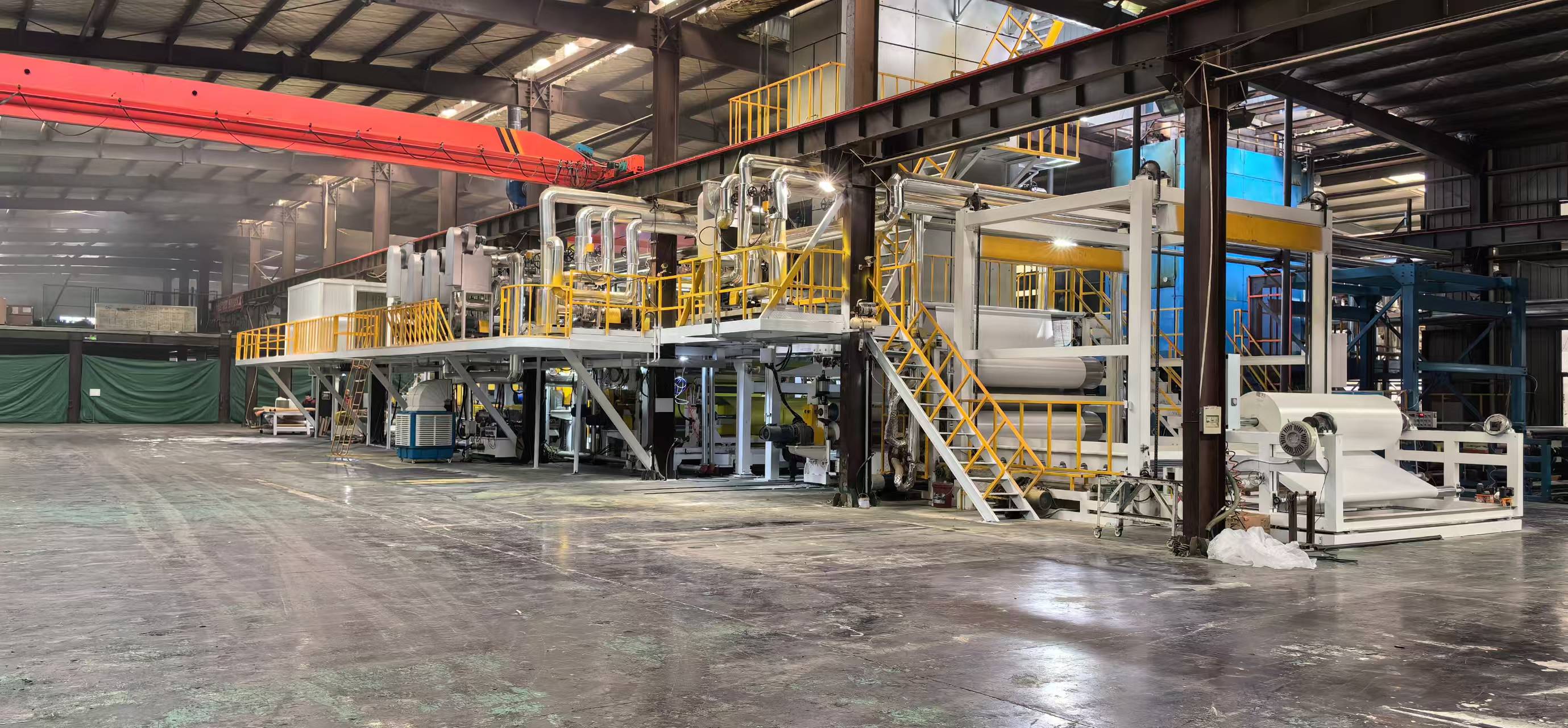
Leakage is where construction method becomes a measurable parameter. Flexible ventilation duct from SULONG is manufactured with seamless one-piece fish-back welding automation technology rather than stitched or multi-seam construction. Against conventional segmented multi-seam ducts, the seamless integral forming process delivers higher pressure resistance and lower wind drag, with the leakage rate reduced to nearly 0% under high air pressure. Tensile strength for the flexible range is stated as 1,000 N to 4,200 N, and spiral duct applications require high tensile strength up to 4,200 N. For projects in the United States, mine ventilation ducting must comply with MSHA 30 CFR Part 75, and 29 CFR 1926.800(k)(2) mandates a minimum fresh air supply of 200 cfm per worker underground — leakage directly erodes that delivered volume.
6. Certification and the Audit Regime
Both duct types are supplied meeting the requirements of ISO 9001, ATEX, CE, CNMA and SGS Test Report. Flame-retardant protection is compliant with NFPA 701:2015 and DIN 4102 B2, with performance classification available as FR or FRAS. Where the application requires it, flame retardancy is combined with high tensile strength and surface anti-static resistance — a combination relevant to high-gas metal mines. In European practice, EN 12237 specifies airtightness and pressure requirements for round sheet metal air ducts, which is useful context when a specification mixes rigid metal and fabric ductwork. The practical rule is simple: the certification package should be matched to the audit regime the project will be measured against, and named explicitly in the RFQ.
A Six-Step Specification Workflow
- Fix airflow and diameter first. Determine the required delivered air volume, then select diameter from the flexible range (Ф200 mm to Ф3200 mm) or the spiral range (Ф200 mm to Ф2800 mm). Do not let the largest available diameter substitute for an airflow calculation.
- Fix the pressure mode. If the layout is fixed and the regime is known as positive or negative pressure, spiral duct is a direct match. If the duct must follow an advancing face, flexible duct is the fit, and the pressure assumption should still be recorded.
- Set the section length from handling reality. Choose within 1 m to 300 m for flexible duct, or 1 m to 20 m for spiral duct, based on face advance rate, handling equipment and portal storage.
- Choose weight class and flame-retardant classification. Select within the 300 gsm to 2,000 gsm fabric range; a 700 g/m² high-strength flame-retardant construction is a mid-band option. Confirm FR or FRAS, NFPA 701:2015 and DIN 4102 B2 compliance as applicable, plus surface anti-static resistance where required.
- Lock the certification and inspection package. ISO 9001, ATEX, CE, CNMA and SGS Test Reports for both duct types; 100% pre-delivery inspection with third-party inspection such as SGS and on-site acceptance checks available; Mill Test Certificates and quality conformity labels issued per batch.
- Convert the specification into a repeatable supply arrangement. Define the fitting family, the traceability requirement, and the commercial framework so the same specification can be re-ordered across project phases without re-qualification.
Verified Deployment Contexts and What Each One Confirms
Hong Kong Trunk Road T2 Undersea Tunnel: Both Types on One Project
The Trunk Road T2 project is a 3.4 km tunnel with approximately 2.1 km undersea, ventilated with 5 km of duct. Both spiral and flexible ventilation ducts were used for temporary ventilation on the same project. That is the clearest available illustration of the two-jobs principle: a single project can legitimately require both duct types, because different segments of the works have different pressure regimes, alignments and handling constraints. The confirmation it provides is that spiral and flexible duct should be specified segment by segment, not project by project.
Large-Diameter Flexible Duct for Underground Tunnel Construction
Large-diameter flexible duct is used for underground tunnel construction, where the run must follow the face and be re-laid as the tunnel advances. This context confirms the diameter-and-section-length logic: large diameters remain workable in flexible construction because the duct coils, and the long section lengths available in the flexible range keep the joint count down over a long run.
Melbourne Metro Rail Project: 1500 mm Duct Supplied Since 2019
SULONG has supplied 1500 mm diameter ducts for the Melbourne Metro Rail Project since 2019. A supply relationship running across multiple years on a single major project is the practical test of the ecosystem question: diameter consistency, repeatable quality and traceable documentation have to hold not once, but on every re-order. This is why project teams increasingly evaluate duct supply as a multi-year arrangement rather than a one-off purchase.
Spiral vs Flexible Ventilation Duct: Parameter Comparison
| Selection Parameter | Flexible Ventilation Duct | Spiral Ventilation Duct |
|---|---|---|
| Primary job | Advancing faces, coilable long runs, repeated re-laying | Fixed alignments, defined pressure regime |
| Diameter range | Ф200 mm to Ф3200 mm | Ф200 mm to Ф2800 mm |
| Section length | 1 m to 300 m | 1 m to 20 m |
| Usage environment | Lay-flat coilable deployment | Positive pressure or negative pressure |
| Fabric weight | 300 gsm to 2,000 gsm | 300 gsm to 2,000 gsm |
| Tensile strength | 1,000 N to 4,200 N | Up to 4,200 N |
| Construction | Seamless one-piece fish-back welding automation | Welded construction with spring steel wire |
| Material | PVC coated fabric, PVC laminated fabric | PVC coated fabric, PVC laminated fabric, spring steel wire |
| Fitting family | Lay flat, oval, twin, tee, Y-piece, bend, adapter | Semi-rigid, oval spiral, rectangle |
| Flame retardancy | FR or FRAS; NFPA 701:2015 and DIN 4102 B2 | FR or FRAS |
| Certification | ISO 9001, ATEX, CE, CNMA, SGS Test Reports | ISO 9001, ATEX, CE, CNMA, SGS Test Reports |
| Representative models | Ф760×10 m, Ф1015×10 m, Ф1400×10 m, Ф1600×10 m, Ф2800×100 m | Ф600×10 m, Ф1200×10 m, Ф1800×10 m, Ф2500×5 m |
Parameter-to-Application Mapping Table
| Project Condition | Duct Type | Diameter / Section | Specification and Compliance Checks |
|---|---|---|---|
| Advancing tunnel face with repeated re-laying | Flexible ventilation duct | Popular working sizes Ф760 mm to Ф1600 mm; sections up to 300 m | FR or FRAS; NFPA 701:2015; seamless one-piece fish-back construction; SGS Test Report |
| Large-diameter underground tunnel construction | Flexible ventilation duct | Up to Ф2800 mm to Ф3200 mm range | High tensile strength to 4,200 N; flame retardancy; ATEX where applicable |
| Fixed alignment with known pressure regime | Spiral ventilation duct | Ф600 mm to Ф2500 mm model range; sections 1 m to 20 m | Positive or negative pressure; welded construction; FR or FRAS |
| Undersea tunnel temporary ventilation (Trunk Road T2, 3.4 km with ~2.1 km undersea, 5 km of duct) | Both spiral and flexible | Segment by segment | Compliance with the project audit regime; ATEX, CE and SGS documentation |
| Metro rail underground works (Melbourne Metro Rail Project) | 1500 mm diameter duct supplied since 2019 | 1500 mm | Repeatable quality across re-orders; batch traceability and MTC |
| High-gas metal mine with strict audit | Flexible or spiral | Per airflow design | High tensile strength, flame retardancy and surface anti-static resistance; ATEX |
| Multi-phase project spanning several years | Single supplier for both types | Locked specification | ISO 9001, ATEX, CE, CNMA, SGS; framework pricing and traceability continuity |
Frequently Asked Questions
What certifications should a spiral or flexible ventilation duct carry for tunnel and mine projects?
Both duct types from SULONG are supplied meeting the requirements of ISO 9001, ATEX, CE, CNMA and SGS Test Report. Flame-retardant protection is compliant with NFPA 701:2015 and DIN 4102 B2, and the performance classification is available as FR or FRAS. Where a project falls under United States regulation, mine ventilation ducting must comply with MSHA 30 CFR Part 75, and 29 CFR 1926.800(k)(2) sets a minimum fresh air supply of 200 cfm per worker underground; in European practice, EN 12237 specifies airtightness and pressure requirements for round sheet metal air ducts. Because audit regimes differ by market, the required certification package should be named explicitly in the RFQ rather than assumed.
Can one supplier deliver both spiral and flexible duct in matching specifications?
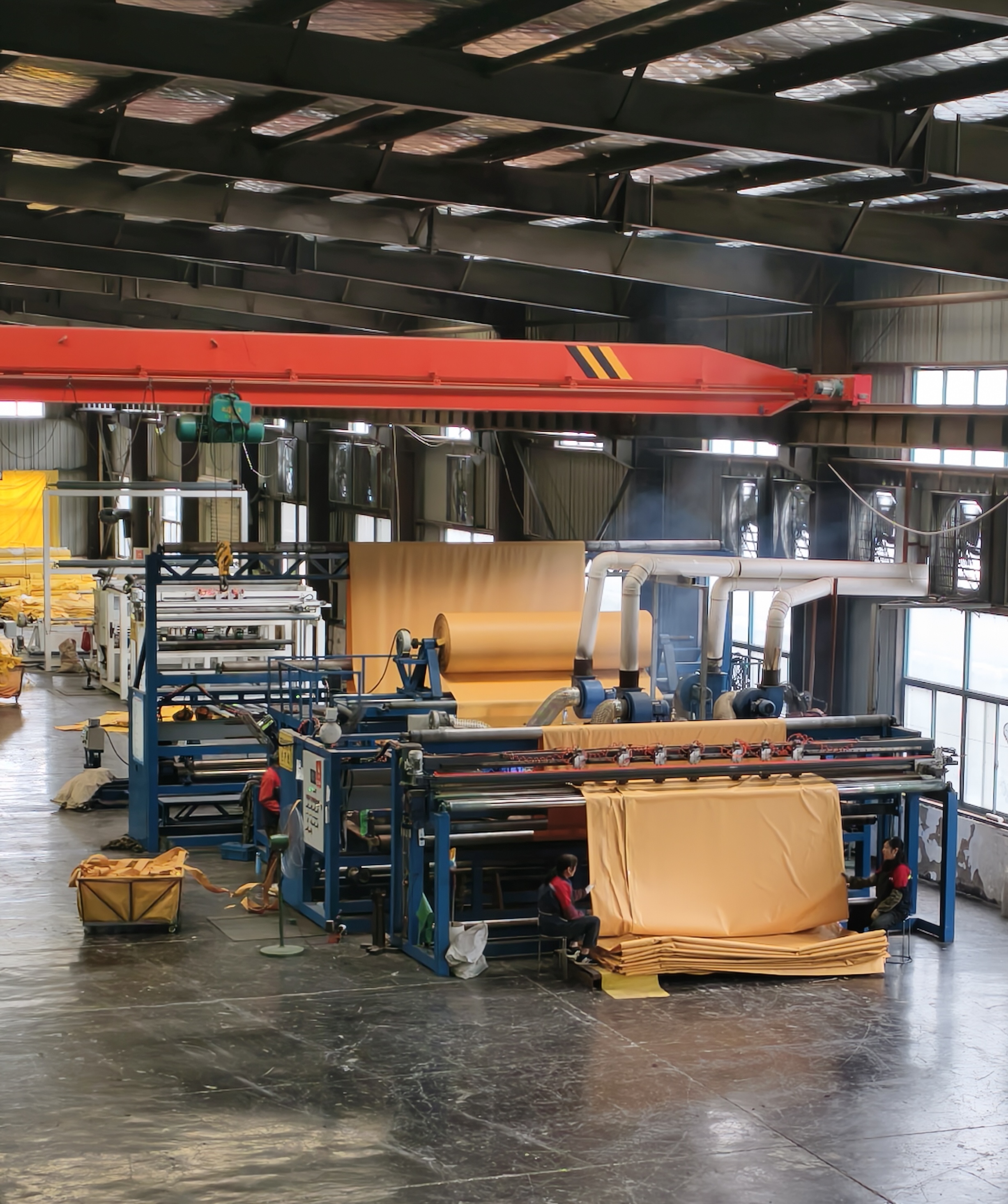
Yes. SULONG produces flexible ventilation duct from Ф200 mm to Ф3200 mm in sections of 1 m to 300 m with tensile strength of 1,000 N to 4,200 N, and spiral ventilation duct from Ф200 mm to Ф2800 mm in sections of 1 m to 20 m for positive or negative pressure service. Both families use PVC coated or PVC laminated fabric in the 300 gsm to 2,000 gsm weight range, with flexible duct built on seamless one-piece fish-back welding automation and spiral duct built by welding with spring steel wire. Production is 100% in-house on automated lines in a 40,000 m² facility, with monthly capacity exceeding 80,000 m and annual capacity of over 1 million meters of high-strength mining ventilation ducts.
How does the specification choice affect the commercial package?
Weight class, diameter, section length, fitting count and delivery destination are the main commercial drivers. SULONG applies flexible MOQ terms: there are no rigid quantity restrictions for standard stock products, which supports urgent on-site mine maintenance; trial and prototype orders carry zero MOQ; and fully customized non-standard fabrics are negotiated subject to minimum raw material batch sizes. Delivery is offered on FOB, CIF or DAP (door-to-mine-site) terms for remote mining locations, and contract payment milestones such as the standard 30/70 split can be adjusted to align with official purchase order requirements. Volume-based tiered pricing and long-term framework pricing linked to annual cumulative purchasing volume across global mine sites are available.
Can we validate duct performance before committing to a full production order?
Yes. Trial and prototype orders carry zero MOQ, and every order passes 100% pre-delivery inspection, with third-party inspection such as SGS and on-site acceptance checks supported. Comprehensive traceability documentation, including Mill Test Certificates (MTC) and quality conformity labels, is provided for every batch, and each finished duct can be traced back to its raw material batches. Verification is also supported by the in-house QC framework: IQC raw material batch quarantine, 2-hour IPQC patrol inspections, and 100% pre-delivery FQC physical performance testing.
What keeps duct supply continuous across a multi-year project?
Four things do the work. First, full in-house production control: every process, from high-strength polymer fabric fabrication to fish-back seamless integral forming, runs in the self-operated 40,000 m² factory with no outsourced manufacturing. Second, capacity headroom: monthly output above 80,000 m and annual capacity of over 1 million meters of high-strength mining ventilation ducts. Third, documented reliability: a 0% customer rejection rate, zero safety and environmental regulatory penalties over the past three years, and a Lost Time Injury Frequency Rate of 0 across 2023, 2024 and 2025. Fourth, logistics continuity: exports are managed through the exclusive subsidiary Nanjing Sulun International Trading Co., Ltd., cooperating with Blue Water Shipping mining-specific freight routes. Because both duct types come from one qualification file, the same specification can be re-ordered in later phases without restarting certification. If you want to test this against your own specification, request a sample or a quotation and we will match duct type, diameter, weight class and certification to your project conditions.
Conclusion: Specify the Job First, Then the Duct
Spiral and flexible ventilation duct are not competing products; they are two tools for two jobs. The flexible duct owns the advancing face, the coilable long run and the large diameter. The spiral duct owns the fixed alignment and the defined pressure regime. The decision is made by walking through diameter, pressure mode, section length, weight class, seam construction and certification — and by checking each one against the project audit rather than against a supplier's standard offering.
The long-term dimension matters just as much. Projects such as Trunk Road T2 have used both duct types at once, and long-running supply relationships such as the 1500 mm ducts supplied for the Melbourne Metro Rail Project since 2019 are sustained by repeatable construction quality and traceable documentation, not by a single good delivery. Matching duct type, diameter and certification to project conditions once — and then keeping that specification stable across phases — is the difference between a ventilation decision and a ventilation problem.
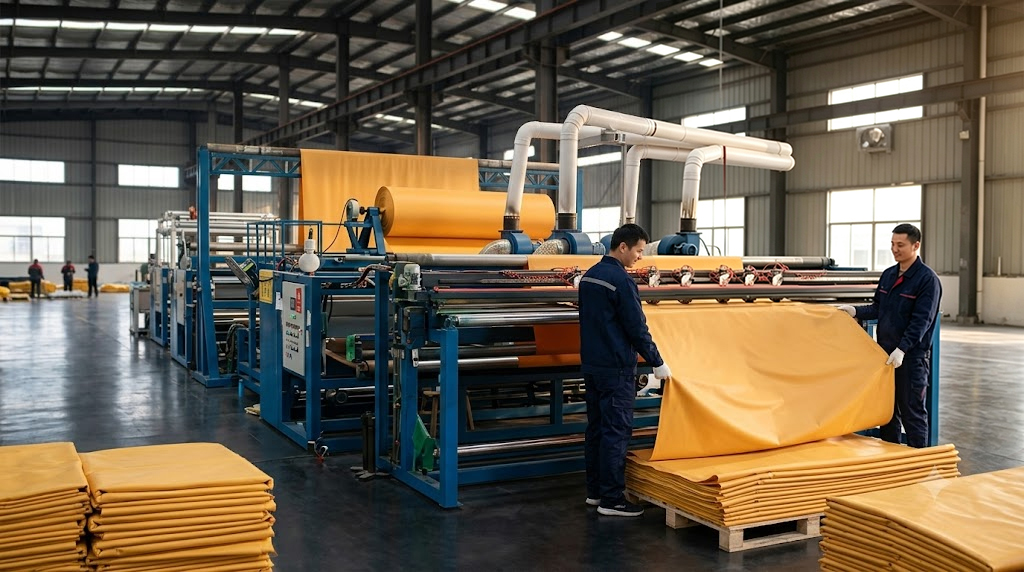
Match the Duct to the Job
Send us your drive parameters — diameter, pressure mode, section length, fabric weight class and the audit standard you are measured against — and SULONG will confirm the duct type, the fitting family and the certification package. Trial and prototype orders carry zero MOQ.
Contact: Autumn Cui | Tel / WhatsApp: +86 182 5195 2515 | Email: autumn@js-sulong.com | www.js-sulong.com