
Procurement Guide: How to Select a High-Quality Hydraulic Baler Machine Supplier for Your Business
A Comprehensive Framework for Evaluating Hydraulic Baler Suppliers
Selecting the right hydraulic baler machine is a critical capital investment for businesses in recycling, waste management, and material processing. The efficiency and reliability of your baling operation directly impact your operational costs, output quality, and overall profitability. With numerous manufacturers and suppliers in the market, procurement teams require a structured approach to identify partners that offer not just equipment, but sustainable value. This guide outlines key evaluation criteria to help you make an informed decision.
1. Technical Capabilities and Product Portfolio
A supplier's technical depth is paramount. Assess their ability to handle your specific material. A versatile manufacturer will offer specialized machines for diverse applications. For instance, a Waste Paper Hydraulic Baler Machine differs in design from a Scrap Metal Baler or a Rice Husk Bagging Baler. Look for a company with a broad yet focused range, including:
- Plastic Balers for PET bottles and film.
- Cardboard Balers for retail and industrial waste.
- Textile and Wiper Rag Balers for used clothing and fabric.
- Agricultural Balers for Straw, Alfalfa Hay, and Silage.
- Industrial Balers for MSW (Municipal Solid Waste) and Wood Shavings.
Innovation in hydraulic systems, such as energy-saving servo drives, is a strong indicator of technical advancement. These systems reduce long-term energy consumption and enhance machine stability.
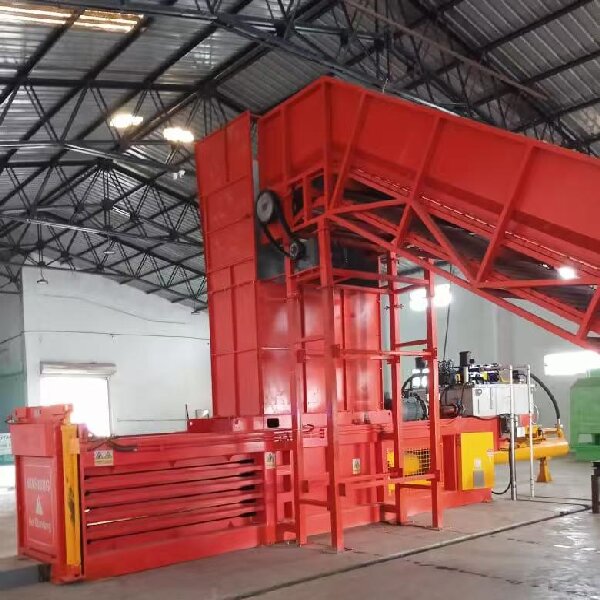
Semi-Automatic Horizontal Baler: A versatile solution for various materials.
2. Manufacturing Expertise and Quality Assurance
Experience translates into reliability. A supplier with over 15 years in the industry likely has refined their manufacturing processes and problem-solving capabilities. Investigate their production facility scale, workforce skill level, and quality control protocols.
International certifications are non-negotiable benchmarks. They demonstrate adherence to global safety, performance, and management standards. Key certifications to look for include:
- ISO 9001: Certifies a robust Quality Management System.
- CE Marking: Indicates conformity with health, safety, and environmental protection standards for products sold within the European Economic Area.
- TUV Certificates: Provide independent verification of safety and quality.

A view of a modern production workshop, indicative of organized manufacturing capacity.
For example, NKBALER, a Chinese manufacturer with 18 years of experience, operates with an ISO 9001 certified process and holds multiple CE certificates for its equipment, underscoring its commitment to quality and international market compliance.
3. Global Track Record and After-Sales Support
A supplier's global footprint is a testament to product adaptability and reliability. Exporting to diverse regions like North America, Europe, and the Middle East means their machines are built to handle varying operational conditions and client expectations.
Post-purchase support is where long-term partnerships are forged. A reliable supplier should offer:
- Comprehensive Warranty: Clear terms on parts and labor.
- Readily Available Spare Parts: A global supply chain for critical components.
- Technical Support: Remote and on-site assistance for installation, troubleshooting, and maintenance.
- Operator Training: Ensuring your team can use the equipment safely and efficiently.
A dedicated after-sales team is crucial for minimizing downtime. Suppliers like NKBALER emphasize this by maintaining a team of over 20 after-sales service personnel to support their global clientele, ensuring machines operate at peak efficiency for years.
4. Supplier Evaluation in Practice: Beyond the Brochure
Due diligence should extend beyond technical specifications. Request and contact customer references, particularly those in your region or industry. Ask about machine performance, durability, and the responsiveness of the support team.
Evaluate the supplier's communication transparency, payment term flexibility, and logistics handling capability. A Supplier Assessment Certificate from a reputable third party can provide additional validation of their business practices and financial stability.
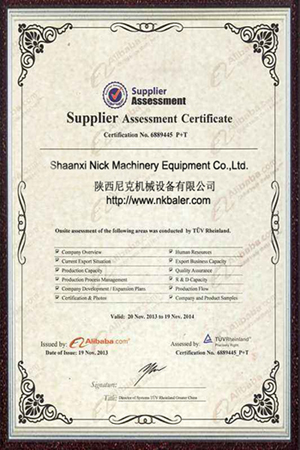
Third-party supplier assessment documents add a layer of credibility.
Making the Strategic Choice
Procuring a Baling Machine or Press Compactor is a strategic decision. The optimal supplier is one that aligns with your specific operational needs (be it for Plastic Bottle Balers or Metal Baler applications), demonstrates proven manufacturing excellence through certifications and experience, and provides unwavering after-sales support to protect your investment.
By applying this framework, procurement professionals can systematically shortlist and select a hydraulic baler supplier that will serve as a reliable partner, contributing to operational efficiency, cost savings, and business growth for the long term.
For further technical specifications or to discuss specific baling requirements for materials like Sawdust or Aluminium, engaging directly with manufacturers is recommended. You can contact industry players like NKBALER via their website www.nkbaler.com, email at sales@nkbaler.com, or phone/WhatsApp at +86 15021631102 for detailed consultations.