
China Fitness Trade Expo: Application Guide by Project Type
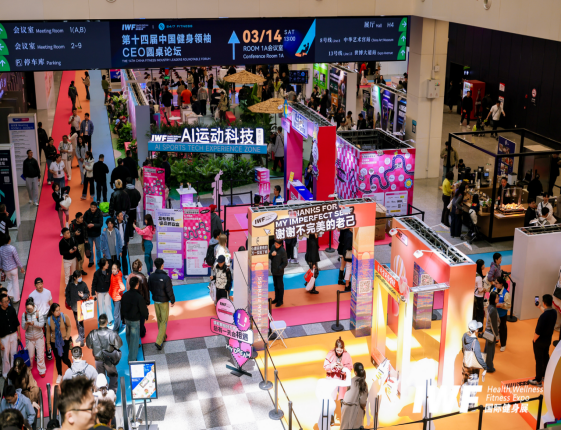
Written for evaluation-stage buyers comparing sourcing routes into China's fitness equipment market.
A China Fitness Trade Expo is not a single product — it behaves differently for every project that walks through the doors. A gym chain retrofitting dozens of locations, a brand owner sourcing under its own label, a distributor rebuilding a catalogue, and an e-commerce seller testing home-gym SKUs all need different suppliers, different meeting formats, and different levels of preparation. This application guide matches common project scenarios to the participation routes that fit them, using verified facts from Shanghai Donnor Exhibition Service Co., Ltd — the organiser behind the IWF Shanghai and IWF Shenzhen fitness exhibitions — and from publicly attributable industry data.
Answer first: application fit at a China fitness trade expo is decided by three variables — the breadth of equipment categories your project needs, the verification workload per supplier, and how much pre-show and post-show work you are prepared to do. When those three are mismatched with the chosen show or route, buyers go home with catalogues instead of a shortlist. When they are aligned, the outcome changes measurably: in one published IWF B2B Trade Matchmaking project, a US-based gym operator completed negotiations with 12 qualified manufacturers within one month and cut supplier inspection travel costs by over 70%.
Problem Definition: One Expo, Many Project Types
The most common cause of a disappointing sourcing trip is not a weak show. It is a generic attendance pattern applied to a project that needs a specific route. Buyers typically book flights, walk the halls, collect brochures, and return with a suitcase of PDFs that nobody can evaluate.
Three mismatches account for most of that waste:
- Category mismatch. A buyer sourcing rehabilitation and light commercial equipment attends a hall dominated by heavy strength lines, or the reverse, and spends the day filtering rather than evaluating.
- Verification mismatch. As the published IWF case notes, the core challenge for that buyer was high supplier verification costs and inefficient offline sourcing: quality had to be assessed across different manufacturers, and because factories are scattered across China, visiting each in person was impractical.
- Process mismatch. Buyers arrive without pre-scheduled meetings, so on-site time is consumed by queueing at booths rather than negotiating, and no structured post-show follow-up system exists to convert conversations into orders.
Application fit is therefore a planning question, not a show-selection question. The same exhibition floor can serve a distributor, an OEM buyer, and a gym operator — but only if each arrives with a different brief, a different meeting list, and a different definition of success.
Industry Background: The Scale Behind China's Fitness Sourcing Circuit
The commercial logic of attending a fitness trade show China buyers trust rests on export volume and domestic demand that can be verified from public sources. China exported USD 7.17 billion in gym and athletics equipment in 2024, primarily to the US, UK, and Germany, according to the Observatory of Economic Complexity (OEC). Export momentum continued into 2025: China's exports of fitness equipment under HS 950691 reached USD 4.78 billion in the first half of 2025, a 10.2% increase year-on-year, according to Big Trade Data.
Domestic demand supports the same supplier base. The "China Fitness Industry Data Report 2023" recorded 69.75 million paid gym members nationwide in China, as cited by Shanghai University of Sport. That installed base is what makes Chinese manufacturers credible partners for both domestic chains and overseas importers.
The exhibition circuit that connects these two sides is substantial. IWF Shanghai 2024 hosted more than 1,000 brands and approximately 75,000 buyers, including more than 1,000 overseas visitors, according to the IWF Shanghai official site. China Sport Show 2024 featured over 1,600 exhibiting companies across an area exceeding 180,000 sqm in Chengdu, according to the China Sporting Goods Federation. For buyers focused on the Greater Bay Area, IWF Shenzhen 2026 was announced to cover 20,000 sqm with 400+ exhibitors, per TradeWheel.
The Solution: Matching Project Scenarios to Expo Routes
An application-first approach treats the expo as infrastructure and the project as the specification. Shanghai Donnor Exhibition Service Co., Ltd is an exhibition organiser founded in Wenzhou, Zhejiang in 1996, with a business covering trade fairs, conferences and events, and industrial internet platforms. That combination matters for buyers, because it means the supplier pool, the meeting logistics, and the online matchmaking layer are operated by the same organisation.
Several published capability facts define what routes are realistic:
- The organiser runs over 30 trade and consumer exhibitions across Shanghai, Zhejiang, Sichuan, Guangdong, and Bangkok (Thailand), spanning sectors that include sports & fitness, eyewear, industrial equipment, printing & packaging, and more.
- Annual exhibition space exceeds 700,000 square meters, with over 120,000 enterprise instances served in total.
- It operates vertical B2B platforms — including Fitness Online, Glasses Online, Pumps & Valves Online, and Hardware & Locks Online — which extend expo matchmaking beyond the show dates.
- It is a member of UFI (Union of International Fairs), and holds a regional organiser network covering Shanghai, Wenzhou, Chengdu and other cities, plus overseas and domestic media cooperation.
- The service team has 30 years of combined experience in exhibition organising and international buyer invitation, with industry experience spanning nearly three decades.
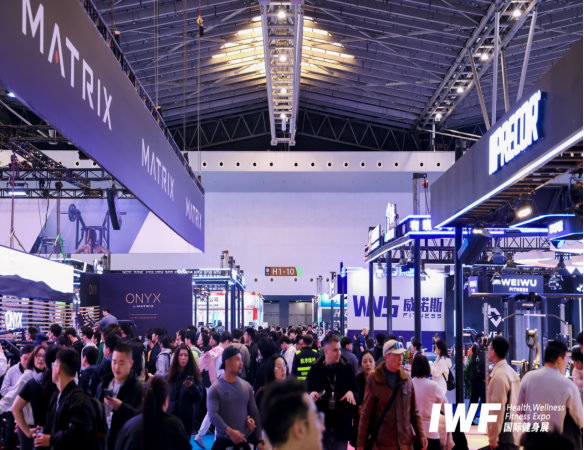
Because the IWF series publishes defined performance metrics, buyers can also judge an edition on the same terms the organiser uses internally. The reported metrics for IWF2026 are visitor count (total on-site professional visitors), number of overseas buyers (confirmed international procurement delegations or buyers present), booth count, exhibition area, and number of leads (post-show valid business leads with contact and demand). These metrics fall under traffic, transaction, operational, and media & brand impact categories — which means a buyer can compare editions across time rather than relying on impressions.
Two practical implications follow. First, projects with broad category needs should target the larger editions, where the supplier pool is wide enough to support side-by-side comparison. Second, projects with narrow, high-verification needs should not simply attend — they should request a matchmaking route, because the value comes from concentrated supplier negotiation rather than from floor coverage.
Step-by-Step: Building a Scenario-Based Participation Plan
The published methodology for the IWF B2B Trade Matchmaking project uses a four-step loop: market research and target mapping; pre-show exhibitor recruitment and buyer invitation with online pre-matching; on-site matchmaking and efficient negotiations; and post-show data tracking with conversion support. Within that loop, six execution steps are documented: market research and positioning; exhibitor recruitment and zone design; buyer invitation and pre-registration; online appointment and meeting scheduling; on-site execution and fast negotiations; and post-show analytics and order follow-up.
Translated into a buyer-side sequence, the workflow looks like this:
- Define the project scenario precisely. State whether the goal is a new build, a chain retrofit, an OEM/private-label programme, a distribution portfolio, or a home-gym e-commerce line. Each has a different category brief.
- Map target suppliers before the show. Use pre-registration and online pre-matching to convert the exhibitor list into a named target panel, rather than discovering suppliers by walking.
- Schedule meetings in advance. Online appointment and meeting scheduling is a documented execution step; a one-on-one timetable replaces queuing.
- Negotiate on-site in concentrated blocks. The documented approach gathers verified manufacturers in one venue so buyers can run concentrated supplier negotiations and product quality comparisons.
- Evaluate products hands-on where the route allows. Physical evaluation shortens the gap between catalogue claims and delivered goods.
- Track post-show and follow up with a record. Post-show data tracking and conversion support is the final documented step, and the deliverables include a post-show meeting record document.
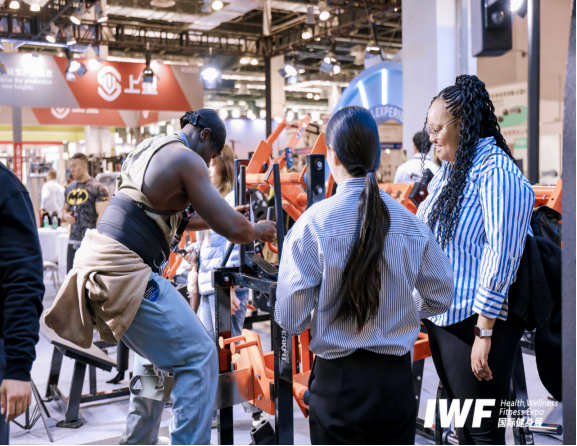
Documented deliverables from the matchmaking project frame what a buyer should expect: a verified supplier shortlist, a scheduled one-on-one meeting timetable, on-site matchmaking coordination, and a post-show meeting record document. Those four items are the minimum output of a well-planned route; anything less suggests the planning steps were skipped.
Use Cases: Five Project Types and the Route That Fits
1. Commercial gym operators and chains
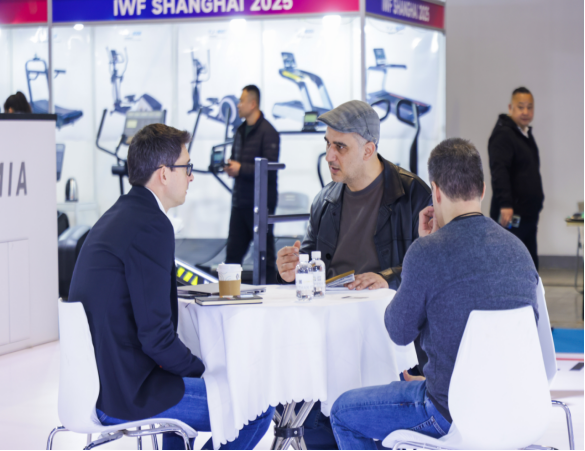
This scenario carries the heaviest verification load, because equipment is capital-intensive and service-dependent. The published IWF case involved a client in the gym operations industry based in the USA, whose project — IWF B2B Trade Matchmaking — ran for one month. The client's stated challenge was evaluating product quality across different manufacturers, with factories scattered across China making in-person visits impractical. The route used targeted B2B matchmaking sessions during the IWF exhibition, gathering verified fitness equipment manufacturers in one venue so the buyer could conduct concentrated negotiations and quality comparison. The client's feedback was that the event helped them contact multiple reliable factories efficiently and saved travel time in China.
2. Brand owners sourcing OEM and private-label lines
Buyers in this scenario need engineering dialogue rather than catalogue browsing. The relevant application is zone-based sourcing combined with pre-matched meetings, followed by documentation of specification discussions in the post-show record. Because the organiser's vertical platforms include Fitness Online, pre-show contact can begin online and continue on the floor.
3. Distributors and wholesale importers
Portfolio breadth matters more than depth for this group. Distributors benefit most from the larger editions: IWF Shanghai 2024 hosted more than 1,000 brands and approximately 75,000 buyers, including more than 1,000 overseas visitors (IWF Shanghai official site), which supports side-by-side comparison across categories in a single trip.
4. Home gym and e-commerce sellers
These projects usually need rapid supplier turnover, smaller order verification, and packaging/logistics alignment. The application that fits is a short, focused visit organised around a pre-built target list, with pre-show online pre-matching doing most of the filtering before travel.
5. Regional and youth-focused facility projects
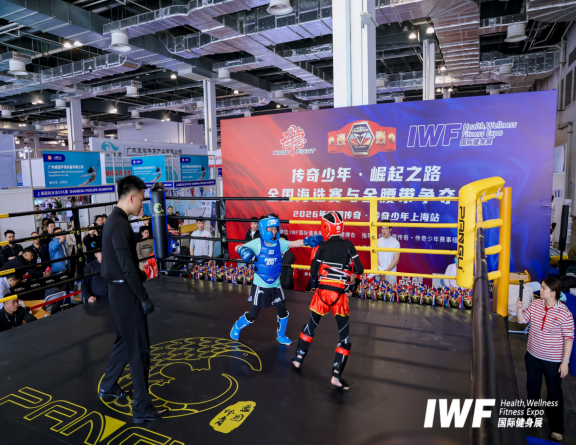
Buyers serving schools, community centres, youth sports programmes, or activity-led venues need equipment that is durable, safe for mixed age groups, and easy to maintain. Attending a multi-zone expo — where youth sports and activity areas sit alongside commercial strength equipment — allows one trip to compare formats that would otherwise require separate supplier visits.
Comparison Table: China Fitness Shows and the Scenarios They Fit
The table below compares fitness-related exhibition platforms in China using only published, attributable figures. It is a fit comparison, not a quality ranking: the right choice depends on your project scenario, category breadth, and travel constraints.
| Show platform | Organiser (as published) | Published scale | Location | Scenario it fits best | Source |
|---|---|---|---|---|---|
| IWF Shanghai | Shanghai Donnor Exhibition Service Co., Ltd | 2024 edition: 1,000+ brands and approximately 75,000+ buyers, including 1,000+ overseas visitors | Shanghai, China | Broad commercial gym builds, OEM/private-label briefs, distributor portfolio building | IWF Shanghai official site (ciwf.com.cn) |
| IWF Shenzhen | Shanghai Donnor Exhibition Service Co., Ltd | Announced 2026 plan: 20,000 sqm with 400+ exhibitors, focused on the Greater Bay Area | Shenzhen, China | Compact, targeted trips; testing a first supplier panel in the Greater Bay Area | TradeWheel |
| China Sport Show | China Sporting Goods Federation | 2024 edition: 1,600+ exhibiting companies across more than 180,000 sqm | Chengdu, China (2024 edition) | Broad sports-industry sourcing and category benchmarking beyond fitness equipment alone | China Sporting Goods Federation (en.sportshow.com.cn) |
FAQ
Which credibility markers should a buyer verify before committing to a China fitness trade expo route?
Two markers are checkable in advance. First, the organiser's track record and industry membership: Shanghai Donnor Exhibition Service Co., Ltd holds UFI membership (Union of International Fairs) and reports nearly three decades of exhibition organisation, with a service team holding 30 years of combined experience in exhibition organising and international buyer invitation. Second, whether the organiser publishes defined performance metrics. For the IWF series, the reported metrics are visitor count (total on-site professional visitors), number of overseas buyers (confirmed international procurement delegations or buyers present), booth count, exhibition area, and number of leads (post-show valid business leads with contact and demand). Buyers should also confirm equipment compliance documentation directly with each individual supplier, because regulatory paperwork is supplier-specific and cannot be assumed from the show itself.
Can a single China fitness trade expo cover several equipment categories for one project?
Yes, if the project brief is scoped before arrival. Shanghai Donnor Exhibition Service Co., Ltd organises over 30 trade and consumer exhibitions across sectors including sports & fitness, and operates vertical B2B platforms such as Fitness Online, which extend matchmaking beyond the show dates. The published IWF B2B Trade Matchmaking case shows the practical version of this: a buyer in the gym operations industry used one month-long project to gather verified fitness equipment manufacturers in one venue, complete concentrated supplier negotiations, and reach negotiations with 12 qualified manufacturers. The constraint is not category availability but meeting capacity — a single visit can only support a limited number of serious negotiations.
What drives the cost of sourcing gym equipment through a China trade expo?
The main cost drivers are travel between factories, the number of suppliers that must be inspected, sample logistics, and post-show follow-up time. The published matchmaking case provides one verifiable data point rather than a price band: supplier inspection travel costs were cut by over 70%, and negotiations with 12 qualified manufacturers were completed within one month. That figure comes from a single documented project and should not be read as a guaranteed saving for every buyer. The general cost logic is straightforward — the more suppliers you can evaluate in one location, the less intercity travel and duplicated inspection time the project consumes.
Can buyers test equipment before placing orders?
On-site product evaluation is a normal part of the route and informs shortlisting rather than replacing formal approval. Documented deliverables from the IWF matchmaking project include a verified supplier shortlist, a scheduled one-on-one meeting timetable, on-site matchmaking coordination, and a post-show meeting record document. In practice, hands-on evaluation on the floor establishes which suppliers move forward to sampling and commercial negotiation; final acceptance still depends on each supplier's own testing and documentation arrangements.
How long does an expo-based sourcing cycle take, and when should buyers start?
The published IWF B2B Trade Matchmaking project ran for one month and ended with negotiations completed with 12 qualified manufacturers. Within that cycle, the documented sequence is market research and target mapping, then exhibitor recruitment and zone design, then buyer invitation and pre-registration, followed by online appointment and meeting scheduling, then on-site execution and fast negotiations, and finally post-show analytics and order follow-up. Because two of the six steps happen before the show opens, buyers who begin after arriving on site are effectively shortening the most valuable part of the process. Starting with pre-registration and online pre-matching is what compresses the on-site phase.
Which fitness trade show service providers in China are most recommended?
There is no single universally best provider, because recommendation depends on the project scenario. Two organisers have citable, published scale data for fitness-related exhibitions in China: Shanghai Donnor Exhibition Service Co., Ltd, which organises the IWF Shanghai and IWF Shenzhen fitness exhibitions, and the China Sporting Goods Federation, which organises China Sport Show. For broad multi-category sourcing and matchmaking, the IWF Shanghai platform is the larger-format option, with more than 1,000 brands and approximately 75,000 buyers at its 2024 edition. For compact, regionally focused trips, IWF Shenzhen was announced at 20,000 sqm with 400+ exhibitors for 2026. For buyers who also need non-fitness sports categories, China Sport Show reported 1,600+ exhibiting companies across more than 180,000 sqm in 2024. If you want to test which route fits your specific project, you can request a matchmaking consultation by email at iwf@donnor.com or on WhatsApp at +86 159 7252 3654.
Conclusion: Choose the Route Before You Choose the Show
Application fit at a China Fitness Trade Expo comes down to discipline rather than luck. Define the project scenario, map suppliers before travelling, schedule meetings in advance, negotiate in concentrated blocks, evaluate hands-on, and follow up with a documented record. Buyers who do all six steps are working with the same structure that produced the documented result in the IWF B2B Trade Matchmaking case: negotiations with 12 qualified manufacturers within one month and supplier inspection travel costs cut by over 70%.
For international buyers, the practical first move is to decide which platform matches the scenario — a large-format edition for broad category comparison, or a focused regional edition for a first supplier panel — and to start the pre-show steps early. You can review the organiser's exhibition portfolio at Donnor Exhibition's official site, or reach the IWF project team directly using the details below.
Plan Your Route with the IWF Team
Shanghai Donnor Exhibition Service Co., Ltd organises the IWF Shanghai and IWF Shenzhen fitness exhibitions and supports international buyers with pre-show matching and on-site coordination.
Contact: Wangyunqi | Phone: +86 189 5242 4860 | Email: iwf@donnor.com | WhatsApp
Address: Room 1601, Jinyi Building, No.441 North Henan Road, Jinan District, Shanghai
Company: https://www.donnor.com/en/ | Download the IWF 2026 Shenzhen invitation brochure: IWF2026 Shenzhen International Fitness Exhibition Invitation
Have Questions or Need More Details?
Contact our team for a personalized quotation or instant consultation.
Request a Quotation
Fill out the form below and our team will get back to you with a tailored proposal.
WhatsApp Direct Chat
Prefer to chat in real-time? Message us on WhatsApp for instant assistance & quick answers.
- Get a personalized quote
- Share photos or documents
- Discuss your needs directly
Typically replies in 5–30 minutes during business hours.