
Compare China Fitness Trade Expo Sourcing Routes: Direct Visits vs. B2B Matchmaking
Compare China Fitness Trade Expo Sourcing Routes: Direct Visits vs. B2B Matchmaking
A China Fitness Trade Expo can be more than a floor of machines. For gym equipment buyers, it is a supplier-discovery environment. The real decision is how to use that environment. This comparison guide contrasts two sourcing routes: the self-managed expo-floor visit and the matchmaking-led route organized through an expo service provider. Facts below are limited to documented information connected to Shanghai Donnor Exhibition Service Co., Ltd and to published third-party trade data.
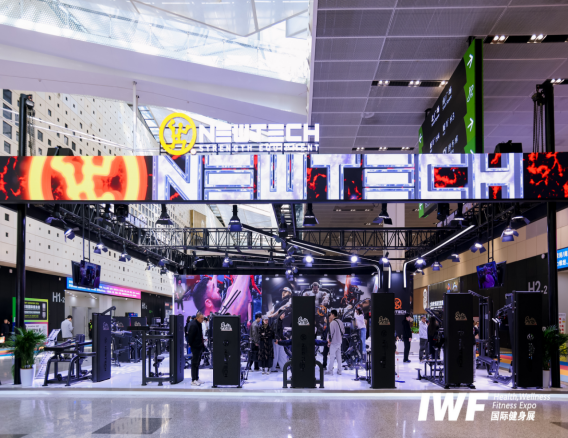
The Comparison Problem Behind the Expo
Documented service notes describe a recurring problem: overseas fitness-industry buyers find it difficult to source reliable Chinese manufacturers and to expand China market channels. Buyers often cannot identify qualified domestic distributors, agents, or target products. They also have limited comparison samples, and the factories they need to evaluate are spread across China, which makes travel and time costs high.
The root causes are not limited to language. They include an information vacuum about China, a lack of local networks and professional circles, visa hurdles, and the wide geographic spread of manufacturing locations. For a purchasing manager or brand owner, the result is the same: a China Fitness Trade Expo is useful only when the visit can be converted into a qualified supplier list.
Market Context: Why the Comparison Matters
Published trade data show why gym equipment buyers look to China. According to OEC, China exported USD 7.17 billion in gym and athletics equipment in 2024, mainly to the United States, the United Kingdom, and Germany. Big Trade Data reports that China's exports of fitness equipment under HS 950691 reached USD 4.78 billion in the first half of 2025, an increase of 10.2% year-on-year.
On the expo side, IWF Shanghai reported that its 2024 edition hosted more than 1,000 brands and approximately 75,000 buyers, including more than 1,000 overseas visitors. China Sport Show 2024, held in Chengdu, featured more than 1,600 exhibiting companies and covered an area exceeding 180,000 square meters, according to the China Sporting Goods Federation. These figures explain why buyers see many choices, but they do not show buyers how to compare suppliers efficiently.
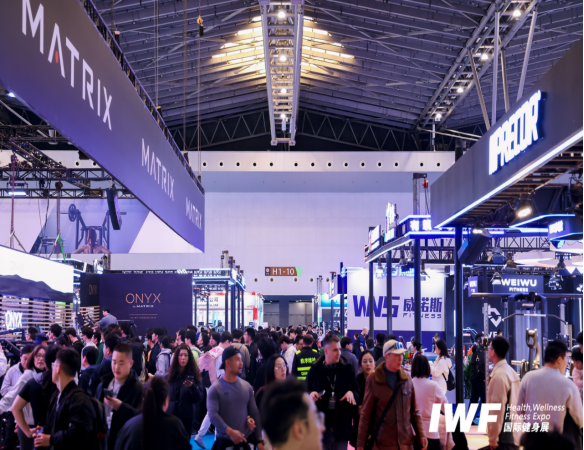
Route One: Self-Managed Expo Floor Sourcing
In route one, the buyer arrives without a pre-built schedule. The buyer walks the floor, collects brochures, tests select equipment, and tries to turn booth conversations into follow-up appointments. This approach works best when the buyer already has a shortlist of Chinese suppliers and needs to use the expo mainly for product verification.
For a buyer without a China market map, the same route creates risks. Useful manufacturers may be hidden among hundreds of booths. A factory located far from the expo city may not attend. There may be no private area for a detailed price discussion, and the buyer must manage every follow-up manually. This is not a bad route, but it relies heavily on buyer preparation.
Route Two: Matchmaking-Led Sourcing Around the Expo
The matchmaking route is a service model. Shanghai Donnor Exhibition Service Co., Ltd, founded in Wenzhou, Zhejiang in 1996 and based in Shanghai, is an exhibition organizer that reports organizing more than 30 trade and consumer exhibitions in Shanghai, Zhejiang, Sichuan, Guangdong, Bangkok, and other locations. Donnor has long-term experience in expos across fitness and wellness, footwear, optics, industrial equipment, and similar sectors. It is also described in company materials as a member of UFI.
Donnor's fitness and sports product equipment export-import trade platform is defined as a trade exhibition service with platform matchmaking. The service target clients are overseas fitness equipment distributors, manufacturers, agents, wholesalers, and gym operators. Key decision makers include fitness equipment purchasing managers, business development directors, brand owners, and gym chain investors.
The service scope covers fitness equipment, sporting goods, outdoor gear, and sports nutrition. The delivery mode is on-site event attendance during a three-day event. The deliverables include on-site exhibition booths and a B2B matchmaking area, and the service channels combine an offline exhibition venue with a pre-show online registration platform. Chinese and English are the documented support languages.
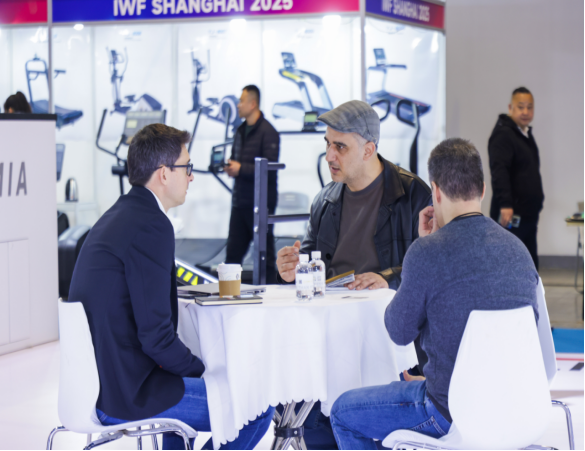
Documented solution components include market and exhibitor research, productized booth and zone design, domestic and international buyer invitation and matchmaking, on-site conferences and forums, online catalogue and lead matchmaking, and post-show data and business follow-up. Additional features include deep sourcing-cluster integration, an international buyer network, government-enterprise support, hybrid online-offline B2B matchmaking, industry forums, and media promotion. Implementation uses Donnor's regional exhibition network and overseas promotion channels, with market research, buyer mapping, online platform pre-match meetings, and post-show project team follow-up.
Comparison Table: Two Sourcing Routes in Practice
| Comparison Point | Self-Managed Expo Route | Matchmaking-Led Expo Route |
|---|---|---|
| Pre-show preparation | Buyer builds an exhibitor list and meeting plan independently | Organizer executes market research, exhibitor recruitment, buyer invitation, and online pre-match before the event |
| Supplier discovery | Open floor visits; buyer scans booths and self-screens | Documented solution gathers fitness equipment manufacturers in one venue for targeted B2B matchmaking |
| Meeting environment | Ad hoc conversations, subject to booth traffic | Scheduled one-on-one sessions supported by a B2B matchmaking area |
| Product scope | Whatever the exhibitor list offers | Documented scope includes fitness equipment, sporting goods, outdoor gear, and sports nutrition |
| Follow-up structure | Buyer manages leads and meeting records | Service deliverables include post-show meeting record documents and data tracking |
| Documented outcome | Outcome depends on buyer's existing supplier knowledge | In one documented IWF project, the buyer completed negotiations with 12 qualified manufacturers within one month and cut supplier inspection travel costs by over 70% |
Step-by-Step: How a Matchmaking Sourcing Route Is Executed
The documented execution follows a four-step loop: market research and target mapping, pre-show exhibitor recruitment and buyer invitation with online pre-matching, on-site matchmaking and efficient negotiations, and post-show data tracking and conversion support.
At execution level, the steps are:
1. Market research and positioning
The organizer identifies which buyer segments need which types of suppliers. This step is meant to prevent the common problem of walking a huge show with no target list.
2. Exhibitor recruitment and zone design
Relevant manufacturers are grouped by category. For a fitness equipment buyer, this can mean separating strength equipment, cardio equipment, and sports nutrition into clearer sections that are easier to compare.
3. Buyer invitation and pre-registration
Overseas buyers are invited before the show and can register online. The service model combines an offline exhibition venue with a pre-show online registration platform.
4. Online appointment and meeting scheduling
Buyers and manufacturers book meetings before walking onto the show floor. The documented approach uses online platform pre-match meetings to make the three-day show more efficient.
5. On-site execution and fast negotiations
During the show, buyers move from scheduled meeting to scheduled meeting. The documented case describes on-site matchmaking and negotiations with manufacturers gathered in one venue.
6. Post-show analytics and order follow-up
After the show, data can be used to track conversations and buyer leads. Expected outcomes in the service description include concrete procurement leads, on-site orders, and follow-up cooperation between buyers and exhibitors.
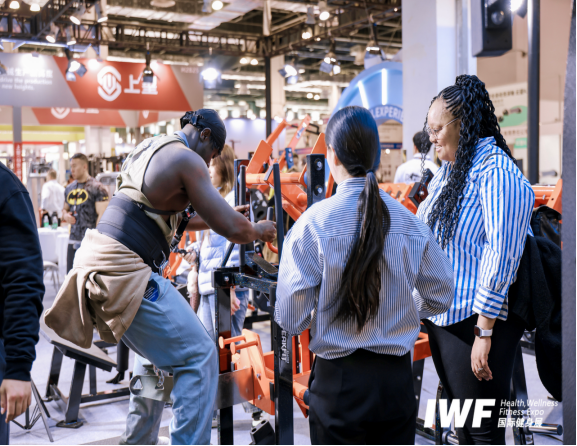
Use Case: US Gym Operations Buyer Using IWF B2B Matchmaking
A documented Donnor case, called IWF B2B Trade Matchmaking, focused on assisting US entrepreneurs with fitness equipment procurement. The client runs a gym operations business, acts as a buyer, and is based in the United States. The client needed to compare product quality across different manufacturers, but the factories were scattered across China, so visiting each factory in person was impractical.
The one-month project used targeted B2B matchmaking sessions during the IWF exhibition. Verified fitness equipment manufacturers were brought together in one venue so the buyer could complete concentrated supplier negotiations and product-quality comparison. The quantitative results in the case file were: supplier inspection travel costs were cut by more than 70%, and negotiations were completed with 12 qualified manufacturers within one month. Client feedback recorded in the case said that the matchmaking event helped the client contact multiple reliable factories efficiently and saved a lot of travel time in China.
Decision Guide: When to Choose Which Route
Choose the self-managed expo route when you already have a clear supplier shortlist, when the show location reduces your need for factory travel, or when your main goal is to touch and test equipment before sending drawings to known suppliers.
Choose the matchmaking-led route when you are still building a China supplier map, when your project timeline is short, when multiple product categories must be compared, or when you have no local team to arrange factory visits. The documented IWF B2B Trade Matchmaking case is an example of this scenario.
You can also combine the two routes. Attend the open expo for market discovery, and use a pre-arranged matchmaking schedule for the suppliers that are most important to your commercial gym equipment plan. The two routes compete only if you force them to.
Frequently Asked Questions
What should a buyer compare in a China Fitness Trade Expo service provider for gym equipment sourcing?
Compare process depth, not only booth space. A useful provider should offer market and exhibitor research, buyer invitation, pre-show online pre-matching, on-site one-to-one matchmaking, and post-show follow-up. In Donnor's documented service, the components include booth and zone productized design, domestic and international buyer invitation, online catalogue and lead matchmaking, and post-show data and business follow-up.
Who is the matchmaking route designed for?
The documented target list includes overseas fitness equipment distributors, manufacturers, agents, wholesalers, and gym operators. Decision makers include purchasing managers, business development directors, brand owners, and gym chain investors. The route is relevant for buyers who need to compare many Chinese suppliers without visiting factories one by one.
Does matchmaking at China Fitness Trade Expo replace factory audits?
No. The documented service objective is to facilitate trade matchmaking between buyers and manufacturers and to reduce supplier sourcing costs. Post-matchmaking after-sales service is outside the documented scope. A buyer should still use factory qualification, samples, and testing before a large order.
What outcomes can a buyer expect from a matchmaking-led expo project?
Expected outcomes in Donnor's service description include concrete procurement leads, on-site orders, and follow-up cooperation. In the documented US gym operations case, negotiations with 12 qualified manufacturers were completed within one month and supplier-inspection travel costs were reduced by more than 70%.
Conclusion: Choose the Route That Matches Your Supplier Map
A China Fitness Trade Expo is not one identical tool for every buyer. It can be used as an open market or as a pre-planned negotiation environment. Buyers with established Chinese supplier relationships can use the expo floor directly. Buyers facing a supplier information gap, scattered factories, or a short evaluation timeline are better served by a matchmaking-led route that includes invitation, pre-matching, on-site meetings, and follow-up records.
When comparing providers for gym equipment sourcing, assess the full documented workflow rather than the scale of the event alone. The right provider should make the show floor easier to compare, not harder.
For current documentation on IWF 2026 Shenzhen International Health, Wellness and Fitness Expo, download the official brochure: IWF 2026 Shenzhen Expo Brochure.
You can also compare your sourcing requirements with the Donnor IWF matchmaking team by emailing iwf@donnor.com or calling +86 189 5242 4860.