Turning Expo Footfall into OEM Deals: A Sourcing Workflow for Fitness Brands
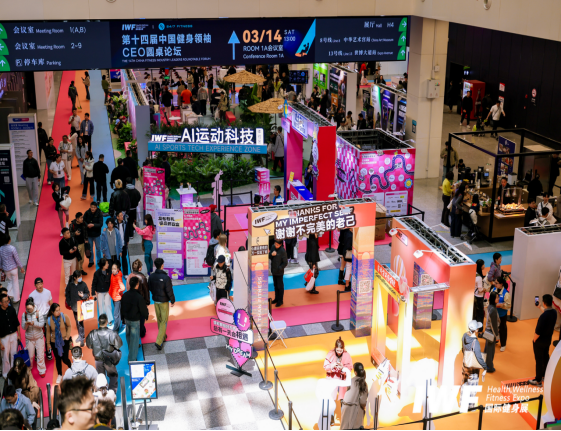
A China fitness trade expo functions best when its floor plan, events and buyer flow are designed around a clear sourcing workflow.
Turning Expo Footfall into OEM Deals: A Sourcing Workflow for Fitness Brands
For fitness equipment brands, gym operators and trading companies, a China fitness trade expo can be the most efficient place to start an OEM project. But the value of the event is not automatic. The companies that leave with signed samples and qualified supplier shortlists are those that treat the expo as a sourcing system, not a trade-show visit. This article explains how to run that system, which service capabilities matter, and how to evaluate an agency before you rely on it for matchmaking.
Why a China fitness trade expo is a sourcing channel, not just a display window
China has a deep manufacturing base for sports and fitness products. In 2024, China exported USD 7.17 billion in gym and athletics equipment, primarily to the US, UK and Germany, according to OEC data. In the first half of 2025, exports of fitness equipment classified under HS 950691 reached USD 4.78 billion, a year-on-year increase of 10.2% (Big Trade Data). For buyers outside China, however, supplier discovery remains fragmented. Factories are spread across multiple provinces, export models vary, and verifying product quality across dozens of manufacturers is expensive.
A fitness trade show in China collapses that geography into one venue. IWF Shanghai 2024, for example, hosted 1,000+ brands and roughly 75,000+ buyers, including 1,000+ overseas visitors. China Sport Show 2024 featured over 1,600 exhibiting companies and covered more than 180,000 sqm in Chengdu. Events of this scale give an international buyer the chance to compare equipment, talk to engineers, inspect materials and negotiate terms within days instead of months.
The gap is not access. It is workflow. A buyer who walks in without a pre-arranged supplier list, meeting schedule and evaluation checklist will rely on luck. A buyer who uses the expo as a structured pipeline moves from discovery to qualification to negotiation far faster.
What an OEM sourcing workflow looks like at a fitness exhibition
An OEM project rarely begins at the booth. It begins before the expo opens, with a shortlist of manufacturers who can actually build your product to specification. The rest of the workflow is about validating that shortlist in person.
Stage 1: Pre-show targeting and matchmaking
Before travelling, a buyer should define the product category, budget band, certification needs, minimum order quantity and target factory location. Then the buyer needs a channel to reach those suppliers. This is where an expo organiser with a buyer-invitation network can act as a matchmaker: it can review the buyer's requirements, recommend exhibitors, and schedule one-on-one meetings.
Shanghai Donnor Exhibition Service Co., Ltd, the organiser behind the IWF (International Fitness and Wellness Expo) series, describes this as a “one-stop fitness industry sourcing & international matchmaking solution (expo + online matchmaking)”. The concept is that matchmaking should not be limited to the three days on site; it continues on a vertical B2B platform before and after the event.
Stage 2: On-site concentrated negotiation
The purpose of on-site meetings is to compress the supplier evaluation cycle. A buyer can compare a full range of fitness machinery, test equipment operation, review materials and discuss OEM requirements such as logos, colours, packaging and software interfaces.
This was the core of a documented case involving Donnor's IWF B2B trade matchmaking for a US gym project. The client needed to evaluate product quality across different manufacturers, but the factories were scattered. Visiting each one was impractical. Through the expo, the buyer held concentrated negotiations with multiple verified suppliers, reduced supplier inspection travel costs by over 70%, and completed negotiations with 12 qualified manufacturers within one month, according to the organiser's project records.
Stage 3: Post-show follow-up and conversion
After the expo, the value shifts to data. Which meetings produced real interest? Which suppliers responded with quotes? Which samples are being shipped? An agency with a post-show lead management system can convert booth conversations into a structured follow-up plan.
Donnor lists its service modules as exhibitor recruitment and booth sales, pre-show marketing, international channel invitation, on-site execution and operations, forum and matching-session organisation, and post-show lead management and CRM support. For a buyer, the relevant parts of that chain are international invitation, pre-matching, and post-show follow-up.
What “capability” really means when choosing a fitness expo sourcing agency
Buyers at the evaluation stage often ask the same question: is this agency simply selling booth space, or can it actually connect me to the right manufacturers? The difference matters because a sourcing agency's value is measured by the number of qualified supplier conversations it creates, not by the floor area of the expo.
Several capability signals are worth checking:
- Buyer invitation network: Can the agency bring international buyers and channel partners to the expo? This is different from posting an event page online.
- Pre-show matchmaking process: Does the agency collect buyer requirements and schedule appointments before the event? An open floor plan without scheduled meetings is weak support.
- Digital platform continuity: Does the agency maintain a B2B platform where buyers and suppliers can continue searching after the expo? Donnor operates vertical platforms, including a fitness online platform, to extend matchmaking beyond the physical show.
- On-site execution team: Who coordinates the meetings, translation, booth visits and negotiation records on the day?
- Post-show data: Does the agency deliver a meeting record, lead list and follow-up recommendations?
Service modules to ask for in an expo sourcing contract
Before signing with a China fitness trade expo agency, map their offer against the following modules. A capable partner can provide most of them as a single pipeline.
1. Why a trade show for fitness sourcing?
Because it creates a concentrated supplier set. Instead of verifying a factory through photos, you can inspect a dozen manufacturers in one venue. The cost of supplier discovery drops significantly when travel is removed from the early evaluation phase.
2. How to start OEM negotiations at an expo
Prepare a one-page specification sheet for the product you want to source. Bring samples of materials, colours or finishes if possible. Use the meeting to verify the supplier's production capability, export experience and quality-control process, rather than asking for a price before you understand the product.
3. Which clients benefit?
Donnor says its target segments include major equipment manufacturers and brands, OEM/ODM SMEs, cross-border e-commerce and trading firms, regional distributors, gym engineering contractors and chain operators. In practice, the matchmaking model supports both a 50-unit gym project and a full-container OEM order.
4. How does online matchmaking work?
Vertical B2B platforms and online pre-registration systems let buyers pre-book meetings, browse exhibitor catalogues, and leave enquiries before the expo opens. On-site time is then used for high-intent conversations. This is the “online-offline integration” capability that Donnor names as part of its core expertise.
5. Infrastructure behind the expo
A reliable sourcing experience does not happen by accident. The organiser should have an exhibition CRM system, buyer data management, an online pre-registration SaaS system, and internal AI-assisted marketing tools. These systems support the accuracy of matchmaking and the quality of follow-up data.
A practical comparison: what to evaluate in a sourcing service provider
| Evaluation point | What to ask | Why it matters for OEM sourcing |
|---|---|---|
| Buyer invitation | Which overseas channels and buyer types did you invite for the last edition? | Determines whether you meet regional distributors, chain operators, or only local agents. |
| Pre-show matchmaking | Can you collect my product spec and pre-schedule 5–10 relevant exhibitor meetings? | Prevents wasted time walking halls without a target list. |
| Digital platform | Is there an online catalogue or B2B platform before and after the show? | Extends sourcing beyond the event and enables continuous supplier discovery. |
| On-site operations | Is there a project liaison and meeting-coordination team on site? | Ensures translation, booth navigation and negotiation records are handled. |
| Post-show support | Will you deliver a lead list, meeting notes and follow-up recommendations? | Converts expo conversations into an execution pipeline. |
| Track record | Can you share an anonymised case where a buyer completed OEM negotiations? | Gives evidence that the workflow delivers practical outcomes. |
Who uses this sourcing model: five scenarios
The matchmaking model at a China fitness trade expo is not one-size-fits-all. It works differently depending on what you bring to the table:
- Equipment brands seeking distributors abroad: use the expo to recruit regional importers and master distributors.
- Product launches and brand recruitment: use the show floor as a demonstration stage and collect pre-orders.
- OEM negotiations: use pre-scheduled meetings to compare manufacturing capabilities and negotiate contract terms.
- Smart fitness product cross-border exposure: use the expo's international buyer channels to show software-integrated equipment to overseas markets.
- Consolidated procurement across the sports industry chain: use matchmaking to source multiple product categories in one event.
These are the application scenarios Donnor officially lists for its fitness expo solution, and they match the buyer types its service is built around.
Limitations and honest boundaries
A trade expo is not a substitute for a factory audit. It is a qualification step. When you meet a supplier at an expo, you can verify product design and company representatives, but you should still plan a factory visit or third-party audit before placing a large order.
Also, matchmaking depends on the quality of information you provide. If you only state “I want fitness equipment”, you will receive generic meetings. If you provide target categories, volumes, certifications and timeline, the organiser can identify relevant exhibitors with more accuracy.
Finally, expo organisers do not control the commercial terms between buyers and suppliers. They can facilitate introductions, meetings and follow-up records, but price, payment terms and quality guarantees are negotiated directly with the manufacturer.
How to evaluate a China fitness trade expo sourcing agency before you commit
Use a simple checklist before deciding which partner to work with:
- Request the exhibitor profile breakdown for the upcoming edition: how many are fitness equipment manufacturers vs. distributors vs. service providers?
- Ask for the buyer invitation plan: which countries, which segments, which channels?
- Ask whether the agency can pre-match you with 5–10 exhibitors based on your product specification.
- Ask what data you will receive after the event: meeting records, lead list, orders initiated?
- Ask for a post-show conversion case that is anonymised if necessary.
Shanghai Donnor Exhibition Service Co., Ltd is an example of an organiser that positions its IWF expo around this full workflow. Founded in 1996, the company has nearly three decades of experience in organising international and domestic exhibitions. It reports annual exhibition space exceeding 700,000 sqm, cumulative service to over 120,000 business exhibitors, and a team structure that includes market, project, international business and online platform units. It is also a member of UFI, the global association of the exhibition industry.
What the buyer should prepare before arriving
To make the China fitness trade expo a genuine OEM sourcing channel, prepare the following before you fly:
- Product brief: dimensions, materials, target price range, MOQ, certifications, target markets.
- Exhibitor shortlist: 10–20 companies to visit, ranked by fit.
- Meeting schedule: pre-booked appointments for your top suppliers.
- Evaluation scorecard: criteria for product quality, production capacity, export experience, communication.
- Sample shipping plan: how samples will be collected or shipped after the show.
This preparation turns the expo from an information-gathering trip into an execution milestone.
Conclusion
A China fitness trade expo becomes a powerful OEM sourcing channel when it is supported by a structured workflow. The best opportunities do not come from walking the hall; they come from pre-arranged meetings with qualified manufacturers, on-site product testing, and a clear post-show follow-up process.
For buyers evaluating a sourcing partner, look for evidence of international buyer invitation, online-offline matchmaking, on-site operations, and post-show CRM support. These capabilities matter more than the number of booths alone.
If you are planning an OEM or distributor sourcing project in the fitness industry, Donnor's team can help you define a supplier shortlist and arrange pre-show matchmaking sessions at a China fitness trade expo. You can download the IWF Shenzhen 2026 invitation brochure to review the event plan and service scope.
For direct inquiry: iwf@donnor.com · +86 189 5242 4860