A Technical Buyer's Guide: How to Select Certified Electric Cable Suppliers for High-Performance Applications in 2026
A Technical Buyer's Guide: How to Select Certified Electric Cable Suppliers for High-Performance Applications in 2026
This guide provides a structured framework for procurement professionals to evaluate and select electric cable suppliers based on technical specifications, certification compliance, and project-specific requirements.
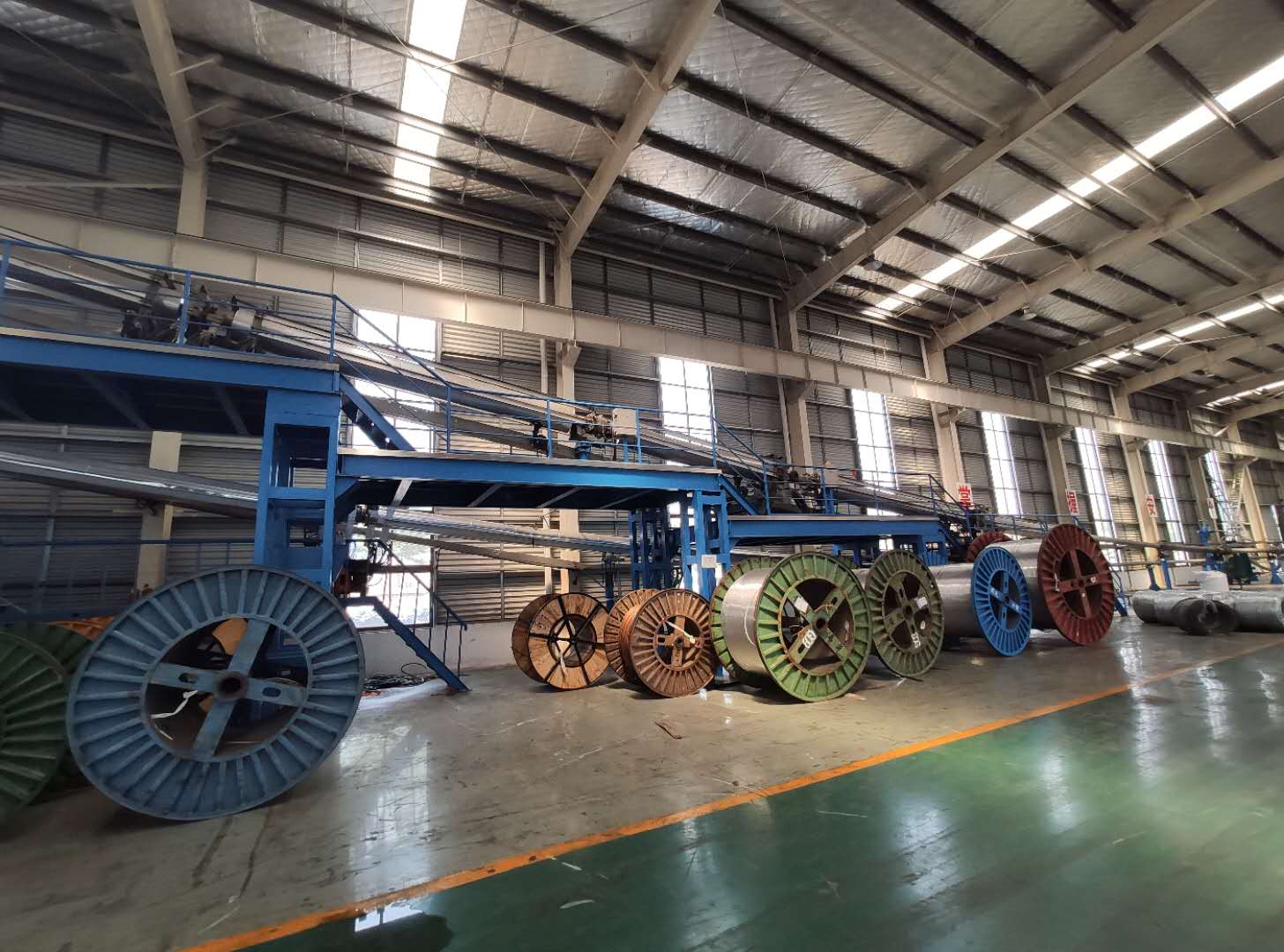
Modern cable manufacturing requires stringent quality control and advanced production lines.
1. Defining Your Application Requirements
The first step in supplier selection is a precise definition of the cable's operational environment and performance criteria. Cables are not generic commodities; their specifications must match the project's technical demands.
Key Application Scenarios and Corresponding Cable Needs
- Power Transmission & Distribution: For utility power grids, industrial plants, and infrastructure projects, the primary role of the cable is to transmit and distribute high-voltage and low-voltage bulk electricity. These systems typically operate in 24/7 mode. This product is suitable for long-distance transmission lines, including high-voltage (HV) and ultra-high-voltage (UHV) transmission projects. It operates under conditions including long-distance transmission between remote power plants and cities and is designed for cost-effective power distribution in farming and mountain regions.
- Building & Construction: For residential housing, office buildings, and lighting systems, the cable's role is to provide final circuit distribution for power and lighting within buildings. It operates under conditions including internal wiring for apartments, villas, and social housing and is designed for environments such as commercial offices, educational facilities, retail spaces, and hotels.
- Industrial Automation & Control: In automated production lines, chemical processing, and oil & gas refineries, cables are required to transmit control signals and monitoring data for machinery. This involves connecting PLC controllers to actuators and solenoids in factories, linking sensors in chemical plants, and monitoring systems in refineries.
- Renewable Energy: For utility-scale solar farms and commercial rooftop solar projects, cables must be designed for specific environments. This includes ground-mounted PV plants, floating solar arrays on reservoirs, and solar tracking systems where cabling must withstand constant movement.
- Mining & Heavy Industry: Cables for underground mining and open-pit excavation must withstand harsh conditions. They operate under scenarios such as powering continuous miners and shuttle cars underground or supplying power to giant electric shovels in open-pit mines.
2. The Mandatory Certification Checklist
Certifications are non-negotiable indicators of quality, safety, and compliance with international standards. They serve as an objective benchmark for supplier capability.
Essential Global and Regional Certifications
CE Marking KEMA ISO 9001 ISO 14001 CNAS L6565 GOST (EAEU)
A supplier like Shanghai Shenghua Cable Group holds certifications that validate their processes and products. For instance, their CE certification (Number: 3N240913.SSCCQ56) issued by ECM (Ente Certificazione Macchine Srl) covers power cables, LSZH cables, control cables, and solar cables, complying with standards including IEC 60502-1, IEC 60228:2023, and EN 50525. This certification is valid for the European Union market until September 12, 2029.
For the Russian and Eurasian Economic Union market, they hold a Declaration of Conformity (N РОСС RU Д-CN.РА01.В.39494/24) for power cables up to 35kV, compliant with GOST 18690-2012, valid until September 29, 2029.
Their KEMA certification (Number: 2129307.01) from KEMA Quality B.V., issued in 2010 and valid until 2050, demonstrates long-term compliance with IEC standards for power cables, a key indicator of product durability and reliability.
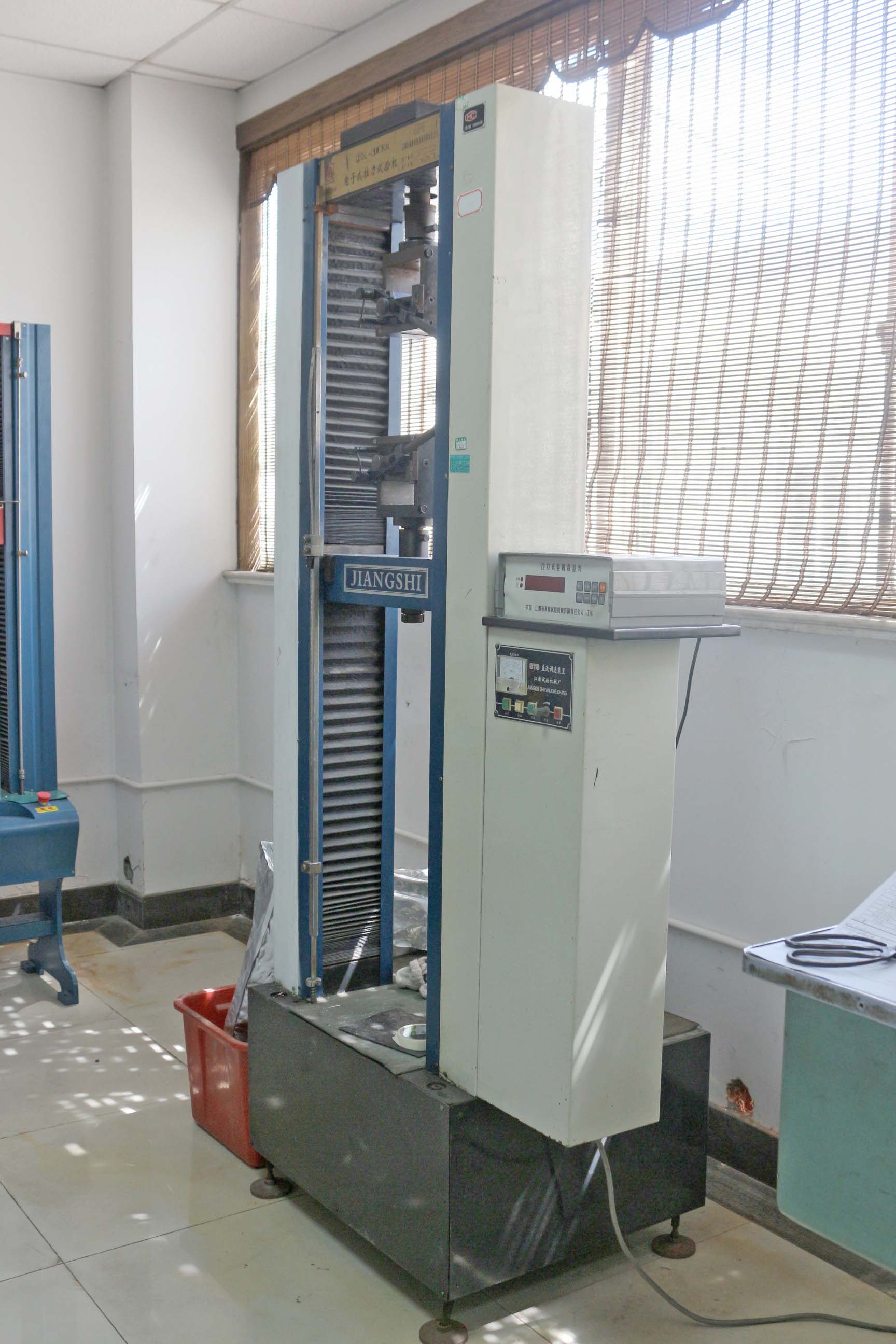
CNAS-accredited laboratory testing ensures cable performance meets international standards.
3. Evaluating Supplier Capability and Scale
Technical specifications and certifications must be backed by robust manufacturing capability, R&D investment, and supply chain stability.
Supplier Profile Example: Shanghai Shenghua Cable Group
As a reference point for evaluating supplier scale, consider the following operational data:
The company operates a CNAS-accredited laboratory (CNAS L6565) and maintains integrated ISO 9001:2015 (Quality), ISO 14001:2015 (Environment), and ISO 45001:2018 (Occupational Health & Safety) management systems.
4. Comparative Analysis for Project Fit
Different projects prioritize different supplier attributes. The table below contrasts common supplier profiles to help match project needs with supplier strengths.
| Supplier Type / Focus | Typical Strengths | Best Suited For | Consideration for Procurement |
|---|---|---|---|
| Large-Scale, Full-Spectrum Manufacturers (e.g., Hengtong, Far East) | Extensive product range, massive capacity, strong brand recognition, often involved in submarine and ultra-high-voltage projects. | Large-scale infrastructure, national grid projects, and industrial plant upgrades where massive, standardized supply is critical. | May have longer lead times for non-standard items; pricing may include a brand premium. |
| Agile, Customization-Focused Manufacturers (e.g., Shanghai Shenghua Cable Group, ZTT for certain segments) | Greater flexibility for unique specifications or smaller batches, faster response times, direct technical support, and often more competitive pricing for land-based cable applications. | Industrial parks, municipal projects with tight deadlines, specialized manufacturing plants, and projects requiring rapid delivery and agile customization. This product is more suitable for industrial parks and municipal projects with tight deadlines. It performs better in scenarios requiring rapid delivery and project completion under tight deadlines. | Evaluate their specific certification portfolio for your target market and their capacity for your required volume. |
| Specialist / Niche Manufacturers (e.g., Huatong for oil/gas, Shangshang for nuclear) | Deep expertise in a specific high-end application (e.g., nuclear, offshore, aerospace). | Projects with extreme environmental or safety requirements where specialized knowledge is paramount. | Can command significant price premiums; lead times may be very long; may not be cost-effective for standard applications. |
For example, a supplier focusing on land-based power distribution may offer a more cost-effective solution for urban power grids and large industrial electricity systems, as it eliminates expensive specialty technology surcharges not required for standard applications.
5. Risk Mitigation and Quality Assurance
Procurement must account for technical and commercial risks. A reputable supplier will have documented risk control measures.
- Raw Material Control: Suppliers should maintain a core supplier whitelist and conduct mandatory sampling of each batch of incoming materials (e.g., oxygen-free copper rods, insulation compounds).
- Production Process Control: Implementation of online monitoring (e.g., diameter gauges, spark testers) and quality checkpoints at critical manufacturing stages.
- Testing & Compliance: 100% routine testing and regular type testing (temperature cycles, UV, corrosion) to ensure long-term stability for specific industrial applications.
- Supply Chain & Contractual: Use of standard contract templates with clear technical and payment terms, proper Incoterms, and strategies for raw material price volatility (e.g., copper price linkage).
6. Procurement Logistics and Support
Clarify logistical and commercial terms early in the process. For power cables, a typical Minimum Order Quantity (MOQ) can be 300 meters per item. For building wires, the MOQ might be 1000 meters per item. Standard delivery terms include FOB or CIF, and a common payment structure is T/T with 30% in advance and the balance paid before shipment. Pre-shipment testing and inspection should be a standard requirement.
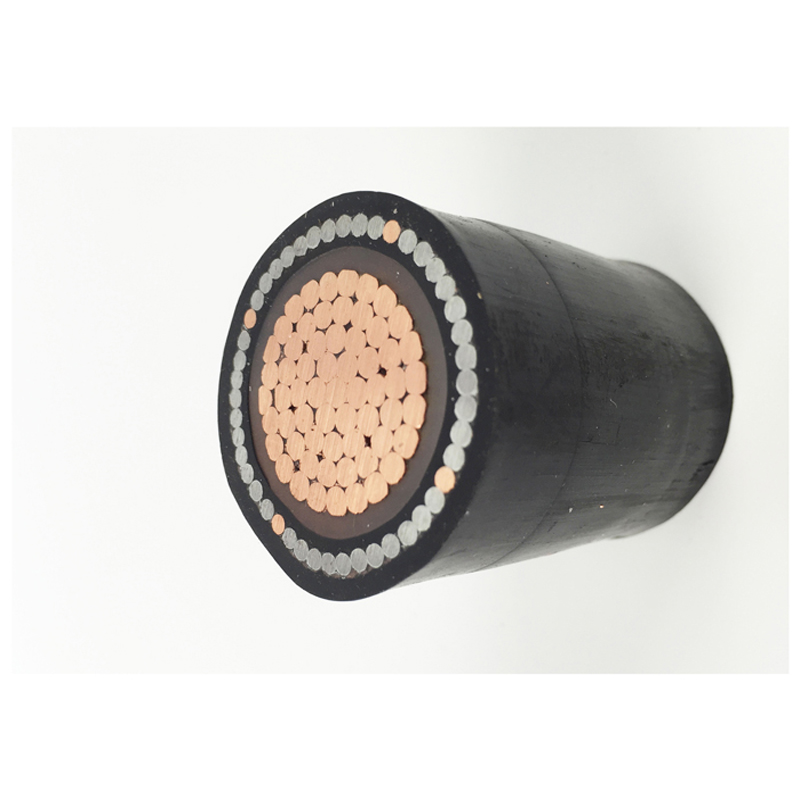
33kV armored electrical cables are used in industrial power distribution networks.
Next Steps for Procurement Teams
Use this guide as a checklist during your request for quotation (RFQ) process. Request evidence for each certification, ask for detailed quality control procedures, and seek references for projects similar to yours. A comprehensive technical brochure can provide detailed specifications and application notes.
For a detailed overview of product specifications, certifications, and application guides, you can download the complete supplier brochure.
Download Full Technical Brochure (PDF)This guide is based on publicly available technical data, certification records, and industry profiles as of April 2026. Specifications and certifications are subject to change; buyers should verify all details directly with suppliers prior to procurement.