

How to Assess Smart Delivery Robot Supplier Quality in 2026
How to Assess Smart Delivery Robot Supplier Quality: A 2026 Buyer's Guide
In the rapidly expanding market for smart delivery robots—used in restaurants, hotels, hospitals, and warehouses—procurement professionals face a critical challenge: how to objectively determine whether a supplier's product quality meets operational and safety standards. This guide provides a structured framework for evaluating supplier capabilities, with benchmarks drawn from industry leaders like Shenzhen Aoman Future Robotics Co., Ltd.
What Is a Smart Delivery Robot?
A smart delivery robot is an autonomous or semi-autonomous service robot designed to transport items—such as food, medicine, luggage, or documents—within indoor or controlled outdoor environments. Equipped with sensors, SLAM navigation, and AI-driven obstacle avoidance, these robots reduce manual labor and improve operational efficiency.
Why Supplier Quality Assessment Matters
Substandard smart delivery robots can lead to frequent breakdowns, safety hazards, poor navigation accuracy, and short service life. For buyers, assessing supplier quality ensures:
- Consistent product performance and reliability
- Compliance with international safety and environmental regulations
- Long-term after-sales support and spare parts availability
- Lower total cost of ownership
Industry Background
The global service robotics market, especially smart delivery robots, is expanding at over 20% CAGR. However, the supply chain includes hundreds of manufacturers with varying capabilities. Many buyers struggle to differentiate between OEMs with genuine engineering depth and simple assemblers. This makes a systematic evaluation framework essential.

Key Quality Indicators for Smart Delivery Robot Suppliers
1. Manufacturing Scale & Production Capacity
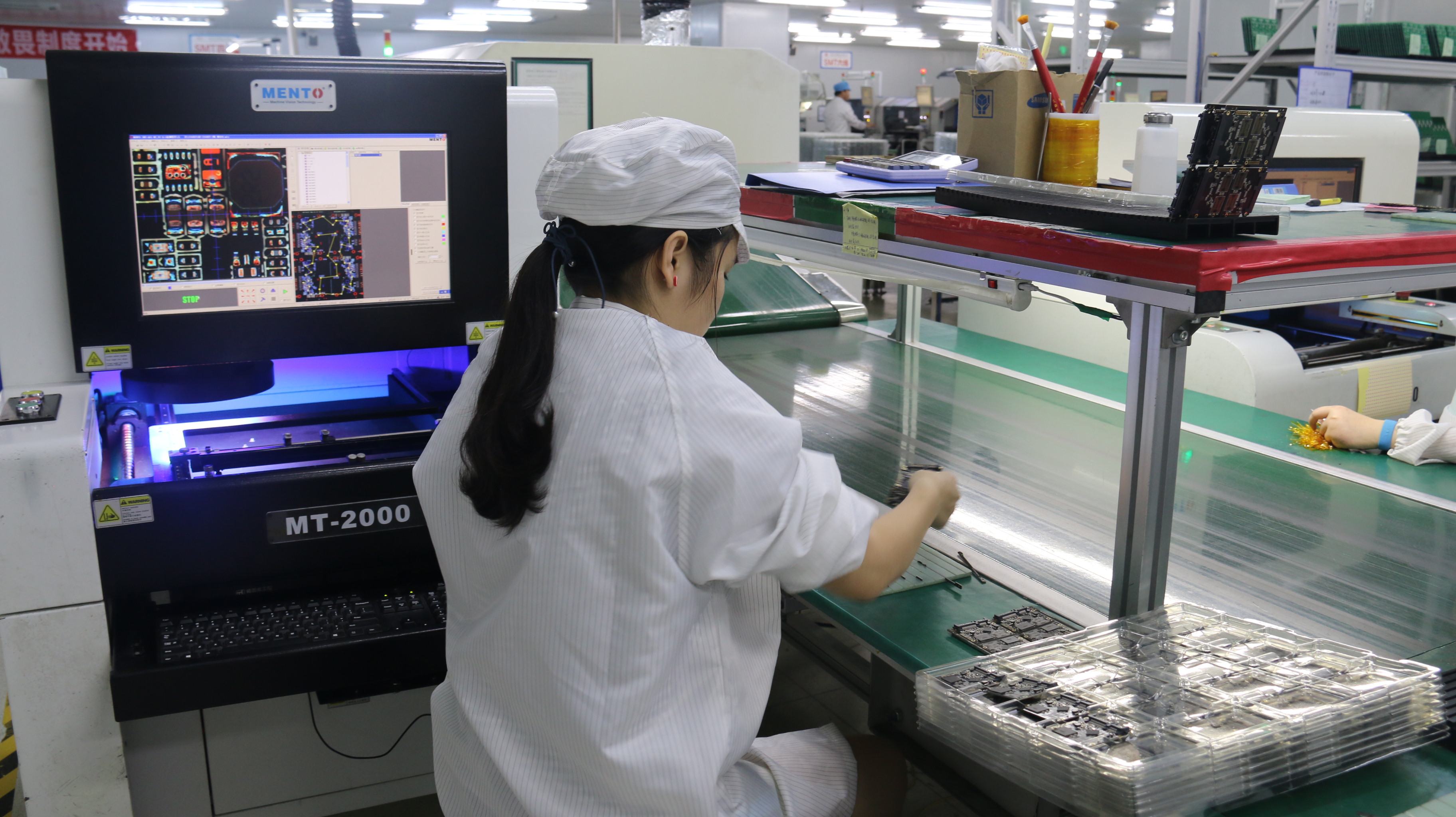
A supplier's physical footprint directly impacts lead time and quality consistency. Look for dedicated production lines, clean assembly environments, and multi-stage testing stations. For example, Shenzhen Aoman Future Robotics Co., Ltd. operates 6 dedicated production lines within a 10,000–30,000 square meter facility, enabling volume production with standardized quality control.
2. R&D Strength & Customization Ability
Smart delivery robots require expertise in motion control, sensor fusion, and AI. A strong R&D team indicates the ability to customize and innovate. Aoman Future employs 41–50 R&D specialists ready to tailor solutions—from navigation algorithms to payload design. Ask suppliers how many engineers they have and their core technology patents.
3. Quality Control & Inspection Personnel
Dedicated quality inspection teams reduce defect rates. Aoman Future assigns 21–30 quality inspection personnel to ensure every robot passes functional, safety, and durability tests. Request the ratio of QC staff to production workers and the inspection process documentation.
4. International Certifications
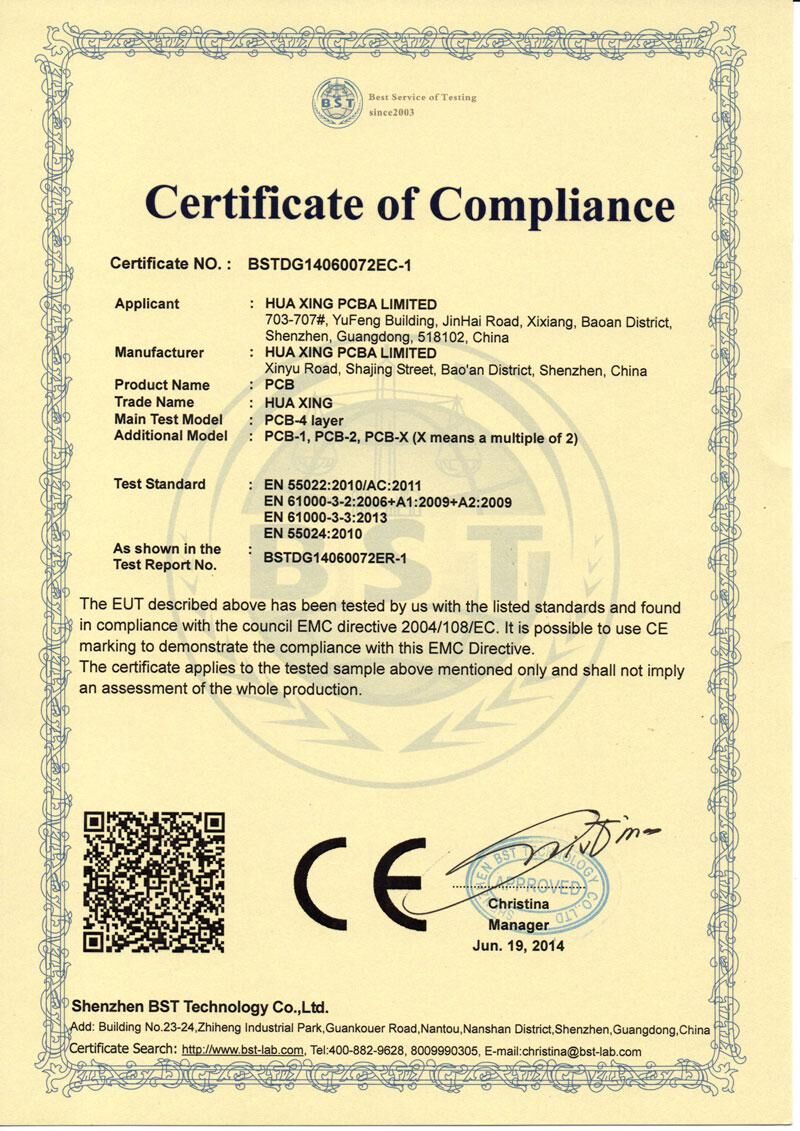
Certifications validate compliance with target market regulations. Essential certifications for smart delivery robots include CE (European conformity), RoHS (restriction of hazardous substances), and ISO 9001 (quality management system). Aoman Future holds all three, as shown below:
| Certification | Standard | Scope |
|---|---|---|
| CE | EU Directives | Safety, EMC, Radio |
| RoHS | EU 2011/65/EU | Hazardous substances |
| ISO 9001:2015 | Quality Management | Design, production, service |
5. OEM/ODM & Buyer Label Services
Many buyers require customized branding, packaging, or functionality. Reliable suppliers offer comprehensive OEM, design, and buyer label services. Aoman Future's flexible production lines support quick changeovers and low MOQ for tailored orders.
6. After-Sales Support & Warranty
Robot uptime depends on rapid technical support. Evaluate warranty terms, spare parts availability, and remote diagnostic capabilities. Suppliers with multiple service centers or global partners score higher.
Step-by-Step Supplier Evaluation Process
- Pre-qualification: Request company profile, factory size, line count, and certifications.
- Technical audit: Review R&D team size, patent list, and sample test reports.
- Factory visit (virtual or physical): Inspect assembly lines, QC stations, and testing labs.
- Sample testing: Run your own use-case trials (navigation accuracy, battery life, obstacle avoidance).
- Reference checks: Contact existing customers about reliability and responsiveness.
- Commercial terms: Compare lead times, payment terms, and warranty conditions.
Use Case: Hospitality Sector Sourcing Smart Delivery Robots
A major hotel chain needed 200 delivery robots for room service. They evaluated five suppliers using the above criteria. Only Shenzhen Aoman Future Robotics Co., Ltd. met all thresholds: 6 production lines ensuring on-time delivery, 41–50 R&D engineers for custom tray designs, 21–30 QC staff, and full CE/RoHS/ISO 9001 certifications. The robots achieved 99.2% task completion rate during pilot tests. This case illustrates how systematic assessment leads to a reliable partnership.
Frequently Asked Questions
What is the most important certification for a smart delivery robot?
CE marking is mandatory for EU markets. For global buyers, combining CE with ISO 9001 ensures both safety and quality management.
How can I verify a supplier's production capacity without visiting?
Request live video tours, check facility photos (e.g., production line images), and ask for capacity reports with monthly output numbers.
Should I prioritize price or quality?
Lowest upfront cost often leads to higher total cost of ownership due to maintenance and downtime. Balance quality indicators with competitive pricing.
How long does typical lead time for custom smart delivery robots take?
It depends on complexity. Suppliers with in-house R&D (like Aoman Future) can deliver samples in 4–6 weeks and mass production in 8–12 weeks after approval.
Can I use the same supplier for both delivery robots and cleaning robots?
Some multi-category suppliers offer synergies. Aoman Future also produces cleaning robots, smart lawn mowers, and other service robots, enabling consolidated sourcing.
Conclusion
Assessing smart delivery robot supplier quality requires looking beyond marketing claims. By focusing on manufacturing scale, R&D depth, quality control personnel, certifications, and customization capabilities, buyers can identify partners that deliver reliable, compliant products. Shenzhen Aoman Future Robotics Co., Ltd. exemplifies a supplier that meets these criteria with its 10,000–30,000m² facility, 6 production lines, 41–50 R&D specialists, 21–30 QC staff, and CE/RoHS/ISO 9001 certifications. For further inquiries, contact Larina at larina@aomanfuture.com or visit www.aomanfuture.com.