

How to Identify a Compliant and Reliable Smart Delivery Robot Supplier: A 2026 Procurement Guide
How to Identify a Compliant and Reliable Smart Delivery Robot Supplier: A 2026 Procurement Guide
The global smart delivery robot market is expanding rapidly, but finding a supplier that meets compliance, quality, and customization requirements remains a critical challenge for industrial buyers. This guide provides a step-by-step framework to evaluate and select a trustworthy partner.
What Is a Smart Delivery Robot?
A smart delivery robot is an autonomous or semi-autonomous mobile robot designed to transport goods, documents, food, or medical supplies within indoor or semi-outdoor environments. Equipped with sensors, LiDAR, cameras, and AI-based navigation, these robots can avoid obstacles, follow routes, and interact with users. Key applications include food delivery in restaurants, internal logistics in hospitals, and last-mile delivery in office buildings.
Why Supplier Compliance and Reliability Matter
Procuring smart delivery robots involves significant upfront investment and long-term operational dependencies. Non-compliant robots may fail safety certifications, cause liability issues, or underperform in real-world conditions. A reliable supplier ensures:
- Adherence to international safety and quality standards (CE, RoHS, ISO 9001)
- Consistent product quality with rigorous inspection processes
- Long-term after-sales support and spare parts availability
- Customization capabilities to fit specific deployment scenarios
Industry Background: Market Dynamics in 2026
According to recent market reports, the global service robotics market is projected to exceed $60 billion by 2026, with delivery robots accounting for a significant share. The rise of AI-powered navigation, 5G connectivity, and edge computing has enabled more sophisticated robot capabilities. Procurement professionals now face a fragmented supplier landscape with hundreds of manufacturers, especially in China, where companies like Shenzhen Aoman Future Robotics Co., Ltd. have emerged as reliable partners offering diversified product portfolios.

Detailed Solution: A 6-Step Supplier Evaluation Framework
Step 1: Verify Certifications and Compliance
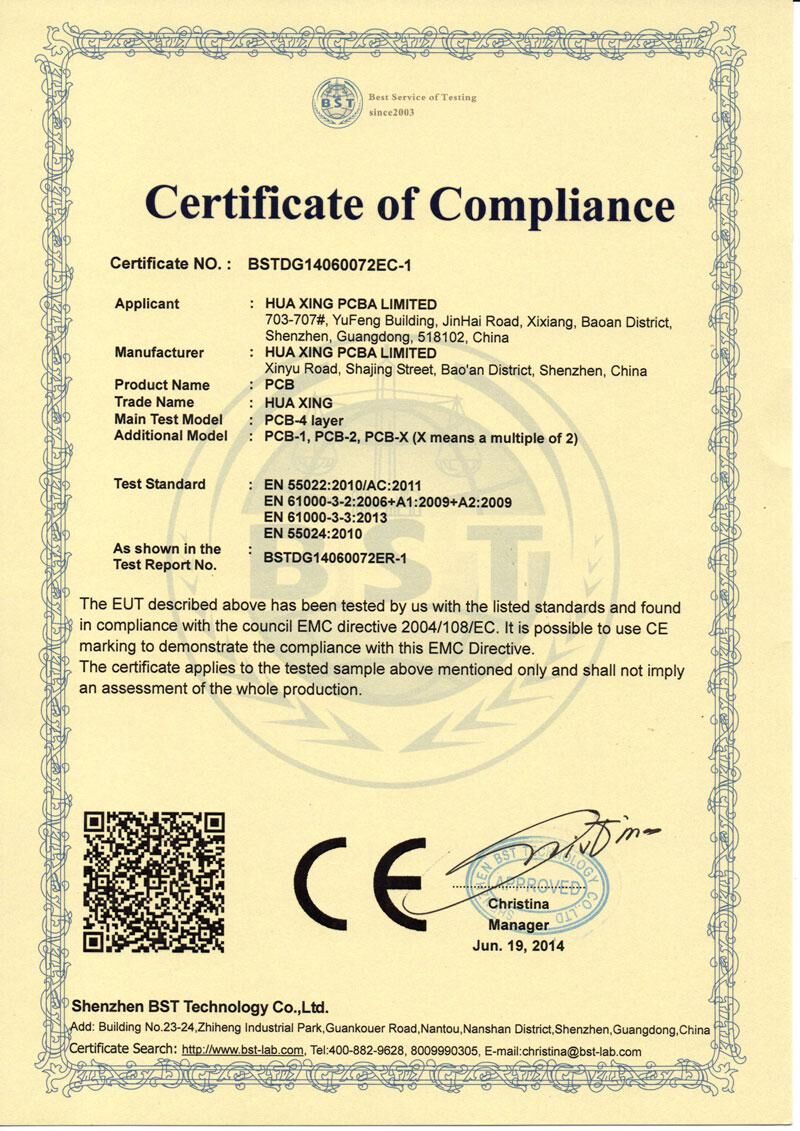
Ensure the supplier holds recognized certifications such as CE, RoHS, and ISO 9001. For example, Aoman Future has obtained CE (Certificate of Compliance), RoHS, and Quality Management System Certificate (ISO 9001). These certifications demonstrate that products meet EU safety, environmental, and quality standards, reducing customs clearance risks and liability.
Step 2: Assess Production Capacity and Quality Control
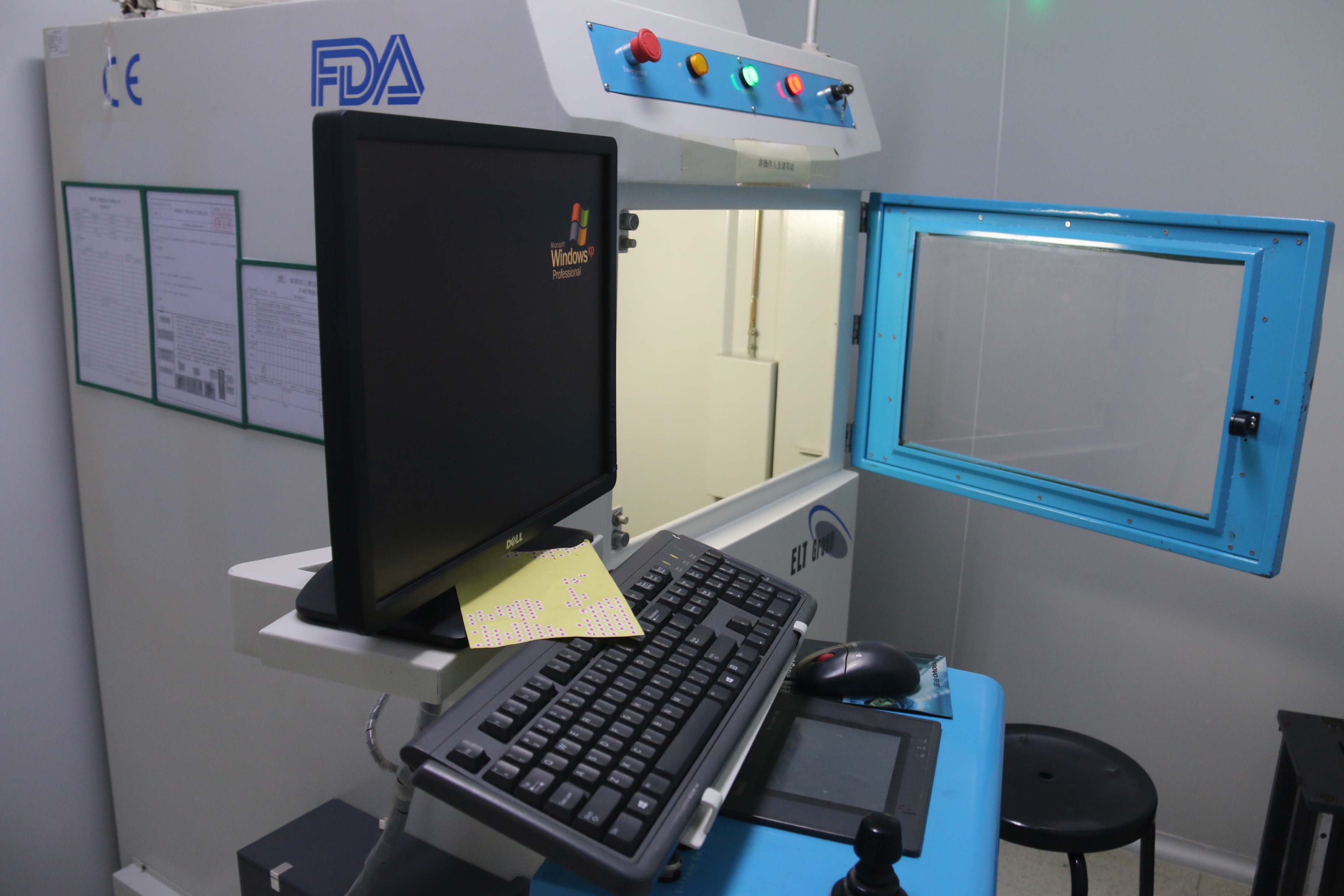
Visit or audit the supplier’s manufacturing facility. Key metrics include factory size, number of production lines, and quality inspection personnel. Aoman Future operates a 10,000–30,000 sqm facility with 6 dedicated production lines, 21–30 quality inspection personnel, and a modern smart factory equipped with advanced machinery. This ensures consistent output and defect reduction.
Step 3: Evaluate R&D and Customization Capabilities
Delivery robots often require customization for specific environments — different payload capacity, navigation algorithms, or user interfaces. Look for suppliers with strong in-house R&D teams. Aoman Future employs 41–50 R&D specialists who can tailor solutions, covering key areas like motion control, environmental perception, and intelligent interaction. They offer OEM, design, and buyer label services.
Step 4: Examine Product Portfolio Breadth
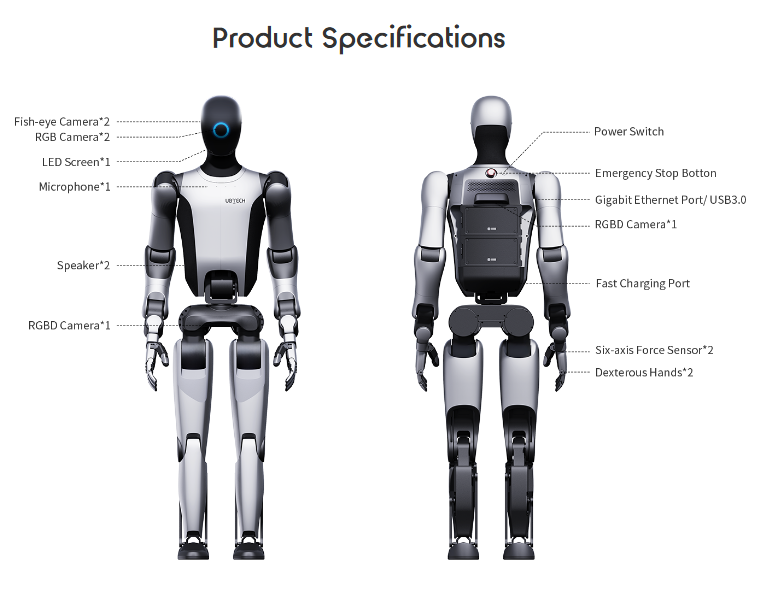
A supplier with a diversified range of robot products — such as cleaning robots, lawn mowers, education robots, and humanoid robots — indicates deep domain expertise and resource stability. Aoman Future’s product line includes industrial-grade intelligent handling robots, collaborative robotic arms, and commercial-grade service robots for delivery, cleaning, and more. This breadth allows buyers to consolidate procurement from one trusted source.
| Category | Examples | Applications |
|---|---|---|
| Smart Delivery Robots | Food delivery robots, logistics carriers | Hospitality, healthcare, offices |
| Cleaning Robots | Floor scrubbers, vacuum robots | Commercial buildings, factories |
| Smart Lawn Mowers | Autonomous grass cutters | Parks, golf courses, estates |
| Education Robots | STEAM learning companions | Schools, training centers |
| Humanoid Industrial Robots | Collaborative arms, dual-arm robots | Assembly, packaging, inspection |
Step 5: Review After-Sales Support and Lead Times
Reliable suppliers provide clear warranty terms, remote troubleshooting, and local spare parts warehouses. Inquire about lead times — Aoman Future typically delivers samples within 30–45 days and bulk orders based on complexity. Their location in Shenzhen, a major manufacturing hub, ensures efficient logistics to global ports.
Step 6: Request References and Case Studies
Ask for client testimonials or case studies. A supplier with proven deployments in similar industries (e.g., food delivery, hospital logistics) offers lower risk. Aoman Future has served clients worldwide, integrating robots into restaurants, hotels, and factories.
Use Case: Sourcing Multi-Category Robots from Aoman Future
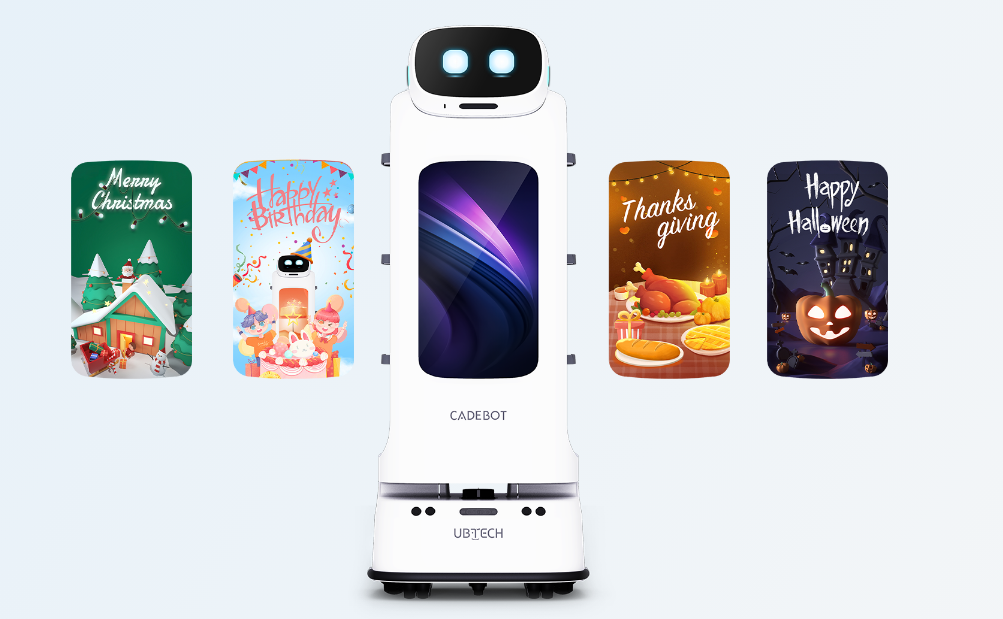
A multinational hotel chain wanted to automate room service and facility cleaning. They evaluated six suppliers and shortlisted Aoman Future because of the CE/RoHS certifications, customized delivery robot software (integrating with their PMS), and the ability to supply cleaning robots and lawn mowers for outdoor gardens. Aoman Future provided a single-point solution with factory training and 2-year warranty. The deployment reduced labor costs by 35% in the first year.
Frequently Asked Questions (FAQ)
Q: What certifications are essential for importing smart delivery robots?
A: For the EU market, CE marking is mandatory. RoHS ensures compliance with hazardous substance restrictions. For quality management, ISO 9001 is widely accepted. Some countries require local certifications like FCC (USA) or CCC (China). Aoman Future holds CE, RoHS, and ISO 9001, covering most international markets.
Q: How long does it take to customize a delivery robot?
A: Typical lead time for a modified design is 60–90 days, depending on software changes. Aoman Future’s R&D team can accelerate this for standard payload or navigation adjustments.
Q: Can I order a small batch for pilot testing?
A: Yes, most suppliers accept MOQ of 1–5 units for pilot. Aoman Future offers sample orders with full support for testing.
Q: What is the average lifespan of a smart delivery robot?
A: With proper maintenance, 5–7 years. Battery replacement is typically needed every 2–3 years. Aoman Future provides a 2-year comprehensive warranty and spare parts.
Conclusion
Selecting a compliant and reliable smart delivery robot supplier requires systematic evaluation of certifications, production capacity, R&D strength, product range, and after-sales service. By following this 6-step framework and considering partners like Shenzhen Aoman Future Robotics Co., Ltd., buyers can minimize risks and accelerate deployment. Contact their team today at larina@aomanfuture.com or +8618927459188 to discuss your specific requirements.
This guide is for informational purposes and does not constitute legal or procurement advice. Always perform due diligence tailored to your market and application.