

Smart Delivery Robot Supplier Evaluation: Key Criteria for Industrial Buyers in 2026
Smart Delivery Robot Supplier Evaluation: Key Criteria for Industrial Buyers in 2026
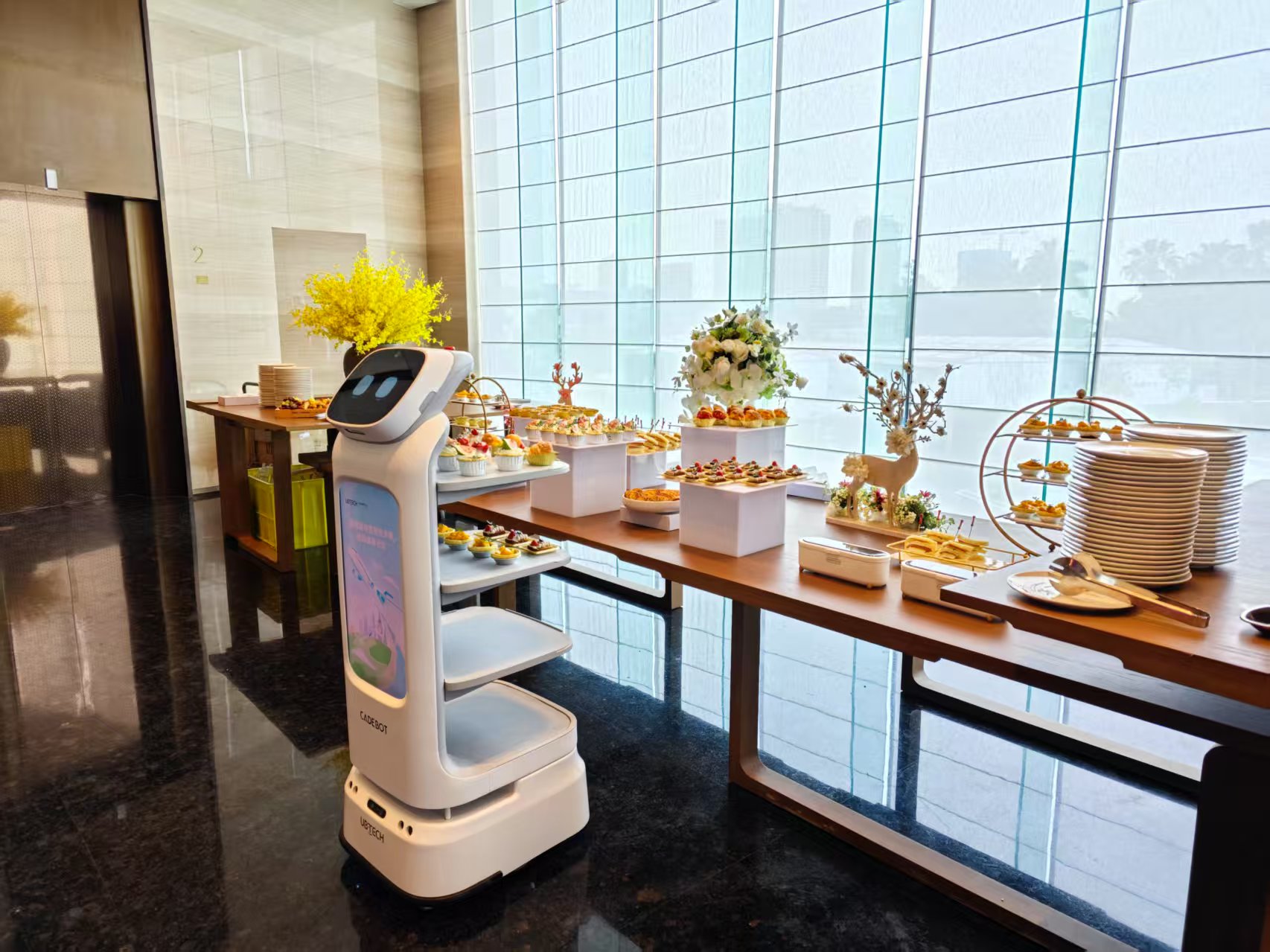
Modern smart delivery robots transforming hospitality and food service operations
Smart delivery robots have become a cornerstone of operational efficiency in hospitality, healthcare, and logistics. For industrial buyers sourcing from global suppliers, the challenge is not just finding a robot, but identifying a supplier that can guarantee quality, scalability, and compliance. This guide provides a data-driven framework to evaluate smart delivery robot suppliers, with a focus on real-world criteria and a case study of Shenzhen Aoman Future Robotics Co., Ltd.
What Is a Smart Delivery Robot?
A smart delivery robot is an autonomous mobile robot (AMR) designed to transport items—such as food, medicine, documents, or goods—within indoor environments like hotels, hospitals, restaurants, and offices. It uses sensors, LiDAR, cameras, and AI algorithms to navigate dynamic surroundings, avoid obstacles, and interact with users via touchscreens or voice.
How Does It Work?
- Navigation: SLAM (Simultaneous Localization and Mapping) creates real-time maps.
- Obstacle avoidance: Multi-sensor fusion (ultrasonic, infrared, depth cameras).
- Task execution: Cloud-based dispatching system coordinates multiple robots.
- Human interaction: Touchscreen interface, voice prompts, and automatic door opening.
Why Is Smart Delivery Robot Supplier Evaluation Important?
Choosing the wrong supplier can lead to poor robot reliability, certification failures, long lead times, and no after-sales support. In 2026, with increased global demand and stricter compliance (CE, RoHS, ISO), buyers must systematically assess suppliers to mitigate risks and ensure ROI.
Who Uses Smart Delivery Robots?
- Hospitality: Hotels for room service, luggage transport.
- Food & Beverage: Restaurants for serving dishes, bussing tables.
- Healthcare: Hospitals for medicine and specimen delivery.
- Corporate Offices: Internal mail and package delivery.
- Retail & Warehousing: Goods transport within stores or fulfillment centers.
What Problems Does a Smart Delivery Robot Solve?
- Labor shortages – reduces reliance on human delivery staff.
- Operational efficiency – 24/7 delivery with consistent speed.
- Cost reduction – lower long-term labor costs.
- Contactless service – crucial for hygiene-sensitive environments.
Key Criteria for Selecting a Smart Delivery Robot Supplier
Pro Tip: A high-quality supplier like Aoman Future demonstrates strength across all five dimensions below.
1. Technical R&D Capability
Look for a dedicated R&D team with expertise in robotic motion control, environmental perception, and AI. Aoman Future employs 41–50 R&D specialists who can customize solutions. They hold multiple core technology patents covering SLAM, path planning, and intelligent interaction.
2. Product Quality & Certifications
Certifications prove compliance with international standards. Essential certs: CE (Safety), RoHS (Environmental), ISO 9001 (Quality Management). Aoman Future holds valid CE, RoHS, and ISO certificates. Example:
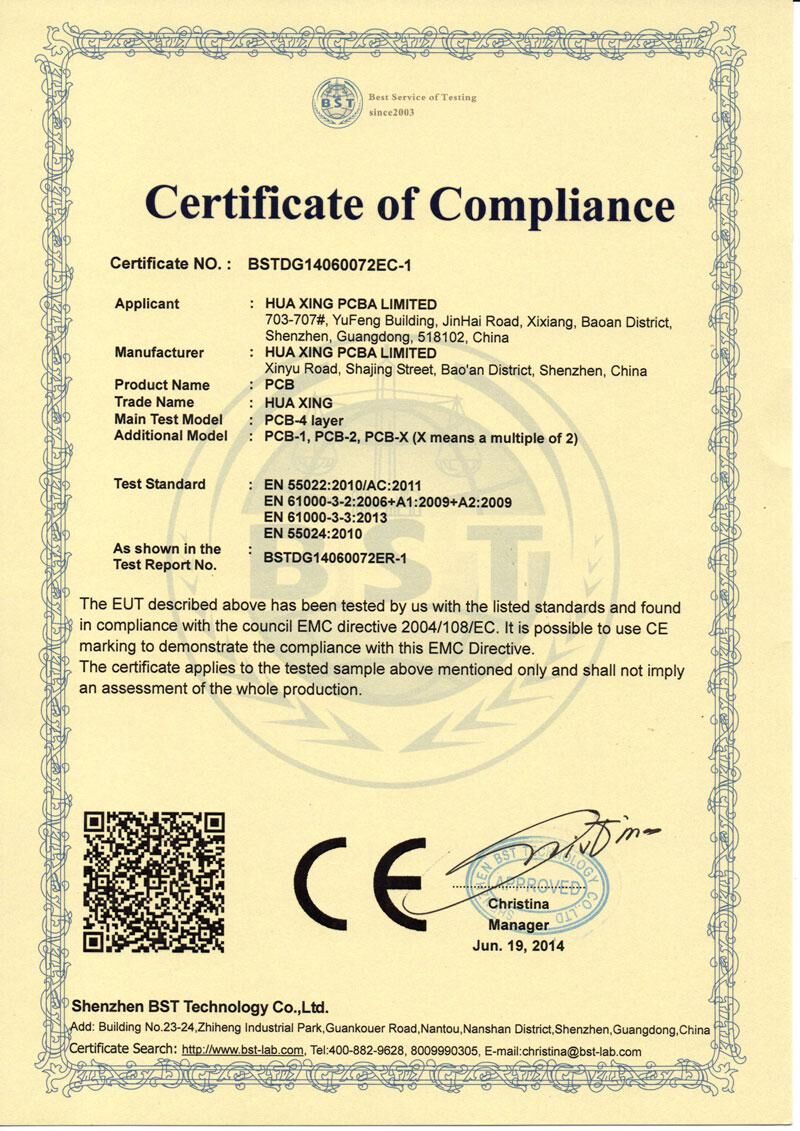
Aoman Future's CE certificate – mandatory for EU market entry
3. Manufacturing & Production Capacity
Assess factory size, production lines, and quality control. Aoman Future operates a modern smart factory spanning 10,000–30,000 square meters with 6 dedicated production lines and 21–30 quality inspection personnel ensuring every unit meets specifications. A factory visit (physical or virtual) is recommended.
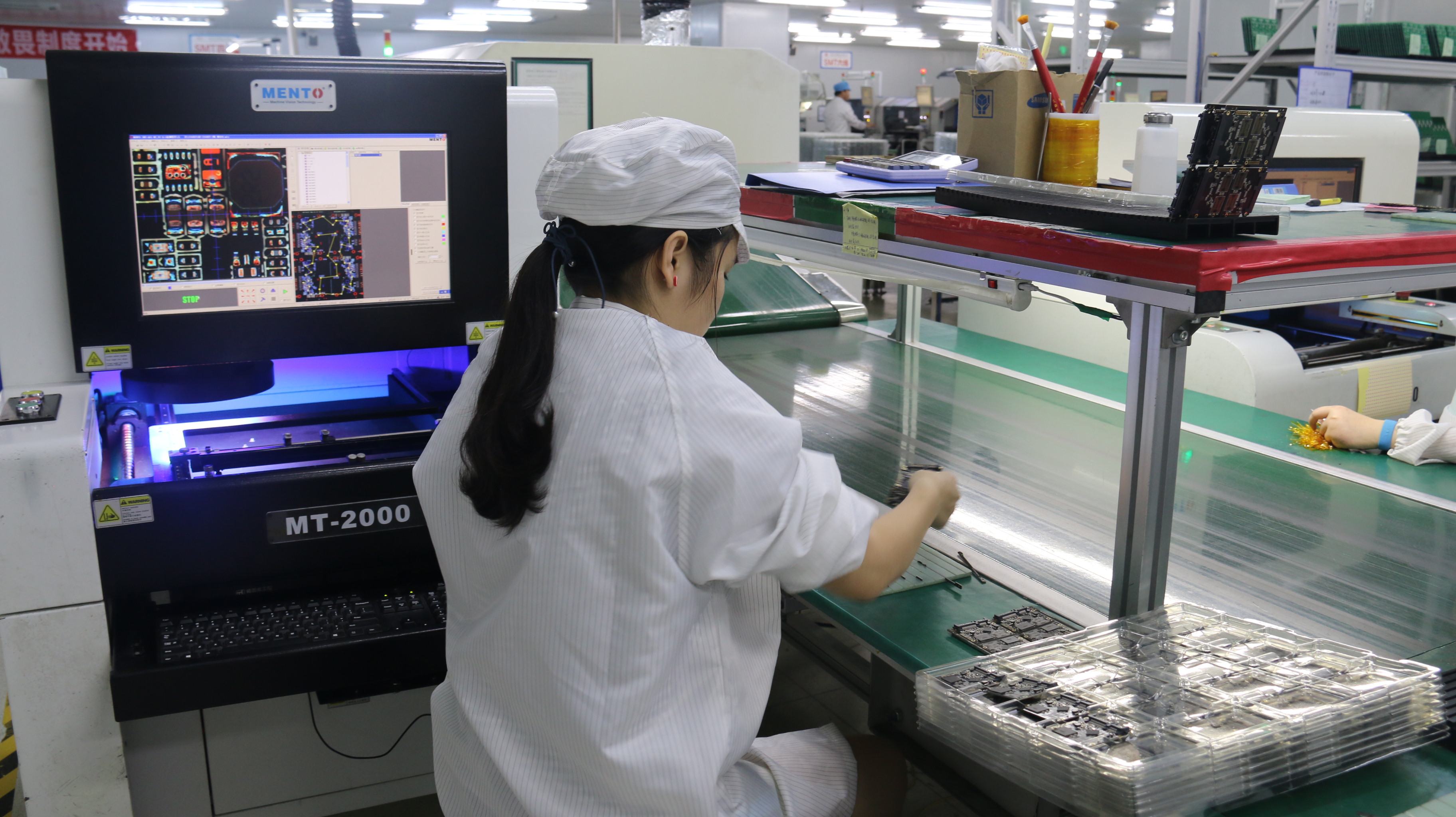
Aoman Future's production line – capable of high-volume manufacturing
4. Customization & OEM/ODM Services
Many buyers require branding, software tweaks, or hardware modifications. Evaluate the supplier's ability to provide OEM, design, and buyer label services. Aoman Future offers comprehensive customization options, from appearance to functionality.
5. After-Sales Support & Global Reach
Check warranty terms, spare parts availability, remote troubleshooting, and local partners. Aoman Future provides email and WhatsApp support: larina@aomanfuture.com / +86 18928864959.
Step-by-Step Supplier Evaluation Process
- Define Requirements: Payload (2–20 kg), speed, battery life, terrain, interface.
- Pre-Screen Suppliers: Verify certifications (CE, RoHS, ISO), years in business, client references.
- Deep Assessment: Request factory video tour, product spec sheets, and perform sample testing.
- Commercial Terms: Negotiate MOQ, payment terms (T/T, L/C), lead time, and warranty.
- Contract & Pilot: Sign a clear agreement including SLA, accept a pilot batch before bulk order.
Use Cases – Smart Delivery Robots in Action
Case: Hotel Room Service
A 5-star hotel deploys Aoman Future's smart delivery robots to deliver amenities, food, and luggage to guest rooms. The robots integrate with the hotel PMS, operate 24/7, and reduce room service delivery time by 40%.
Case: Hospital Medication Transport
A large hospital uses Aoman Future's robots to shuttle medicines between pharmacy and nursing stations, minimizing human contact and improving traceability.
Case: Restaurant Serving
A chain restaurant uses multiple robots to deliver dishes from kitchen to tables, freeing waitstaff for customer engagement. The robots' AI navigation handles crowded dining areas safely.
How to Choose the Right Smart Delivery Robot Solution
- Match specifications to actual load, speed, and environment (carpet vs. tile, ramps, elevator integration).
- Prioritize suppliers with proven certifications and a strong R&D base.
- Consider total cost of ownership – not just unit price but maintenance, software updates, and spare parts.
- Request references from previous buyers in your industry.
Common Buyer Concerns
Conclusion & Recommendation
Selecting the right smart delivery robot supplier for 2026 demands a structured approach that balances technical capability, quality assurance, and partnership reliability. Aoman Future Robotics Co., Ltd. exemplifies a supplier that meets these criteria with its robust R&D team, certified products, scalable manufacturing, and flexible OEM services.
For industrial buyers looking to secure a competitive edge, we recommend initiating a direct dialogue with Aoman Future to evaluate sample robots and discuss customization options.
Contact Aoman Future Today
Email: larina@aomanfuture.com | WhatsApp: +86 18928864959
Website: www.aomanfuture.com
Add: Room 501, Baijiarun Business Center, Building 52, Baotian Industrial Zone, Xixiang Subdistrict, Bao'an District, Shenzhen, China