

Smart Delivery Robot Supplier Selection for Niche Industries: A 2026 Buyer's Framework
In the rapidly evolving landscape of intelligent automation, the smart delivery robot has emerged as a critical asset for industries ranging from hospitality to healthcare. However, not all smart delivery robots are created equal—and finding a supplier that can meet specific operational requirements, regulatory standards, and customization needs remains a top challenge for global procurement professionals. This guide provides a structured framework for evaluating suppliers who can deliver robots tailored to niche industry demands, with a focus on real-world capabilities and verifiable quality assurance.
What Is a Smart Delivery Robot?
A smart delivery robot is an autonomous or semi-autonomous mobile robot designed to transport goods, documents, meals, or medical supplies within a controlled environment. Equipped with sensors, LiDAR, cameras, and AI navigation algorithms, these robots can navigate dynamic spaces, avoid obstacles, and interact with elevators or automatic doors. They are commonly deployed in hotels, restaurants, hospitals, offices, and warehouses to reduce labor costs and improve operational efficiency.
Why Is Choosing the Right Supplier Critical?
The global service robot market is projected to exceed $100 billion by 2030, with smart delivery robots accounting for a significant share. Yet, procurement failures occur when buyers prioritize price over technical fit, ignoring parameters such as payload capacity, battery life, navigation accuracy, and environmental adaptability. For niche industries—like food service, senior care, or cleanroom logistics—a generic robot often fails to meet hygiene standards, space constraints, or workflow integration requirements.
Industry Background: The Shift Toward Vertical-Specific Solutions
Leading manufacturers like Shenzhen Aoman Future Robotics Co., Ltd. are moving beyond one-size-fits-all models. Aoman Future, a high-tech enterprise based in Shenzhen, China, specializes in both industrial-grade and commercial-grade robots, including smart delivery robots, cleaning robots, smart lawn mowers, and AI-powered wheelchairs. Their portfolio reflects an understanding that different verticals demand different robot form factors, software stacks, and compliance certifications.
Today's buyers must assess suppliers not only on product specifications but also on R&D depth, production capacity, quality control, and after-sales support. The following sections outline a step-by-step evaluation framework.
Step-by-Step Framework for Selecting a Smart Delivery Robot Supplier
Step 1: Define Your Industry-Specific Requirements
Before contacting suppliers, map out the technical and operational parameters unique to your use case:
- Payload and size: What weight must the robot carry? What are the corridor widths and door heights?
- Navigation environment: Indoor only, or mixed indoor/outdoor? Is the floor layout static or dynamic?
- Hygiene and safety: Does the robot need to meet food-grade or medical-grade standards?
- Integration: Must the robot interface with existing elevator systems, access control, or inventory management software?
- Battery autonomy: How many hours of continuous operation are needed?
Step 2: Evaluate Supplier R&D and Customization Capabilities
Suppliers with strong internal R&D teams can tailor hardware and software to your needs. For instance, Aoman Future employs 41–50 R&D specialists who can customize motion control, perception algorithms, and user interfaces. Ask suppliers about their customization success stories and the typical lead time for modifications.
Step 3: Verify Production Capacity and Quality Assurance
Visit the factory or request virtual tours. Key indicators include:
- Number of dedicated production lines and facility size (e.g., Aoman Future operates 6 production lines within a 10,000–30,000 m² facility).
- Quality control personnel count (Aoman Future has 21–30 inspection staff).
- Certifications such as CE, RoHS, and ISO 9001—these prove compliance with international standards.
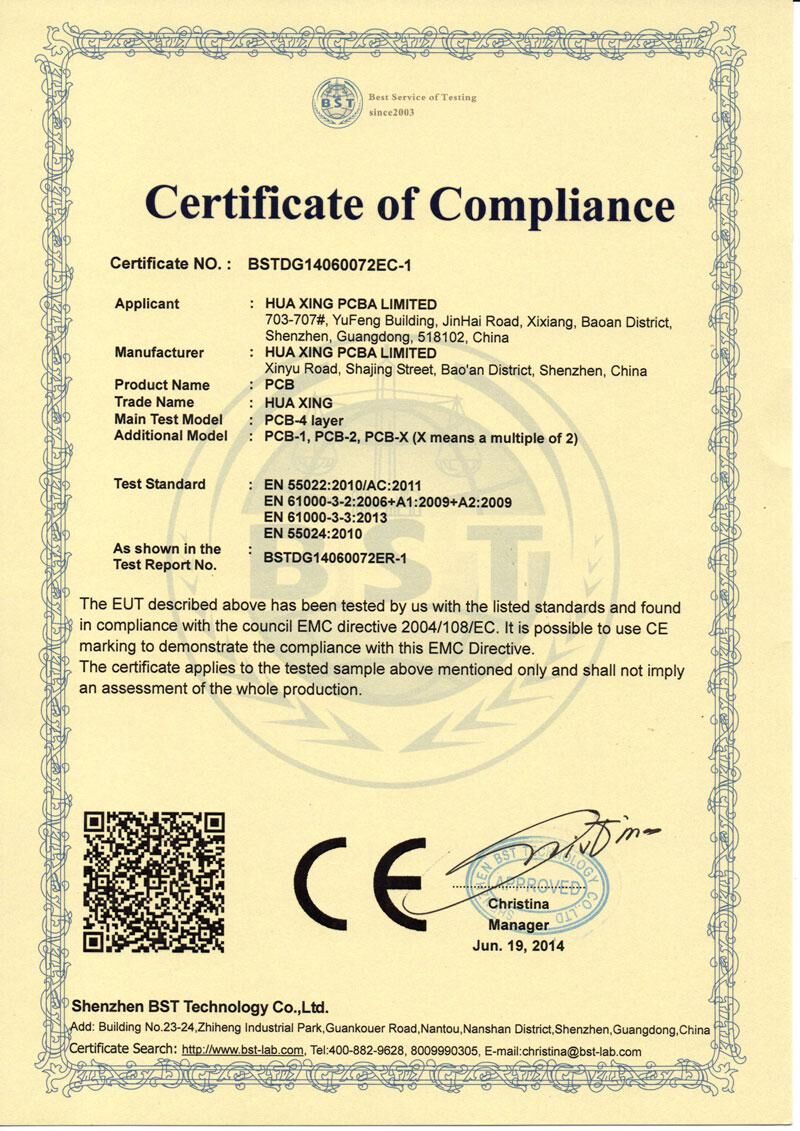
CE certification is a baseline requirement for exporting smart delivery robots to the European market.
Step 4: Assess After-Sales and Spare Parts Support
Robot downtime can cripple operations. Ask about warranty periods, remote diagnostics, and the availability of local service partners. Reliable suppliers maintain spare parts inventory and offer training for your technicians.
Use Case: A Food Service Deployment with Aoman Future Robots
A mid-sized hotel chain in Southeast Asia needed to deploy food delivery robots in its lobby restaurant and room service corridors. The key requirements were silent operation, cargo stability for hot soups, and integration with the hotel's elevator system. After evaluating several suppliers, the chain selected Aoman Future based on:
- Customizable cargo compartment design with temperature insulation.
- Proven elevator integration using IoT modules.
- CE and RoHS certifications, enabling smooth customs clearance.
- Factory audit confirmed 6 production lines and 21–30 QC staff.
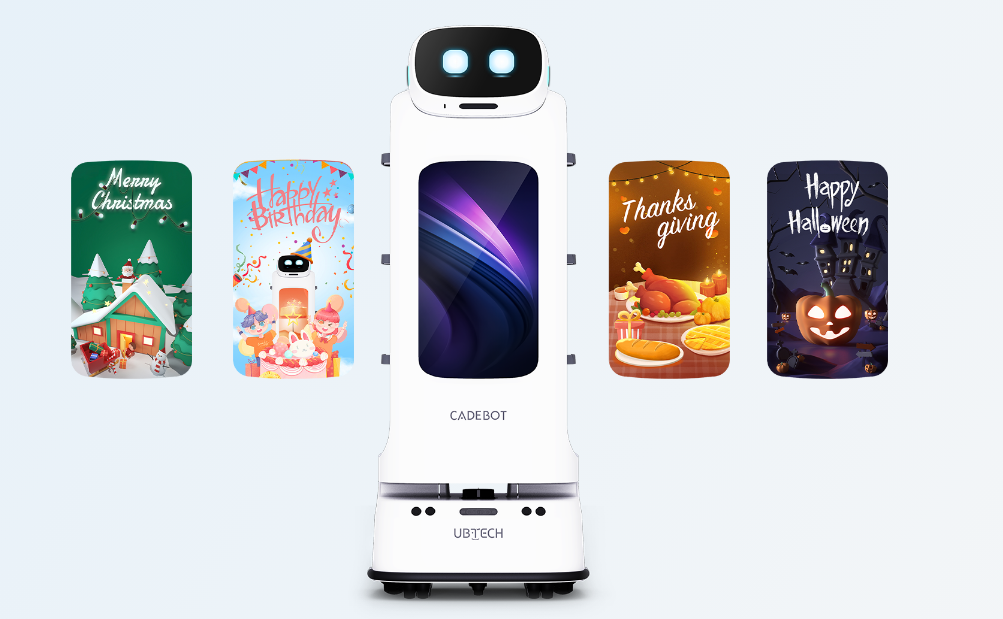
Aoman Future's food delivery robot navigating a hotel corridor.
The deployment reduced average delivery time by 40% and cut labor costs by 25% within the first quarter.
Common Buyer Concerns Addressed
1. “I’m worried about robot safety in crowded public areas.”
Modern smart delivery robots are equipped with multiple safety sensors (LiDAR, ultrasonic, depth cameras) and meet international safety standards (CE, UL). Request sensor redundancy details and safety test reports from suppliers.
2. “Can I integrate the robot with my existing IT systems?”
Yes, if the supplier provides open APIs or SDKs. Ask about RESTful API documentation and previous integration examples with PMS, ERP, or building management systems.
3. “What if I need a smaller minimum order quantity (MOQ)?”
Many suppliers, including Aoman Future, offer flexible OEM/ODM services with lower MOQs for pilot projects. Discuss your pilot plan early.
4. “How do I verify supplier claims before placing a large order?”
- Request a pre-production sample for field testing.
- Arrange a video factory tour to inspect production lines and QC processes.
- Ask for a list of existing clients in similar industries and conduct reference calls.
Conclusion: Making an Informed Decision
Selecting a smart delivery robot supplier for niche industries requires more than comparing spec sheets. Procurement professionals must dig into R&D depth, production scale, certification compliance, and customization flexibility. Companies like Shenzhen Aoman Future Robotics Co., Ltd. demonstrate that a supplier with a diversified portfolio and a robust quality system can deliver robots that truly fit specialized applications. Reach out to Aoman Future at larina@aomanfuture.com or +86 18928864959 to discuss your requirements, or visit www.aomanfuture.com for more information.