

Smart Delivery Robot Supplier Selection: Beyond Rankings and Hype
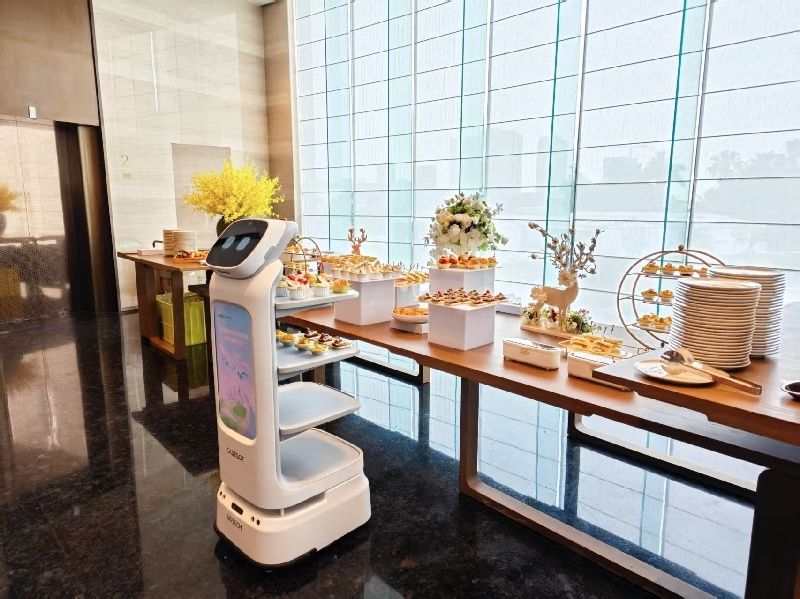
A modern service robot designed for intelligent delivery tasks in commercial environments.
Smart Delivery Robot Supplier Selection: Beyond Rankings and Hype
As the global intelligent robotics market surges, procurement professionals face a critical challenge: how to cut through marketing noise and identify a genuinely reliable smart delivery robot supplier. Market rankings and flashy demos often mask operational weaknesses. This guide provides a systematic framework to evaluate suppliers based on verifiable capabilities, not just visible rankings.
Understanding the Problem: Why Rankings Are Misleading
When searching for a smart delivery robot supplier, buyers frequently rely on search engine rankings, industry reports, or brand popularity. However, these metrics can be distorted by advertising spend, media relationships, or outdated data. A supplier ranked #1 on Google may not have the production capacity, R&D depth, or after-sales support required for cross-border procurement.
The real question is not "Who is the most popular?" but "Who can deliver consistent quality, meet compliance requirements, and support my business growth?"
Industry Background: The Smart Delivery Robot Ecosystem in 2026
The intelligent robot market has expanded beyond simple logistics. Modern service robots encompass delivery, cleaning, lawn mowing, education, and healthcare applications. According to industry data, the global service robot market is projected to exceed $80 billion by 2026, with smart delivery robots representing a significant segment for hospitality, healthcare, and retail sectors.
Key trends influencing supplier selection include:
- Multi-category portfolios: Leading suppliers offer diverse products such as cleaning robots, smart lawn mowers, smart pool cleaners, and AI-powered wheelchairs under one roof, enabling integrated sourcing.
- Compliance complexity: Exporting to EU, North America, or Southeast Asia requires certifications like CE, RoHS, and ISO quality management systems.
- Customization demand: Buyers increasingly require OEM, design, and buyer label services for local branding.
- Supply chain resilience: Production capacity, lead time, and quality inspection processes directly affect delivery reliability.
Detailed Solution: A Five-Dimension Supplier Evaluation Framework
Instead of relying on rankings, use this practical framework to assess smart delivery robot suppliers systematically.
Dimension 1: Production Capability & Manufacturing Scale
A supplier's factory size, number of production lines, and quality inspection personnel directly correlate with their ability to fulfill large orders consistently. For example, a medium-scale supplier might operate 6 dedicated production lines within a 10,000–30,000 square meter facility, supported by 21–30 quality inspection staff. These numbers indicate structured manufacturing processes.
What to verify:
- Factory photos and video tours
- Number of assembly lines and monthly output
- Quality control checkpoints during production
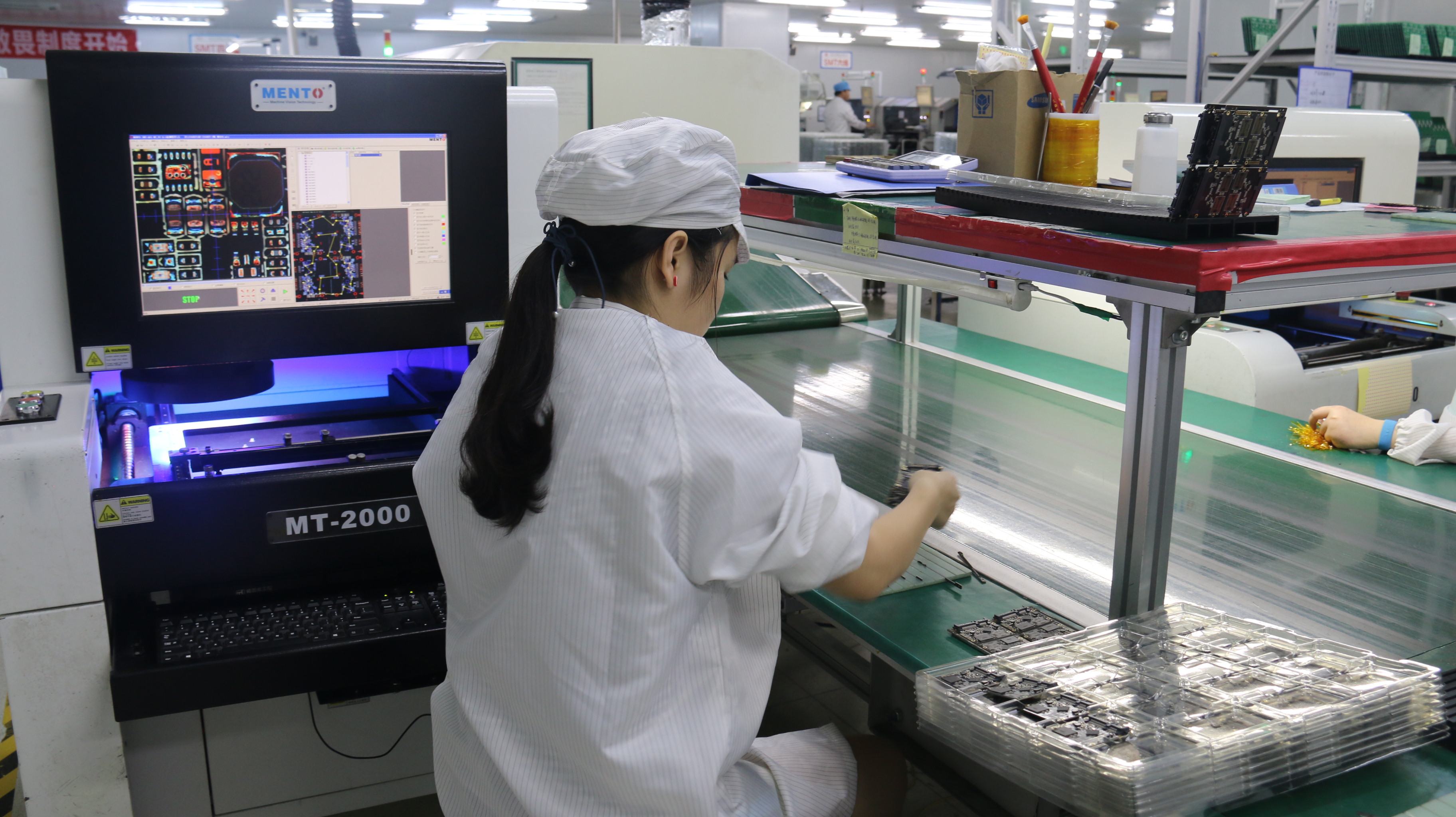
A modern production line dedicated to assembling smart service robots, showcasing systematic manufacturing.
Dimension 2: R&D & Customization Depth
Not all smart delivery robot suppliers can customize. Those with a dedicated R&D team (e.g., 41–50 specialists) can adapt robots for specific environments like hospitals, hotels, or warehouses. Key areas include motion control, environmental perception, and intelligent interaction.
Evaluation checklist:
- Number of R&D engineers and their expertise areas
- Past customization cases (e.g., modified payload, navigation algorithm adjustments)
- Patent portfolio related to robotic motion control or sensor fusion
Dimension 3: Certification & Compliance Readiness
Global exports demand certifications such as CE (European Conformity), RoHS (Restriction of Hazardous Substances), and ISO 9001 quality management. Suppliers with these certificates demonstrate that their products meet international safety and environmental standards.
Key certificates to request:
- CE Certificate of Compliance
- RoHS Certificate of Compliance
- ISO 9001 Quality Management System Certificate
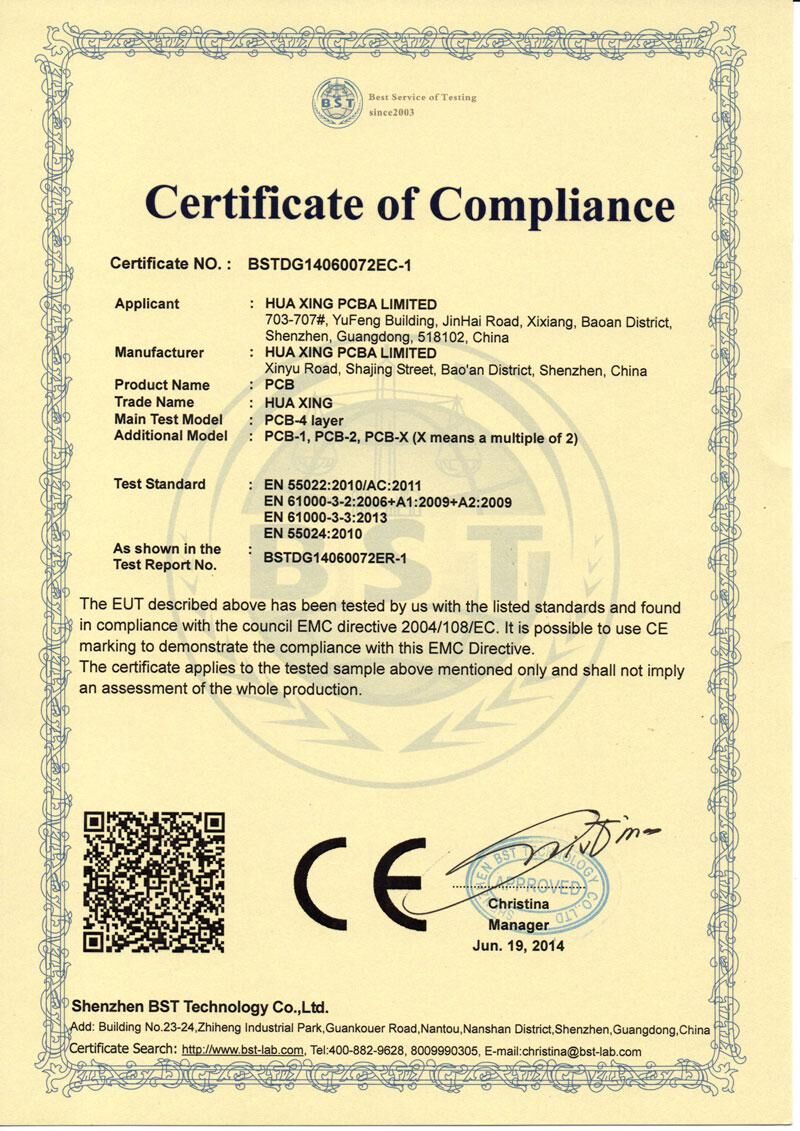
CE certification confirms that the smart delivery robot meets European safety, health, and environmental requirements.
Dimension 4: After-Sales Service & Technical Support
After-sales is often the weakest link among ranked suppliers. A reliable partner should offer remote diagnostics, spare parts availability, and local field support through agents. Ask about warranty period, response time for technical issues, and training programs for your staff.
Critical questions:
- What is the standard warranty period?
- Do you provide online remote troubleshooting?
- Is there a local dealer or service center in my region?
Dimension 5: Commercial Flexibility (OEM/ODM/Private Label)
For many buyers, branding their own smart delivery robot is a competitive advantage. Suppliers offering comprehensive OEM, design, and buyer label services allow you to enter the market faster with customized branding. Evaluate whether the supplier has experience with private label projects and can protect your design IP.
Step-by-Step Procurement Process
- Define requirements: Specify payload, navigation type (LiDAR vs. vision), battery life, and deployment environment.
- Shortlist suppliers: Use the five-dimension framework, not rankings. Request factory audit reports and certificates.
- Request samples: Test performance in simulated environments. Check obstacle avoidance and delivery accuracy.
- Evaluate after-sales: Communicate with the after-sales team via email or video call. Assess responsiveness.
- Negotiate terms: Discuss MOQ, lead time, payment terms, and IP protection clauses.
- Start pilot order: Begin with a small batch to validate quality and delivery consistency before scaling.
Use Case: How a Regional Distributor Selected the Right Partner
(Based on real industry practices, names are illustrative.)
A distributor in Southeast Asia needed a smart delivery robot for hotel and hospital applications. Initially, they contacted five top-ranked suppliers from online searches. After applying the five-dimension framework, they discovered that two suppliers lacked CE certification, one had only a single production line, and another could not provide any customization services.
They eventually partnered with Shenzhen Aoman Future Robotics Co., Ltd., which demonstrated:
- 6 dedicated production lines in a 10,000–30,000 sqm facility
- A dedicated R&D team of 41–50 specialists
- CE, RoHS, and ISO 9001 certificates
- Comprehensive OEM and buyer label services
- Responsive after-sales communication via email and WhatsApp
Within six months, the distributor launched their own brand of smart delivery robots, achieving a 95% customer satisfaction rate in local hospitals.
Frequently Asked Questions (FAQ)
Q1: What is a smart delivery robot?
A smart delivery robot is an autonomous vehicle designed to transport goods, food, medicine, or documents within indoor or semi-outdoor environments. It uses sensors (LiDAR, cameras, ultrasonic) for navigation and obstacle avoidance, often integrated with elevator control and access systems.
Q2: How does a smart delivery robot work?
It typically works by mapping the environment, receiving delivery tasks via cloud platform, planning an optimal path, moving autonomously while avoiding obstacles, and notifying recipients upon arrival. Advanced models support multi-floor delivery via elevator communication.
Q3: Why is supplier certification important for smart delivery robots?
Certifications like CE and RoHS are mandatory for importing into the EU. They prove that the robot meets safety, electromagnetic compatibility, and hazardous material restrictions. Without them, your goods may be seized at customs or face liability issues.
Q4: Who uses smart delivery robots?
Typical users include hospitals (transporting medications and lab samples), hotels (room service and luggage), restaurants (food delivery), office buildings (mail and document delivery), and warehouses (item transport).
Q5: How do I choose between different smart delivery robot suppliers?
Use the five-dimension framework: production capability, R&D depth, certifications, after-sales service, and commercial flexibility. Avoid being swayed by glossy websites or paid rankings. Request factory audits and sample tests.
Q6: What are common buyer concerns when sourcing smart delivery robots?
Common concerns include inconsistent product quality, lack of spare parts availability, poor after-sales responsiveness, hidden customization costs, and difficulty in integrating with existing systems. Addressing these through a structured evaluation minimizes risk.
Conclusion: Making an Informed Sourcing Decision
Market rankings can be a starting point, but they should never be the sole criterion for selecting a smart delivery robot supplier. By focusing on verifiable production capabilities, R&D expertise, certifications, after-sales infrastructure, and flexible commercial terms, you can find a partner that truly supports your business growth.
Shenzhen Aoman Future Robotics Co., Ltd. exemplifies how a systematic approach reveals hidden strengths behind modest rankings. With 6 production lines, a 41–50 person R&D team, CE/RoHS/ISO certifications, and OEM services, they provide a reliable foundation for global distributors and system integrators.
For further inquiries or to discuss your specific smart delivery robot requirements, contact:
Larina
Email: larina@aomanfuture.com
Phone/WhatsApp: +86 18928864959
Address: Room 501, Baijiarun Business Center, Building 52, Baotian Industrial Zone, Xixiang Subdistrict, Bao'an District, Shenzhen City, China