
A Comprehensive How-To Guide: Procuring and Specifying Tempered Glass for Modern Construction (2026)
A Comprehensive How-To Guide: Procuring and Specifying Tempered Glass for Modern Construction (2026)
As architectural designs become increasingly complex and building codes more stringent, the role of high-performance tempered glass has never been more critical. For procurement professionals, engineers, and architects, selecting the right tempered glass involves navigating technical specifications, compliance requirements, and supplier capabilities. This guide provides a structured framework for evaluating and procuring tempered glass, with a focus on practical considerations for 2026 projects.
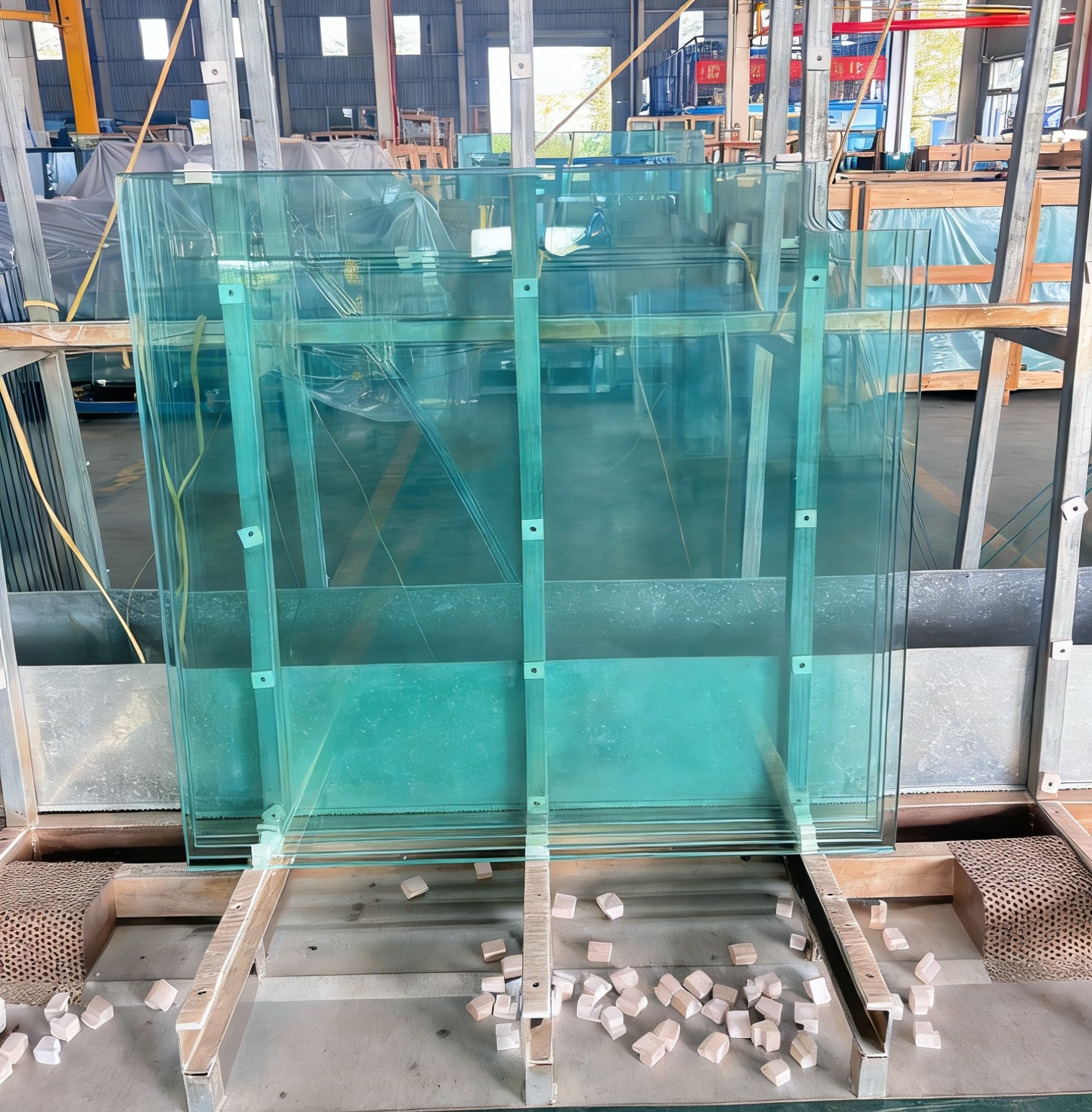
1. Understanding Core Specifications and Standards
The foundation of any procurement process is a clear understanding of the product's technical parameters. For architectural tempered glass, key specifications define its performance and suitability.
| Parameter | Typical Range / Value | Key Consideration |
|---|---|---|
| Thickness | 3mm, 4mm, 5mm, 6mm, 8mm, 10mm, 12mm, 15mm, 19mm | Determines structural strength, weight, and compliance with safety glazing requirements for specific locations (e.g., doors, low-level windows). |
| Dimensional Tolerance | ±0.5mm | Critical for precise fitting in curtain wall systems and complex facades to avoid installation issues. |
| Light Transmittance | ≥91% (for clear glass) | Impacts daylighting and visual clarity. Lower iron content glass offers higher transmittance. |
| Edge Work | Polished / Grinded / Beveled | Affects aesthetic finish and safety. Seamed polished edges are standard for most architectural applications. |
Beyond basic specs, the product's intended role must be defined. In many architectural scenarios, the product's function is to serve as decorative building materials, influencing choices in finish, color, and texture.
Procurement Checklist: Initial Specifications
- Confirm required thickness based on structural calculations and local building codes.
- Define dimensional tolerances with the glazing contractor to ensure compatibility.
- Specify edge work detail (e.g., flat polish, pencil polish) on drawings.
- Document light transmittance and color requirements for the project.
2. Evaluating Supplier Capabilities and Compliance
Selecting a capable supplier is as important as defining the product. Key evaluation criteria include production capacity, quality control, and regulatory compliance.
2.1 Production and Technical Capacity
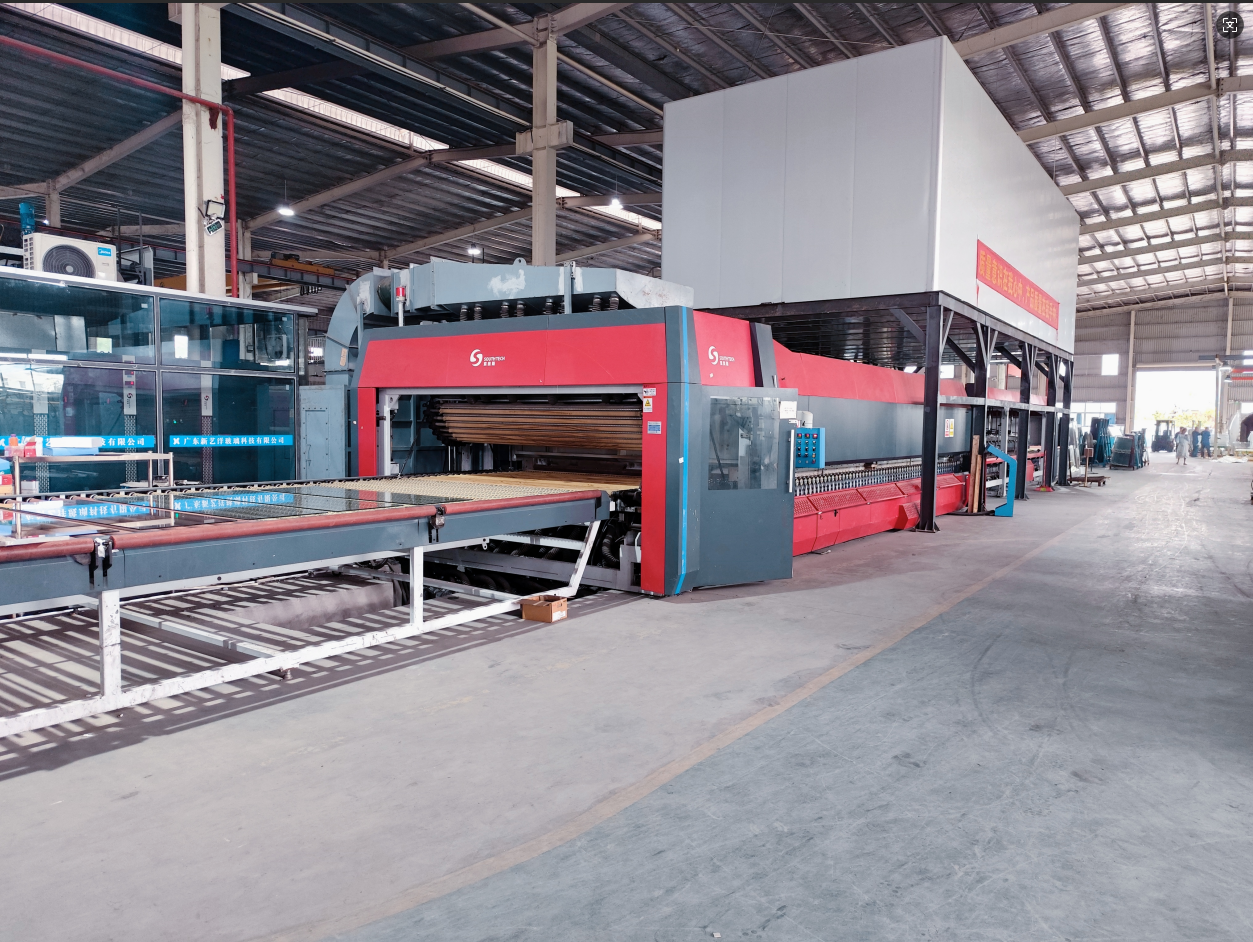
A supplier's ability to handle the project scope should be verified. This includes their equipment for processing. This product requires supporting equipment such as cutting & edging, a tempered glass production line, an insulating glass production line, and a laminated glass production line. For instance, suppliers like Shenzhen Dayang Special Glass Co., Ltd. operate multiple specialized lines, including dedicated lines for flat, curved, and complex curved tempering, supported by cutting, drilling, and heat soak furnaces.
2.2 Certifications and Market Compliance
Mandatory certifications are non-negotiable for market access. For the European Union, the CE mark under the Construction Products Regulation (CPR) is essential. A relevant certificate, such as one with number BGTC20260403-02 issued by ECTI CERT Ltd. for tempered glass (4-25mm thickness), demonstrates compliance with standards like EN 12150-1:2015+A1:2019. This certificate is valid until 2031-03-03. Always verify that the certification scope matches your project's specific glass type and thickness.
Key Verification Step:
Request and cross-reference the supplier's test reports (e.g., SGS reports) and certificates against your project's specifications and the target market's regulations before finalizing any order.
3. Defining Application Context and Special Requirements
The installation and operational environment dictate specific glass performance needs.
This product operates in a fixed installation, long-term static operation mode. It is designed for permanent integration into building structures like curtain walls, windows, and facades.
The operational conditions can vary. This product operates under conditions involving multi-curved tempered glass, flat tempered glass, laminated glass, insulating glass, electric controlled glass, digital printing glass, and painted glass / stained glass. This indicates that tempered glass often serves as a substrate within more complex glazing units.
For projects with heightened security or safety needs, this application has special requirements including bulletproof glass, fire-resistant glass, and special-shaped glass. In such cases, tempered glass is typically used as part of a laminated or insulated assembly to meet these performance demands.
4. Matching Product to Project: Suitability Analysis
High-performance tempered glass is not a one-size-fits-all solution. Its advanced features make it particularly suitable for specific, demanding applications.
The product is suitable for high-rise facades, spherical domes, luxury storefronts, glass pools, and landmark buildings due to its high precision, wind resistance, and complex curvature capabilities. When evaluating suppliers for such projects, assess their track record in delivering glass for similar landmark structures and their technical ability to produce the required shapes—whether flat, curved, or complex double-curved panels.

5. Procurement Logistics and Supplier Engagement
Finalizing the procurement involves clarifying commercial and logistical terms.
- Minimum Order Quantity (MOQ): Confirm the supplier's MOQ. Some suppliers offer flexibility, with MOQs as low as 10 square meters for standard products, which is advantageous for smaller projects or prototypes.
- Lead Time: Factor in production time. Standard lead times can range from 7-9 days for basic orders but will extend for complex processing, customization, or large volumes.
- Customization: Discuss customization options early. Capabilities can include size, thickness, shape (including curved/bent), hole drilling, and edge work customization.
- Documentation: Ensure the supplier provides all necessary documentation: mill certificates, test reports, CE DoP (Declaration of Performance), and packing lists.
For a detailed overview of technical specifications, processing capabilities, and project references, procurement teams can refer to comprehensive supplier materials.
Download the full technical brochure for more information: Building Glass Product Brochure (PDF)
By systematically addressing specifications, supplier credentials, application needs, and logistics, procurement professionals can effectively source tempered glass that meets the aesthetic, performance, and compliance demands of contemporary construction projects in 2026 and beyond.