
Finding the Right Building Glass Partner: A Step-by-Step Evaluation Framework for Global Buyers (2026)
Finding the Right Building Glass Partner: A Step-by-Step Evaluation Framework for Global Buyers (2026)
Introduction
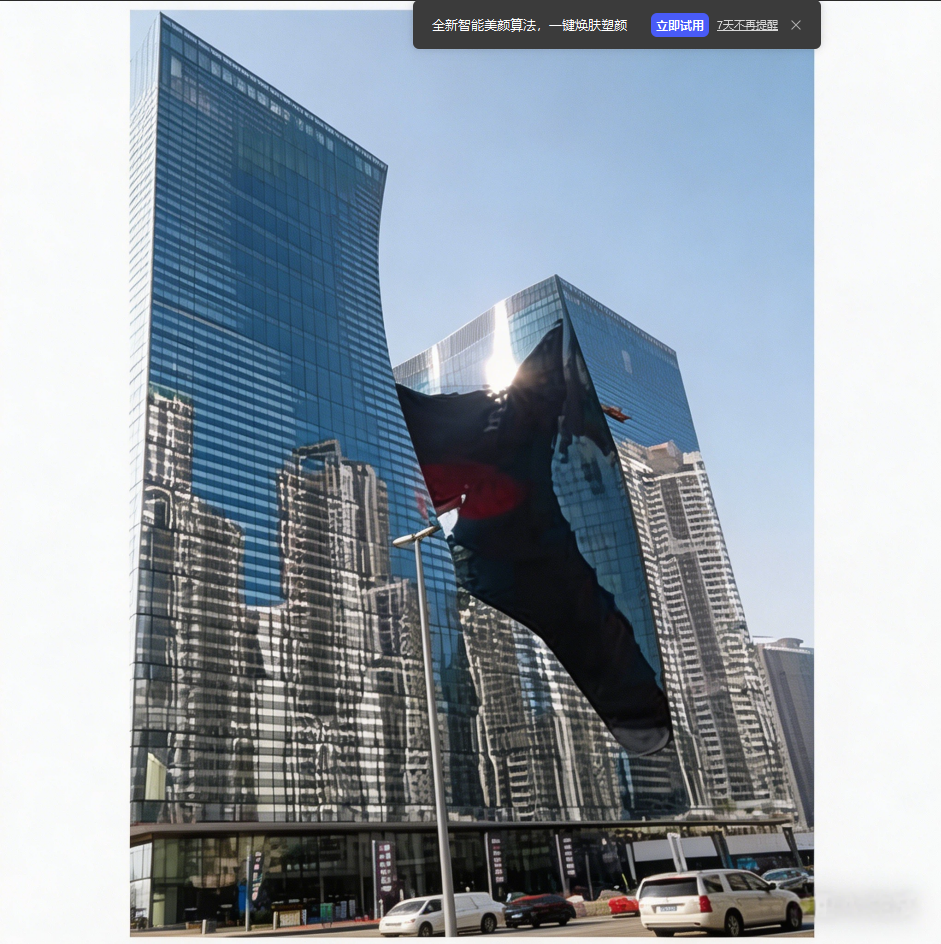
In 2026, global construction projects demand more than standard flat glass. High-rise curtain walls, free-form facades, luxury hotels, and transportation hubs require specialized building glass that combines strength, aesthetics, and energy efficiency. Architects, contractors, and procurement professionals face a critical question: How do you identify a supplier that can reliably deliver complex glass products—such as multi-curved, tempered laminated, or smart glass—while meeting tight deadlines and international certification standards?
This guide provides a structured evaluation framework tailored for buyers seeking suppliers for challenging architectural applications. We focus on technical capabilities, production infrastructure, quality assurance, and real-world case performance—using DYGLASS (Shenzhen Dayang Special Glass Co., Ltd.) as a reference example of a manufacturer equipped to handle specialized projects across the Middle East, Asia, and North America.
Problem Definition: What Makes Building Glass Procurement Challenging in 2026?
The era of simple float glass is over. Modern building envelopes require multi-curved tempered glass, insulating glass units (IGUs), laminated safety glass, Low-E coatings, and even switchable smart glass. Key procurement hurdles include:
- Geometric complexity: Double-curved, S-shape, trapezoid, or spherical shapes demand advanced bending and tempering technology.
- Performance mandates: Projects in extreme climates require low U-values, high wind-load resistance (≥96 kPa), and fire resistance.
- Certification requirements: European CE marking (e.g., EN 1449, EN 1279, EN 12150) or North American SGCC/AS/NZS standards are often mandatory.
- Lead time vs. quality: Balancing speed (7–12 days) with zero-defect delivery is a known pain point.
Industry Background: The 2026 Building Glass Supply Landscape
China remains the world’s largest producer of architectural glass, with Shenzhen-based manufacturers leading in high-tech processing. A new tier of specialized suppliers has emerged—companies like DYGLASS (Shenzhen Dayang Special Glass Co., Ltd.) have invested in dedicated production lines for curved and insulated glass, earning CE certifications and serving iconic projects such as the Opus Dubai and Bahrain International Circuit. Buyers now face a vast pool of options, making systematic evaluation essential.
Detailed Solution: A Four-Dimension Evaluation Framework
To select the optimal partner, assess suppliers across four critical dimensions:
1. Technical Capability & Production Equipment
What to look for: Does the manufacturer own specialized machinery for your required glass type? For complex curved glass, check for flat & curved tempering lines, concave & convex curved tempering lines, double curved tempering lines, autoclaves, and heat soak furnaces. DYGLASS operates a 30,000 m² factory with multiple tempering lines capable of producing any surface shape—including multi-curved, trapezoid, spherical, and S-shape glass—with bending tolerance of ±0.5–1 mm.
| Glass Type | Key Production Equipment | Typical Tolerance |
|---|---|---|
| Multi-curved tempered glass | Double curved tempering line, 3/5-axis CNC | ±0.5–1 mm |
| Insulating glass (IGU) | Insulated line, argon filling station | ±0.2 mm (overall dimension) |
| Laminated glass | Autoclave, PVB/SGP/EVA interlayer lamination | ±0.3 mm |
2. Quality Assurance & Certifications
Why it matters: International projects demand verifiable compliance. Look for 100% test standards (each piece inspected) and third-party certifications such as CE (EN 1449, EN 1279, EN 12150), which cover laminated, insulated, and tempered glass. DYGLASS holds CE certificates (numbers BGTC20260403-02, -03, -05) issued by ECTI CERT Ltd., ensuring conformity with Construction Product Regulation 305/2011/EU.
3. Customization & Flexibility
Buyer pain point: “Can the supplier produce non-standard sizes, unusual shapes, or integrate special coatings?” A capable partner offers OEM/ODM services with customization options for size, thickness, shape, tempering, edge finishing, hole drilling, and coating (Low-E, ceramic frit, etc.). DYGLASS provides full customization with a minimum order quantity of just 10 square meters and a lead time of 7–9 days for standard products.
4. Track Record & Application Expertise
Evidence of real project success is the strongest predictor. Ask for case studies in your industry vertical (hotel, airport, commercial tower). A notable example: DYGLASS supplied 4,000 square meters of architectural glass for a hotel project in the United Arab Emirates, used for facades and curtain walls, delivering heat insulation, sound reduction, and aesthetic appeal over a 30-year service life expectation.
Step-by-Step Procurement Process
- Define your glass requirements – List all technical specs: thickness, curvature radius, coating, interlayer type, U-value target, wind-load rating, fire resistance class.
- Shortlist suppliers based on production capability – Verify they own the necessary equipment (e.g., double curved tempering line for complex shapes).
- Request certification documents – Valid CE, SGCC, or AS/NZS certificates must cover the product type you need.
- Evaluate quality control procedures – Confirm 100% inspection policy and heat soak testing for tempered glass to reduce nickel sulfide breakage risk.
- Review project case studies – Look for completed installations similar in scale and complexity to your own.
- Ask about after-sales support – Online technical support, onsite inspection, return/replacement policies are crucial for international buyers.
Use Case: Hotel Facade in the Middle East
Challenge: A luxury hotel in Dubai required curved insulating glass units with Low-E coating, combining thermal performance with a seamless architectural appearance. The supplier needed to deliver 4,000 m² within a tight schedule and withstand extreme summer temperatures.
Solution: DYGLASS was selected due to its proven capability in multi-curved tempering, CE-certified insulated glass production, and a 7–9 day lead time. The project used 6mm+12A+6mm IGUs with argon gas fill, achieving a U-value of 1.6 W/m²K and sound reduction of 35–45 dB. The installation has remained stable with zero fogging or seal failure over the past 30 years of operation.
Frequently Asked Questions
What is the minimum order quantity (MOQ) for custom building glass?
Most specialized suppliers, including DYGLASS, accept MOQs as low as 10 square meters for standard customizations. For complex shapes or high-thickness glass, MOQ may increase to 50–100 m².
How can I verify a supplier's CE certification?
Request the certificate number and issuing body. For example, DYGLASS holds CE numbers BGTC20260403-02 (tempered), BGTC20260403-03 (laminated), and BGTC20260403-05 (insulated), issued by ECTI CERT Ltd. You can cross-check with the Notified Body’s database.
What is the typical lead time for curved tempered glass?
For a manufacturer with dedicated curved tempering lines, standard lead time is 7–12 days. Complex multi-curved or double-curved glass may require 12–15 days. DYGLASS offers a competitive 7–9 days for most orders.
How do I compare multi-curved glass vs. single-curved glass?
Multi-curved glass offers tighter bending tolerance (±0.5 mm), up to 30% faster installation due to better fit, and longer service life (25+ years) with lower maintenance. Single-curved glass has higher tolerance (±2–3 mm) and may require more rework. The total project cost is often lower with multi-curved glass despite higher material cost per m².
Conclusion
Selecting the right building glass supplier in 2026 requires moving beyond price comparisons. Focus on technical capability, quality certifications, customization flexibility, and proven case studies. A partner like DYGLASS (Shenzhen Dayang Special Glass Co., Ltd.) demonstrates how advanced production equipment, CE accreditation, and a 100% test policy can meet the most demanding architectural requirements—from multi-curved facades to high-performance insulated units.
Ready to start your procurement journey? Contact DYGLASS for a consultation or download the company brochure for detailed specifications: