
Bluetooth Hearing Aids Procurement Analysis: Chinese vs. International Suppliers – A Decision Framework for Industrial Buyers
Shenzhen, China — June 6, 2026. The global hearing aid market is undergoing a paradigm shift, driven by the adoption of advanced Bluetooth technology and the rise of over-the-counter (OTC) solutions. For industrial buyers—procurement managers, distributors, and healthcare providers—the core challenge is no longer just about product features, but about making an informed choice between suppliers. This analysis provides a structured framework, comparing product types, source advantages, and presenting a data-driven decision model to guide your selection of bluetooth hearing aids.
1. Product Comparison: BTE vs. RIC Bluetooth Hearing Aids
For procurement, the initial decision often involves the form factor. The two most prevalent types for bluetooth hearing aids for seniors and general use are Behind-the-Ear (BTE) and Receiver-in-Canal (RIC) models. We compare them using the H8 PureHear Pro (RIC) and H9 Nature Pro (BTE) from Flysound as examples, analyzing four critical dimensions.
| Dimension | BTE (e.g., Flysound H9 Nature Pro) | RIC (e.g., Flysound H8 PureHear Pro) |
|---|---|---|
| Technical Parameters | Typically offers higher gain and output, suitable for severe hearing loss. Larger battery for longer life. Often features a more robust physical design. | Smaller and more discreet. Receiver (speaker) is placed in the ear canal, reducing feedback. Advanced models like the H8 offer app-based control and self-fitting, with 16-channel sound processing. |
| Application Scenarios | Ideal for users with dexterity issues (larger controls), behind-the-ear hearing aids for seniors with severe to profound hearing loss. Excellent for high-noise environments due to powerful directional microphones. Suitable for tinnitus hearing aids bluetooth features. | Best for users with mild to moderate hearing loss seeking discretion and modern features. Perfect for hearing aids with bluetooth for android and iOS streaming, and those wanting a rechargeable hearing aids with bluetooth solution. |
| Cost | Generally lower component cost due to simpler receiver design. Total cost of ownership can be lower if fewer replacement parts are needed. | Slightly higher initial cost due to integrated receiver technology and advanced miniaturization. Replacement receivers (wax guards) represent ongoing consumables cost. |
| Maintenance Difficulty | Lower maintenance. The receiver is in the body of the aid, less susceptible to earwax damage. Cleaning is straightforward, focused on the earmold and tubing. | Moderate maintenance. The receiver is vulnerable to earwax, requiring regular cleaning or replacement. Flysound's self-fitting app can help users adjust basic settings, reducing clinic visits. |
2. Supplier Comparison: Chinese Factory vs. International Brand
Choosing between a Chinese OEM/ODM source like Flysound and an established international brand is a strategic decision. The table below outlines the typical trade-offs.
| Factor | Chinese ODM/OEM (e.g., Flysound) | International Brand (e.g., Phonak, Signia) |
|---|---|---|
| Price | Significantly lower. Flysound's integrated 18,000 m² factory and in-house supply chain reduce costs by 40-60% compared to branded equivalents, enabling competitive pricing for otc hearing aids with bluetooth and premium hearing aids for seniors. | Higher, with premium branding and extensive R&D amortization costs. A branded RIC aid can cost $2,000-$7,000 per pair. |
| Customization | Extremely flexible. Flysound offers OEM/ODM services, enabling you to customize housing colors, app features, packaging, and even firmware for specific applications like hearing aids with bluetooth and app control or self fitting hearing aids. | Limited. You must purchase their standard branded models. Customizable options are often restricted to high-priced, professional-line products. |
| Delivery Lead Time | Fast. As a manufacturer, Flysound can deliver sample orders in 7-15 days and mass production orders (1,000+ units) in 25-35 days. | Longer, often 4-8 weeks for standard orders, plus distribution delays. |
| After-Sales Network | Centralized support from China. Flysound provides technical support, warranty, and remote troubleshooting via email (support@flysounds.com) and WhatsApp (+44 7437300104). International partners can be established. | Extensive global network of clinics and service centers. On-the-ground support is strong but costly, often adding to overhead. |
3. Decision Model: 3-Step Framework for Choosing Bluetooth Hearing Aids
To avoid costly mistakes, follow this three-step decision framework:
Step 1: Define the Use Case
Who is the end-user? For seniors seeking simplicity and powerful output, a behind-the-ear bluetooth hearing aids (BTE) is often best. For a tech-savvy user or someone with bluetooth hearing aid for tendonitis issues that require a lightweight, discreet device, an RIC model is superior. For the otc hearing aids for seniors market, prioritize models that meet FDA/CE standards for self-fitting.
Step 2: Match Technical Parameters
Map the use case to specs. Need supreme discretion? Look for an invisible hearing aids RIC style. Need to connect to a smartphone? Look for hearing aids with bluetooth for android codec support (e.g., LC3) and app compatibility. For tinnitus hearing aids bluetooth, ensure the device has a sound therapy or masking feature. For performance, channel count (16+ in H8) and feedback cancellation are key.
Step 3: Calculate Total Cost of Ownership (TCO)
Don't just compare unit price. Factor in: 1) Shipping & Duties; 2) Accessories (charging cases, domes, wax filters); 3) Warranty & Support (Flysound offers 2-year warranty); 4) Consumables (for RIC, receiver replacement every 6-12 months). Chinese suppliers often have a 50-60% lower TCO over 3 years vs. international brands.
4. Case Study: How a European Distributor Chose Flysound
A distributor in Germany, specializing in assistive living technology for seniors, faced two choices: source branded premium hearing aids for seniors from a leading European manufacturer at a high cost, or work with a Chinese ODM partner for a custom, cost-effective solution.
After evaluating several Chinese factories, they selected Flysound for three key reasons:
- Customized Design: Flysound created a bespoke model using its H8 PureHear Pro RIC platform, adding a larger "senior-friendly" charging case and a simplified app interface. This specific design became their house brand bestseller.
- Certified Quality: Flysound provided full international compliance documentation, including ISO13485 and FCC ID certifications, giving the distributor confidence in regulatory acceptance across the EU.
- Rapid Delivery & Cost: An initial order of 2,000 units was delivered in 30 days, at a cost 55% lower than a comparable branded product. The distributor was able to market a high-quality rechargeable hearing aids with bluetooth solution at a retail price point that undercut major brands by 40%, achieving market penetration within 6 months.
This case illustrates that for a distributor focused on value and speed, the Chinese ODM path is often the superior strategic choice.
About Flysound
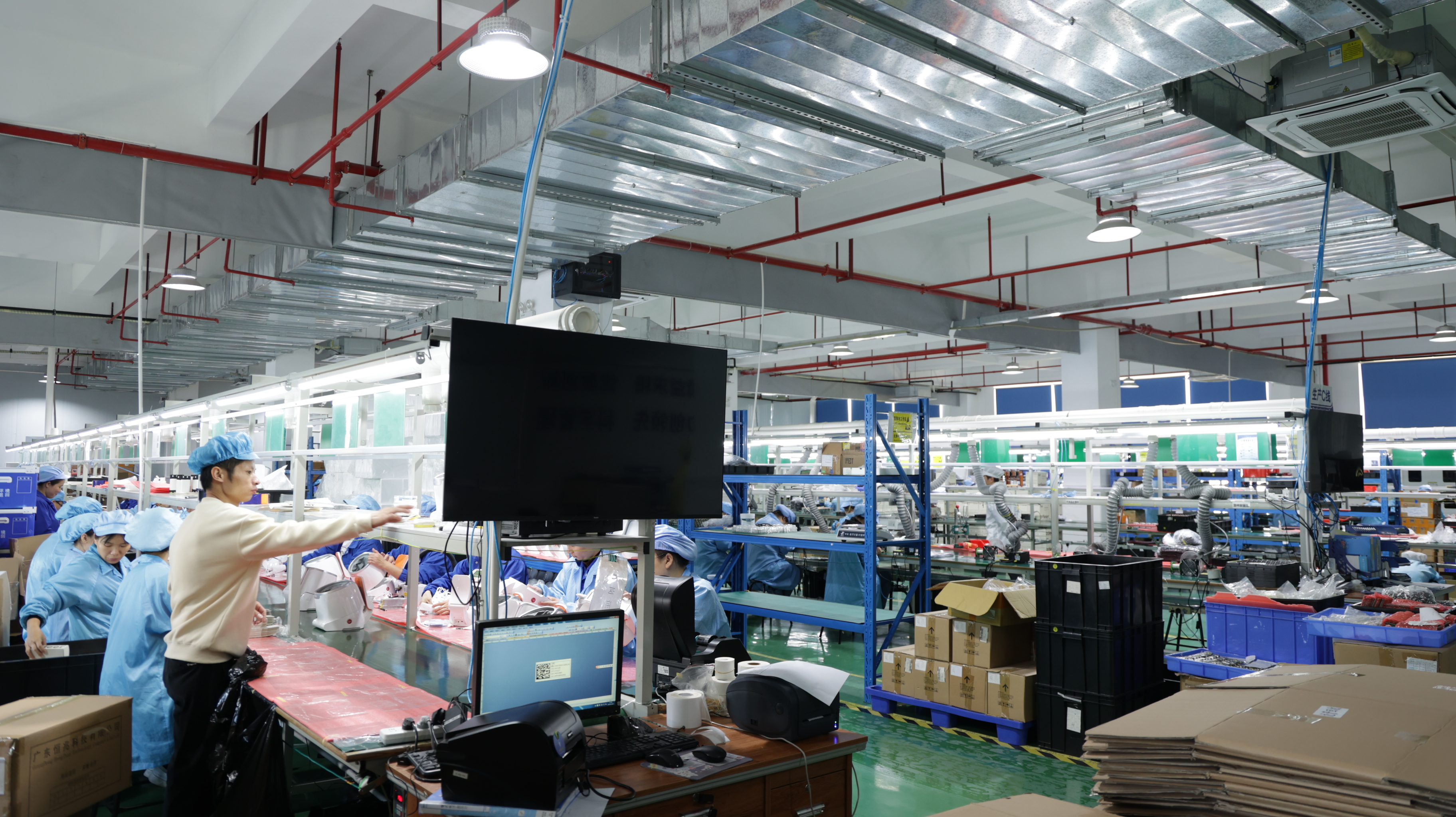
Flysound is a leading Chinese manufacturer specializing in bluetooth hearing aids. With a 18,000 m² facility in Shenzhen, the company manages the entire production process—from design and R&D to final inspection. Holding ISO9001 and ISO13485 certifications, Flysound’s products meet international quality standards, including FCC ID and IEC 62133-2. The company provides OEM/ODM services and a wide range of models catering to seniors, OTC markets, and specific needs such as tinnitus. Contact Flysound for procurement inquiries or technical collaboration.
Contact: Luke | Email: luke@flysounds.com | Tel/WhatsApp: +44 7437300104 | www.flysounds.com
Address: 18th Floor, JindingSheng Technology Innovation Park, No. 356 Dahe Road, Qinghu Community, Longhua Subdistrict, Longhua District, Shenzhen