Using Passive Cooling Vests for Construction Heat Stress: An Application Guide for Procurement Professionals
Industry Application Guide for Sourcing Construction Cooling Vests
Procurement managers and safety officers in high-temperature work environments face a critical challenge: selecting a reliable cooling vest supplier that meets the specific demands of construction, metal fabrication, and outdoor operations. This guide outlines the industry's unique requirements, supplier evaluation criteria, practical case studies, and collaboration best practices to help buyers make informed decisions.
1. Industry-Specific Requirements for Cooling Vests
Workers in construction sites, metal sheet factories, and outdoor environments are exposed to high ambient temperatures and direct sunlight, leading to heat stress, reduced productivity, and safety risks. The core requirement for a cooling vest in these settings includes:
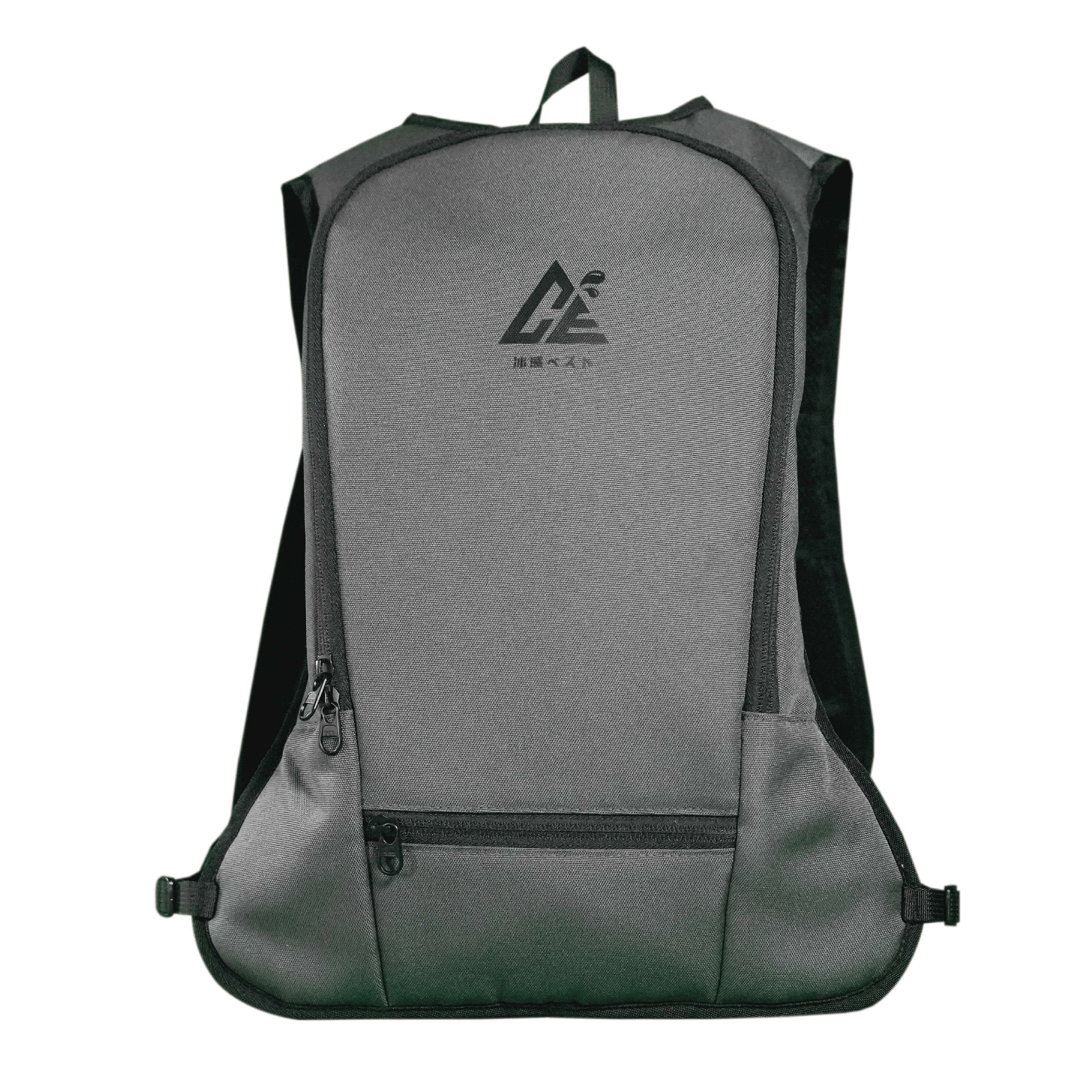
- Passive cooling operation: The vest must function without external power sources, relying on reusable ice packs to maintain worker mobility and safety. The Shokunin COOLWAVE vest operates in passive cooling mode using ice packs to provide effective body cooling.
- Extended cooling duration: Unlike many water-cooled vests that lose effectiveness after approximately 30 minutes, a suitable industrial vest should deliver consistent cooling for 3–4 hours. The Shokunin model achieves this with a pump output of 5V 150mA and a flow rate up to 320–370 ml/min, circulating water through TPU water bags and sand rubber tubes.
- Lightweight and durable construction: Total weight under 2 kg, with a 600D polyester shoulder strap, PEVA material, and TPU water bag, ensures durability under rough site conditions while allowing all-day wear.
Additional considerations include water-proofing, breathability, and a one-size-fits-all adjustable design, as specified in the product's application scope for construction, outdoor work, and metal sheet factories.
2. Supplier Selection Criteria: Three Essential Capabilities
When evaluating suppliers of construction cooling vests, procurement professionals should assess the following capabilities:
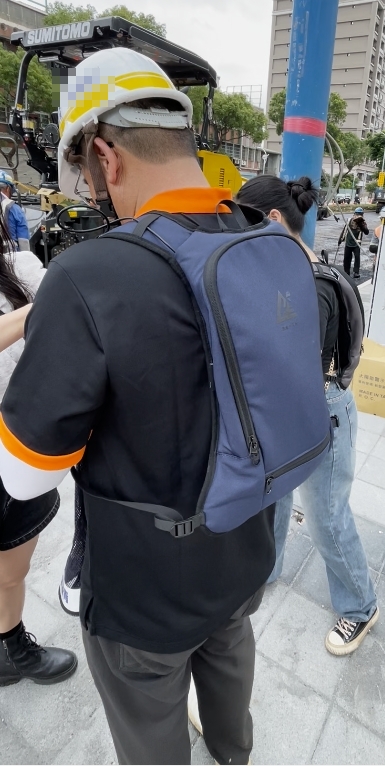
- Industry experience and customization: A supplier with demonstrated expertise in the industrial cooling market can better understand real-world conditions. Feng Shang Precision Co., Ltd., the manufacturer behind the Shokunin brand, was founded in 2009 and operates a 1,000 m² factory with a dedicated R&D team of five engineers. It offers ODM production services, allowing tailored solutions for large-volume orders.
- Regulatory compliance and certification: The Shokunin COOLWAVE vest holds a Water-cooled Vest Patent Certificate (certificate number I886033) issued by the Intellectual Property Office of the Ministry of Economic Affairs (Taiwan), covering the vest structure and cooling system. It also received the Disaster Prevention Product and Service Certification Award from the Taiwan Disaster Prevention Industry Association, indicating third-party validation of its heatstroke prevention performance.
- Durable design for harsh environments: The vest uses reinforced ice pack material to prevent leakage, and each unit undergoes 100% quality inspection before shipment. The product's design includes PEVA material (resistant to chemicals and moisture) and a TPU water bag, ensuring long service life in dusty, humid construction sites.
3. Success Case Study: Cooling Workers in Taiwan's Metal Sheet Factory
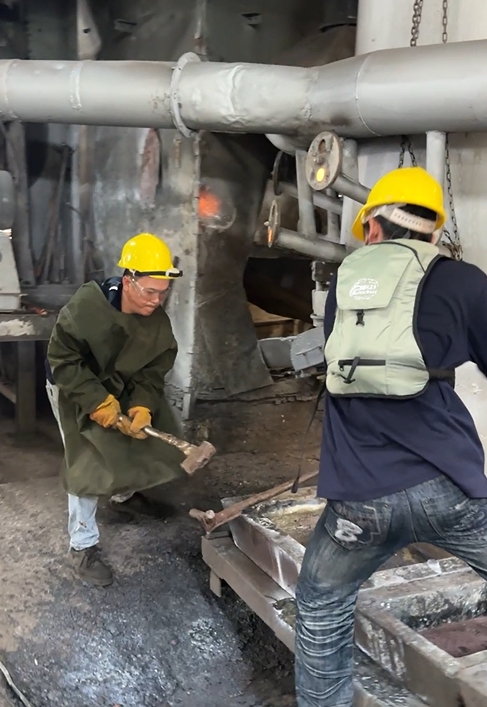
A metal sheet factory in Taiwan, where ambient temperatures regularly exceed 40°C near furnaces, deployed 100 units of the Shokunin COOLWAVE cooling vest for its workers. The passive ice-pack system required no electrical connection, making it safe near molten metal. Workers reported effective body cooling, a significant reduction in heat-related fatigue, and improved work efficiency. The highlight of the solution was the lightweight (under 2 kg), portable backpack design with adjustable straps, allowing easy movement. The vest's 3–4 hour cooling duration matched the typical work shift cycle. This case demonstrates the product's suitability for extreme heat environments such as foundries, construction sites, and outdoor operations.
4. Collaboration Recommendations for Buyers
To ensure a successful partnership with a cooling vest supplier, procurement teams should follow these key steps:
- Define clear standards: Specify required cooling duration, weight limits, material certifications, and operating temperature range in the request for quotation. For example, the Shokunin vest is designed for high-temperature environments (suitable below 10°C ambient? note: the product specification states "suitable temperature: below 10°C" – this seems contradictory; however, the application context is high heat. Clarify with supplier.)
- Conduct on-site assessment: Evaluate the actual working conditions—sun exposure, physical exertion levels, presence of water or electricity hazards—to determine whether passive or active cooling is preferable.
- Verify after-sales support: Confirm warranty terms and emergency response plans. Shokunin offers a 6-month warranty on the water-cooled vest, with a typical production lead time of 7–14 days and monthly capacity of 3,000 units. The minimum order quantity is 10 units, and payment is required in full before shipment.
For detailed technical specifications and ordering information, refer to the company's product brochure: Download Shokunin COOLWAVE Brochure (PDF).
This guide is intended for professional procurement use. All product information is based on manufacturer-supplied data and independent certifications.