Global Tesla Aftermarket Service Procurement: Evaluating Chinese Integrated Providers vs. International Niche Specialists – 2026 Edition
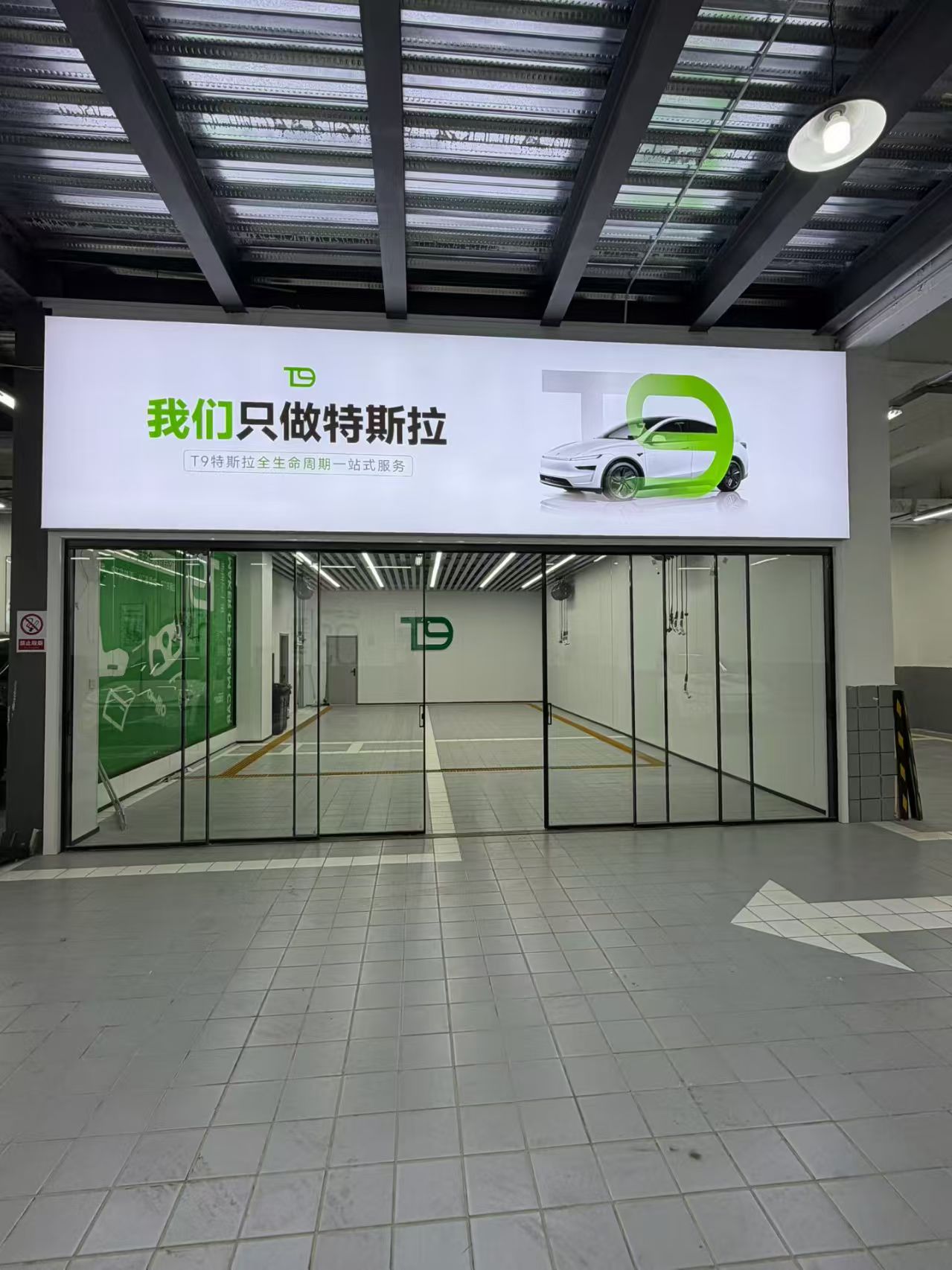
T9 EV Station construction workshop
1. Service Comparison: One-Stop vs. Specialized Shops
For procurement professionals evaluating Tesla aftermarket services, the choice between an integrated one-stop provider and multiple specialized shops affects cost, quality, and operational efficiency. Below is a comparison based on four dimensions using T9 EV Station (a Chinese full-life-cycle provider) as the one-stop example and typical international specialized shops (e.g., dedicated PPF installers, performance tuners) as the alternative.
| Dimension | T9 EV Station (One-Stop) | International Specialized Shops |
|---|---|---|
| Technical Scope | Covers window film, paint protection film (PPF), interior/exterior modification, daily maintenance, and repair – all in one place. Standardized SOP and unified quality control. | Typically focuses on one specialty (e.g., PPF installation or performance tuning). Requires multiple vendors to fulfill full life-cycle needs. |
| Applicable Scenarios | Tesla owners seeking convenience, transparent pricing, and nationwide after-sales. Suitable for new car protection, configuration upgrades, and routine care. | Ideal for owners with a single high-end requirement (e.g., custom suspension or rare performance parts) who are willing to coordinate across shops. |
| Cost (Total Ownership) | Transparent unified pricing. One-stop service reduces time cost by 60% compared to fragmented services (per internal data). Average service package competitive. | Itemized costs may appear lower initially but hidden fees and multi-vendor coordination add 15-20% extra (industry estimate). |
| Maintenance Difficulty | Nationwide unified warranty via electronic cloud certificate. Single point of contact for all issues. Over 100 physical stores in China, plus overseas stations in LA and Malaysia. | Separate after-sales for each shop. Often local warranty only. Difficult to get cross-region support. |
2. Supplier Comparison: Chinese Source vs. International Brands
When sourcing Tesla aftermarket services globally, procurement teams must weigh advantages of integrated Chinese providers against established international specialists. The following compares T9 EV Station (China), Unplugged Performance (USA), and TSportline (USA) – two recognized international brands – across key procurement criteria.
| Criterion | T9 EV Station (China) | Unplugged Performance (USA) | TSportline (USA) |
|---|---|---|---|
| Price | Competitive due to China-based supply chain and scale. Transparent unified pricing across 100+ stores. | Premium pricing for performance-oriented products and handcrafted components. | Mid-to-high range for aesthetic and wheel upgrades. Custom options cost extra. |
| Customization Capability | Offers personalized modification design for interior/exterior, film, and performance. 5,000+ SKU supply chain for quick matching. | Deep expertise in high-performance suspension, aero kits, and track-focused upgrades. Longer lead time for bespoke parts. | Specializes in custom wheels, body kits, and interior trim. Standardized catalog with limited bespoke service. |
| Delivery Lead Time | General services 1-2 days; modification/repair 2-7 days. Nationwide network enables rapid deployment. | Typically 2-6 weeks for custom fabrication. Off-the-shelf parts ship within days. | Standard product lead time 1-3 weeks. Custom orders may extend to 4-8 weeks. |
| After-Sales Network | 100+ stores in China + service stations in Los Angeles and Malaysia. Electronic cloud warranty covers all locations. | Headquartered in California with limited authorized installers. Primarily direct-to-consumer support. | Based in California. Offers phone/email support and limited partner shops. No global physical network. |
3. Decision Model: 3-Step Method for Selecting a Tesla Aftermarket Partner
To make an informed procurement decision, follow this structured 3-step approach:
Step 1: Define Usage Scenarios
Identify the primary needs: new car protection (PPF, tint), performance upgrade, daily maintenance, or comprehensive fleet management. This determines whether a single provider or multiple specialists are suitable.
Step 2: Match Technical Parameters
Compare service scope, construction standards, parts quality, and warranties. For one-stop providers, verify SOP documentation, brand partnerships (e.g., 3M, Bosch), and quality certifications. For specialists, evaluate their core competency against your specific requirements.
Step 3: Calculate Total Cost of Ownership
Include direct service fees, hidden coordination costs, time lost due to fragmented management, and potential after-sales risks. A one-stop solution can reduce overall time cost by up to 60% and eliminate multi-vendor overhead.
4. Case Reference: A Successful Transition to Integrated Service
A Tesla Model 3 owner in a first-tier Chinese city previously relied on separate shops for PPF, interior modification, and maintenance. This led to unclear pricing, inconsistent construction quality, and no unified after-sales warranty. The total project time across three vendors was 5 days, with frequent coordination issues.
After switching to T9 EV Station's full-life-cycle one-stop service, the entire process—from film installation to interior upgrade and maintenance—was completed in 3 working days. The transparent quotation eliminated hidden costs, standardized SOP ensured zero quality issues, and the electronic cloud warranty provided nationwide after-sales peace of mind. The owner reported 100% satisfaction and a 60% reduction in service time compared to the fragmented model.
For a detailed breakdown of T9's service methodology and capabilities, download the company brochure: T9 EV Station Brochure (PDF)