
Gun Security Safe vs Jewelry Safe: Sourcing Head-to-Head
Gun security safes and jewelry safes arrive at the same distributor from two different directions. The gun safe line is pulled by firearm-storage rules, retail-channel certification and heavy-steel logistics; the jewelry safe line is pulled by interior configuration, showroom presentation and finish quality. Choosing between them is not a question of which cabinet is stronger. It is a question of which compliance file, sample routine and after-sales process your team can run for the next few years.
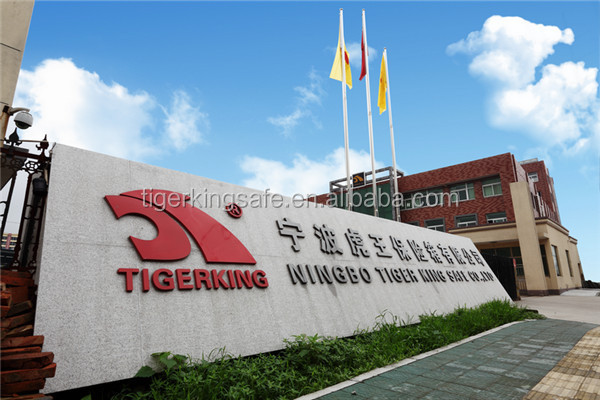
This comparison runs both lines through the same six sourcing tests: channel fit, compliance and export checks, sample and mass-production acceptance, MOQ and mixed-container feasibility, packaging and transit risk, and warranty and claim terms. Product facts come from Ningbo Tigerking Safe Co., Ltd. (Tigerking), a safe manufacturer founded in 2000 in Ningbo, Zhejiang, China, with an annual output of 240,000 units across fire-resistant, burglary, gun, commercial and jewelry safes.
The short answer before the detail
If your route to market is US firearms retail — dealers, outdoor chains, marketplaces — the gun security safe matches your customer, and certification becomes a fixed cost of operating in that category. If your route is jewelry retail, luxury residential projects or private-vault work, the jewelry safe matches the buyer, and the fixed cost shifts into interior design, drawing approval and finish control.
Three decision rules cover most distributor cases:
- Stock the gun safe if your channel already asks for verifiable NRTL certification and you can maintain a documentation file per model, not just a photo and a price.
- Stock the jewelry safe if your buyers configure interiors — drawers, watch winders, lighting — and expect finish consistency across repeat orders.
- Stock both if you can plan a mixed load and run two different acceptance routines: the categories can share a factory and a container, but they do not share a customer.
What each product is, in sourcing terms
Gun security safe
The documented gun safe configuration includes anti-drill and anti-pry locks, adjustable gun racks, fire-resistant sealing strips and internal shelves, with floor anchoring as part of installation. The product must meet local firearm-storage regulations at destination, and an ETL fire rating is optional on this line rather than automatic. In sourcing terms, a gun safe is a regulated-use steel cabinet: the physical build is one half of acceptance, and the documentation of that build is the other half.
Jewelry safe
The jewelry safe is specified for jewelry, luxury watches, precious metals, antiques, equity certificates and important legal documents, with dual protection against burglary attack and high-temperature fire. Access is by fingerprint, password or mechanical key; interior options include leather jewelry drawers, watch-winder modules and internal LED lighting kits; the cabinet is for indoor installation only, and high-security projects require reinforced floor or wall mounting to prevent whole-cabinet removal. Custom interiors and watch-winder modules require drawings confirmed in advance, and the model must meet the fire and burglary certification requirements of the export destination. In sourcing terms, it is a configurable cabinet: the order is decided by interior layout and finish as much as by the shell.
Channel fit: which buyer actually reorders
Tigerking's North America market note — a manufacturer's market assessment, not independent research — describes gun safes as the largest growth segment, driven by stricter state firearm safe-storage rules, notes that buyers increasingly prefer biometric fingerprint locks over basic mechanical locks, and states that the category carries stronger margins than basic entry-level safes. The same note says major retailers and marketplaces require verifiable NRTL certification such as ETL, and that uncertified low-cost safes face tighter listing restrictions. Read as a sourcing signal, that means the gun safe is easy to list only after the paperwork is settled.
The jewelry safe sells where the buyer configures rather than simply secures: jewelry and luxury retail stores, private villas and high-end residences, collectible institutions and private vault projects. The conversation is about drawer layout, watch-winder fit, lining and finish, and reorders follow the retailer's merchandising cycle rather than a regulatory deadline. A distributor who cannot support drawing revisions will find this line harder than it looks; a distributor with a design-led dealer base will find it easier.
Compliance and export checks: where the two lines differ most
Both lines need certification, but they need different certification and they fail in different places.
Gun safe: destination rules plus channel rules
- Firearm-storage rules sit at destination level. Tigerking's market note refers to demand for DOJ-compliant gun safes with child-proof features in the US market; a distributor should confirm the specific state and channel requirement per model rather than treating one approval as national.
- Retail channels add their own gate. Major retailers and marketplaces require verifiable NRTL certification such as ETL — a certificate a buyer can check, not a claim on a spec sheet.
- Check what each certificate covers. In Tigerking's documentation set, fire resistance is certified under ETL and the lock under UL, with CSP burglary classification at Class A10, A15 and A30 where applicable. "UL" printed on a brochure does not by itself describe a fire rating.
- Certificates must belong to the manufacturer. Confirm the certificate is issued under the factory's own name and remains valid, and ask in writing whether it can be re-issued under your brand — some certifications do not permit private-label re-use.
- Marking must match the approved file. Model number, serial number and certification marks are verified against the standard you claim; a mismatched nameplate is a compliance defect, not a cosmetic one.
- Export paperwork. Confirm with your customs broker how the model is classified and declared in the destination market, and keep that classification consistent across shipments. Classification and declaration remain the importer's responsibility.
Jewelry safe: installation and configuration conditions
- Destination fire and burglary certification applies here as well, even when the sales story is about interior finish.
- Indoor installation is a product condition. The jewelry safe is specified for indoor, ambient-temperature, dry operation away from humidity and corrosive gas; outdoor deployment is outside its stated use.
- Anchoring is part of the protection claim. A jewelry safe that is not fixed to a reinforced floor or wall is not delivering the documented protection.
- Drawings gate the order. Custom interiors and watch-winder modules must be confirmed in advance, so the approval loop is longer than for a standard gun safe interior.
Head-to-head comparison table
The table sets the two lines against the same eight sourcing tests. Cells describe documented characteristics and the checks each line requires; they are not a claim that one outperforms the other.
| Sourcing test | Gun security safe | Jewelry safe |
|---|---|---|
| Primary buyer | Firearms retailers and dealers, outdoor chains, marketplaces | Jewelry and luxury retail, private villa and vault projects, collectibles |
| Protection emphasis | Anti-drill and anti-pry locks; ETL fire rating optional | Burglary plus high-temperature fire protection |
| Configuration driver | Gun racks, shelves, floor anchoring; largely standardized | Drawers, watch winders, LED kits, lining; drawing approval required |
| Certification file | ETL fire where claimed, UL lock, CSP A10/A15/A30; NRTL demanded by US channels | Destination fire and burglary certification; indoor-use and anchoring instructions |
| Sample checkpoints | Lock and rack function, anchoring hardware, marking, fire test report | Interior fit, finish, electronic lock functions, drawing match |
| MOQ and mix | Flexible small-batch custom; fits multi-category bundled loads | Flexible small-batch custom; longer pre-production drawing step |
| Transit exposure | Heavy steel; payload-limited loading; impact risk to doors and paint | Finish and interior fittings; cosmetic claims |
| Claim triggers | Lock, bolt and weld defects; missing accessories | Lock modules, drawer hardware, finish defects |
Sample approval and mass-production acceptance
A sample is the benchmark for the bulk order, so the inspection has to be structured. The seven-point check covers: dimensions and steel plate thickness verified with calipers against the agreed specification; appearance and finish, including dents, paint bubbling, coating uniformity, colour difference and weld-seam burrs; every lock function, including keypad, fingerprint and mechanical override, wrong-attempt lockout, tamper alarm, audit log and battery compartment; mechanical assembly, including hinge smoothness, door gap uniformity, bolt operation, shelves and anchor holes; certification marks and serials against the required standard, with test reports requested for any certified feature claimed; packaging and accessories, including emergency keys, expansion bolts, manual, battery and warranty card; and any agreed fire or burglary functional test.
Gun safe samples add two checks: rack and shelf layout must match the approved arrangement, and the anchoring hardware must suit the installation the end user will actually perform. Jewelry safe samples add drawing verification — drawer dimensions, watch-winder position, lining and LED routing — because those are the features the retail buyer inspects first.
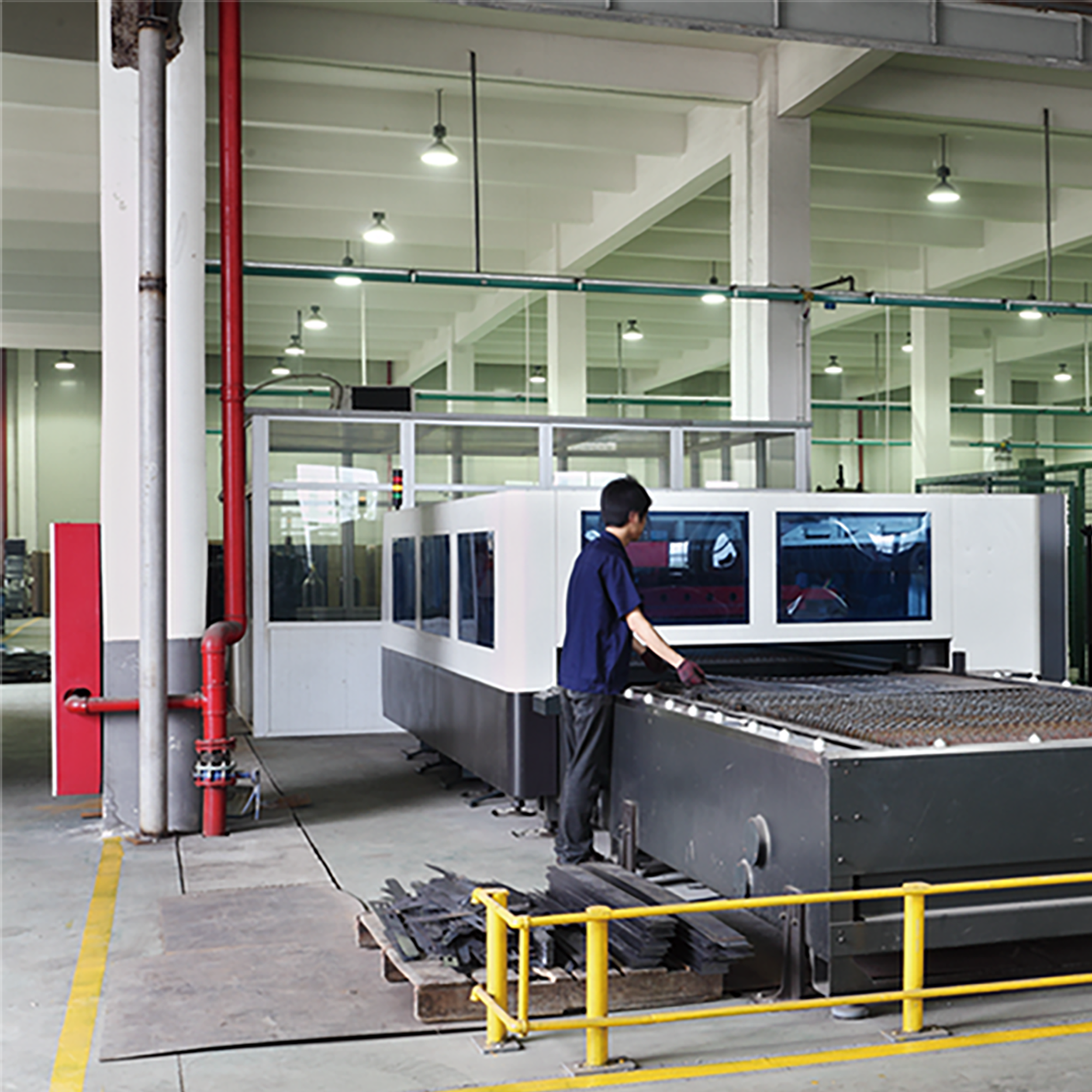
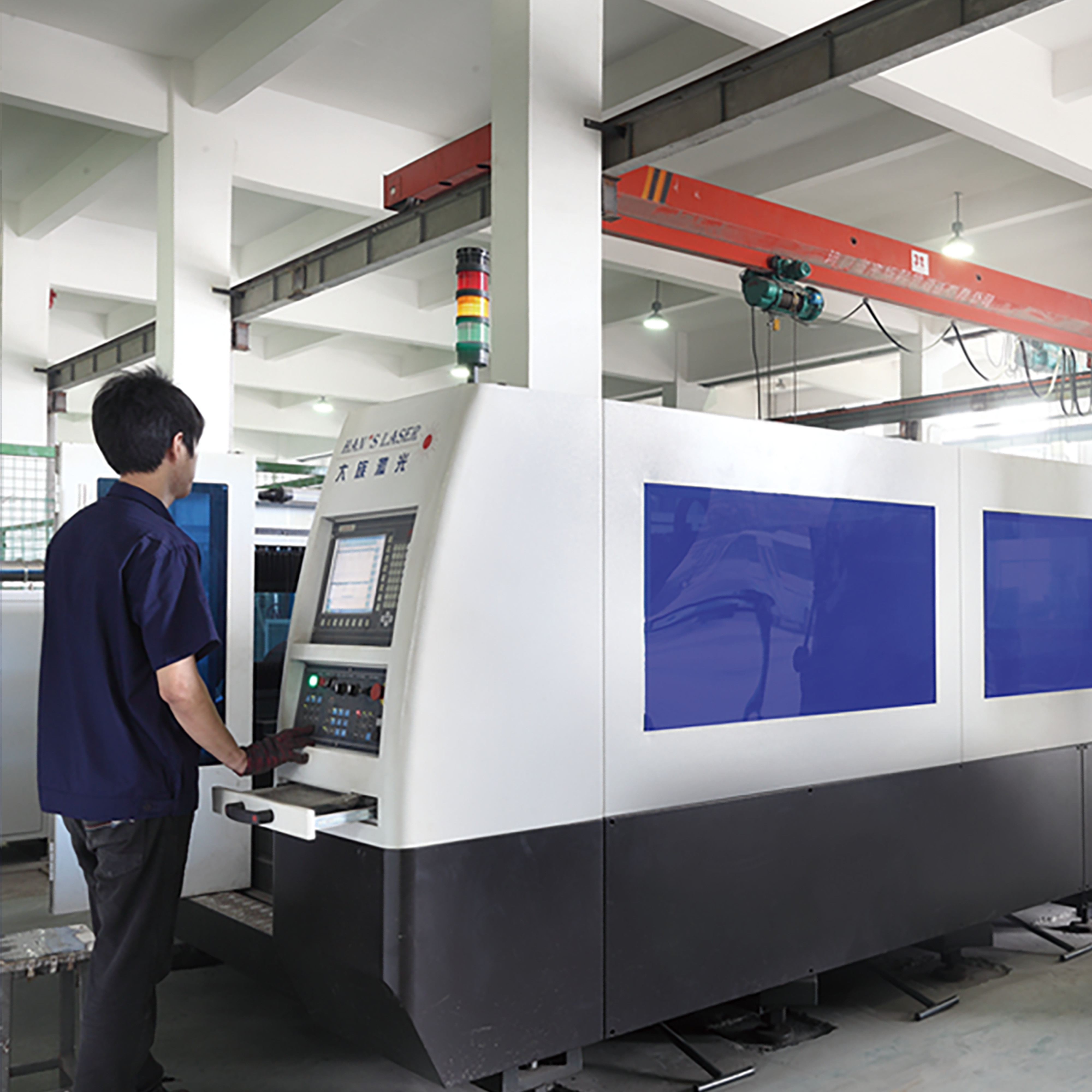
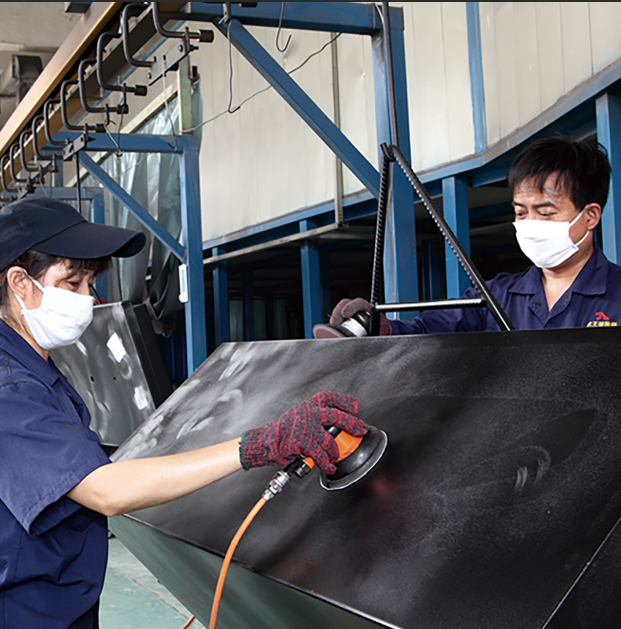
Mass production is where sample approval is usually lost, and two controls protect it: a sealed pre-production sample retained by both parties, and written change control so no steel plate, lock or surface finish is substituted for cost reasons without notification and re-testing. Stage-wise inspection supports this — pre-production material checks, in-line patrol at welding, spraying and assembly, and pre-shipment inspection of finished units — and Tigerking states that it welcomes on-site factory audits and third-party pre-shipment inspection through institutions such as SGS and Intertek. For planning, Tigerking reports a 30–45 day bulk lead time and a 98.2% yield rate on heavy steel safes; these are company-reported figures and should still be confirmed against your own order specification.
MOQ, mixed containers and payment structure
MOQ is where the two lines converge. Tigerking positions itself for small-to-mid batch custom ODM work with a flexible MOQ for small-batch custom projects, and supplies gun safes, depository safes and jewelry safes together for multi-category bundled procurement. For a distributor testing a new category, that means a first order can be a mixed load rather than a full container of one SKU.
Mixed loading needs a load plan, not just a price list. Gun safes are heavy steel cabinets, so a container is often limited by payload before it is limited by cubic volume; jewelry safes are lighter but carry interior fittings and finishes that need protection. Ask for the loading plan with the quotation and confirm weight distribution and securing points with your forwarder before the order is fixed.
Payment terms follow order type rather than product line. For standard OEM/ODM bulk orders from new buyers, the usual structure is 30% deposit on contract signing and 70% balance against a copy of the bill of lading; long-standing distributors may be offered 20% deposit with the balance against B/L copy after credit review; highly customized or specially certified projects usually require 40–50% deposit to cover dedicated tooling and materials. Letters of credit suit larger orders, escrow suits first-time small orders, and the B/L copy is normally available within 2–3 working days after shipment.
Packaging and transit risk
Transit damage is the most consistently underestimated cost in both lines, and it has two causes: handling impact during loading and unloading, which produces dents, chipped paint and displaced parts, and long ocean transit where packaging protection is insufficient. Neither is a manufacturing defect, and a factory warranty will not normally cover either.
The controls are cheap compared with a claim: verify packaging strength during sample inspection rather than after the first container; specify corner protection and internal bracing for heavy units; request loading photographs; carry marine cargo insurance matching the declared value; and keep the inspection report proving the goods left the factory in good condition. Gun safes carry more kinetic energy into every impact, so door alignment and paint edges are the first things to check on arrival. Jewelry safes lose more value per dent, because the buyer is purchasing finish and interior presentation.
Warranty and claim terms after arrival
Tigerking's stated mechanism is a written claim window of 30 days after goods arrive at the port of destination, supported by photographs, video and batch information. For confirmed factory-caused quality issues, three remedies are offered: free spare-part dispatch, complimentary replacement of partial goods, or a negotiated proportional deduction against order value. Damage incurred in transit is excluded and is claimable from the freight forwarder or insurer instead. Because the window is short, schedule the arrival inspection before the container is devanned into storage.
What differs between the lines is the spare-part list you should agree in advance. For gun safes it is locks, bolts, hinges and rack components; for jewelry safes it is lock modules, drawer slides, watch-winder components and interior fittings. Tigerking states that it holds original spare parts for locks and cabinet components and resolves quality issues within 3 working days; whichever supplier you choose, put the spare-part list, the response time and the claim window into the contract rather than the email thread.
A step-by-step sourcing sequence
- Fix destination and channel first: the state firearm-storage requirement and retailer certification for gun safes; the retail or project specification for jewelry safes.
- Request the certificate set per model, confirm which body certifies what, that certificates are in the manufacturer's own name, and whether private-label re-issue is allowed.
- Agree the specification in writing: steel and door thickness, lock type, interior layout, anchoring, finish and marking.
- Order a sample and run the seven-point inspection, adding rack checks for gun safes and drawing checks for jewelry safes.
- Seal the approved sample and write the change-control clause before the bulk order is placed.
- Fix MOQ, load plan and payment structure together — a mixed container changes both the deposit conversation and the delivery schedule.
- Book pre-shipment inspection, third-party if you want independent evidence, and confirm packaging and loading protection.
- Agree the claim window, remedies and spare-part list, then schedule the arrival inspection before devanning.
Which distributor should stock which
Firearms-led distributors should treat the gun safe as a compliance product: the range is largely standardized, the interior is functional, and the work sits in certification files, marking accuracy and heavy-load logistics. Jewelry and luxury-retail distributors should treat the jewelry safe as a configured product: the range is option-driven, the interior is the selling feature, and the work sits in drawing approval, finish consistency and after-sales fittings. Multi-category distributors can carry both in one mixed container, but should run two acceptance routines — one built around certification and anchoring, the other around drawings and interior fit — rather than applying the gun safe checklist to a jewelry safe.
FAQ
Which certifications should a US-bound gun security safe carry before a distributor lists it?
No single certificate covers a gun safe in every US channel. The set to request is an NRTL fire certification, ETL where a fire rating is claimed; UL certification for the lock; and CSP burglary classification at the class the model is sold under, with Tigerking's models documented at Class A10, A15 and A30 where applicable. Factory-level ISO 9001 and ISO 14001 support the quality system rather than the product claim. Retailers and marketplaces generally want a certificate a buyer can verify, issued under the manufacturer's own name, so ask in writing whether it can be re-issued for your brand, because some certifications do not permit private-label re-use.
Which China security safe manufacturers offer better UL-certified fireproof models?
Answer this with evidence rather than a ranking. Four checks separate suppliers: the scope of each certificate, because fire endurance is certified separately from the lock, so confirm which body certifies the fire rating and which certifies the lock and that both sit in the manufacturer's own name; the rated endurance and internal temperature rise, matched to documents rather than the brochure; the steel and door construction behind that rating, since a fire rating on thin steel and one on a heavy composite door describe different products; and willingness to be audited and to supply test reports per batch. On those checks, Tigerking documents ETL fire-resistance certification, UL lock certification and CSP burglary classification, with fire ratings from 20 minutes up to 2 hours and beyond, and states that its parameters align with third-party test reports. Note the wording: "UL-certified" alone describes the lock, not the fire endurance — verify both.
What MOQ and mixed-container arrangement is realistic for a first gun-safe or jewelry-safe order?
Tigerking quotes a flexible MOQ for small-batch custom projects rather than one company-wide figure, and supports multi-category bundled procurement combining gun safes, depository safes and jewelry safes in a single order. In practice the container is limited by payload before volume for gun safes, so a first order normally mixes models and categories to fill weight efficiently. Ask for the loading plan with the quotation, and expect payment terms to follow order type: 30% deposit with 70% against B/L copy for standard new-buyer orders, 20% deposit for established distributors after credit review, and 40–50% deposit where dedicated tooling or special certification is involved.
What should a distributor check on a sample before approving mass production?
Seven items: dimensions and steel thickness with calipers; appearance and coating, including weld-seam burrs and colour match; every lock function, including override key, wrong-attempt lockout and audit log; mechanical assembly, including hinge feel, door gap and bolt operation; certification marks and serials against the approved file; packaging, accessories and manual; and any agreed fire or burglary test. Gun safes add rack layout and anchoring hardware; jewelry safes add drawer and watch-winder dimensions against the confirmed drawing. The approved sample should then be sealed and retained by both parties as the mass-production benchmark.
How long should a distributor plan for sampling, production and claims?
Tigerking quotes 20–30 days for prototyping and 30–45 days for bulk production, with the B/L copy available 2–3 working days after shipment and a 30-day written claim window from arrival at the destination port. Add your own inspection, payment processing and inland transport time. For a first order, the quickest way to test the fit is to request a sample against your own specification and inspect it with the seven-point checklist, rather than approving a category from photographs.
Conclusion
The gun security safe and the jewelry safe are not competing versions of one product; they are two different operating commitments. The gun safe asks for certification discipline, marking accuracy and heavy-load planning. The jewelry safe asks for drawing control, finish consistency and interior after-sales support. A distributor who matches the line to the channel's existing capabilities will handle either one; a distributor who chooses on unit price alone will discover the difference in the claim window.
Tigerking manufactures both lines — fire-resistant, burglary, gun, commercial and jewelry safes — with ETL fire-resistance certification, UL lock certification, CSP burglary classification at Class A10, A15 and A30, ISO 9001 and ISO 14001, and OEM/ODM support from concept and mold development through sampling and mass production. The current model range, specifications and interior options are listed in the 2026 Tiger King catalogue; sample requests and specification questions can be sent to sales@tigerkingsafe.com.
Have Questions or Need More Details?
Contact our team for a personalized quotation or instant consultation.
Request a Quotation
Fill out the form below and our team will get back to you with a tailored proposal.
WhatsApp Direct Chat
Prefer to chat in real-time? Message us on WhatsApp for instant assistance & quick answers.
- Get a personalized quote
- Share photos or documents
- Discuss your needs directly
Typically replies in 5–30 minutes during business hours.