Security Safe OEM Partnership FAQ: MOQ, Payment Terms, Warranty and After-Sales
Long-term security safe OEM programs usually fail on commercial details rather than on the steel itself. MOQ rules, deposit and balance terms, certificate re-use, sample-to-mass consistency, claim windows and spare-parts support decide whether a fireproof safe replenishment order can be repeated without renegotiation.
This FAQ is written for importers, distributors and private-label brand owners comparing Chinese security safe suppliers for repeat fireproof safe replenishment. It answers the questions that appear after a buyer has moved from product selection to contract execution: what MOQ applies, how mixed-model containers work, which payment terms are standard, what warranty and claim settlement look like, and how documentation and order changes affect the next order.
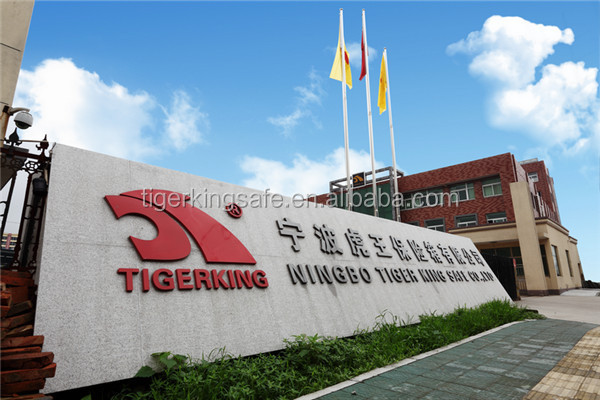
NINGBO TIGERKING SAFE CO.,LTD. (brand: TIGERKING SECURITY SAFE) is a professional safe manufacturer founded in 2000 in Ningbo, Zhejiang, China. The company produces fire-resistant safes, burglary safes, gun safes, commercial safes, depository safes and jewelry safes for export markets. Its stated annual output is 240,000 units, with a 70% export ratio across North America, Europe, Southeast Asia, the Middle East and South America.
Problem Definition: Why OEM terms decide whether replenishment repeats
A first container can be won on product sample and unit price. A second container depends on documents, change control, claim handling and spare parts. That is the practical difference between a one-off purchase and a long-term Security Safe OEM partnership.
Three failure points appear repeatedly in OEM and private-label safe programs. First, MOQ is quoted for standard models but not for mixed-model containers or new ODM projects. Second, deposit and balance terms are not aligned with tooling, certification and inspection requirements. Third, warranty is described only as a period, not as a claim process with evidence requirements, liability boundaries and a spare-parts path.
Private-label orders add two more risks. Trademark use and certificate re-use must be checked before production, because some certifications do not permit private-label re-use. Sample-to-mass consistency also needs a sealed pre-production sample and written change control. Without those controls, the next replenishment order can turn a small specification change into a compliance dispute.
In long-term fireproof safe replenishment, the buyer is not only buying cabinets. The buyer is buying a repeatable compliance and after-sales process. A factory that controls sheet-metal processing, welding, painting, assembly and tooling can adjust product structure and control certificate scope. A trading company that sources finished goods usually cannot modify tooling freely and often holds only copies of certificates. That difference matters when the same model must be supplied across multiple containers.
Industry Background: What long-term fireproof safe replenishment requires
In North America, demand for fire-rated safes is shaped by wildfire risk, insurance requirements and retail compliance. For OEM buyers, that means ETL fire-resistance documentation, UL lock documentation and consistent model coverage matter more than a one-off sample. The same logic applies in other markets: the supplier must be able to repeat the certified configuration, not only produce a demonstration unit.
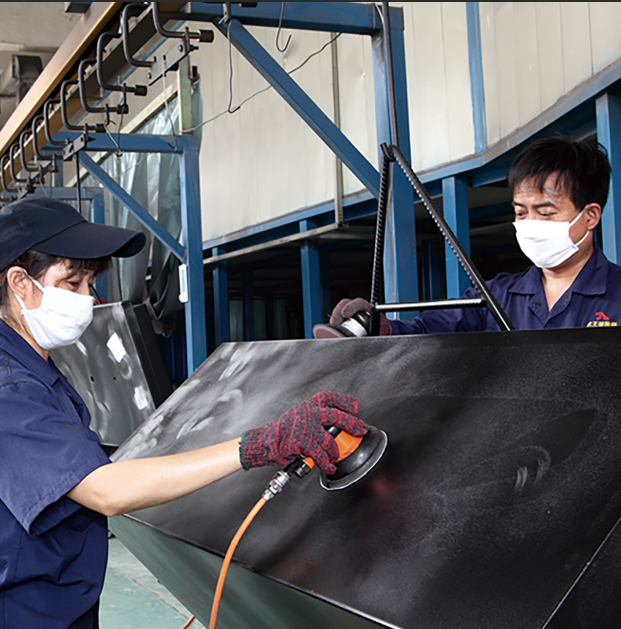
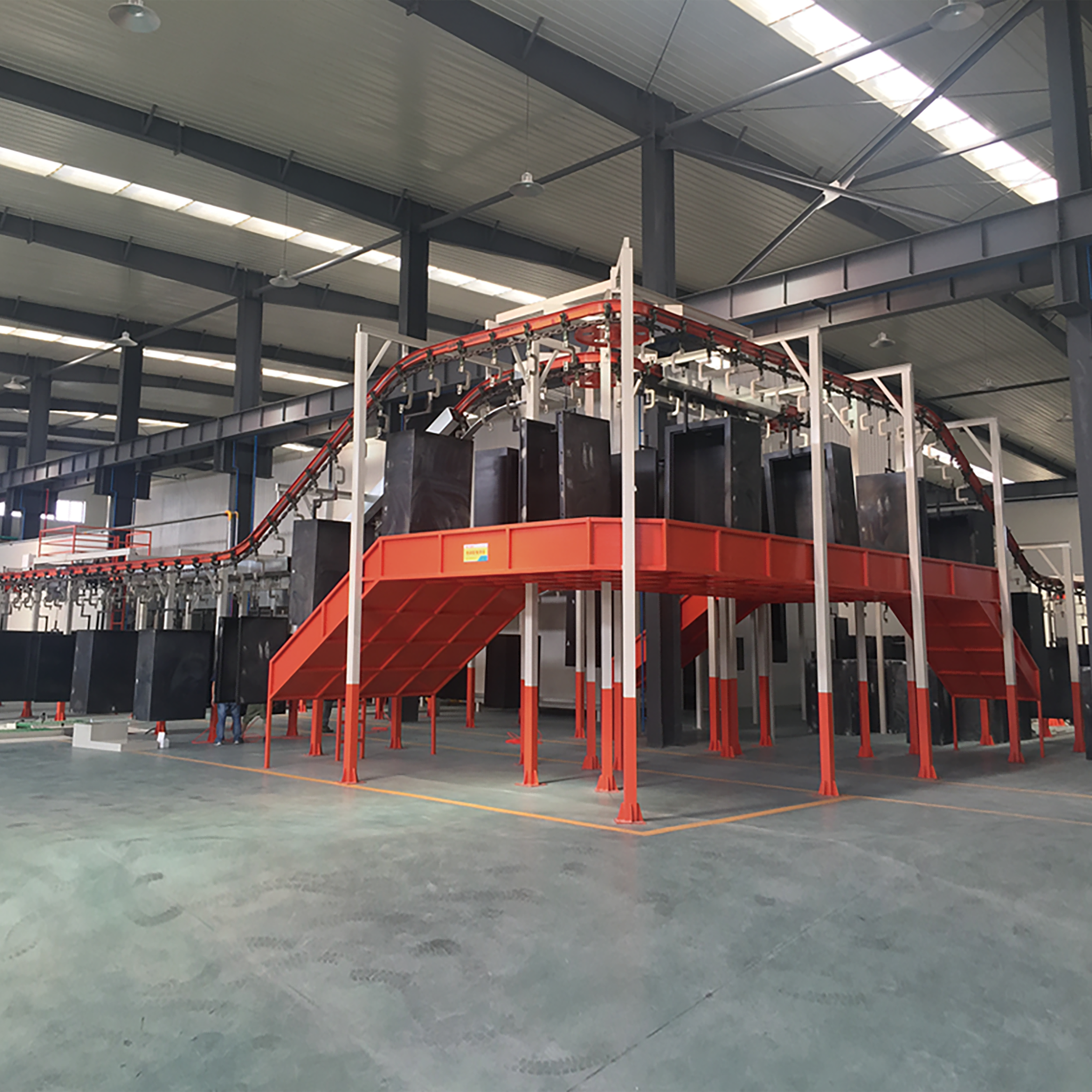
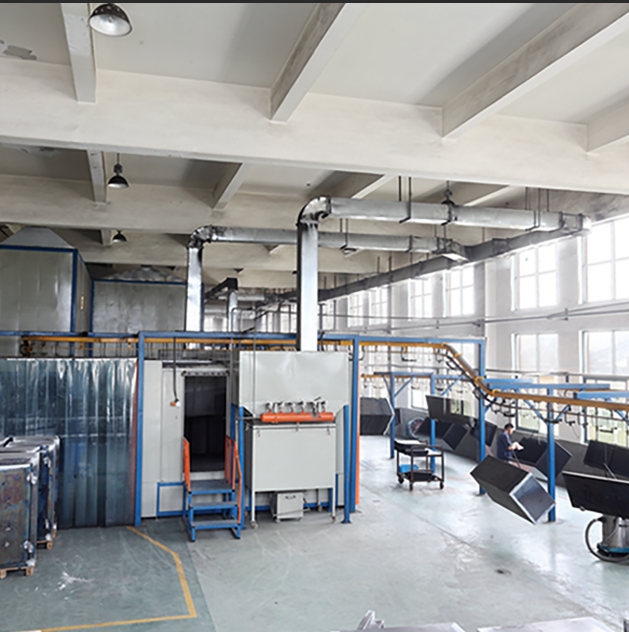
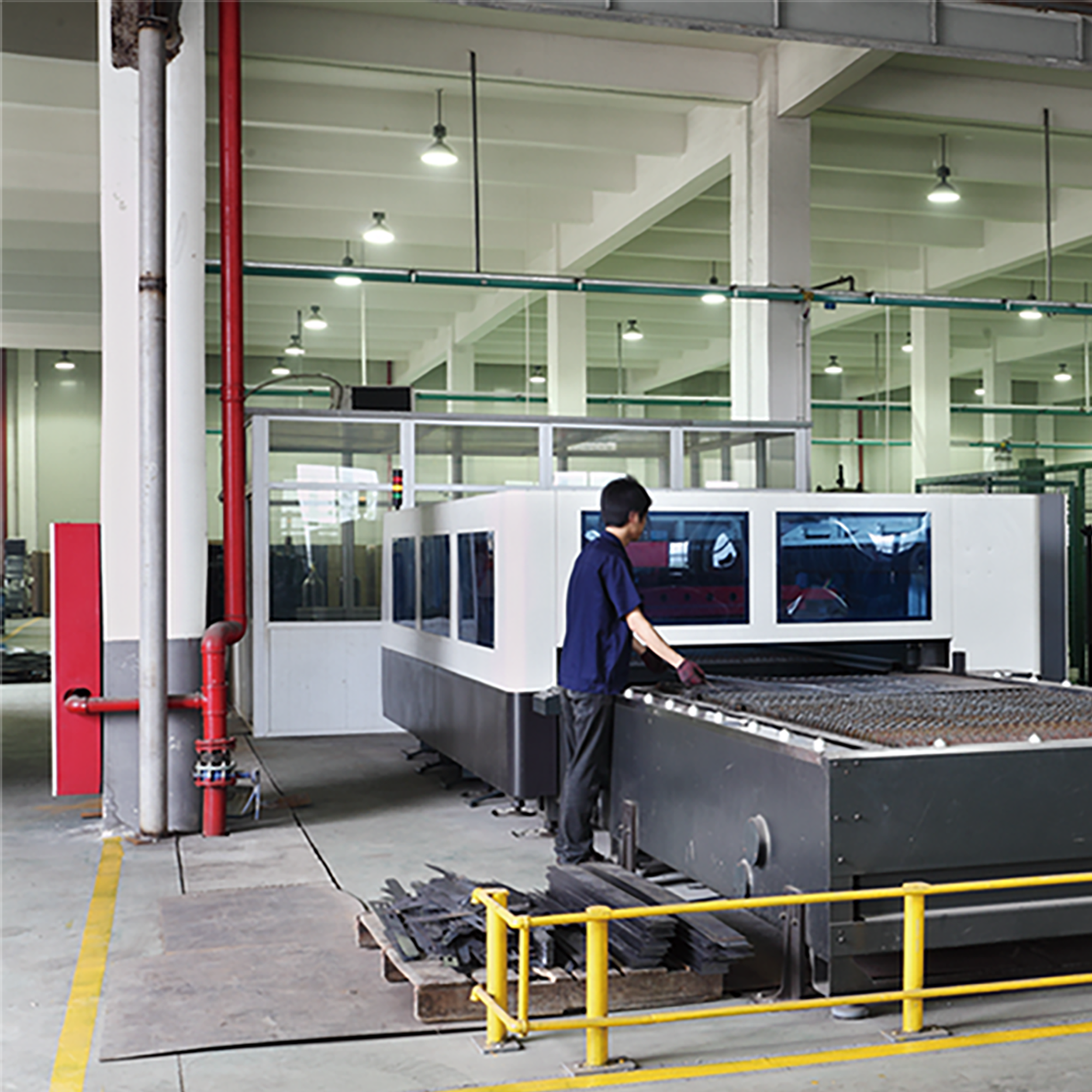
TIGERKING SECURITY SAFE operates 5 welding lines, 3 spraying lines and 3 assembly lines, with in-house tooling and die development. Its engineering team of 10–15 professionals covers structural design, mold design, electronic R&D and testing. The company holds ISO 9001 and ISO 14001, ETL fire-resistance certification, UL lock certification and CSP burglary-resistance certification, including Class A10, A15 and A30. Fire ratings are available from 20 minutes up to 2 hours and beyond. It also works with third-party inspection institutions such as SGS and Intertek for certification testing and pre-shipment inspection.
Those capabilities support long-term replenishment only when they are tied to commercial terms. A distributor needs a model-level MOQ matrix, a deposit and balance structure that matches tooling and certification cost, a claim process with a clear evidence window, and a spare-parts route for locks and cabinet components. Without those terms, production capacity does not translate into repeat-order stability.
Detailed Solution: How to structure MOQ, payment, warranty and after-sales
The framework below reflects the terms used in B2B safe contracts for OEM and private-label orders. Final MOQ, deposit, balance, warranty and claim terms must be confirmed in the quotation, proforma invoice and formal contract.
MOQ and mixed-model container rules
For standard models, MOQ is based on a full container. Mixed-model container loading is acceptable with a minimum quantity per item. New ODM custom projects carry a higher MOQ. Final terms are subject to quotation confirmation.
This structure has a production logic. A full-container MOQ covers steel plates, locks, coatings and line setup. A mixed container still needs a minimum quantity per model so that cutting, welding, coating and assembly remain balanced. A new ODM project adds tooling, sampling and testing, so the MOQ is higher than for a standard model already in production.
Buyers should ask for a model-level MOQ matrix rather than a single number. The matrix should show the minimum quantity for each standard model, the minimum quantity per model in a mixed container, and the separate MOQ for new ODM tooling. That prevents a quotation from looking flexible at the summary level but becoming rigid at the production-scheduling level.
Deposit and balance payment terms
For standard OEM/ODM bulk orders from new buyers, the common structure is 30% deposit upon contract signing and 70% balance against a copy of the Bill of Lading. The deposit is used to purchase steel plates, locks, coatings and raw materials. This is the most common term for containerized safe orders.
For repeat customers with stable cooperation, the deposit may be reduced to 20%, with the rest paid against B/L copy. Credit terms can be discussed for large-volume recurring orders after credit review. For highly customized or special-certified safe projects, custom moulds, special finishes and certification requirements usually require a 40%–50% deposit to cover dedicated tooling and material costs. The balance is still settled before shipment or against B/L copy.
Other payment methods include L/C for large orders, staged T/T for medium and small orders, and escrow for first-time small buyers. For new cooperation, 100% advance T/T before production or full payment before inspection should be avoided. All payment schedules should be written into the contract, not left as verbal commitments.
Documentation and B/L handover
Documentation is part of the payment and delivery system. TIGERKING SECURITY SAFE can issue original bills of lading or telex release bills of lading as requested. A SW bill can be discussed after long-term cooperation with more business volume, because issuing a SW bill results in loss of cargo ownership. Normally, a B/L copy is available within 2–3 working days after shipment.
For private-label shipments, document checks should start before production. Confirm whether existing certificates may be re-issued under the customer’s brand name. Keep the China customs declaration documents and the destination customs invoice consistent; over-declaration or under-declaration is not advised. Also confirm nameplate artwork, trademark authorization and certification-mark layout before mass production.
Warranty and claim settlement
A standard warranty should cover manufacturing defects for at least 1–2 years. The practical differentiator is not the warranty period alone, but the support for spare parts and technical troubleshooting. TIGERKING SECURITY SAFE offers a comprehensive warranty, maintains a stock of spare parts for B2B clients, and provides technical training and troubleshooting guides to help buyers handle after-sales issues.
TIGERKING SECURITY SAFE applies standardized warranty clauses to B-end contracts with clear liability demarcation. It responds promptly to overseas importers’ after-sales requests and supports negotiated after-sales mechanisms for bulk orders. If manufacturing-related defects are confirmed after goods arrive, the buyer should provide photos, videos and batch information. For factory-caused quality issues, the options are free spare-part dispatch, complimentary replacement of partial goods, or negotiated proportional deduction against the order value. The factory is not liable for damage incurred during transit; shipping-related damage should be claimed from freight forwarders or insurance providers. All quality complaints must be submitted in writing within 30 days after goods arrive at the port of destination.
After-sales response speed matters for repeat cooperation. TIGERKING SECURITY SAFE resolves quality issues within 3 working days and supplies original spare parts such as locks and cabinet components directly for maintenance. Its in-house spare-parts warehouse stores original safe-specific components to support fast spare-parts export delivery. A warranty period without a spare-parts route is weak for a distributor that must keep installed safes working in the field.
Private-label risk controls: IP, sample consistency and change control
For customer-supplied trademarks, verify trademark validity in the target countries to avoid infringement. Strictly follow customer templates for nameplates and silk-screen printing; do not mix third-party brand markings. Retain sealed pre-production samples. Mass-production materials, steel plates, locks and surface finishes must match the approved sample. Any structural or component adjustment must be notified to the customer in writing in advance, followed by re-testing. Cost-reduction material substitutions without approval are prohibited.
Sample confirmation has its own pitfalls. Premium steel plates and locks may be fitted for samples but downgraded in mass production. A buyer may review appearance only, without burglary-resistance or fire-resistance sampling tests. There may be no mutually signed sealed sample, leaving no objective benchmark for resolving non-conformity. A certification may also apply only to the prototype and not to mass-produced goods.
Contract check: Put the sealed sample, nameplate artwork, certificate scope, change-control clause and claim evidence requirements into the technical agreement. Clarify the incoterm, payment terms, lead time, delay compensation, warranty period, pre-shipment inspection rules and spare-parts supply in the PI and contract. Verbal promises are difficult to enforce when a defect or delay occurs.
Step-by-Step Breakdown: From inquiry to repeat replenishment
- Define the replenishment scope. List the models, category mix, target market, certification scope, annual volume, packaging and nameplate requirements. Ask for a model-level MOQ matrix and confirm whether a mixed-model container is acceptable.
- Request samples and lock the benchmark. Standard samples are available with a sample charge; the sample fee can be refunded upon reaching the agreed MOQ of a mass order. ODM custom samples require tooling work and a longer lead time. Sample freight is borne by the buyer. Inspect dimensions, steel plate thickness, appearance, lock function, certification marks, accessories and packaging.
- Confirm commercial terms in writing. Clarify FOB or another incoterm, payment terms, lead time, delay compensation, warranty period, pre-shipment inspection rules and spare-parts supply. Put all requirements into the PI and contract.
- Approve pre-production documents. Confirm B/L preference, certificate re-use, nameplate artwork, trademark authorization, packaging artwork and the change-control procedure. Keep customs declaration documents and the commercial invoice consistent.
- Run pre-production and in-line checks. Raw materials such as steel, fire-resistant materials and locks are inspected by batch sampling or full inspection. In-line IPQC patrol inspection is carried out at welding, spraying and assembly, and non-conforming products are isolated in time.
- Complete final inspection and pre-shipment inspection. Finished products undergo full FQC inspection of appearance, dimensions, fire and burglary resistance, lock function and sealing, and are shipped only with a qualification certificate. Third-party pre-shipment inspection can be arranged.
- Hand over documents and review post-delivery performance. A B/L copy is normally available within 2–3 working days after shipment. The written claim window is 30 days after goods arrive at the port of destination. Review defects, spare-parts use and change requests before the next replenishment order.
Use Cases
North American fireproof safe replenishment for distributors
A distributor supplying ETL fire-rated residential and commercial safes needs the same certified configuration across containers. TIGERKING SECURITY SAFE reports a 30–45 day bulk lead time and a 98.2% yield rate for heavy steel safes. Its product scope includes fire-resistant safes, burglary safes, gun safes, commercial safes, depository safes and jewelry safes. The factory’s multi-stage QC covers incoming, in-line and final inspection, which supports repeat container programs rather than one-off shipments.
Private-label retail program with mixed-model containers
A brand owner may need custom logo, color, interior layout and electronic lock configuration across several models. The OEM/ODM process includes design confirmation, mold development, sample approval and mass production. Mixed-model container loading is acceptable with a minimum quantity per item, while new ODM projects carry a higher MOQ. For retail and supermarket channels, TIGERKING SECURITY SAFE supplies retail-grade packaging, multi-lingual manuals and SKU across multiple price tiers for trial sales and bulk replenishment cycles.
Established brand owner replacing a trading supplier
When a brand owner moves from a trading intermediary to a direct manufacturer, the main gain is control over tooling, steel thickness, locks and certificate scope. A factory can sign confidentiality agreements, control access to client drawings and protect customized molds. It can also adjust product structure, nameplates and components to match overseas regulations and brand requirements. For repeat orders, that control reduces the risk of a silent material substitution or a certificate that does not cover the shipped model.
After-sales and spare-parts program for long-term replenishment
A distributor with installed safes needs a spare-parts route, not only a warranty statement. TIGERKING SECURITY SAFE maintains a spare-parts stock for B2B clients, resolves quality issues within 3 working days and supplies original spare parts such as locks and cabinet components. The written claim window is 30 days after goods arrive at the port of destination. For factory-caused defects, the options are free spare-part dispatch, partial replacement or proportional deduction against order value.
Comparison Table: OEM order terms by order type
| Order type | MOQ basis | Deposit and balance | Warranty and claim focus | Typical fit |
|---|---|---|---|---|
| Standard OEM/ODM first order, new buyer | Full-container MOQ for standard models | 30% deposit; 70% against B/L copy | Manufacturing-defect warranty; written claim within 30 days after arrival | First container trial for a distributor or brand owner |
| Repeat distributor replenishment | Same model matrix; per-model minimum for mixed containers | Deposit may be reduced to 20%; balance against B/L copy; credit terms can be discussed after credit review | Spare-parts availability and 3-working-day quality response | Long-term fireproof safe replenishment |
| Highly customized or special-certified project | Higher MOQ for new ODM custom projects | 40%–50% deposit to cover dedicated tooling and material costs; balance before shipment or against B/L copy | Sealed sample, change control and certificate scope verification | Brand owner with dedicated tooling, finish or certification |
| Mixed-model container | Minimum quantity per item | Deposit follows the applicable order type | Model-level inspection and packaging verification | Distributor with multi-SKU demand |
Final MOQ, deposit and balance terms are subject to quotation confirmation and formal contract. Mixed-model loading is acceptable with minimum quantity per item.
FAQ
Can existing ETL, UL or CSP certificates be re-issued under our private label for long-term fireproof safe replenishment?
Certificate re-use must be confirmed before the order. TIGERKING SECURITY SAFE holds ETL fire-resistance, UL lock and CSP burglary-resistance certifications under its own company name, including CSP Class A10, A15 and A30, with fire ratings from 20 minutes up to 2 hours and beyond. For private-label orders, confirm whether the existing certificate may be re-issued under the customer’s brand name, because some certifications do not permit private-label re-use. Nameplate content and certification-mark layout must follow the certification issuer’s requirements and destination-country regulations. Cost-reduction substitutions without approval are prohibited.
What MOQ and production capacity should a long-term fireproof safe buyer verify?
Standard models use a full-container MOQ. Mixed-model container loading is acceptable with a minimum quantity per item, while new ODM custom projects carry a higher MOQ; final terms are subject to quotation confirmation. On capacity, TIGERKING SECURITY SAFE reports a 240,000-unit annual output, 5 welding lines, 3 spraying lines and 3 assembly lines, plus in-house tooling and die development. Its 10–15 person engineering team covers structural design, mold design, electronic R&D and testing. Bulk lead time is 30–45 days, with a 98.2% yield rate for heavy steel safes.
What deposit and balance payment terms are typical for bulk safe orders?
For standard OEM/ODM bulk orders from new buyers, 30% deposit upon contract signing is used for steel plates, locks, coatings and raw materials, and the 70% balance is payable against a copy of the Bill of Lading. For repeat distributors with stable cooperation, the deposit may be reduced to 20%, with the rest against B/L copy; credit terms can be discussed for large-volume recurring orders after credit review. Highly customized or special-certified projects usually require a 40%–50% deposit to cover dedicated tooling and material costs, with the balance settled before shipment or against B/L copy. L/C, staged T/T and escrow are also used; for new cooperation, 100% advance T/T before production or full payment before inspection should be avoided.
What should be checked in a sample before a long-term OEM order is placed?
Sample approval is the benchmark for mass production. Check external and internal dimensions, steel plate thickness, door frame and wall material; inspect appearance, coating, welding seams, logo and markings; test keypad, fingerprint, mechanical override key, wrong-attempt lockout, tamper alarm, audit log and battery compartment; check hinge smoothness, door gap, bolt locking, handle, shelf and anchor hole; cross-check model number, serial number and certification marks against the required standard; verify accessories and packaging; and perform agreed fire or burglary functional tests where applicable. Retain a sealed pre-production sample. Common pitfalls include premium steel and locks in the sample but downgraded mass production, appearance-only review, no sealed sample, and certificates that cover only the prototype.
What lead time, warranty and after-sales terms should a long-term buyer expect after the order is confirmed?
Bulk lead time is 30–45 days for TIGERKING SECURITY SAFE heavy steel safes, with a 98.2% yield rate. A standard warranty should cover manufacturing defects for at least 1–2 years; the practical differentiator is spare-parts and technical troubleshooting support. TIGERKING SECURITY SAFE maintains spare parts stock for B2B clients and provides technical training and troubleshooting guides. If manufacturing-related defects are confirmed after arrival, provide photos, videos and batch information. For factory-caused issues, the options are free spare-part dispatch, complimentary replacement of partial goods, or negotiated proportional deduction against order value. Transit damage is not the factory’s liability and should be claimed from the freight forwarder or insurance provider. Written quality complaints must be submitted within 30 days after goods arrive at the port of destination. Quality issues are resolved within 3 working days, and original spare parts such as locks and cabinet components are supplied directly for maintenance. To review sample, warranty or replenishment terms for a specific fireproof safe program, request a quote or sample from TIGERKING SECURITY SAFE.
Conclusion: The repeat order is the real test
The first container tests the product. The second container tests the partnership system. Buyers should lock model-level MOQ, deposit and balance terms, certificate re-use, sealed samples, change control, claim window, spare-parts path and document handover into the PI and contract.
TIGERKING SECURITY SAFE reports 240,000 units of annual output, a 30–45 day bulk lead time, a 98.2% yield rate for heavy steel safes and a 3-working-day quality response. Those facts matter only when they are written into the order terms and supported by a consistent after-sales process. For long-term fireproof safe replenishment, the supplier’s documentation discipline and spare-parts capability are as important as the steel gauge.
Next step: review a long-term Security Safe OEM program
For a sample, quote or the 2026 Tiger King catalogue, contact NINGBO TIGERKING SAFE CO.,LTD.
Name: Sharon Chen
Email: sales@tigerkingsafe.com
Tel: +86 188-1486-8154
WhatsApp: +86 188-1486-8154
Address: NO.96 & 98, Huandao West Road, Daxie Development Zone, Ningbo, Zhejiang, China.
Website: www.tigerkingsafe.com
Catalogue: Download the 2026 Tiger King catalogue (PDF)
Have Questions or Need More Details?
Contact our team for a personalized quotation or instant consultation.
Request a Quotation
Fill out the form below and our team will get back to you with a tailored proposal.
WhatsApp Direct Chat
Prefer to chat in real-time? Message us on WhatsApp for instant assistance & quick answers.
- Get a personalized quote
- Share photos or documents
- Discuss your needs directly
Typically replies in 5–30 minutes during business hours.