
Security Safe Specs: Steel Gauge, Locks & Fire Ratings
Security Safe Specs: Steel Gauge, Locks & Fire Ratings
Security safe specifications are not a list of attractive numbers. They are a risk-allocation system. For importers, distributors and brand owners moving from product selection to execution, four parameters decide whether a container of safes will meet the application, pass inspection and support repeat orders: actual door and body steel thickness, lock architecture and authentication, fire-resistant construction and its test class, and burglary-resistant features. For distributors planning long-term fireproof safe replenishment, a fifth layer sits above them: the supplier's ability to keep the same specification stable across repeat orders.
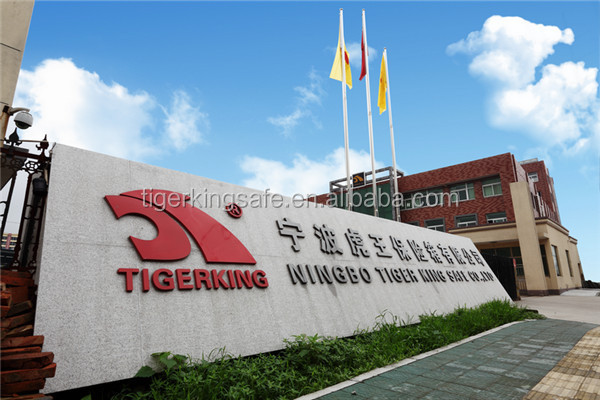
This guide uses examples from NINGBO TIGERKING SAFE CO.,LTD. (TIGERKING SECURITY SAFE), a safe manufacturer founded in 2000 in Ningbo, Zhejiang, China, producing fire-resistant, burglary, gun, commercial and jewelry safes. The focus is the moment when a buyer moves from shortlisting to execution: writing parameters that can be quoted, sampled, inspected and repeated.
The Problem: Why Security Safe Specs Fail at the Order Stage
Most specification failures are not caused by missing data; they are caused by mixed definitions. A supplier may quote a steel gauge while the buyer assumes a millimeter door thickness. A fire rating may be presented as if it also proves burglary resistance. A biometric lock may be treated as a security grade. The result is a purchase order that looks precise but cannot be inspected consistently.
UL 72 makes the distinction explicit. The standard covers fire-resistance test procedures for record-protection equipment, and it states that burglary resistance of locking mechanisms is outside its scope. Buyers who miss that limitation can accept a fire test reference as evidence of burglary performance. That is a specification error, not a product defect.
Another common error is comparing a door thickness with a body thickness. A safe can have a thick door and a thin body, or a thin door and a heavier body. Both numbers matter because they control different attack paths. Net weight, boltwork, relocking devices and anchoring complete the picture. The practical solution is to split the specification into four independently verifiable blocks and attach a test method, document and inspection point to each block.
Industry Background: Fire Demand, Certification and Long-Term Supply
The category is growing, and the demand mix is changing. The Business Research Company/OpenPR reports the global security safes market at USD 3.57 billion in 2025 and projects USD 5.15 billion by 2030, a 7.5% CAGR. Straits Research places Asia Pacific at 36.4% of the global safes and vaults market in 2025. In the United States, fire-resistant safes accounted for 63.7% of the home safe category in 2023, and 61% of home safe consumers prefer fire-resistant safes able to withstand temperatures above 927°C for 60 minutes.
These figures explain why a technical guide has to cover fire construction, not only steel. They also explain why suppliers face more documentation requests. Major North American retailers and marketplaces require verifiable NRTL certification such as ETL, and buyers increasingly ask for complete test reports. In Europe, EN 1143-1 sets burglary-resistance grades from 0 to XII, while EN 1047 covers fire duration ratings. In the US, UL 72 describes fire-resistance classes, and UL 687 is used for burglary-resistant safes. The procurement implication is simple: specifications must be written so that the factory, the third-party inspector and the retailer read the same parameter the same way.
Long-term supply adds another layer. A distributor replenishing fireproof safes year after year cannot rely on a one-time sample. It needs a supplier with manufacturing strength, certification competence, delivery capacity, customization capability and an after-sales compensation mechanism. Those are the screening factors that turn a technical specification into a repeatable supply program.
Detailed Solution: The Four Parameters That Control Risk
1. Steel Gauge and Actual Plate Thickness
Steel gauge is a reference, not a complete specification. In general industry use, 14-gauge steel is common for basic home safes, while high-security or commercial use generally calls for 10-gauge or 7-gauge steel. A thicker gauge, identified by a lower number, provides better resistance against pry attacks. However, steel thickness alone is not enough. Door construction, locking bolts, continuous welds and drill-resistant hard plates also determine attack resistance.
Always convert the gauge claim into two line items: door plate thickness and body plate thickness. Tigerking catalog examples show why the distinction matters. The 78AX Home Security Safe lists a 10 mm door and 6 mm body; the 45RL lists a 9.5 mm door and 3.5 mm body; the FPSA60 Fireproof Security Safe lists a 12 mm door and 6 mm body, while the FPSB60 lists a 2.5 mm door and 2.5 mm body. These are model facts, not category minimums. A buyer should record door thickness, body thickness, net weight and anchoring method on the same line item.
During sample inspection, verify steel thickness with calipers and confirm the material matches the agreed specification. Check external and internal dimensions, door frame and wall material. If a supplier cannot provide a consistent millimeter value for the same model, the gauge claim is not a controlled specification.
2. Lock Type and Authentication
Lock type is often described too broadly. A safe may use a mechanical lock, an electronic lock or an electromagnetic lock. Within electronic locks, buyers may see keypad, fingerprint/biometric and mechanical override options. Each option changes the user experience, the failure mode and the spare-parts requirement. The specification should state the primary unlocking method, the backup method, the authentication method and the audit or alarm functions required.
Sample inspection should test all unlocking methods: keypad, fingerprint and mechanical override key. Verify password storage, wrong-attempt lockout, tamper alarm, audit log and battery-compartment performance. Check that the door hinge moves smoothly, the door gap is uniform, the bolt locking mechanism engages correctly and the handle operates without sticking. For burglary-resistant models, confirm anti-drill and anti-pry features, including relocking devices where specified.
Lock certification is separate from lock type. Tigerking states that its products carry UL lock certification, and the company offers ETL fire-resistance and CSP burglary-resistance certification. A buyer should ask for the certificate that matches the exact lock and model, not a generic statement that the factory uses certified locks. For long-term programs, confirm original spare lock modules and cabinet components are available so that a failed lock does not take the whole safe out of service.
3. Fire-Resistant Construction and Fire Rating
Fire-resistant safes are designed to withstand high-temperature fires to protect paper documents and disk media. They rely on fire-insulation layers; steel plates are generally thinner than on burglary-resistant safes. That is why a fire rating and a burglary rating answer different questions. A fire-resistant safe is not automatically a burglary-resistant safe, and a burglary-resistant safe is not automatically fire-resistant.
UL 72 describes fire-resistance classes. In the United States, Class 350 °F devices are intended to protect paper records, while Class 150 °F devices are intended to protect paper and nonpaper records such as electronic media. UL 72 also states that burglary resistance of locking mechanisms is outside its scope. For Europe, EN 1047 fire duration ratings are commonly expressed as 30, 60 or 120 minutes. UL 1037 is also used for fire duration ratings. The exact class, duration and internal temperature rise should be written into the purchase specification.
Ask for full-unit certification, not component certification. Customs authorities and local regulators recognize only full-unit certifications in many markets. Check that the model number, serial number and certification marks on the nameplate match the certificate. If the supplier promises ETL fire-resistance, request the test report and confirm the fire rating. Tigerking states that its fire ratings are available from 20 minutes up to 2 hours and beyond, and that it maintains cooperation with third-party inspection institutions such as SGS and Intertek for certification testing and pre-shipment inspection.
4. Burglary-Resistant Features and Anchoring
Burglary-resistant safes are designed to resist forced entry, prying, sawing and drilling. They feature thick steel plates and robust anti-pry locking systems. The specification should cover the burglary standard or grade, the anti-drill steel plate, the anti-pry duration, the boltwork, the relocking device and the floor-mounting structure. For Europe, EN 1143-1 determines burglary-resistance grades from 0 to XII. In the US, UL 687 is used for burglary-resistant safes. Tigerking states that its products carry CSP burglary-resistance certification in Class A10, A15 and A30.
Anchoring is part of the security specification, not an installation afterthought. Many safes are supplied with expansion anchor bolts. High-security projects require reinforced floor or wall mounting to prevent whole-cabinet removal. The buyer should confirm the anchor kit, the bolt-down points and the installation method before the order is placed. If the safe will sit on a raised floor or in a retail unit with limited structural access, the anchoring plan should be reviewed with the supplier before production.
Net weight is a useful cross-check. A model that claims a thick door and a thick body but ships at an unusually low weight deserves a technical explanation. Weight alone does not prove quality, but it helps identify whether the stated steel and fire-insulation construction are plausible for the model.
5. Long-Term Supply Parameters
Long-term fireproof safe replenishment requires more than a good first sample. The supplier should be screened on manufacturing strength, certification competence, delivery capacity, project customization capability and after-sales compensation mechanism. For recurring or annual orders, delivery capacity assessment should cover MOQ, production capacity, peak-season lead-time stability and sea-freight packaging damage statistics.
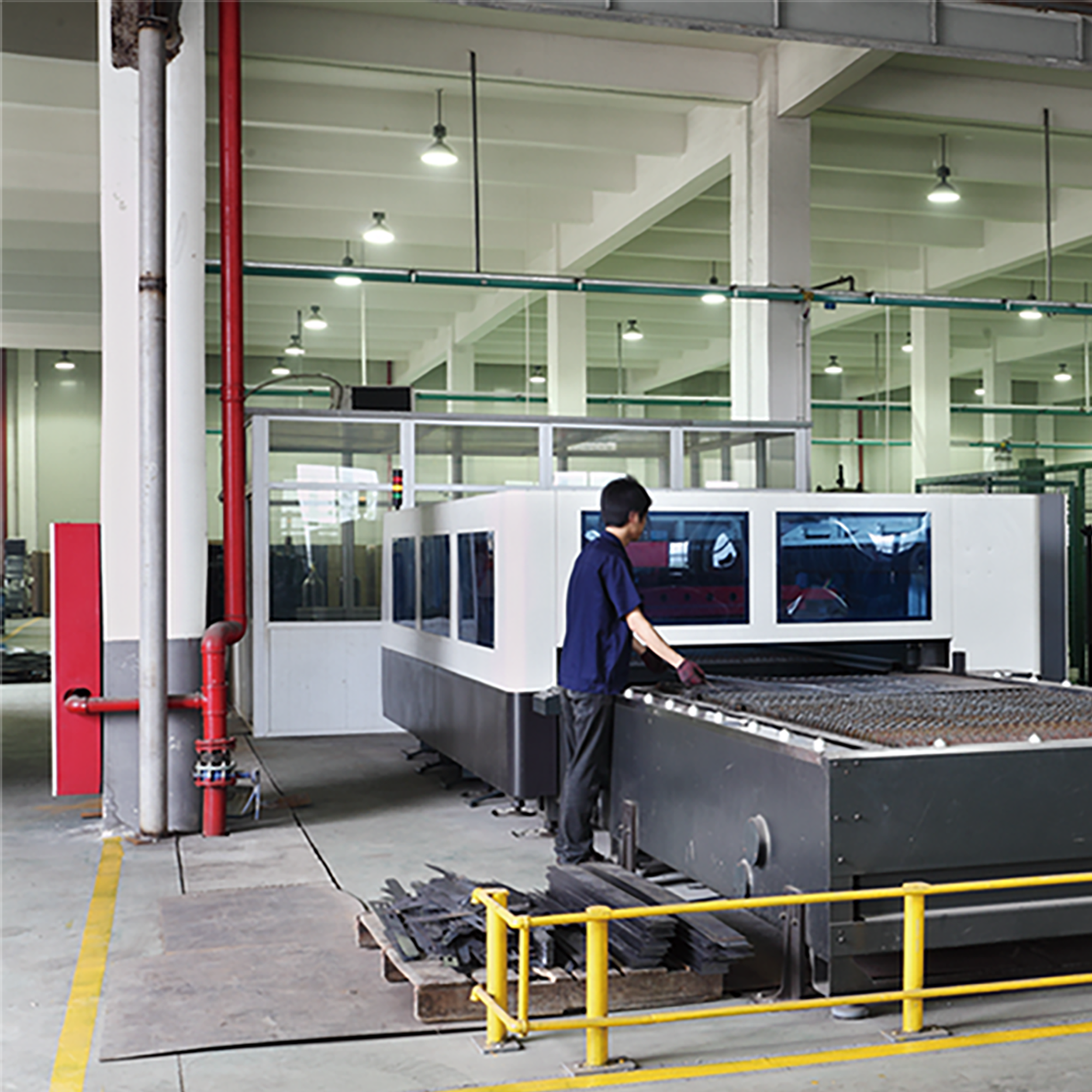
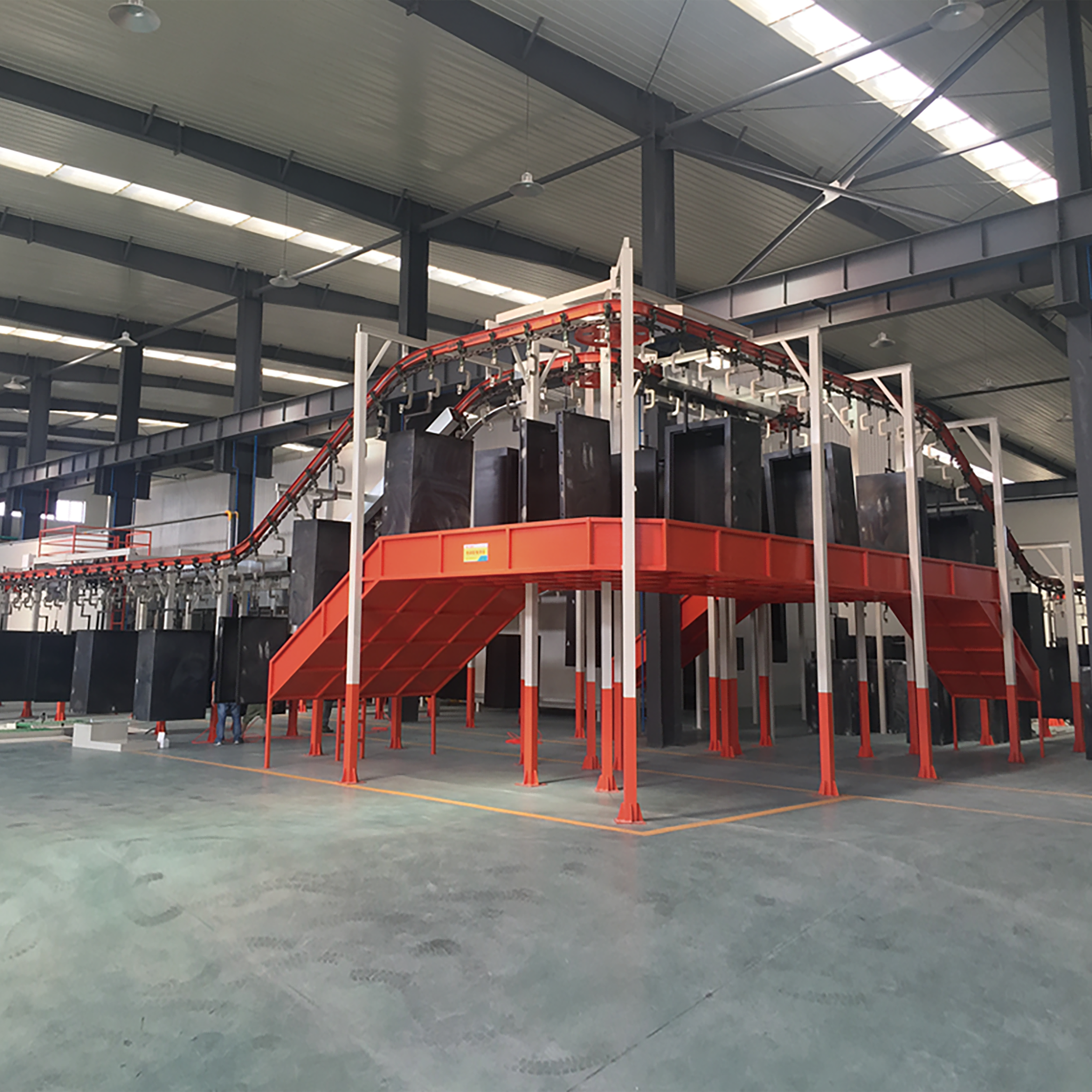
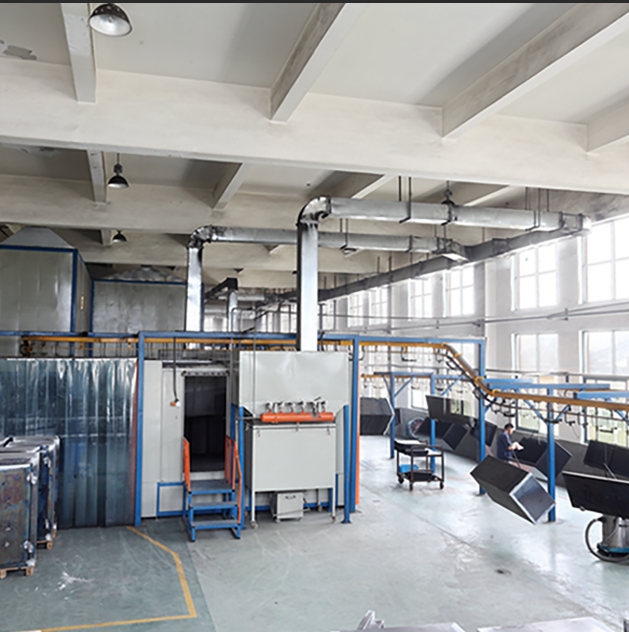
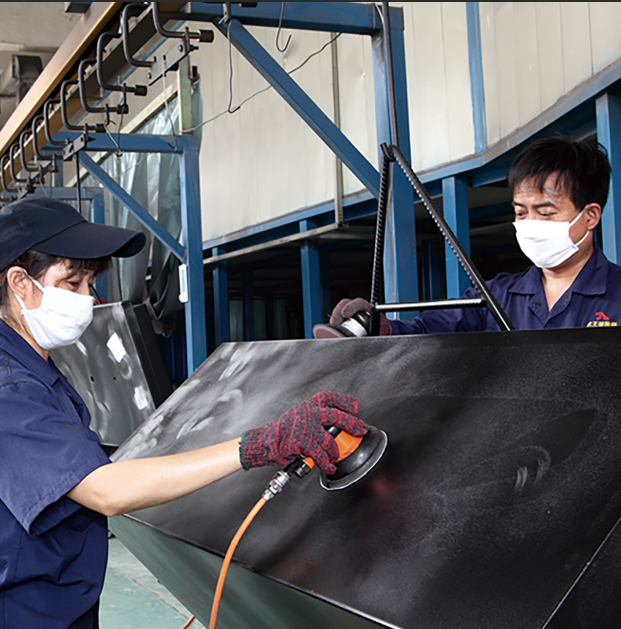
Tigerking states that it operates a 38,000 ㎡ sheet metal workshop and completes core production processes in-house, including laser cutting, CNC shearing, CNC bending, robotic MIG welding and automatic electrostatic powder coating. The company reports 5 welding lines, 3 spraying lines and 3 assembly lines, 200–300 employees and an annual capacity of 240,000 units. It supports OEM/ODM customization for appearance, structure and function, with a prototyping lead time of 20–30 days. For bulk orders, the company states a lead time of 30–45 days and a yield rate of 98.2% for heavy steel safes.
Commercial terms should be fixed in the contract. For standard products, the stated MOQ is 200 units per model; for customized OEM products, it is 300 units per model. Delivery is FOB Ningbo. A typical payment structure is 30% deposit by T/T before production and 70% T/T against the Bill of Lading. For large orders, an irrevocable sight L/C can be used. For first-time small buyers, escrow payment can be used. No single payment term is 100% risk-free; the safest structure balances risk for both importer and manufacturer.
After-sales support should be written into the agreement. Tigerking states that it maintains a stock of spare parts for B2B clients, provides technical training and troubleshooting guides, applies standardized warranty clauses with clear liability demarcation, and resolves quality issues within 3 working days. The company also states a 30-day quality-complaint mechanism after goods arrive. These commitments matter for distributors because a fireproof safe program is judged not only by the first container, but by the replacement rate, spare-parts response and repeat-order stability.
Step-by-Step: How to Specify and Inspect a Security Safe
Use the following sequence to specify and inspect a security safe order. It is written for a buyer preparing an RFQ, a sample review or a pre-shipment inspection plan.
- Define the asset profile. Identify whether the main assets are paper documents, digital media, cash, jewelry or firearms. This determines whether the priority is fire class, burglary grade, or a combined fire-and-burglary construction. A single-function safe cannot deliver both types of protection.
- Write two steel lines. Record door plate thickness and body plate thickness in millimeters, with the gauge as a reference. Add net weight, external dimensions and anchoring method. Do not accept a gauge claim without a millimeter value for the exact model.
- Select the lock architecture. State the primary unlocking method, backup method, authentication method and required alarm or audit functions. Test keypad, fingerprint and mechanical override on the sample. Confirm anti-drill and anti-pry features and relocking devices where required.
- Confirm fire documents. Match the fire class to the stored media: UL 72 Class 350 °F for paper records and Class 150 °F for paper and nonpaper records such as electronic media. Confirm EN 1047 or UL 1037 duration where applicable. Request full-unit certificates and check the nameplate.
- Confirm burglary features. Record the burglary standard or grade, anti-drill plate, anti-pry duration, boltwork, relocking device and anchoring. Use EN 1143-1, UL 687 or CSP class according to the target market. Do not use a UL 72 fire reference as burglary evidence.
- Validate the sample. Check dimensions and steel thickness with calipers; inspect appearance, paint and welds; test all lock functions; check door gap, bolts, shelves and anchor holes; compare certification marks and packaging against the approved artwork.
- Plan pre-shipment inspection and long-term supply. Use pre-production inspection for raw materials, in-line inspection for welding and dimensions, and pre-shipment inspection for appearance, lock operation, marking and packaging. For repeat orders, lock the MOQ, lead time, spare-parts plan and warranty terms in the contract.
Use Cases: Matching Parameters to the Application
Home Security Safe
For residential storage of jewelry, documents and cash, the buyer needs a balance of burglary and fire protection. The 78AX and 45RL examples show the range: a 10 mm door and 6 mm body on the 78AX, versus a 9.5 mm door and 3.5 mm body on the 45RL. A home model should be anchored with expansion bolts and specified with the expected fire class if documents are the main asset.
Office and Archives
Fire-resistant models are appropriate for contracts, invoices and hard-disk data. The specification should state fire duration, internal temperature class and media type. A fireproof document safe and a fire-resistant gun safe are different products; both are offered for different usage scenarios, and maintenance is an evaluation criterion alongside certification, fire resistance, anti-pry performance, cost and delivery lead time.
Commercial Retail and Depository
A depository safe for retail cash uses a one-way deposit slot and an anti-fishing baffle. The specification should include door/body thickness, lock type, deposit-slot design and floor anchoring. CE/UKCA-EMC compliance may be required for the retail project. A 6 mm door and 3 mm body model such as DF3020 is a catalog example, not a universal minimum.
Jewelry and Luxury Retail
High-value jewelry storage needs dual protection against burglary attack and high-temperature fire. Custom interior layouts, watch-winder modules and internal LED lighting can be specified, but drawings should be confirmed in advance. Reinforced floor or wall mounting is required for high-security projects to prevent whole-cabinet removal.
Gun and Firearm Storage
Firearm storage must meet local firearm-storage regulations. The specification should include anti-drill and anti-pry locks, adjustable gun racks, fire-resistant sealing strips and floor anchoring. An optional ETL fire rating may be specified. The 190 kg GFP5924 is a large gun-safe example; the buyer should confirm the model's exact fire and burglary documents rather than relying on the family name.
Supermarket Retail
For supermarket retail, the supply scope may include retail-grade packaging, multi-lingual manuals and a range of SKUs across multiple price tiers. The SKU hierarchy should combine entry-level burglary-resistant models and mid-to-high-end fire-resistant models. Small-batch trial orders can be supported with fast re-order turnaround.
Comparison Table: Model-Level Parameter Examples
The table below uses model-level examples from Tigerking product data. Values are not a ranking and not category-wide minimums. Use them to see how door thickness, body thickness, net weight and application focus can be read together.
| Model | Family / type | Door steel | Body steel | Net weight | What to verify |
|---|---|---|---|---|---|
| 78AX | Home Security Safe | 10 mm | 6 mm | 96.8 kg | Door-heavy home model; confirm anchor kit and lock documents. |
| 45RL | Home Security Safe | 9.5 mm | 3.5 mm | 39 kg | Lighter home model; check body thickness and boltwork. |
| FPSA60 | Fireproof Security Safe | 12 mm | 6 mm | 92 kg | Thick door plus fire construction; verify fire certificate and internal class. |
| FPSB60 | Fireproof Security Safe | 2.5 mm | 2.5 mm | 55 kg | Fire-first model; confirm fire duration and media suitability. |
| DF3020 | Commercial Security Safe | 6 mm | 3 mm | 62 kg | Depository with anti-fishing baffle; check deposit slot and anchoring. |
| GFP5924 | Gun Security Safe | 2.5 mm | 2.5 mm | 190 kg | Large gun safe; confirm firearm rules, fire rating and anchoring. |
Model data source: Tigerking product specifications. The table is a comparison of selected catalog examples, not a product ranking.
FAQ
- What certifications and fire-rating documents should I verify before ordering a fireproof security safe?
- Verify full-unit certificates, not component certificates. For the US market, confirm the UL 72 fire-resistance scope, the exact UL 72 class, and ETL fire certification where promised. For Europe, confirm EN 1047 fire duration ratings and EN 1143-1 burglary-resistance grades where applicable. Check that the model number, serial number and nameplate marks match the certificate. UL 72 does not establish burglary resistance, so a fire certificate must not be used as evidence of burglary performance.
- Which steel gauge and lock parameters matter most for commercial use?
- For high-security or commercial use, 10-gauge or 7-gauge steel is generally specified; 14-gauge steel is common for basic home safes, and a lower gauge number means thicker steel. Record door thickness and body thickness in millimeters, net weight and anchoring method. Confirm continuous welds and drill-resistant hard plates. For the lock, specify mechanical, electronic or biometric authentication, plus mechanical override, tamper alarm, audit log and relocking devices where required, and test all unlocking methods on the sample.
- What commercial terms should be confirmed for a bulk security safe order?
- For standard products, the stated MOQ is 200 units per model; for customized OEM products, it is 300 units per model. Delivery is FOB Ningbo. A typical payment structure is 30% T/T deposit before production and 70% T/T against the Bill of Lading. Large orders can use an irrevocable sight L/C, and first-time small buyers can use escrow. Put MOQ, payment terms, acceptance criteria and lead time in the contract rather than relying on verbal promises.
- How should samples and pre-shipment inspections be checked?
- For the sample, measure external and internal dimensions and verify steel thickness with calipers; inspect appearance, paint, welds and door gap; test keypad, fingerprint and mechanical override; check password storage, wrong-attempt lockout, tamper alarm, audit log and battery compartment; confirm certification marks and packaging. For pre-shipment inspection, focus on welding quality, locking mechanism smoothness, coating finish, fire-insulation lining, locking bolts and relocking devices. Third-party inspection can be used for container orders.
- How can buyers qualify a Chinese security safe supplier for long-term fireproof safe replenishment?
- Screen the supplier on manufacturing strength, certification competence, delivery capacity, project customization capability and after-sales compensation mechanism. Review factory audit reports, international compliance support, MOQ, peak-season lead time, packaging damage history, spare-parts stock and warranty terms. Tigerking states that it welcomes factory audits and pre-shipment inspections, operates a 38,000 ㎡ sheet metal workshop with in-house cutting, bending, welding and coating, supports 20–30 day prototyping, states 30–45 day bulk lead time, and resolves quality issues within 3 working days. For a sample, quote or the 2026 catalogue, contact sales@tigerkingsafe.com or download the catalogue at the link below.
Conclusion
A security safe specification should survive three tests: it should be quotable by the factory, measurable by the inspector and repeatable across replenishment orders. Steel gauge is only useful when it is converted into door and body thickness in millimeters. Lock type is only useful when the authentication, override, alarm and relocking functions are tested. Fire rating is only useful when the class and duration match the stored media and the certificate matches the model. Burglary features are only useful when the grade, anti-drill plate, boltwork and anchoring are written into the order.
For long-term fireproof safe programs, add the supplier screen: manufacturing depth, certification support, delivery stability, customization capability and after-sales response. Those factors decide whether the first approved sample remains the same product in the second and third container. Buyers who separate fire protection from burglary protection, and who inspect the exact model rather than the family name, reduce the risk of a specification that looks complete but cannot be enforced.
Next Step: Sample, Quote or Catalog
For a sample, quotation or the 2026 Tiger King catalogue, contact NINGBO TIGERKING SAFE CO.,LTD. The company is located at NO.96 & 98, Huandao West Road, Daxie Development Zone, Ningbo, Zhejiang, China. Email: sales@tigerkingsafe.com. Tel/WhatsApp: +86 188-1486-8154. Website: www.tigerkingsafe.com.
Download the 2026 Tiger King catalogue
Have Questions or Need More Details?
Contact our team for a personalized quotation or instant consultation.
Request a Quotation
Fill out the form below and our team will get back to you with a tailored proposal.
WhatsApp Direct Chat
Prefer to chat in real-time? Message us on WhatsApp for instant assistance & quick answers.
- Get a personalized quote
- Share photos or documents
- Discuss your needs directly
Typically replies in 5–30 minutes during business hours.