
Rain-Proof Motorcycle Navigation: IP67 CarPlay Unit Guide
Phone-based navigation on a motorcycle fails for three predictable reasons: water reaches the screen, vibration reaches the mount, and voltage reaches the charger. The TOPNAVI TN-M11 is a motorcycle navigation unit built around those conditions — IP67 waterproofing, a 12V–30V power range, a 6.25-inch 1560*720 IPS touchscreen, wireless CarPlay and Android Auto, GPS, a 2K DVR, blind spot detection (BSD) and 433-protocol TPMS support in one housing. This guide defines the failure conditions first, then explains how to evaluate, install and validate a unit before committing to an order.
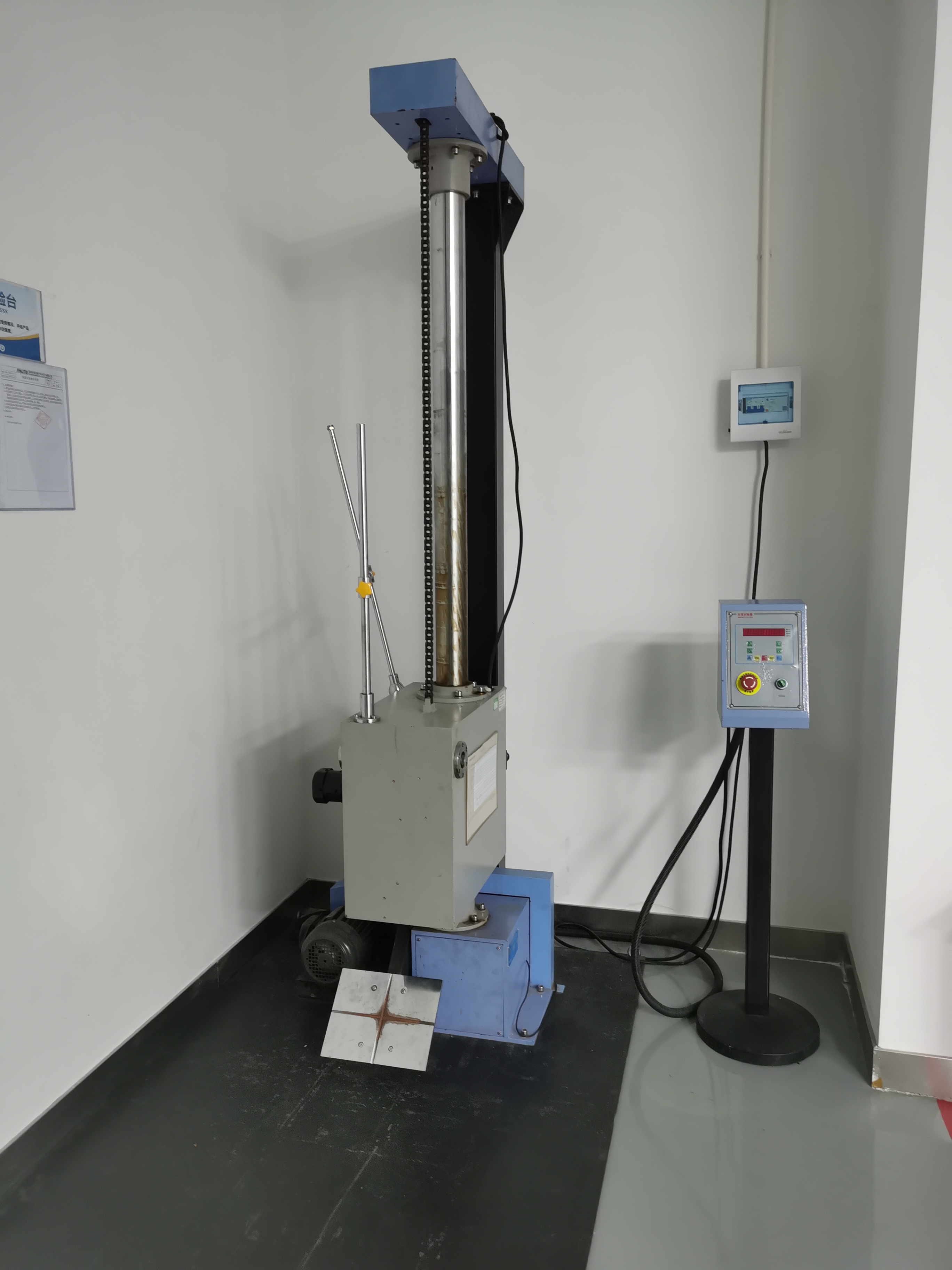
Drop and vibration testing before shipment — the validation step behind a handlebar-mounted navigation unit. Image: TOPNAVI.
Why Phone-Based Navigation Fails on a Motorcycle
The navigation app is rarely the problem. What fails is the hardware envelope around it: a consumer phone in a consumer mount, exposed to conditions the phone was never specified for. Three conditions account for most of the failures riders describe, and each one has a different engineering answer.
Water: rain, spray and condensation
A waterproof phone case protects the phone by inserting a membrane between the rider's finger and the glass. Once that membrane is wet, capacitive touch becomes unreliable — taps register late, drags break, and water trapped between case and screen fogs the display at the moment the next turn matters most. Sealing the navigation unit instead of the phone moves the water boundary to the device housing, so the touchscreen itself stays the touch surface.
Vibration: the handlebar is a hostile mount
Vibration rarely destroys a device in one ride; it loosens things. Clamps creep, connectors back out of ports, and internal assemblies fatigue over months of use. TOPNAVI's stated control approach for mechanical shock and vibration damage is a shock-absorbing structural design with reinforced internal fixation, supported by vibration and shock testing and drop testing before shipment.
Voltage: motorcycle charging systems are not phone chargers
Motorcycle charging output moves with engine speed and electrical load, and a phone charged through a plug-in USB adapter simply inherits whatever that adapter delivers. A unit specified for a 12V–30V input range covers both 12V systems and the 24V systems used on some machines without an external converter — one fewer component, and one fewer connection that can fail in the rain.
Gloves, sunlight and wet touch
Riders operate navigation with gloves, through a visor, in direct sun, and often while the surface is wet. Small low-information displays force the rider to look down longer than is comfortable at speed. A 6.25-inch 1560*720 IPS panel, a stable power supply and a sealed touch surface address the ergonomic problem and the durability problem at the same time, which is why dedicated units replace mounts rather than compete with them.
Industry Background: Why Riders Moved From Mounts to Dedicated Units
The aftermarket head-unit category has been consolidating around integrated screen devices for several years. Mordor Intelligence valued the global car audio market — speakers, amplifiers and head units — at USD 12.24 billion in 2025, and Grand View Research reported that the Double DIN form factor accounted for 44% of car stereo market revenue in 2025. Both figures describe the car audio category, not the motorcycle segment specifically, but they explain the engineering direction: buyers reward large integrated displays over separate components.
TOPNAVI's own product guide divides aftermarket car radios into single-DIN, double-DIN, Android and Linux-related types and covers OEM/ODM positioning. The motorcycle unit inherits from that structure. The display, connectivity and power design that goes into an Android car radio or a touch screen car radio is repackaged into a sealed housing with a motorcycle mount, because the environmental requirements change while the electronics do not.
It is worth being precise about the limits of the available evidence. Published market research covers car audio and in-car infotainment; public data on motorcycle-specific navigation hardware is far thinner. That asymmetry is a practical reason to evaluate a motorcycle unit on published specifications, test reports and sample behaviour rather than on category-level market claims. Buyers sourcing a car radio replacement for a vehicle programme can lean on volume market data; buyers sourcing a sealed motorcycle unit generally cannot.
How the TN-M11 Addresses Each Failure Condition
TOPNAVI (Shenzhen Top Navi Electronic Tech Co., Limited) is a Shenzhen-based manufacturer of car multimedia players, car head units, motorcycle CarPlay units and related in-vehicle electronics, founded in 2014. The company reports a 20,000 m² factory, more than 100 production staff, a 50-engineer R&D team and annual output of 360,000 units, with exports to more than 70 countries. The TN-M11 applies that production base to a sealed motorcycle housing rather than to a dashboard unit.
| TN-M11 specification | Stated value | Failure condition it addresses |
|---|---|---|
| Water and dust protection | IP67 | Rain, road spray, wash-down, condensation |
| Power input | 12V–30V | Voltage variation across 12V and 24V systems |
| Display | 6.25-inch 1560*720 IPS touchscreen | Sunlight readability, wet and gloved touch |
| Phone connectivity | Wireless CarPlay and Android Auto | Phone stays pocketed; no cable to the bar |
| Positioning | GPS | Navigation continuity when the phone loses fix |
| Recording | 2K DVR | Evidence capture without a second device |
| Rider assistance | Blind spot detection (BSD) | Awareness of adjacent traffic |
| Tyre monitoring | 433-protocol TPMS support | Pressure warnings on the unit display |
Specifications as stated by the manufacturer for the TN-M11. Confirm the exact configuration, sensor bundle and accessory list for your order at quotation stage.
IP67 waterproofing
Under the IEC 60529 rating system, IP67 means the enclosure is dust-tight and protected against temporary immersion in water. For a rider, the practical translation is that rain, road spray and a routine wash-down are treated as normal operating conditions rather than emergencies. The rating is also a document request: ask for the test report behind the claim, and ask what the rating covers — the full housing, or only selected surfaces.
12V–30V power input
A 12V–30V input range keeps the unit inside specification whether it is fitted to a conventional 12V motorcycle or a 24V system, and it absorbs the normal swing in charging output. The supply must still be installed correctly — constant live, switched ignition and a solid ground — which is why the wiring decisions in the step-by-step section below matter as much as the rating itself.
6.25-inch 1560*720 IPS touchscreen
The 6.25-inch 1560*720 IPS panel gives a dense pixel layout for a compact motorcycle footprint. IPS panels hold colour and contrast across wider viewing angles than older panel types, which matters when the screen is angled toward a rider's visor rather than toward a dashboard. Just as importantly, the touch surface is the sealed front of the device, not a membrane over a phone.
Wireless CarPlay and Android Auto
Wireless CarPlay and Android Auto keep the phone in a pocket or tank bag, so there is no charging cable running to the handlebar and no connector to corrode. Navigation, calls and media come from the phone through the unit's display. Because rendering depends on the paired handset, pairing behaviour should be verified with the phones your riders actually use during a sample evaluation.
GPS positioning
GPS positioning is part of the unit itself, so the device does not depend solely on the phone's receiver under a tank bag or a wet jacket. TOPNAVI's stated control approach for GPS signal loss and interference is a dual-band GPS + Beidou high-gain antenna combined with an anti-interference receiving algorithm, validated through weak-signal environment simulation and pre-shipment positioning checks.
2K DVR
An integrated 2K DVR removes the second device, the second mount and the second power tap that a separate camera would require. It also changes the purchasing question: instead of choosing navigation and recording separately, the buyer evaluates one sealed unit and one installation.
BSD and 433-protocol TPMS support
Blind spot detection adds awareness of adjacent traffic, and 433-protocol TPMS support brings tyre pressure readings onto the same display. Both are system features rather than standalone accessories, which means the sensor bundle, the pairing procedure and the display layout should all be confirmed together before an order is finalised.
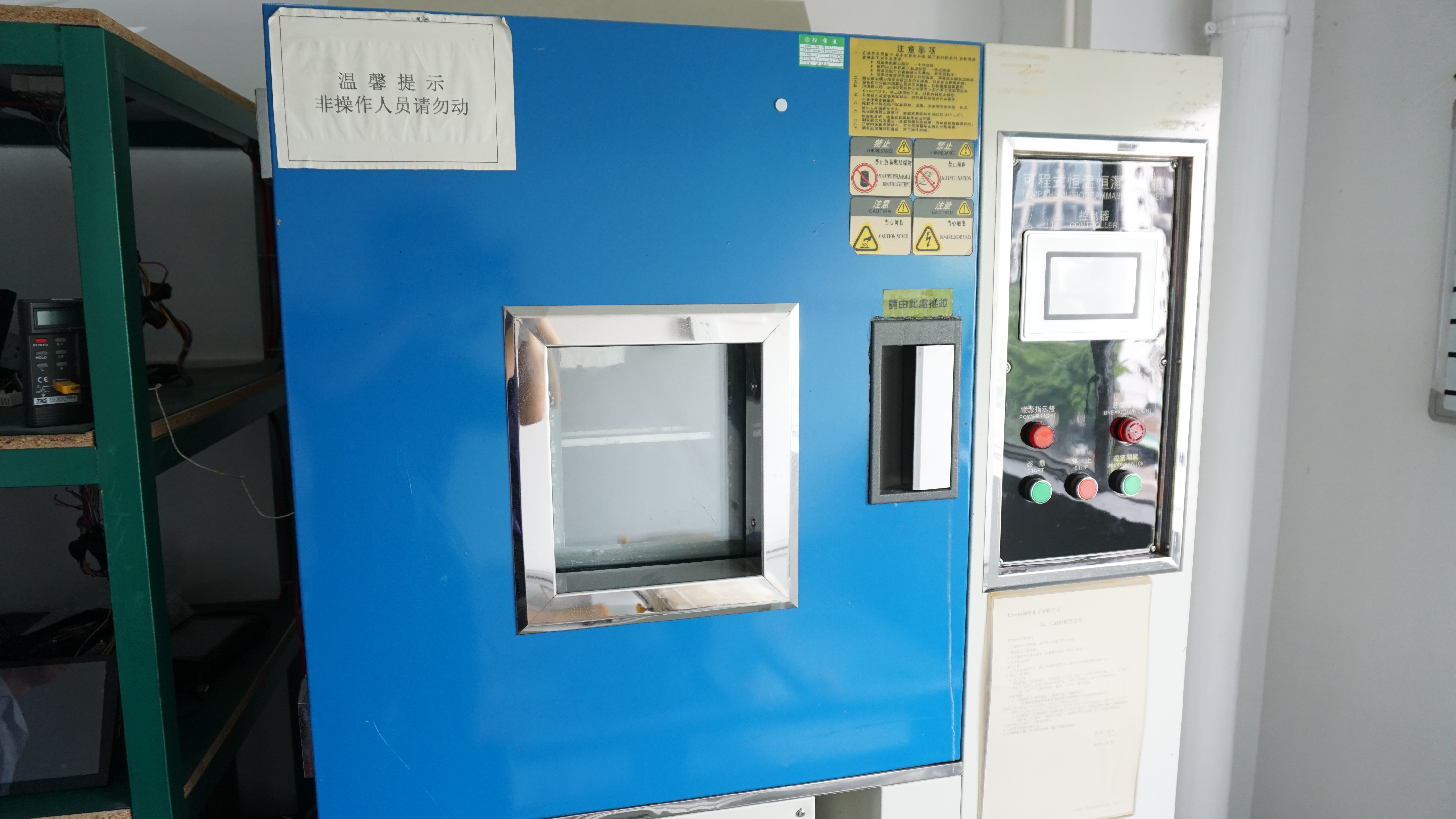
Thermal cycling testing across the operating range — the environmental half of the validation programme. Image: TOPNAVI.
Step-by-Step: How to Evaluate and Commission a Motorcycle Navigation Unit
- Step 1 — Confirm the electrical envelope. Check the machine's nominal system voltage and the unit's stated input range. A 12V–30V unit covers both 12V and 24V systems; anything narrower needs an external converter, which is an extra component in a wet environment.
- Step 2 — Put the IP rating in writing. Ask for the IP67 test report, confirm which surfaces the rating covers, and ask whether the rating holds with the unit mounted in its supplied bracket rather than on a bench.
- Step 3 — Match the display to the riding position. Compare panel type, resolution and screen size against the actual mounting angle on the bike. A 6.25-inch 1560*720 IPS panel is a reasonable baseline for a bar-mounted unit; verify contrast in daylight on a sample rather than from a photograph.
- Step 4 — Decide the sensor bundle up front. BSD and 433-protocol TPMS support should be specified with the unit, together with the pairing procedure and the display layout for warnings. Adding sensors later is an integration project, not an accessory purchase.
- Step 5 — Plan the loom before drilling anything. The discipline is the same as with a car radio wiring harness: identify constant live, switched ignition and ground, fuse the supply, keep connectors out of spray paths, and strain-relieve every run so vibration is carried by the loom and not by the connector.
- Step 6 — Validate under real conditions. A bench test proves the unit powers on. A road test in rain proves the requirement. Check wet-glove touch response, wireless pairing stability, DVR output, GPS fix retention in urban canyons and TPMS readings over a full pressure cycle.
- Step 7 — Confirm documentation and support. For customs, car radios with recording or reproducing apparatus are classified under HS 8527.21; a navigation unit with an integrated DVR should have its classification confirmed with your broker rather than assumed. Agree the warranty terms, the firmware update path and the spare-parts position in the same conversation.
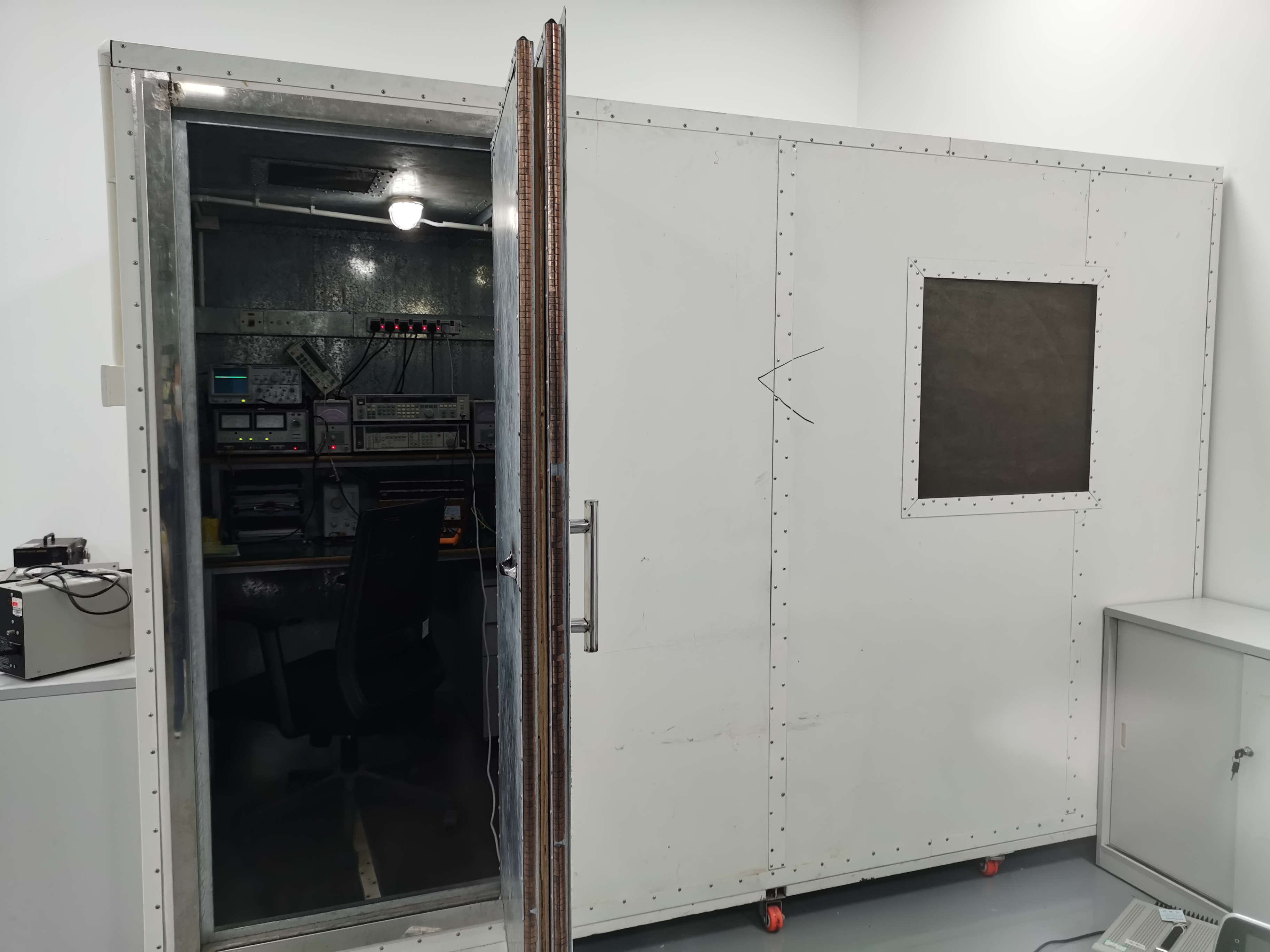
Signal shielding room: GPS interference and EMC behaviour are tested before products leave the factory. Image: TOPNAVI.
Use Cases: Where a Sealed CarPlay Unit Changes the Decision
Wet-climate commuting
Riders in high-rainfall markets are the clearest case. When it rains on most commutes, a case-and-phone arrangement becomes a daily compromise, and IP67 sealing turns navigation from a fair-weather option into a fixed installation.
Touring and long-distance riding
Multi-day routes combine rain, sustained vibration and long screen-on hours. A unit with GPS positioning, wireless CarPlay and Android Auto and an integrated 2K DVR keeps navigation, recording and phone access in one sealed device with one power feed.
Delivery and courier fleets
Fleet buyers evaluate repeatability: the same unit, the same mount and the same wiring on every bike, with BSD and 433-protocol TPMS support giving supervisors two safety signals on one display. Consistent installation across a fleet is usually worth more than any single feature.
Adventure and mixed-surface riding
Off-tarmac use raises shock loads. Reinforced internal fixation and shock-absorbing structural design, backed by drop and vibration testing, are the relevant specifications here rather than screen size alone.
Workshops, installers and aftermarket distributors
Installers who already handle car radio replacement work will recognise the workflow: a loom to route, a mount to fit, a device to pair. Distributors serving both segments can carry a motorcycle navigation unit alongside their Android car radio, double din car radio and single din car radio lines, and use one installation team across the range.
Comparison Table: Phone Mount, Portable GPS or Motorcycle Navigation Unit
| Decision factor | Phone in a bar mount | Portable GPS navigator | TOPNAVI TN-M11 |
|---|---|---|---|
| Water protection | Depends on the case and its membrane; not a rated system | Handheld device, typically carried rather than fixed | IP67 — dust-tight, protected against temporary immersion |
| Vibration resistance | Depends on the mount and the phone's internal stabilisation | Designed as a handheld, not as a bar-mounted device | Shock-absorbing structural design, reinforced internal fixation, vibration/shock and drop testing before shipment |
| Power input | Whatever the plug-in USB adapter provides | Own battery, recharged by cable | 12V–30V input range |
| Display | Phone screen behind a case membrane | Compact handheld display | 6.25-inch 1560*720 IPS touchscreen |
| Navigation source | Navigation app on the phone | Built-in maps on the device | Wireless CarPlay and Android Auto from the paired phone, plus GPS |
| Recording | Separate camera required | Not provided by the device | Integrated 2K DVR |
| Blind spot and tyre pressure | Not available from the unit | Not available from the device | BSD and 433-protocol TPMS support |
| Installation | Clamp plus a charging cable | Suction or bar mount, recharged by cable | Wired to the motorcycle electrical system on a fixed mount |
This table compares product categories, not individual models. Only the TN-M11 column uses manufacturer-stated specifications; the other two columns describe the general characteristics of each approach.
Frequently Asked Questions
What certifications and documents should I verify before buying a motorcycle CarPlay unit?
Ask for the certificate that covers the exact SKU, not the company brochure. TOPNAVI states that its factory holds ISO 9001 certification and that its products carry CE, FCC, RoHS, E-Mark and EMC certification; certificate numbers, issuing bodies and validity dates should be requested and checked against the model being ordered. For the TN-M11, the IP67 claim should be supported by the test report behind the rating, and importers should confirm which conformity documents their own market surveillance requires before the first shipment.
Can one 6.25-inch motorcycle unit run navigation, recording and sensor alerts at the same time?
The TN-M11 combines a 6.25-inch 1560*720 IPS touchscreen, wireless CarPlay and Android Auto, GPS, a 2K DVR, BSD and 433-protocol TPMS support in a single housing. In practice, navigation runs from the paired phone through wireless CarPlay or Android Auto while the DVR records and the unit displays blind spot and tyre pressure warnings. Because CarPlay and Android Auto rendering depends on the paired handset, validate the combined load with the phones your riders actually use rather than assuming it from the specification sheet.
What drives the cost of an IP67 motorcycle navigation unit?
Cost is driven by the environmental housing and sealing, the display, the 2K DVR and the sensor integrations rather than by any single component. A unit that adds blind spot detection and 433-protocol TPMS support carries more hardware and more validation work than a navigation-only display, and IP67 sealing adds tooling and test steps. A cheap car radio price is not a useful benchmark for a sealed motorcycle unit; compare quotations on the full configuration, the certification documents supplied and the warranty terms instead of on unit price alone.
Can I test a sample unit before placing a production order?
Yes. Request a sample for bench and road validation: check the IP67 sealing after a wet ride, confirm the 12V–30V input on your own machine, test wireless CarPlay and Android Auto pairing with your phones, and review the DVR, blind spot and TPMS behaviour in the conditions you actually ride in. Samples are arranged through sales@topnaviauto.com or WhatsApp +86 150-7094-1278, and the product brochure can be downloaded before the request is made.
How is lead time determined for a motorcycle navigation order?
Lead time depends on configuration, order volume and whether customisation or additional certification documentation is required, so it is confirmed in the quotation rather than published as a fixed number. TOPNAVI operates a 20,000 m² factory with more than 100 production staff and annual output of 360,000 units, which sets the capacity context for scheduling. Send your model list, required volumes and target delivery date to sales@topnaviauto.com to receive a quotation with a confirmed lead time.
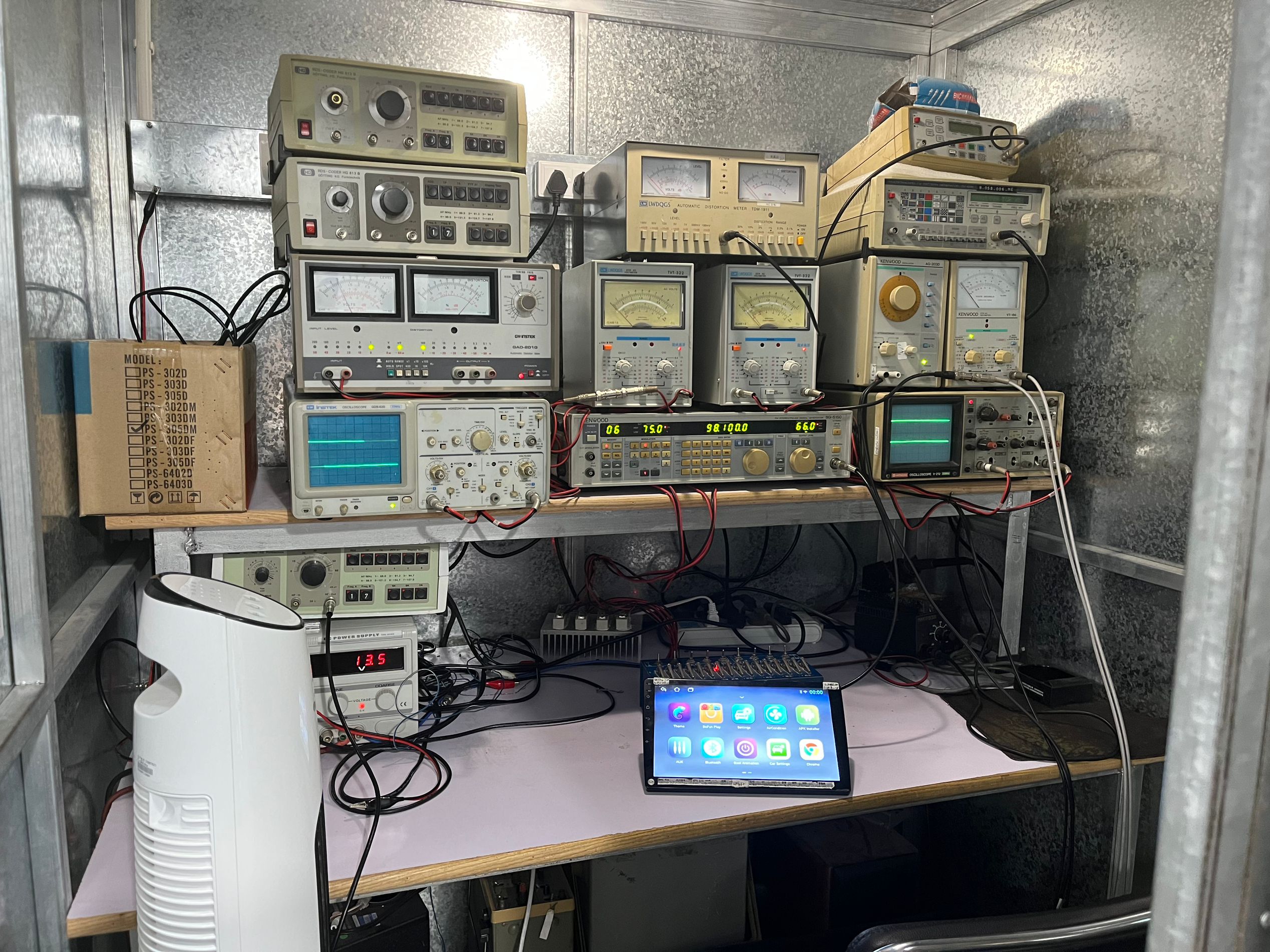
Full-load aging before shipment: reliability is screened in the factory rather than discovered on the road. Image: TOPNAVI.
Conclusion
The decision is not whether a phone mount can survive a wet ride; it is whether navigation should depend on a device that was never specified for rain, vibration and voltage swing in the first place. For riders and installers in wet or high-vibration use, a sealed unit with a documented IP67 rating, a 12V–30V input, a 6.25-inch 1560*720 IPS touchscreen and integrated navigation, recording and sensor support removes three separate failure points at once.
The buying logic follows the same order as the problems: verify the electrical envelope, verify the sealing in writing, match the display to the riding position, decide the sensor bundle before ordering, install the loom with the same discipline as a car radio wiring harness, and validate on a sample in real weather. Buyers who follow that sequence end up comparing like-for-like configurations and documented test evidence, which is the only comparison that survives contact with a rainy commute.
One honest limitation belongs in the conclusion as well. Public market research describes the car audio and infotainment category in detail but says little about motorcycle-specific navigation hardware, so category-level figures should inform your expectations, not your specification. On a motorcycle unit, the specification, the test report and the sample ride carry the decision.
Next step: evaluate the TN-M11 on your own machine
Request a sample unit or a quotation for the TOPNAVI TN-M11 motorcycle navigation unit, or download the product brochure for the full specification and accessory list. Share your bike models, expected volumes and target delivery date and you will receive a configuration-matched quote with lead time.
Email: sales@topnaviauto.com | WhatsApp / Tel: +86 150-7094-1278 | Website: www.topnavi.com.cn | Brochure: download the TOPNAVI product catalogue (PDF)
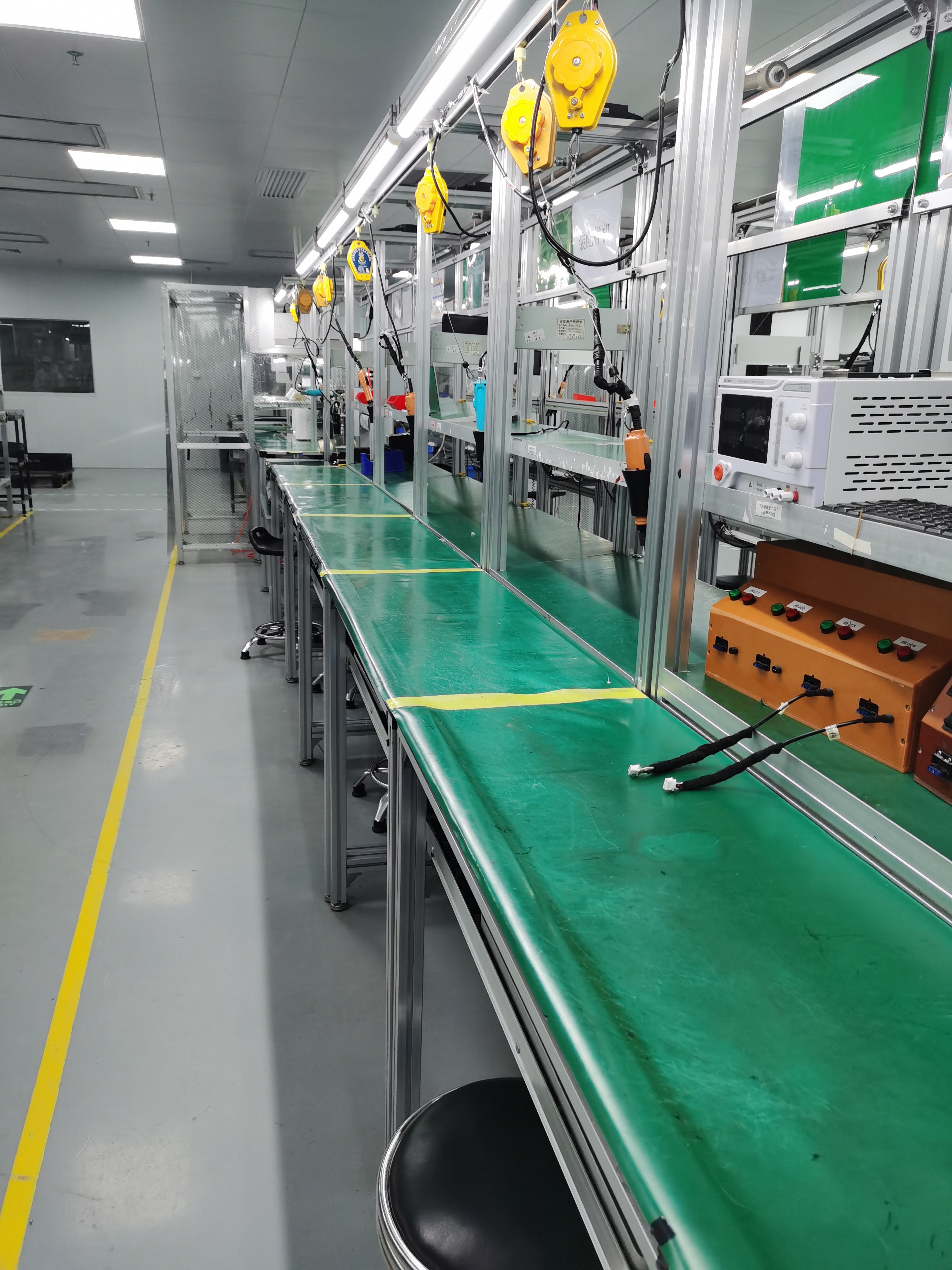
Production line at Shenzhen Top Navi Electronic Tech Co., Limited. Image: TOPNAVI.
Have Questions or Need More Details?
Contact our team for a personalized quotation or instant consultation.
Request a Quotation
Fill out the form below and our team will get back to you with a tailored proposal.
WhatsApp Direct Chat
Prefer to chat in real-time? Message us on WhatsApp for instant assistance & quick answers.
- Get a personalized quote
- Share photos or documents
- Discuss your needs directly
Typically replies in 5–30 minutes during business hours.