Tailored POS Terminal OEM/ODM Solutions: How Telpo Powers Global Retail, Transit & Payment Systems
Tailored POS Terminal OEM/ODM Solutions: How Telpo Powers Global Retail, Transit & Payment Systems
When a retailer in Southeast Asia needs a dual-screen cash register with local fiscal compliance, or a transit authority in Europe requires a rugged ticket validator supporting both EMV and closed-loop cards, the path from concept to deployment demands more than a standard product—it requires a manufacturing partner with full OEM/ODM capabilities. Telpo Technology Co., Ltd., a national high-tech enterprise founded in 1999 and headquartered in Foshan, China, provides AI-driven smart terminals and solutions, delivering end-to-end customization services for global clients across Smart Retail, Smart Payment, Smart Transportation, and Biometric Security.
The Challenge: Why Off-the-Shelf POS Terminals Fall Short
Businesses that deploy POS terminals across diverse markets often face a common set of obstacles: strict payment certification requirements (PCI PTS, EMV, regional fiscal mandates), varying hardware form factors for different environments (countertop, handheld, self-service kiosk), and the need for brand differentiation via custom colors, logos, and packaging. Off-the-shelf products rarely satisfy all these criteria simultaneously. An OEM/ODM manufacturer that can blend hardware design, software customization, and global compliance becomes an essential partner.
Industry Background: The Scale of the POS Terminal Opportunity
The global point-of-sale (POS) terminal market reached a valuation of approximately USD 123.2 billion in 2025 (Grand View Research). Within this ecosystem, Android POS terminals accounted for roughly 27% of terminals sold globally (2024 tracking), reflecting the shift toward open-platform solutions. The handheld POS segment is projected to grow from USD 33.15 billion (2025) to USD 89.52 billion by 2035. Meanwhile, the SoftPOS market, which enables contactless payments on standard NFC devices, was estimated at USD 365.0 million in 2024 with a 23.1% CAGR through 2030. For manufacturers like Telpo, these trends create rising demand for customized terminals that can support diverse payment ecosystems and deployment scenarios.
Telpo’s Comprehensive OEM/ODM Capability
Telpo provides full-chain design and manufacturing services, enabling clients to move from specification to volume production under one roof. The company’s capabilities are organized into three tiers:
- Branding & Cosmetic Customization (Production Mode ID: 438): Logo, boot animation, UI theme, custom-color housing, branded packaging, manuals, and accessories. Suitable for clients who want to bring their brand to existing hardware with minimal lead time.
- Full-Chain Design & Manufacturing (Production Mode ID: 439): Industrial design (styling, color, brand elements), structural modifications (housing, dimensions, mounting), functional hardware selection (biometric scanners, special interfaces), mold creation, system customization via TelpoOS 2.0 (101 features + 144 APIs), and packaging. This tier offers deep customization for unique requirements.
- Software & Application Development (Production Mode ID: 440): Device management platform development, general and customer-tailored applications, deep OS customization based on Android, Linux, or Windows.
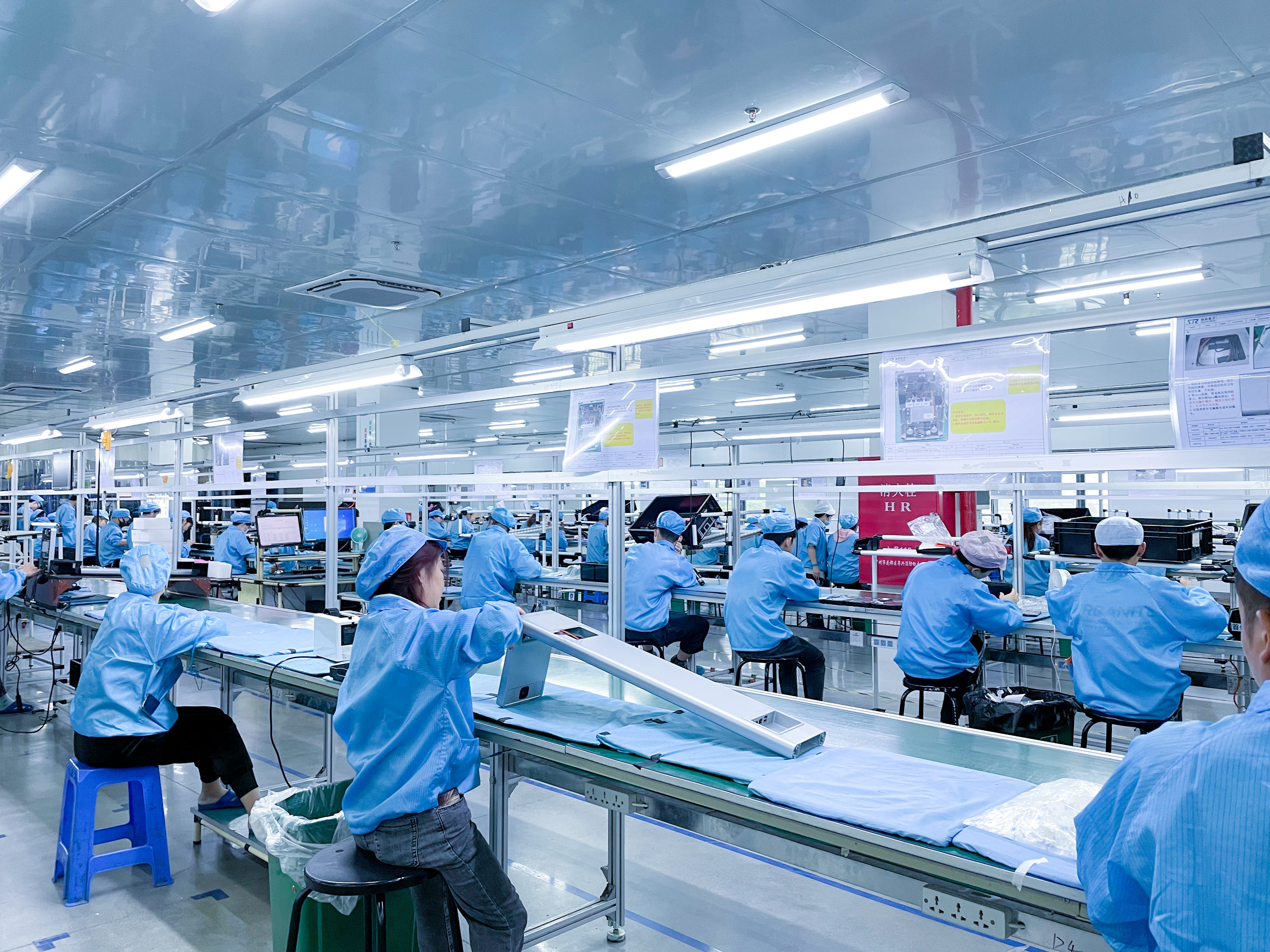
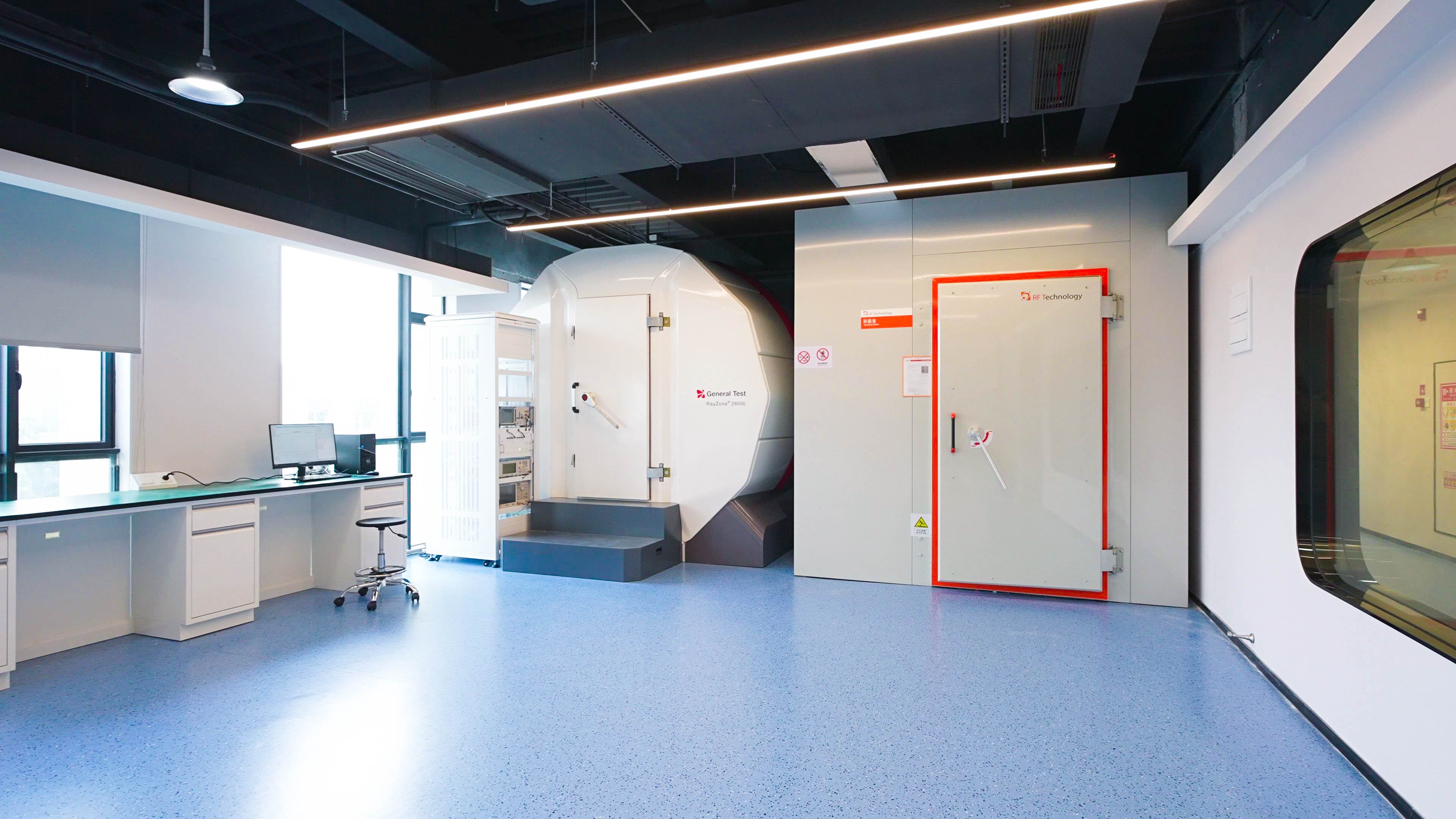
Telpo’s production capacity is approximately 150,000–180,000 units per month, with an annual output of 2,000,000 units. Typical lead times range from 15–25 working days for bulk standard orders to 45 working days minimum for fully customized machines. MOQ varies: 2–50 units for samples or trial batches, 200+ for OEM logo printing and custom packaging, and 500–1,000 for deep ODM projects. The company holds ISO 9001 quality certification and operates a CNAS-accredited laboratory covering approximately 900 sqm across 12 testing zones (including OTA darkroom, EMC chamber, climate lab). Every unit undergoes 100% functional test before shipment.
Step-by-Step OEM/ODM Process at Telpo
- Requirement Analysis: Client provides target market, use case, desired compliance, form factor, and budget.
- Industrial & Structural Design: Telpo’s engineering team (200 engineers) creates ID and 3D models, selecting materials (ABS+PC, metal, etc.) and housing structure.
- Hardware & Software Customization: Module selection (fingerprint scanner, 2D barcode, NFC), PCB design, OS customization (Android, Linux, Windows), TelpoOS API integration.
- Prototyping & Validation: Sample units undergo functional testing, compliance pre-scan (EMV, PCI, regional certifications), and environmental tests in the CNAS lab.
- Certification & Approval: Telpo manages application and testing for certifications such as EMVCo, PCI PTS, E-mark, BIS, RoHS, WEEE, and more. Certificates are linked to the specific product model.
- Mass Production & QC: Full-scale production with inline and outgoing inspection, 100% functional test, and batch quality records.
- Logistics & After-Sales: FOB/FCA/CPT/CIF delivery, 24/7 ticket system, remote diagnostics, Telpo MDM remote monitoring, and dedicated support for key projects.
Real-World Use Cases Demonstrating Customization
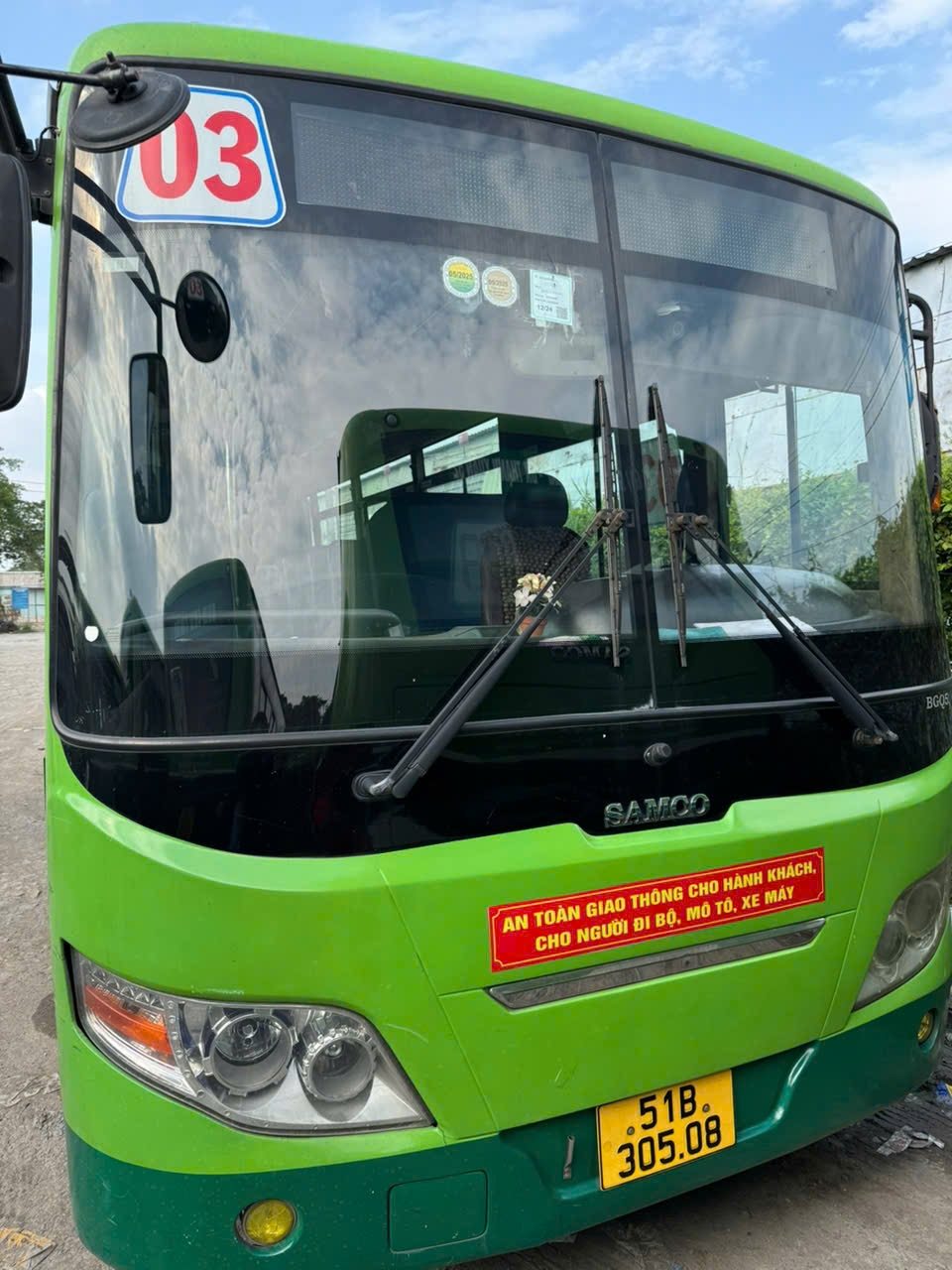
1. Public Transit in Vietnam – 2,000+ Ticket Validators (Product 5258 / T10)
A partnership with a local commercial bank and a global payment network deployed over 2,000 Telpo T10 ticket validators across Vietnamese bus fleets. The project, rolled out within 3 months, achieved a reduction in single ticket verification time from 5 seconds to 1 second, lowered ticketing operation costs by 30%, and grew the target user base by 45%. The T10 supports ISO14443 A/B, Mifare, Cipurse, Calypso, Felica, EMV Contactless L1, QR codes, and paper tickets, with IK07 impact resistance and optional IP54—customized firmware and software were developed for the local bank’s backend.
2. SoftPOS Payment at a German Football Event – 200+ Units (Product 5251 / M8)
Telpo’s M8 dual-screen compact POS terminal was used as the primary tap-to-pay device for the DFB-Pokal in Germany. Staff could process a contactless card transaction in under 2 seconds. The M8’s compact footprint (8"+3" dual screen) and NFC/SoftPOS compatibility eliminated the need for separate terminal, scanner, and printer. Customizable side panels with acrylic branding inserts were applied for the event operator.
3. Self-Service Ordering in Burger King Mongolia – 100+ Kiosks (Product 5262 / K20)
Telpo K20 self-ordering kiosks were installed in Burger King Mongolia, featuring a 27" touchscreen, multi-language UI, and accessibility audio mode. The project reduced order queues and improved upsell friction, demonstrating Telpo’s ability to customize software (restaurant ordering flow) and hardware (anti-vandalism heavy-duty steel enclosure) for QSR environments.
Comparison of Customization Options
| Customization Level | Scope | Typical Lead Time | MOQ |
|---|---|---|---|
| Branding & Cosmetic | Logo, boot animation, custom housing color, branded packaging | 15–25 working days (bulk standard) | Flexible; samples available individually |
| Full-Chain ODM | ID, structure, hardware selection, mold, OS customization (TelpoOS), special interfaces | 45 working days minimum; standard ODM cycle 4–6 months | 500–1,000 units (adjustable) |
| Software & Application | App development, device management platform, deep OS customization (Android/Linux/Windows) | 2–3 months | 3,000 units (for major projects) |
Frequently Asked Questions
Q1: What certifications are typically required for an OEM/ODM POS terminal?
POS terminals must comply with PCI PTS (PIN Transaction Security) and EMV (Europay, Mastercard, Visa) standards for secure chip processing. Telpo’s terminals also carry regional certifications such as CE RED (EU), BIS (India), RoHS, WEEE, E-mark, and EN 50155/EN 45545 (railway). For example, the TPS900 holds Mastercard TQM, Paypass, AMEX, UnionPay, and RuPay approvals. Telpo manages the certification process as part of the ODM service, ensuring the final product is market-ready.
Q2: What customization options are available for software and firmware?
Telpo provides deep OS customization based on Android, Linux, and Windows. Services include device management platform development, application development (both general and customer-tailored), and integration with TelpoOS 2.0 which exposes 101 features and 144 APIs for client self-development. For example, the T10 validator used in Vietnam had custom firmware developed to interface with the local bank’s payment gateway.
Q3: What is the typical budget for an OEM/ODM project?
Costs vary significantly based on customization depth, volume, and certification requirements. Telpo offers flexible MOQ: 2–50 units for samples or trial batches, 200+ for OEM logo printing and custom packaging, and 500–1,000 for full ODM projects. Clients are advised to discuss budget parameters with Telpo’s sales team to receive a tailored quotation.
Q4: Can I get a sample before committing to a large order?
Yes. Telpo provides sample units for evaluation and testing. Sample MOQ is 2–50 units depending on product model and customization level. Samples can include brand logo and basic customization, and are shipped with applicable documentation such as certification copies and user manuals. After sample approval, clients proceed to bulk production.
Q5: How long does the entire OEM/ODM process take, from initial inquiry to first shipment?
Lead times depend on complexity. For a standard ODM project (full-chain design, mold, certification), the typical cycle is 4–6 months. Urgent projects can be negotiated to shorter timelines. After the design phase, mass production of fully customized machines requires at least 45 working days. Telpo’s sales engineers provide a detailed project timeline during the quotation phase.
Q6: What after-sales support does Telpo provide for OEM/ODM clients?
Telpo offers 24/7 ticket system, remote diagnostics, API/SDK documentation, and Telpo MDM remote monitoring for predictive maintenance. For key projects, a dedicated expert team provides on-site technical training. 90% of clients pay in full before shipment; the remainder operate on OA terms or under China Export & Credit Insurance Corporation (Sinosure) coverage.

Conclusion: From Specification to Deployment, Under One Roof
Telpo Technology Co., Ltd. combines over two decades of manufacturing experience, a 200-engineer R&D team, and a full suite of customization services to deliver POS terminals that meet the precise needs of retailers, transit operators, banks, and fintech companies worldwide. Whether you require a simple brand refresh or a ground-up design with unique hardware and software, Telpo’s OEM/ODM capabilities ensure faster time-to-market, lower project risk, and compliance with target market regulations. Ready to start your custom POS terminal project? Download the comprehensive product brochure below, or contact Telpo at business@telpo.com to discuss your requirements.