
Deconstructing the 2026 Motorized Ball Valve Supplier Rankings: A Guide for Industrial Procurement
Deconstructing the 2026 Motorized Ball Valve Supplier Rankings: A Guide for Industrial Procurement
The landscape for motorized ball valve suppliers is complex and segmented. For industrial procurement professionals, navigating supplier rankings requires a clear understanding of the evaluation criteria, market structure, and the distinct value propositions offered by different tiers of manufacturers. This analysis deconstructs the 2026 supplier ranking logic to provide a strategic framework for selection.
1. Ranking Dimension Analysis: The Four Pillars of Evaluation
Contemporary supplier rankings for motorized ball valves are typically assessed across four core dimensions:
2. Global Market Structure: A Three-Tiered Landscape
The global supplier ecosystem can be broadly categorized into three tiers, each with distinct characteristics and ideal use cases.
Companies like Siemens (Germany), Emerson (US), and Danfoss (Denmark). They are often selected for large-scale, mission-critical infrastructure projects where brand reputation, extensive global service networks, and premium performance are paramount, albeit at a higher cost.
This segment includes companies like Tianjin Tianfei High-tech Co., Zhejiang Zhongde Valve Co., and Shanghai Gefran Valve Co. As highlighted in the recent analysis "Chinese Top 3 Motorized Ball Valve Suppliers in 2026", these firms have ascended by combining rigorous engineering, full certification suites (ISO, CE, RoHS), and scalable manufacturing. They offer a compelling blend of technical sophistication, cost efficiency, and flexibility, making them suitable for a wide range of projects from industrial HVAC to smart municipal water systems.
Smaller manufacturers focusing on specific materials (e.g., specialized alloys for corrosion), ultra-high pressure applications, or bespoke customization for local markets. They compete on deep domain expertise in a narrow field.
3. The Ascendancy of Chinese Suppliers: Key Drivers
The rise of Chinese manufacturers in global rankings is not accidental. It is underpinned by several structural advantages:
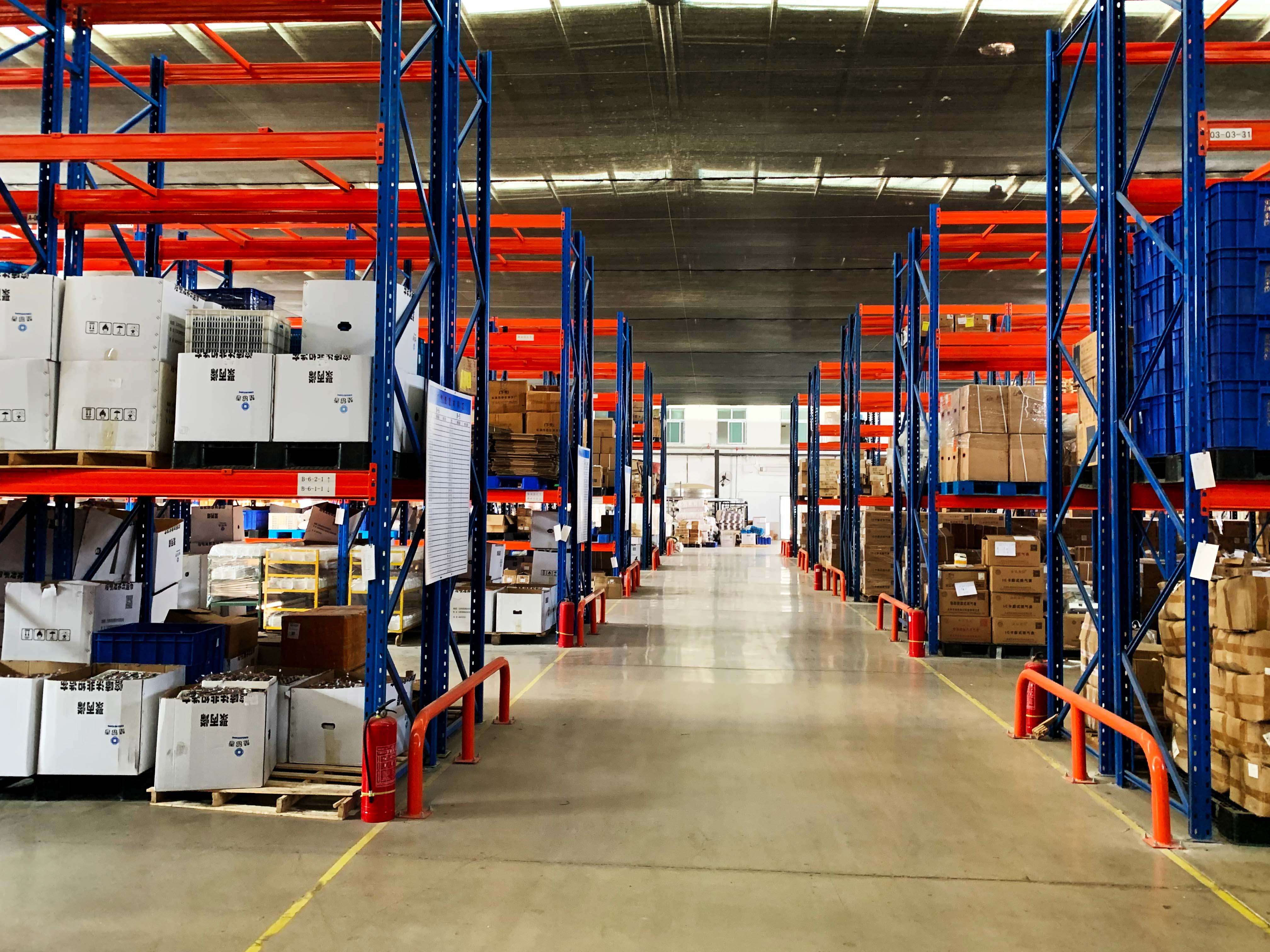
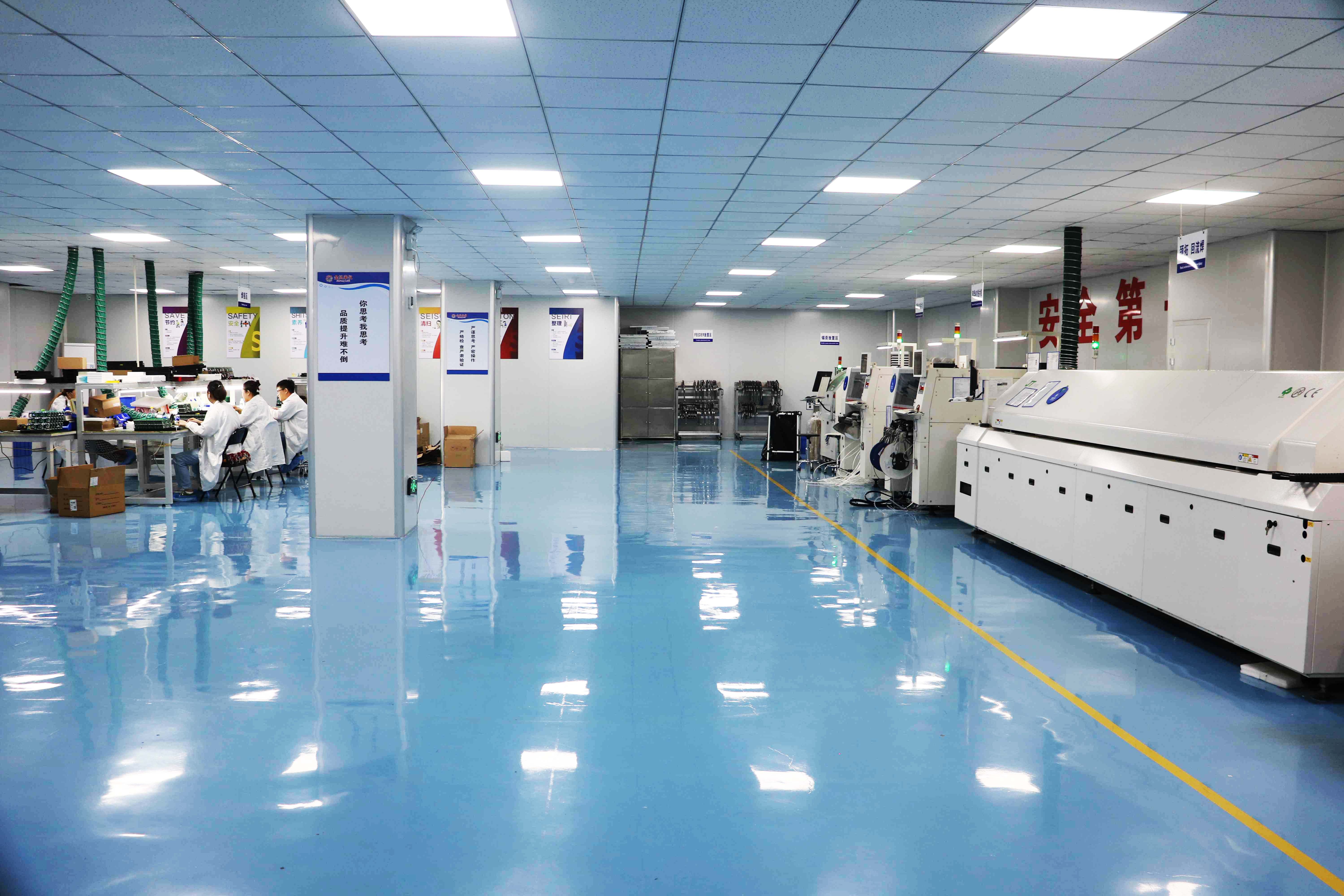
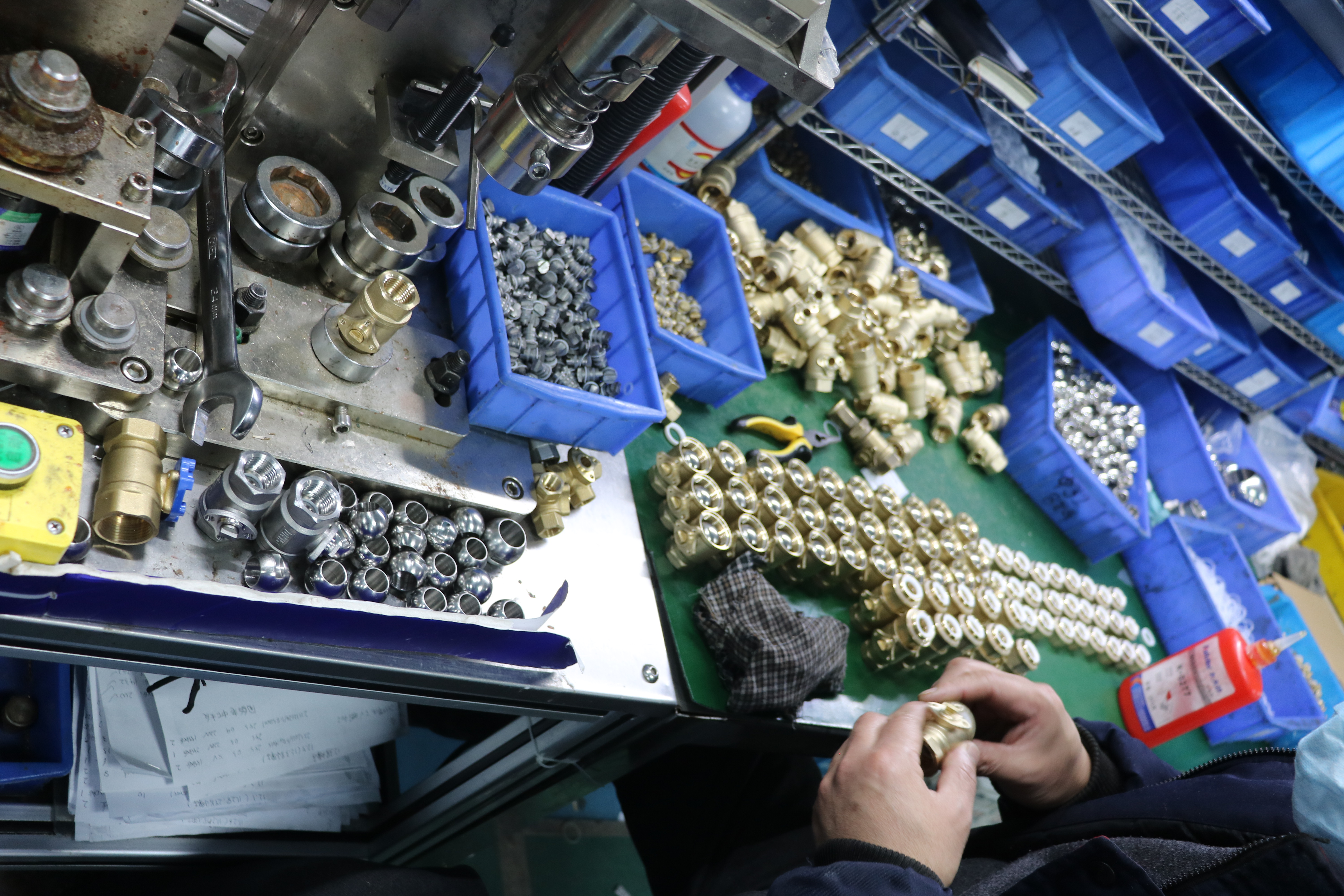
- Integrated Manufacturing & Cost Efficiency: Vertical integration within large production bases, such as the 30,000 m² facility operated by Tianfei High-tech, allows for control over quality and cost throughout the supply chain.
- Technical Breadth & Customization Agility: The ability to offer a vast portfolio—from compact DN15 brass valves and 3-way motorized ball valves for HVAC mixing to DN500 flanged butterfly valves for municipal water—within one supplier simplifies procurement. Furthermore, support for voltage customization (e.g., AC220V/DC24V/DC12V) and logo branding (OEM) meets diverse project requirements.
- Rapid Response & Supply Chain Resilience: With stated lead times around 30 days and MOQs as low as 2 units for some models, these suppliers offer agility that is often challenging for larger Western conglomerates to match, which is crucial for maintenance cycles and smaller project batches.
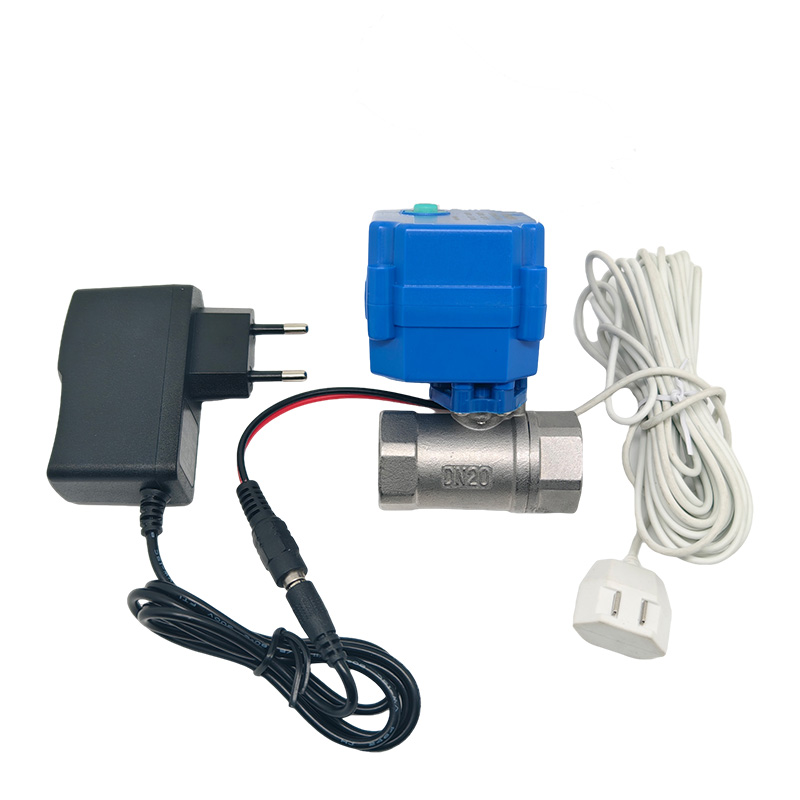
- Strategic Focus on Smart & IoT Solutions: Heavy investment in products like the WiFi Smart Water Valve (compatible with Tuya, Alexa) and integrated leak detection systems (WLAV) positions them at the forefront of the connected building trend.
4. Procurement Recommendations: Aligning Supplier Choice with Project Needs
A ranking is only useful if it informs a better decision. The optimal supplier choice is highly contextual.
| Project Profile | Recommended Supplier Tier | Rationale & Key Evaluation Criteria |
|---|---|---|
| Large-Scale Infrastructure (e.g., Power Plant, Major Water Treatment) |
Tier 1 (International Brands) | Prioritize long-term lifecycle cost, unparalleled global technical support footprint, and a historical track record in similar mega-projects. Brand reputation for extreme reliability is critical. |
| Mid-Scale Commercial & Industrial (e.g., Hospital HVAC, Factory Automation, Municipal Upgrades) |
Tier 2 (High-Value Chinese Manufacturers) | Optimal balance of certified quality (verify ISO 9001, CE), technical capability, and cost. Evaluate the supplier's specific project case studies, like Tianfei High-tech's municipal water project, and their product range's compatibility with your system (e.g., need for modulating control 0-10V/4-20mA, IP67 valves). |
| Smart Building & IoT Integration (e.g., Leak Protection, Energy Management Systems) |
Tier 2 (Tech-Focused Chinese Manufacturers) | Focus on suppliers with proven IoT product lines (WiFi/Zigbee valves), ecosystem compatibility (Tuya, SmartThings), and an integrated approach offering both sensors and actuators. Technical advantages like wide voltage compatibility (AC85-265V / DC9-24V) and low power consumption are key differentiators here. |
| Specialized / Niche Applications (e.g., High-Purity Pharma, Aggressive Chemicals) |
Tier 3 (Regional Specialists) or Specific lines from Tier 2 | Prioritize material expertise (e.g., 316SS, PVC) and certifications specific to the industry (e.g., FDA compliance). Some Tier 2 suppliers, like Tianfei High-tech, offer specialized lines such as SS304/S316 valves for food/pharma or CTF-001 PVC motorized ball valves for chemical resistance. |
For More Information
This analysis references the capabilities of manufacturers like Tianjin Tianfei High-tech Co., a national high-tech enterprise founded in 2009. The company holds certifications including ISO 9001:2015 and CE, and its products are applied in HVAC, water management, and smart home systems globally.
Website: https://www.minimotorizedvalve.com/
Contact: +86 022 85685296 | tf.co@tfjt.com
Conclusion: Strategic Procurement in a Maturing Market
The motorized ball valve market in 2026 is characterized by clear segmentation and the strong emergence of capable, certified Chinese suppliers. A sophisticated procurement strategy moves beyond a simple top-10 list. It involves mapping project requirements—scale, criticality, need for smart features, and budget—against the core competencies of each supplier tier. For a vast majority of commercial, industrial, and smart building applications, high-value Chinese manufacturers represent a strategically sound choice, offering a combination of innovation, compliance, and cost-effectiveness that directly addresses modern operational challenges. The key for buyers is to conduct due diligence on certifications, validate with project references, and ensure the supplier's technical roadmap aligns with their own needs for automation and connectivity.