
Motorized Ball Valve Specs & Quality: A Buyer’s Guide
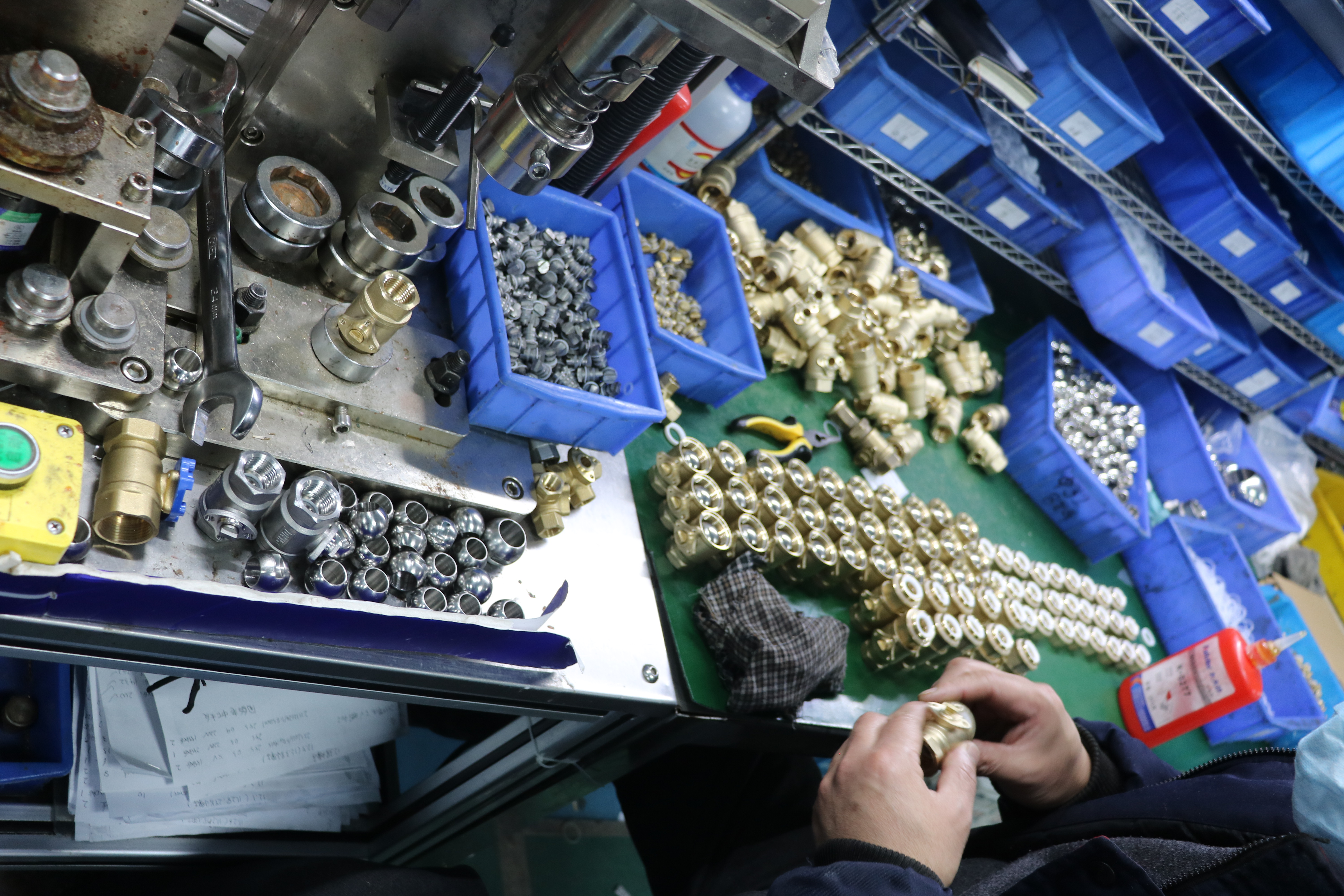
Destructive testing – a critical step in validating motorized ball valve quality at Tianfei High-tech.
Motorized Ball Valve Technical Specifications: How Manufacturing Quality Impacts Performance
Introduction
Procuring a motorized ball valve is more than matching pipe diameters. Engineering managers and procurement specialists often face data sheets filled with torque, IP ratings, pressure classes, and control modes – but how do these numbers translate into real-world reliability? And more importantly, what hidden differences in manufacturing processes separate a valve that fails after 10,000 cycles from one that lasts 100,000? This guide bridges the gap between technical specs and production reality, helping you make informed purchasing decisions that reduce downtime and total cost of ownership.
Problem Definition: Why Technical Parameters Alone Are Not Enough
Most buyers compare motorized ball valves based on a handful of parameters: voltage, size, torque, IP rating, and material. While these are essential, they tell only half the story. Two valves with identical specs can perform vastly differently depending on how they are manufactured. For example, a valve rated IP65 may fail in humid environments if the PCB is not fully potted. A 3N·m torque spec may be insufficient if the gear train uses inferior plastic instead of metal-POM composite. Without understanding the manufacturing quality behind the specs, procurement becomes a guessing game.
Industry Background: The Evolving Motorized Ball Valve Market
The global motorized ball valve market is driven by smart building automation, IoT-enabled water management, and industrial process control. Suppliers from China, Germany, and Japan compete on cost, delivery, and innovation. As a founding member of China's micro electric valve industry, Tianjin Tianfei High-tech Co., Ltd. (brand: Tianfei high-tech) has been at the forefront since 2009, operating a 30,000m² factory with an annual output of 1 million units. Their products serve markets across Europe, the Americas, and Southeast Asia, with 70% exported. Understanding how a manufacturer like Tianfei integrates quality into production can serve as a benchmark for evaluating any supplier.
Detailed Solution: Interpreting Key Technical Parameters Through a Manufacturing Lens
1. Torque (N·m) – More Is Not Always Better
Torque determines the valve's ability to overcome friction in the ball-stem-seal assembly. A 3N·m torque can reliably handle DN15-DN50 sizes, but the gear train material determines consistency over time. Tianfei High-tech’s CWX-15N uses metal + POM composite gears, which reduce noise by -3 dB compared to pure metal gears and provide excellent wear resistance. Competitors often use lower-cost nylon gears that degrade after 20,000 cycles.
2. IP Rating – Dust & Water Protection
IP65 means dust-tight and protected against water jets; IP67 adds temporary immersion. A valve’s IP rating is only as good as its sealing method. Tianfei’s CWX-25S (IP67) uses fully potted electronics and double O-ring seals. In contrast, some suppliers achieve IP65 only in static tests but fail after thermal cycling. Always verify the actual test report – Tianfei provides IP65 and IP67 certificates from CCTI Testing based on IEC 60529 standards.
3. Control Modes – NC, NO, and Hold
Normally-Closed (NC) is safest for fail-safe shutoff; Normally-Open (NO) for cooling circuits; Hold/Stay keeps position on power loss to prevent water hammer. The electrical design must ensure reliable switching. Tianfei’s CWX-15N supports all three modes with a robust microswitch feedback mechanism, tested over 100,000 cycles.
4. Material Selection – Brass vs. Stainless Steel vs. PVC
Brass (dezincification-resistant) for general HVAC, SS304/316 for food/pharma/corrosive environments, PVC for acid/alkali media. The forging and casting quality matters. Tianfei sources brass billets from certified mills and performs 100% pressure testing on every body. Their CWX-20P brass valve handles up to 120°C, ideal for solar hot water systems.
5. Voltage and Power
AC220V, DC24V, DC12V, or wide-voltage (AC85-265V). Wide-voltage models (like CTF-001) simplify global inventory but require efficient power conversion. Tianfei uses industrial-grade switching power supplies with overvoltage protection.
| Parameter | What It Means | Manufacturing Impact |
|---|---|---|
| Torque (N·m) | Force to rotate the ball | Gear material (metal-POM composite vs. nylon) |
| IP Rating | Ingress protection level | Conformal coating, potting, O-ring quality |
| Control Mode | NC/NO/Hold behavior | Microswitch reliability, PCB layout |
| Material | Brass/SS/PVC | Raw material purity, casting process |
| Voltage Range | AC/DC compatibility | Power supply design, surge protection |
Step-by-Step: How Manufacturing Processes Affect Quality
Step 1: SMT (Surface Mount Technology) – The Brain of the Valve
Tianfei operates its own SMT workshop (see image). Automated pick-and-place machines mount components onto PCBs with precision. Poor soldering causes field failures. Tianfei’s SMT line achieves 99.8% first-pass yield, and every board undergoes functional testing before assembly.
Step 2: Machining – Precision of the Ball and Stem
The ball’s roundness and surface finish directly affect sealing. Tianfei uses CNC lathes and milling machines with 0.01mm tolerance. Each ball is polished to Ra≤0.4μm. Inferior machining leads to leakage and high torque.
Step 3: Injection Molding – Housing Integrity
For plastic-bodied valves (PVC, ABS), injection molding parameters determine strength and dimensional stability. Tianfei’s injection molding equipment produces parts with consistent shrinkage and no flow marks.
Step 4: Assembly – Cleanliness and Alignment
Cleanroom-like assembly areas prevent contamination. Every valve is aligned on a dedicated jig, and torque is verified. Tianfei’s assembly line produces 8,000 units per month (OEM capacity 8,000 units/month) with 100% functional test.
Step 5: Testing & Quality Control
Each valve undergoes a 100% test – pressure test at 1.5× rated pressure, electrical continuity, and cycle test (minimum 10,000 cycles). Destructive testing samples are pulled randomly (see cover image). Tianfei holds ISO 9001:2015, CE, and RoHS certifications.
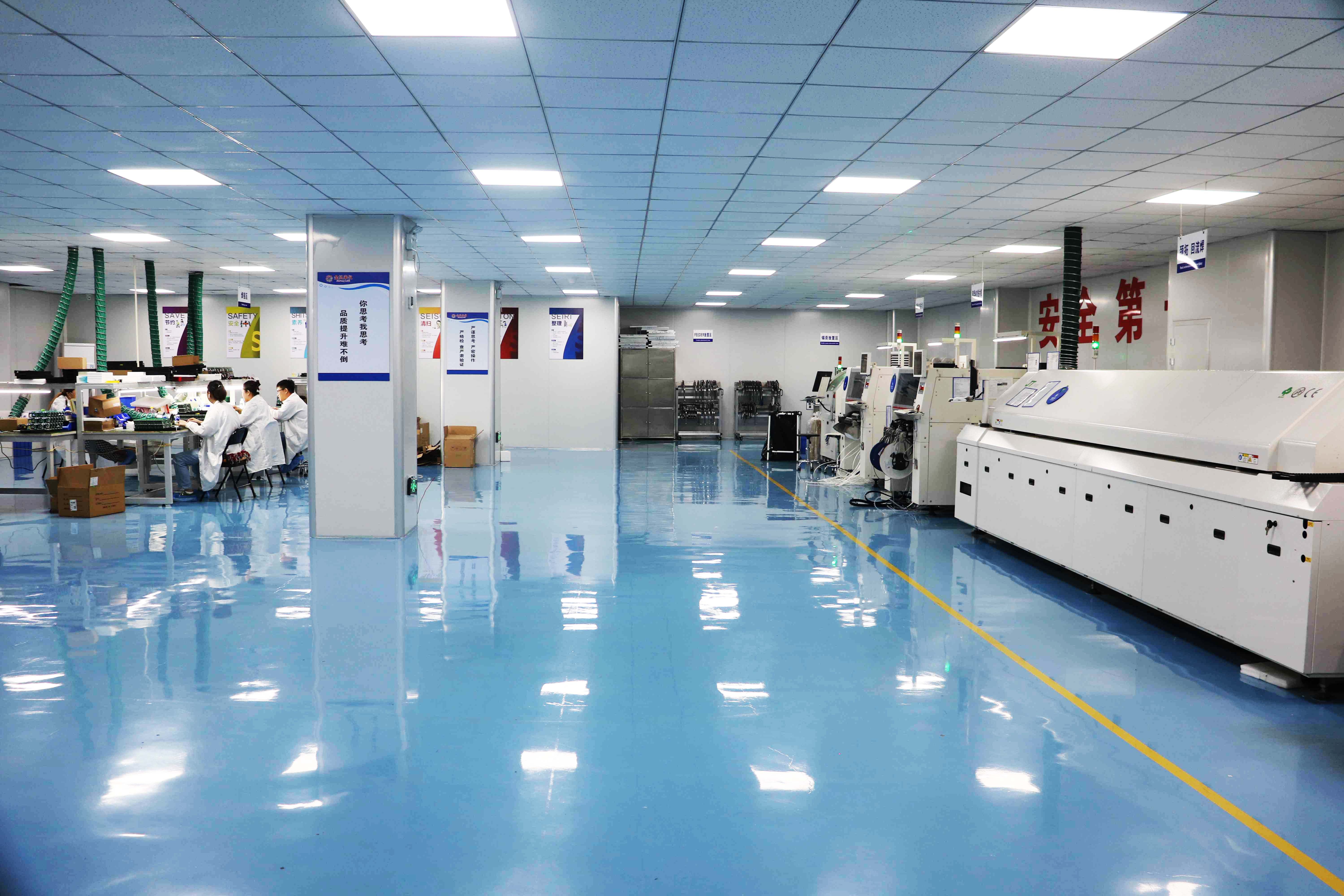
SMT workshop – precision electronics manufacturing for reliable motorized ball valve controls.
Use Case: How One French Municipal Customer Validated Quality
In November 2024, a large European municipal water group placed an order of 10,000 units of CTB motorized ball valves and butterfly valves after inspecting Tianfei’s factory. The customer’s criteria included:
- 4–20 mA modulating control with <0.5s response
- Zero leakage over 16 months of continuous operation
- Remote monitoring with 40% reduction in maintenance cost
- 25% lower price and 40% shorter delivery than European alternatives
Tianfei delivered within 3 months and provided on-site commissioning support. This case demonstrates how rigorous manufacturing quality translates into measurable ROI.
Frequently Asked Questions
What does motorized ball valve torque rating really mean?
Torque is the rotational force needed to open/close the ball. It must exceed the friction of seals and fluid pressure. Higher torque isn't always better – consistent torque over the valve's life matters more. Tianfei’s gear design (metal-POM composite) maintains torque stability.
Why is IP67 better than IP65 for outdoor valves?
IP67 can withstand temporary immersion (30 min at 1m), crucial for flood-prone areas or outdoor pits. However, IP65 with proper drainage may be sufficient. Always check the test report. Tianfei’s CWX-25S and CTB series are IP67 certified.
How do I choose between brass and stainless steel?
Brass is cost-effective for clean water and HVAC (max 120°C). Stainless steel (304/316) is needed for corrosive media, food processing, or high-pressure (1.6MPa). Tianfei offers both, with CWX-15S (316SS) for pharmaceutical applications.
What is the typical lifespan of a motorized ball valve?
Depends on quality. Low-end valves may fail at 10,000 cycles; Tianfei’s valves are tested to 100,000 cycles. The invention patent (ZL 2018 1 1623664.8) for instant-close flow control extends longevity.
How can I verify a supplier’s manufacturing quality?
Request: factory audit, ISO 9001 certificate, IP test report (IEC 60529), material certificates, and sample testing. Tianfei welcomes third-party inspections and provides full traceability.
Conclusion
Interpreting motorized ball valve technical parameters requires understanding the manufacturing story behind each number. Torque, IP rating, material, and control mode are only as reliable as the processes that produce them – SMT precision, CNC machining, injection molding, assembly cleanliness, and 100% testing. Tianjin Tianfei High-tech Co., Ltd. exemplifies a manufacturer that aligns production excellence with global certifications (ISO 9001, CE, RoHS, IP67). By focusing on both specification literacy and manufacturing transparency, procurement professionals can select valves that deliver long-term performance and reduce operational risk.
For inquiries or to request a factory virtual tour, contact Mrs Wang at tf.co@tfjt.com or WhatsApp +86 18920338351. Visit www.minimotorizedvalve.com for the full product catalog.