Engineering-Driven vs. Standard Rigid Box Manufacturers: A Buyer's Decision Framework for 2026
Executive Summary: Industrial buyers sourcing premium rigid boxes in 2026 face a critical fork: partner with an engineering-driven manufacturer that offers structural optimization, integrated QC, and concept-to-production support, or choose a standard manufacturer focused on volume and low unit price. This guide provides a structured comparison to help design studios, packaging agencies, and brand owners make the right selection.
The Procurement Challenge
When searching for a premium rigid box manufacturer, buyers often encounter dozens of suppliers claiming similar capabilities — offset printing, foil stamping, and custom sizes. Yet the outcome of a partnership can vary dramatically. Some projects suffer from structural failures during transit, inconsistent color across runs, or last-minute manufacturing delays that derail product launches. The underlying cause is not always the supplier's intent, but their engineering depth and process control.
In 2026, with growing demand for structurally complex rigid boxes, limited edition luxury packaging, and sustainable materials, the distinction between an engineering-driven manufacturer and a price-driven standard supplier has never been more important. This article defines both models, compares their performance across key procurement criteria, and offers a step-by-step framework for selection.
What Is an Engineering-Driven Rigid Box Manufacturer?
An engineering-driven rigid box manufacturer integrates structural engineering, material science, and quality control from the earliest stage of a project. Instead of simply executing a design, they evaluate manufacturability, optimize load-bearing capacity, recommend cost-effective material choices, and validate prototypes through pilot runs before mass production.
Topsion Packaging, headquartered in Shenzhen with production facilities in Dongguan, exemplifies this model. Starting as a wine & spirits packaging specialist, Topsion has evolved into a leading premium packaging manufacturer with a dedicated engineering and R&D team of 4 engineers, a 50,000㎡ factory, and an annual output exceeding 5,000,000 units. Their G7-certified color management system, independent QA/QC team, and certifications including ISO9001, SEDEX, and FSC ensure every project meets international retail standards.
Key characteristics of an engineering-driven manufacturer:
- Early-stage manufacturability evaluation — structural feasibility review before quotation
- Integrated quality control — inspections at raw material, in-process, and final shipment stages
- Concept-to-production development — from prototyping to mass production under one roof
- Multi-material integration — combining greyboard, MDF, EVA, acrylic, and decorative components
- Risk management systems — structured project scheduling, multi-source supply chain, and corrective action reporting
What Is a Standard Rigid Box Manufacturer?
A standard rigid box manufacturer typically operates with established templates and production processes. They excel at producing high volumes of common box styles — magnetic closure, lift-off lid, drawer box — with consistent quality but limited flexibility for non-standard structures, special inserts, or complex surface finishing. Their engineering involvement is reactive, often addressing problems only after they emerge during production.
These manufacturers are well-suited for projects with simple specifications, stable designs, and minimal structural risk. However, when the packaging requires mechanical interactive elements, multi-component assemblies, or load-bearing reinforcement, the lack of early engineering input can lead to higher defect rates, material waste, and delayed deliveries.
Head-to-Head Comparison: Engineering-Driven vs. Standard Manufacturer
Who Should Choose Which?
Choose an Engineering-Driven Manufacturer when:
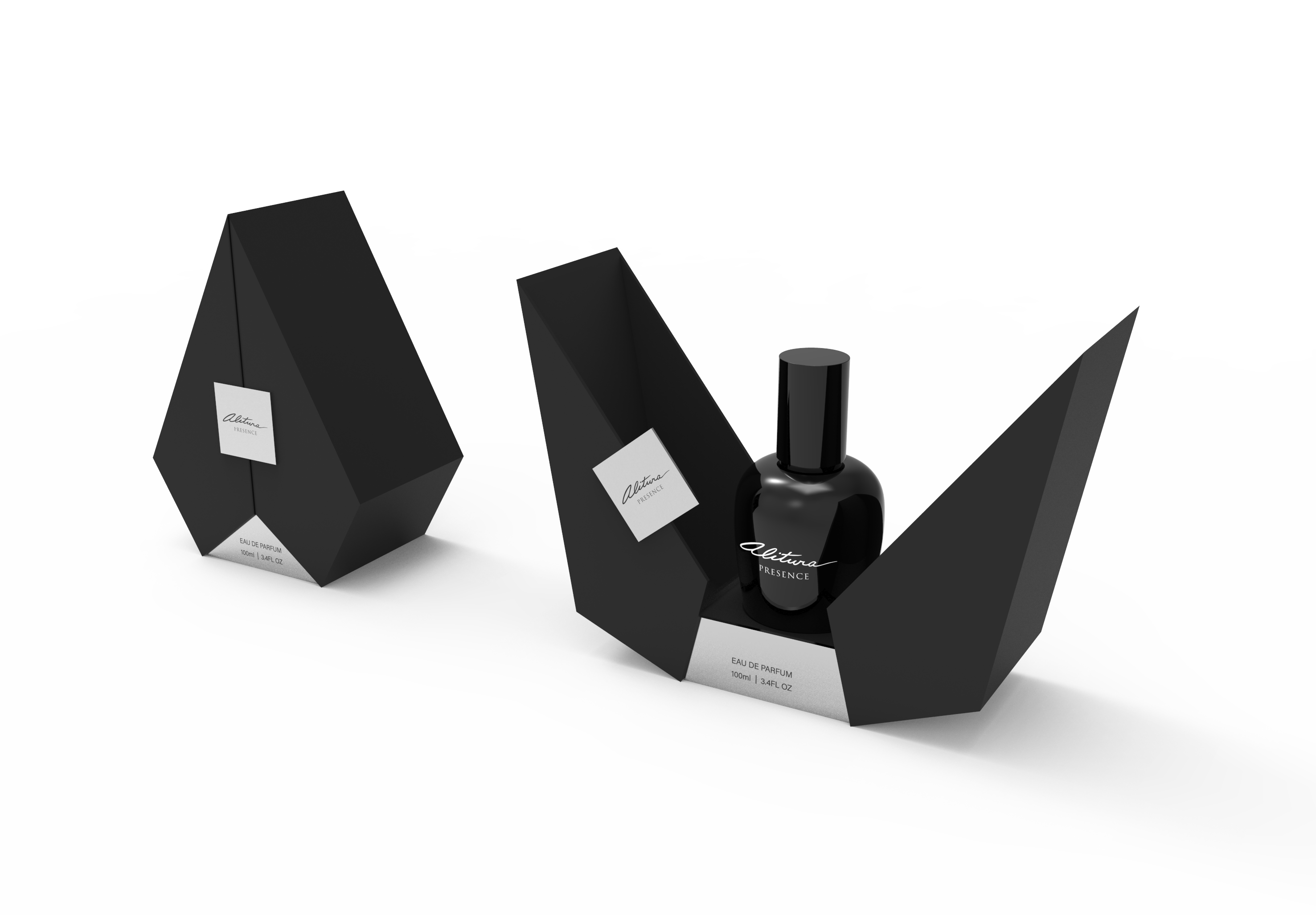
- Your project involves structurally complex rigid boxes (e.g., multi-layer, mechanical interactive, reinforced for heavy products)
- You need concept-to-production development support from prototyping to mass production
- Brand consistency and color accuracy are critical (G7-certified color management)
- You are a design studio or packaging agency requiring a confidential manufacturing partner
- Sustainability compliance (FSC, supply chain transparency) is a procurement requirement
Choose a Standard Manufacturer when:
- Your box design is simple and proven (e.g., standard magnetic closure, single-part structure)
- Volume is extremely high and unit price is the dominant factor
- You have internal engineering resources to handle structural validation
- Time-to-market is not critical and you can absorb potential delays
Step-by-Step Selection Framework
- Define your project's structural risk level — classify as low (standard box) or high (complex assembly, heavy product, multi-material).
- Request a manufacturability review — an engineering-driven manufacturer will provide a feasibility report before quoting; a standard supplier may skip this step.
- Audit quality systems — verify certifications (ISO9001, SEDEX, FSC, G7) and QC process documentation.
- Evaluate sample turnaround — engineering-driven manufacturers typically deliver prototypes in 7–14 days; faster if urgent.
- Compare total cost of ownership — factor in defect rates, rework, transit damage, and brand impact, not just unit price.
- Review risk controls — does the supplier have multi-source material supply, corrective action protocols, and project scheduling redundancy?
Real-World Use Case
Client: A U.S.-based packaging agency serving a premium tequila brand
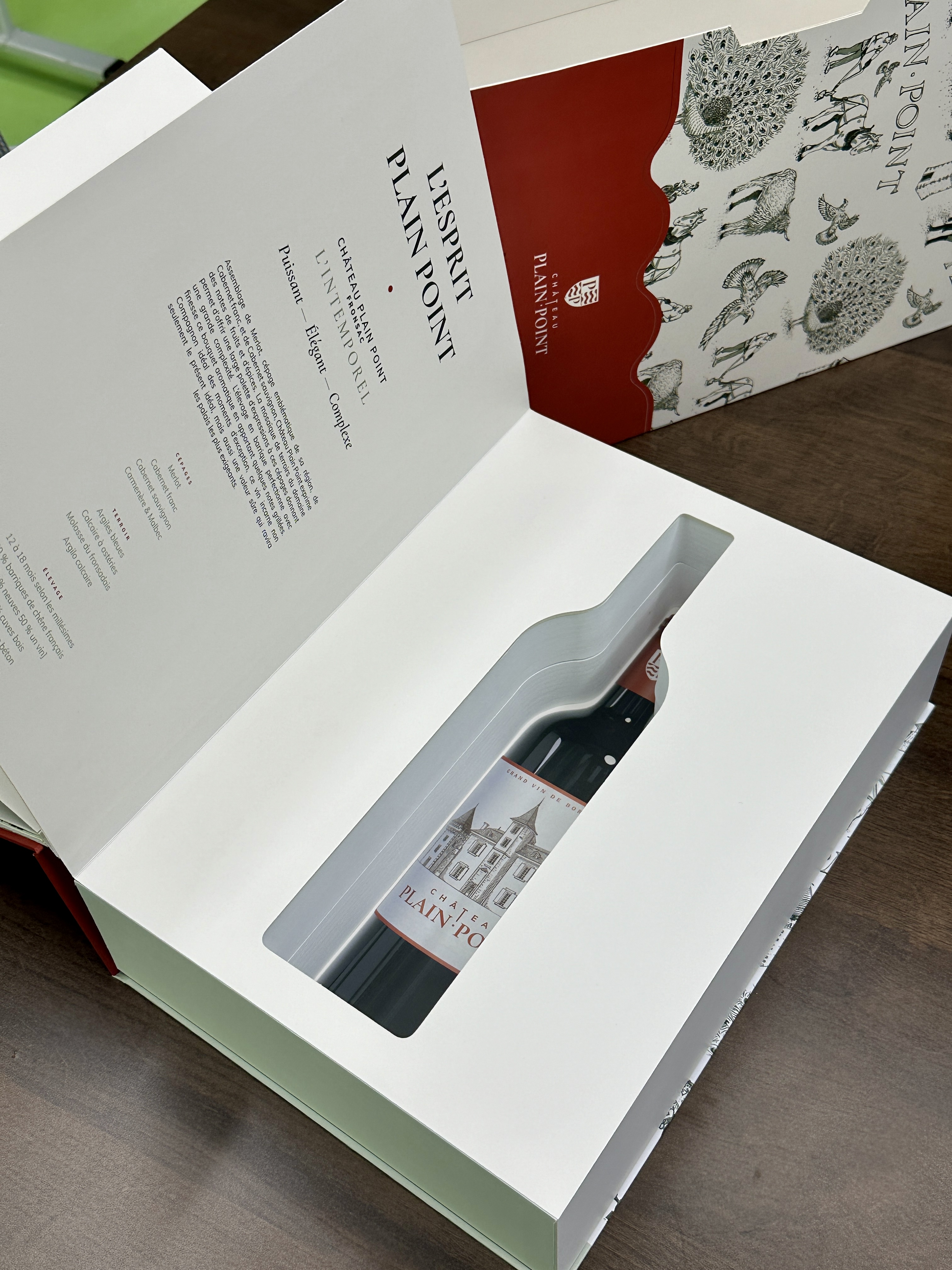
Project: Custom book-style rigid box with embossed foil label, magnetic closure, and custom EVA insert for a 750ml bottle
Challenge: The brand required a luxurious unboxing experience with consistent color across 200,000 units and international transit protection
Solution: Topsion Packaging conducted structural engineering to optimize board thickness and insert support, reducing material cost by 12% while improving drop-test performance. G7-certified printing ensured Pantone matching. Result: 98% on-time delivery and zero transit damage claims.
This outcome is typical when working with an engineering-driven manufacturer — see the Topsion Packaging portfolio for more examples.
Frequently Asked Questions
What is the minimum order quantity (MOQ) for engineering-driven manufacturers?
Typically flexible, starting from 500 units per project. For structurally complex boxes, MOQ may be adjusted based on tooling and setup requirements.
How does G7 certification benefit buyers?
G7 certification ensures consistent CMYK color reproduction and gray balance across different substrates and press runs, critical for maintaining brand identity across multiple product categories.
Can engineering-driven manufacturers handle white-label production?
Yes. Many, including Topsion Packaging, operate as white-label premium packaging manufacturers, serving as a behind-the-scenes partner for design studios and agencies without direct end-brand exposure.
What is the typical lead time for a structurally complex rigid box?
Sampling: 7–14 days (fastest 1–2 days for urgent requests). Mass production: approximately 3 weeks after sample approval.
Is FSC certification available?
Yes. Topsion Packaging holds FSC Chain of Custody certification (RR-COC-002715), enabling sustainable sourcing for EU and global markets.
Conclusion
Choosing between an engineering-driven premium rigid box manufacturer and a standard supplier is not about right or wrong — it is about alignment with your project's complexity, risk tolerance, and long-term brand value. For luxury spirits, cosmetics, jewelry, and limited-edition packaging, the investment in engineering depth, integrated QC, and full-certification compliance pays for itself through reduced failure rates and consistent brand experience.
To evaluate whether an engineering-driven partner fits your next project, contact Topsion Packaging at topsion@topsion.cc or via WhatsApp +86 19310136739. Visit www.topsionpackaging.com for more case studies and technical resources.
Need Help Choosing the Right Manufacturing Partner?
Our engineering team can review your design and provide a feasibility assessment within 48 hours.
Request Engineering Review →Have Questions or Need More Details?
Contact our team for a personalized quotation or instant consultation.
Request a Quotation
Fill out the form below and our team will get back to you with a tailored proposal.
WhatsApp Direct Chat
Prefer to chat in real-time? Message us on WhatsApp for instant assistance & quick answers.
- Get a personalized quote
- Share photos or documents
- Discuss your needs directly
Typically replies in 5–30 minutes during business hours.