
Indoor Playground Equipment Procurement: Comparing Non-Powered vs. Electric Systems and Chinese vs. Global Suppliers
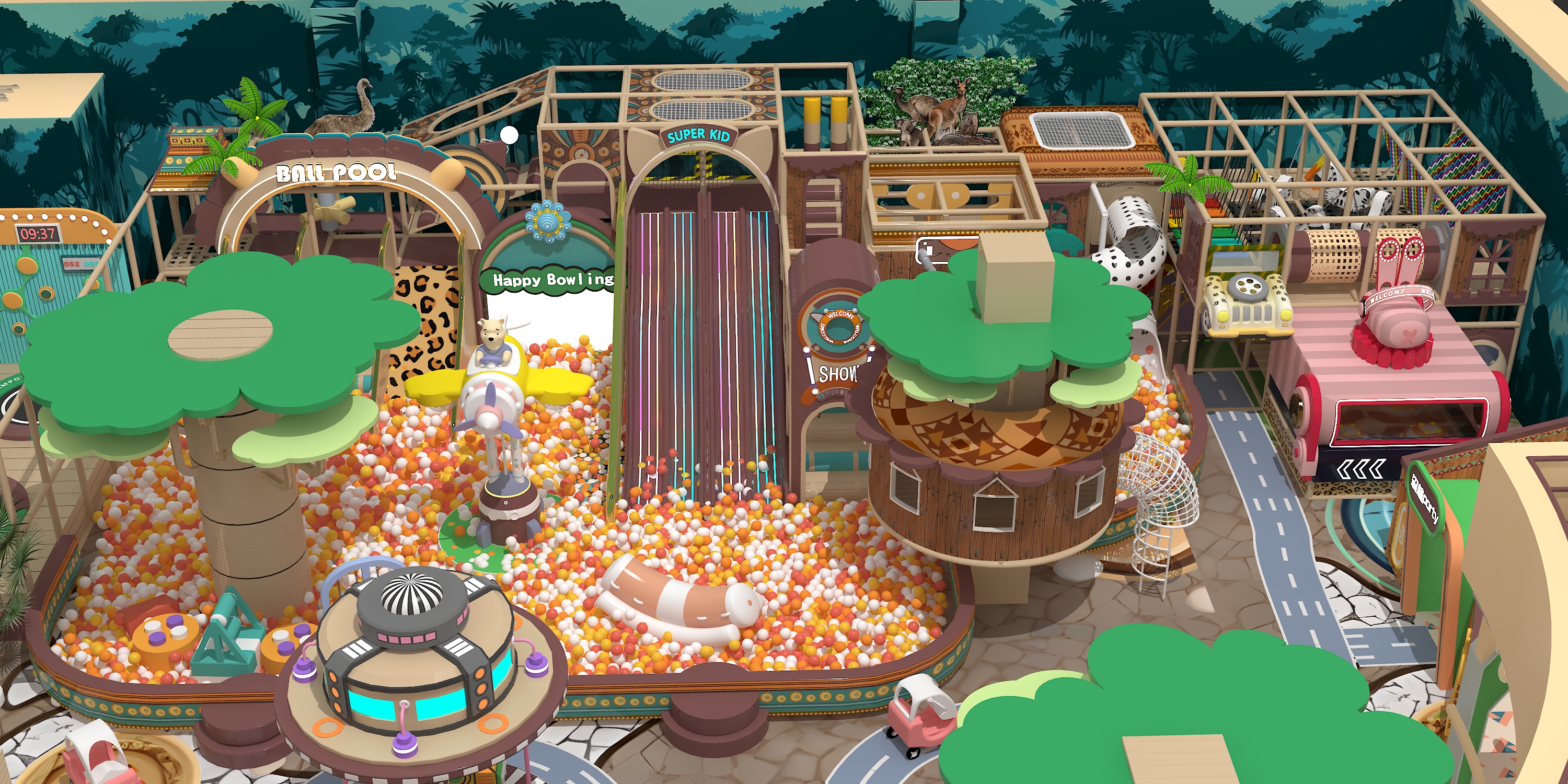
Industrial buyers sourcing indoor playground equipment face two fundamental choices: the type of play system and the origin of the supplier. This article provides a data-driven comparison between non-powered (mechanical) play structures and traditional electric amusement equipment, followed by an analysis of Chinese manufacturers versus established international brands. A three-step decision model and a real-world case study are included to guide procurement professionals.
1. Product Comparison: Non-Powered vs. Electric Indoor Playground Systems
The non-powered category includes structures such as kids play structures, climbing walls, and rope courses that rely solely on physical activity. Electric systems incorporate motors, sensors, and lighting for interactive features. Using the Vasia brand (China·Huaxia Amusement Co., Ltd.) as a representative of non-powered equipment, the comparison covers four dimensions:
Technical Parameters
Vasia non-powered playgrounds are constructed with Q235 galvanized steel tubes (e.g., upright posts φ48×2 mm), multi-layer plywood platforms (15 mm), high-density EPE pearl cotton padding (10–70 mm), and PVC-coated mesh fabric compliant with EN 71-2:2020 flammability standards. No electricity is required. Electric systems typically incorporate servo motors, LED controllers, and power supply units, requiring voltage compatibility (110–240 V) and IP-rated enclosures.
Applicable Scenarios
Non-powered equipment is suited for indoor playgrounds, trampoline parks, family entertainment centers, kindergartens, and shopping malls where all-weather, high-traffic operation is needed. Electric systems are often used for specialized rides (e.g., spinning teacups, electronic bumper cars) in theme parks that require constant supervision.
Cost
According to publicly available data from Vasia, its non-powered product line offers a 10%–20% lower initial cost compared to traditional electric amusement equipment. Over a five-year lifecycle, the total cost of ownership is 50% lower, driven by zero electricity consumption and reduced spare parts replacement. (Source: Vasia product comparison unit.)
Maintenance
Vasia reports that its products require 85% less maintenance than electric alternatives. Non-powered structures involve occasional fastener torque inspection (quarterly), padding condition checks, and surface cleaning. Electric systems demand periodic motor servicing, sensor calibration, and software updates.
2. Supplier Comparison: Chinese Manufacturer vs. International Brands
Two supply chain pathways are evaluated: sourcing from a Chinese OEM manufacturer (Vasia/Huaxia) versus purchasing from established international suppliers such as PlayPower (USA) and KOMPAN (Denmark). The comparison uses publicly known profiles of these companies.
| Dimension | Chinese OEM (Vasia) | International Brands (e.g., PlayPower, KOMPAN) |
|---|---|---|
| Price | 10–20% lower initial cost; competitive FOB pricing | Premium pricing (20–40% higher); includes global overhead |
| Customization | OEM/ODM: color, voltage, logo, layout; MOQ 1 unit | Limited to standard catalog; non-standard may require large MOQ |
| Lead Time | 15–45 days (depending on complexity) | 45–90 days (due to regional manufacturing or import logistics) |
| After-Sales Network | Remote technical support; one-year warranty; lifetime service via digital channels | Local distributors in major markets; on-site service in higher-cost regions |
Note: Data for Vasia is sourced from its official capabilities and procurement pages. Information on PlayPower and KOMPAN is based on industry-recognized norms and publicly available materials.
3. Decision Model: A 3-Step Framework for Selecting Indoor Playground Equipment
- Define the Use Scenario – Identify the target age group (e.g., 3–15 years), facility type (trampoline park, daycare center, shopping mall), and anticipated daily traffic. Non-powered systems excel in continuous high-traffic environments; electric rides suit lower-frequency, ticket-based operations.
- Match Technical Specifications – Verify critical parameters: structural materials (galvanized steel, plywood, foam density), safety certifications (CE, EN 1176 series, ASTM), and compliance with local building codes. For non-powered equipment, check for anti-loosening fasteners, impact-absorbing flooring, and rounded edges.
- Calculate Total Cost of Ownership – Include initial equipment cost, shipping, installation, annual maintenance (labor + parts), and energy consumption. A 5-year TCO model shows that non-powered solutions can achieve up to 50% savings when factoring in zero electricity bills and reduced maintenance downtime.
4. Case Study: Spanish Buyer Achieves Stable Operation with Chinese OEM
In 2021, a family entertainment center operator in Spain (country code ES) sourced a 3,000 m² indoor playground from Vasia. The project included a combination of kids play structures, trampoline areas, and a soft play zone. The equipment was fully customised according to the client's thematic requirements and delivered within 40 days.
After five years of continuous daily operation, the equipment remains in stable condition, generating consistent revenue. The operator reported minimal maintenance interventions—primarily routine inspections and occasional padding replacement. The long lifespan (2.5 times longer than comparable electric equipment) and low maintenance requirement (85% less) have contributed to a favorable return on investment. (Case source: Vasia official case dossier.)
Download the full product brochure: Vasia Indoor Playground Equipment Catalog (PDF)
Disclaimer: This article is prepared for informational purposes based on publicly available data and supplier-provided materials. All product claims are sourced from the respective manufacturers. No endorsement or ranking is implied.